Alloy Welded Pipe

Hunan Great Steel Pipe Co., Ltd
alloy welded pipe,ASTM A691 alloy pipe,EFW alloy steel pipe,chrome moly welded pipe,ASTM A691 1 1,4Cr pipe,P91 welded pipe,high temperature welded pipe,pressure vessel alloy pipe,ASTM A691 Class 22 pipe,5Cr alloy welded pipe,9Cr welded steel pipe

Alloy Welded Pipe

Alloy Welded Steel Pipe
Keywords: Alloy Pipe, Alloy Tube, Alloy Steel Pipe, Alloy Steel Tube, Alloy Welded Steel Pipe
Size: OD: OD: Norminal~60’’. WT: up through 4’’. Length: Single Random, Double Random, Cut length max to 23m.
Standard & Grade: ASTM A691 (Rolled & Welded)
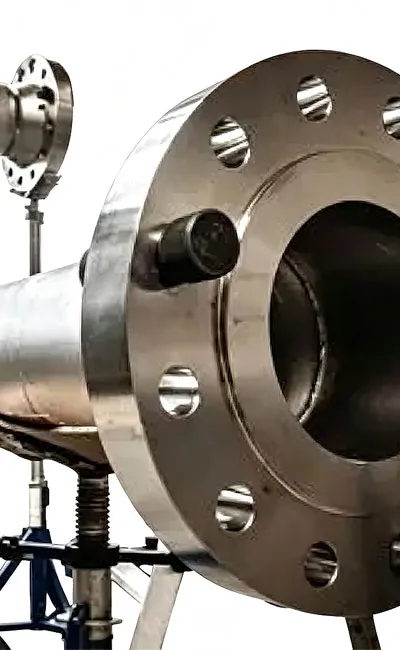
Ends: Plain End, Beveled End, Thread End
Grade: 1-1/4 CR, 2-1 1/4 CR, 5 CR, 9 CR 91
Usage: In Petroleum, Aerospace, Chemical, Power, Boilers, Military Industry
Finish: No.1 Pickled Finish, BA Finish, No.4 Finish, Electropolished Seamless Steel Pipes
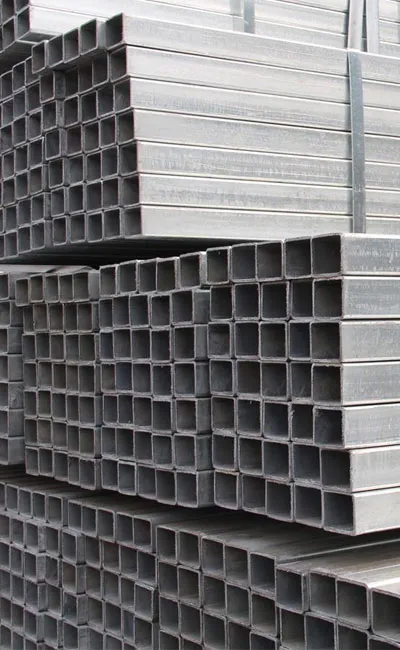
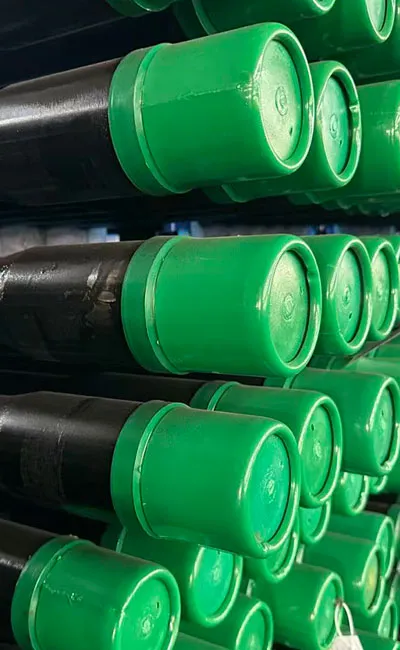
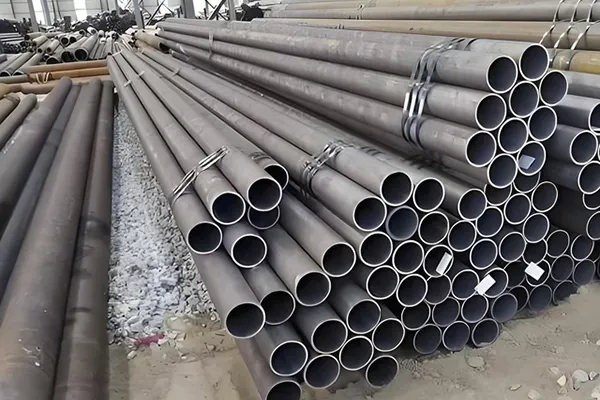
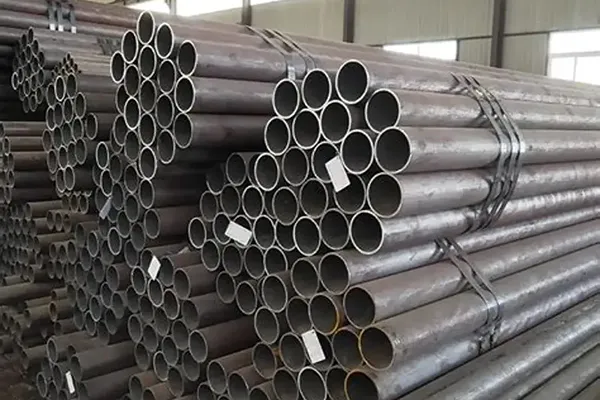
Packing: Bundled/In Bulk, Plastic Caps Plugged, Waterproof Paper Wrapped
Perhaps you would like to contact us via email. Please click on the link below to send us an emailinfo@hnssd.com

    Leave Your Requirement Information

  • close
  • Product Detail
  • Specification
  • Standard
  • Process
  • Packing
  • FAQ
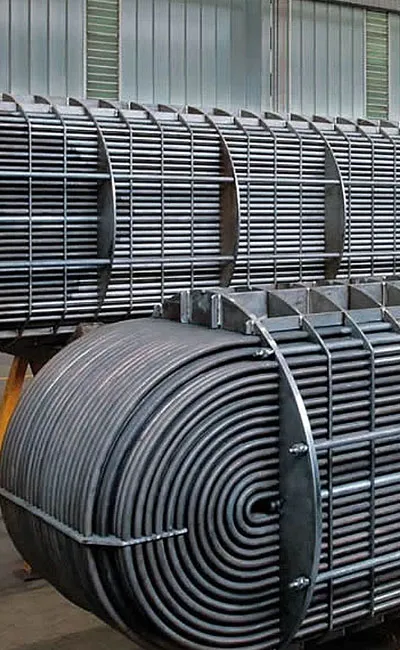
The Alloy Welded Steel Pipe is a specialized tubular product manufactured by cold-forming or hot-forming alloy steel coils or plates into a cylindrical shape and then longitudinally welding the seam. Unlike carbon steel pipes, alloy steel pipes contain carefully controlled percentages of chromium, molybdenum, vanadium, nickel, and other elements that significantly enhance mechanical properties at elevated temperatures and in corrosive environments. These alloying additions provide exceptional creep strength, oxidation resistance, hydrogen attack resistance, and toughness, making alloy welded steel pipes the preferred choice for power generation, petrochemical processing, refinery piping, boiler tubes, heat exchangers, and high-temperature steam lines.

Our Alloy Welded Steel Tube are engineered for service conditions where carbon steel would fail due to softening, scaling, or loss of strength. The most common alloy families include chromium-molybdenum (Cr-Mo) steels such as ASTM A335 Grade P5 (5% Cr-0.5% Mo), P9 (9% Cr-1% Mo), P11 (1.25% Cr-0.5% Mo), P22 (2.25% Cr-1% Mo), and P91 (9% Cr-1% Mo with vanadium and niobium). Each grade offers a unique balance of high-temperature strength, weldability, and resistance to specific failure mechanisms. For example, P22 is widely used in superheater and reheater tubes in fossil fuel power plants at temperatures up to 580°C. P91, a modern martensitic steel, provides superior creep rupture strength, allowing designers to use thinner walls and reduce weight while operating at up to 650°C.

In addition to Cr-Mo grades, we supply low-alloy steels such as A691 (various compositions) and nickel-alloyed steels for low-temperature toughness. For sour service (wet H₂S environments), we offer alloy grades that meet NACE MR0175 requirements with controlled hardness and composition.

The welded construction of alloy steel pipes offers significant advantages over seamless for large diameters and long lengths. Our advanced welding processes (submerged arc welding for heavy walls, TIG or plasma for thin walls) produce a weld seam that, after proper post-weld heat treatment (PWHT), matches or exceeds the base metal properties. Full radiographic or ultrasonic examination ensures seam integrity.

Typical applications include: main steam lines in power plants (up to 650°C), hydrocracker reactor effluent pipes, furnace tubes in ethylene crackers, heat recovery steam generator (HRSG) piping, petroleum refinery high-pressure lines, and chemical plant transfer lines handling aggressive media at elevated temperatures. Alloy welded steel pipes are also used in nuclear power plants (Grade P22, P91) and in oil & gas downhole tubing where high strength and corrosion resistance are required.

The technical specifications of our Alloy Welded Steel Pipe are defined by precise dimensional, mechanical, and chemical parameters to ensure reliable performance in high-temperature and high-pressure service. Below is a comprehensive specification table followed by detailed notes.

Parameter
Specification Range
Product Name Alloy Welded Steel Pipe / Tube
Manufacturing Standard ASTM A691, ASTM A335 (Seamless ref), API 5L, ASME SA335
Outer Diameter (OD) 21.3 mm to 1422 mm (1/2'' to 56'')
Wall Thickness (WT) 2.0 mm to 50 mm (SCH 10 - SCH XXS)
Pipe Length Single Random Length (SRL), Double Random Length (DRL), or Customized (up to 12m+)
Alloy Grades 1.25Cr-0.5Mo, 2.25Cr-1Mo, 5Cr-0.5Mo, 9Cr-1Mo, P11, P22, P91, X70, X80
End Finish Plain End, Beveled End, Thread with Coupling
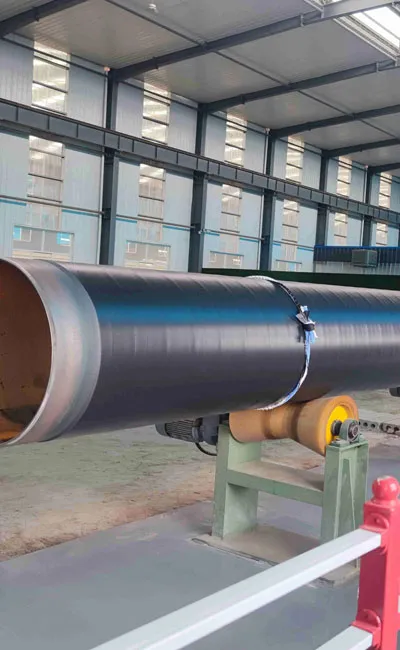
Surface Treatment Black Painting, Varnish Coating, 3LPE/3LPP Coating, Hot Dip Galvanized
Testing Standards Hydrostatic Test, Eddy Current, Ultrasonic Testing (UT), Radiographic Testing (RT)


Our Alloy Welded Steel Pipes are manufactured and certified to comply with a comprehensive range of international standards, primarily those developed by ASTM (American Society for Testing and Materials) and ASME (American Society of Mechanical Engineers). Compliance with these standards ensures that the pipes are suitable for pressure-containing applications at elevated temperatures, and that they meet the stringent requirements of power plants, refineries, and chemical facilities worldwide.

Standard Title Applicable Grades Key Features
ASTM A691
Standard Specification for Carbon and Alloy Steel Pipe, Electric-Fusion-Welded for High-Pressure Service at High Temperatures
P5, P9, P11, P22, P91, P92, etc.
Large diameters (≥12″); fusion welding (SAW); mandatory heat treatment; 100% radiographic or ultrasonic testing of weld seam
ASTM A671
Standard Specification for Electric-Fusion-Welded Steel Pipe for Atmospheric and Low Temperatures
Low-alloy grades (e.g., 1¼ Cr-½ Mo)
Similar to A691 but for non-high-temperature service; less stringent NDE
ASME SA-691
Same as ASTM A691 (ASME Boiler & Pressure Vessel Code Section II)
Low-alloy grades (e.g., 1¼ Cr-½ Mo)
Code-approved for pressure vessel and boiler external piping; requires ASME stamping if specified
ASTM A381
Standard Specification for Metal-Arc-Welded Steel Pipe for High-Pressure Transmission Service
Grades Y35, Y42, Y46, Y50, Y52 (low-alloy)
High-strength line pipe for oil/gas transmission; includes Charpy impact requirements
EN 10217-2
Welded steel tubes for pressure purposes – Part 2: Electric welded non-alloy and alloy steel tubes with specified elevated temperature properties
13CrMo4-5, 10CrMo5-5, etc.
European standard; CE marking under PED 2014/68/EU
API 5L
Specification for Line Pipe (alloy grades for sour service)
X42Q, X52Q, X56Q, X60Q, X65Q (quenched and tempered)
For oil & gas pipelines; includes alloy grades with enhanced H₂S resistance

The manufacturing of alloy welded steel pipe is a sophisticated process that combines metallurgical science with precision engineering. The process begins with the selection of high-quality alloy steel coils or plates, which serve as the raw material. These materials are inspected for chemical composition and surface defects before entering the production line.
Forming: The steel strip is uncoiled and leveled. It then passes through a series of forming rolls which gradually bend the flat strip into a cylindrical shape. For large diameter pipes, the JCOE (J-C-O-E) forming process is often used, where the plate is pressed into a 'J' shape, then a 'C' shape, and finally an 'O' shape before welding.
Welding: The most common method for alloy pipes is Submerged Arc Welding (SAW). In this process, a granular flux is deposited ahead of the welding arc, protecting the molten weld pool from atmospheric contamination. This results in a high-quality, deep-penetration weld with excellent mechanical properties. For smaller diameters, High-Frequency (HF) welding may be utilized.
Heat Treatment: Unlike carbon steel, alloy steel often requires specific heat treatments (such as normalizing, quenching, and tempering) to achieve the desired microstructure and mechanical properties, particularly to relieve residual stresses from the welding process.
Inspection: The final stage involves rigorous Non-Destructive Testing (NDT), including Ultrasonic Testing (UT) and Radiographic Testing (RT) to detect any internal or surface flaws, ensuring the pipe is defect-free.
Proper packing is essential to protect alloy welded steel pipes from physical damage and environmental corrosion during transportation and storage. We employ industry-standard packing methods tailored to the specific requirements of the pipe dimensions and the destination.
For small diameter pipes, they are typically bundled together using steel straps to form a compact hexagonal or round bundle. These bundles are then wrapped in waterproof plastic or woven bags to prevent moisture ingress. Wooden dunnage is placed between layers to prevent friction and scratching.
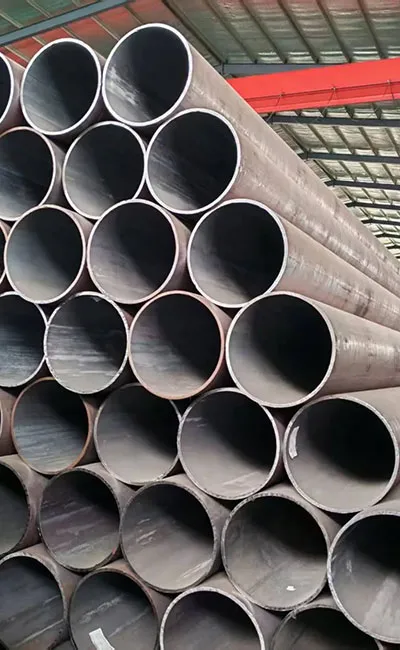
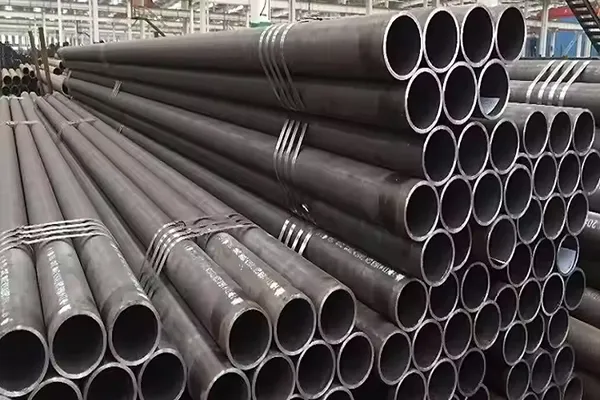
For large diameter pipes, they are usually shipped loose or stacked with protective separators. The ends of the pipes are protected with plastic caps to preserve the bevels for welding. To ensure long-term corrosion resistance during sea freight, we can apply anti-corrosion oils or VCI (Vapor Corrosion Inhibitor) packaging.
Packing Options Include:
Loose Loading: For large diameter pipes (>24 inch).
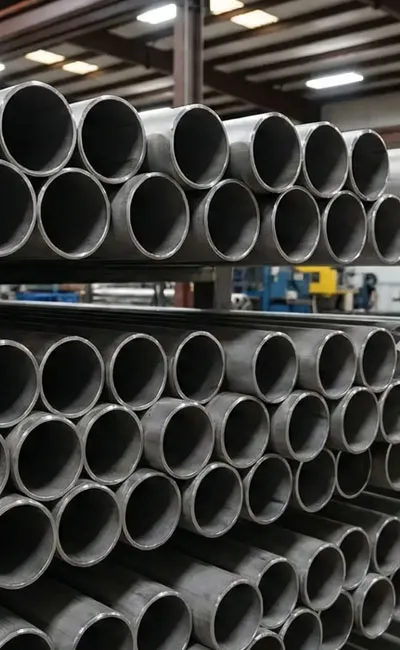
Bundle Packing: For small and medium diameter pipes, secured with steel strips.
Bulk Packing: For containers, maximizing space efficiency.
Custom Crating: Wooden boxes or crates for high-precision or specialized alloy pipes.
All packages are clearly marked with stenciled information including the heat number, size, grade, and manufacturer's logo to ensure easy identification upon arrival.

Q1: What is the difference between Alloy Welded Pipe and Seamless Pipe?

A: Seamless pipes are made from a solid billet and have no weld seam, making them theoretically stronger in high-pressure applications. However, modern welding technologies (like SAW) have made alloy welded pipes equally reliable for many high-pressure and high-temperature applications. Welded pipes are generally more cost-effective, especially in larger diameters, and offer better dimensional consistency in wall thickness.

Q2: Can you supply pipes for high-temperature service?

A: Yes, absolutely. Our alloy welded pipes, particularly those conforming to ASTM A691 (e.g., Grade 2 1/4CR, 5CR, 9CR), are specifically designed for high-temperature and high-pressure service. They offer excellent creep resistance and oxidation resistance, making them suitable for power plant piping and refineries.

Q3: What testing is performed on your alloy pipes?

A: We perform comprehensive testing to ensure quality. This includes Chemical Composition Analysis, Mechanical Property Testing (Tensile, Yield, Elongation), Hydrostatic Testing, and Non-Destructive Testing (NDT) such as Ultrasonic Testing (UT), Radiographic Testing (RT), and Dye Penetrant Testing (PT). We can also provide Impact Testing for low-temperature applications.

Q4: What is your delivery time?

A: The delivery time depends on the quantity and specifications of the order. Generally, for standard alloy grades and sizes, the lead time is approximately 30 to 45 days after receiving the deposit. Custom sizes or specific heat treatment requirements may take slightly longer.

Q5: Do you provide samples?

A: Yes, we can provide samples for evaluation purposes. However, depending on the alloy grade (which can be expensive due to raw material costs like Molybdenum and Chromium), there may be a charge for the sample and freight, which can be deducted from the final order value.

Find what you need ?

close
We use cookies and other tracking technologies to improve your browsing experience on our website, to show you personalized content and targeted ads, to analyze our website traffic, and to understand where our visitors are coming from.