-
How to Store, Handle and Inspect Steel Pipe Fittings Before Installation
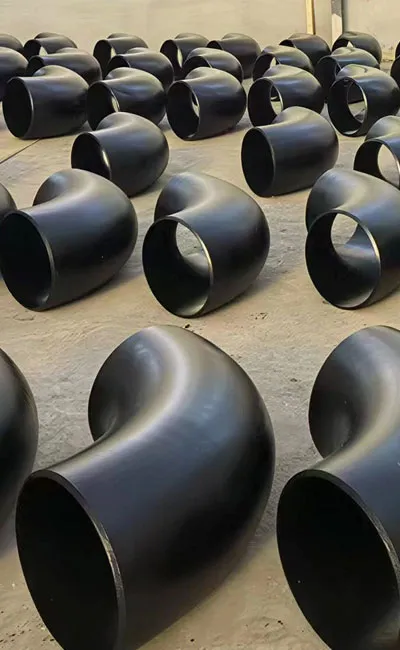
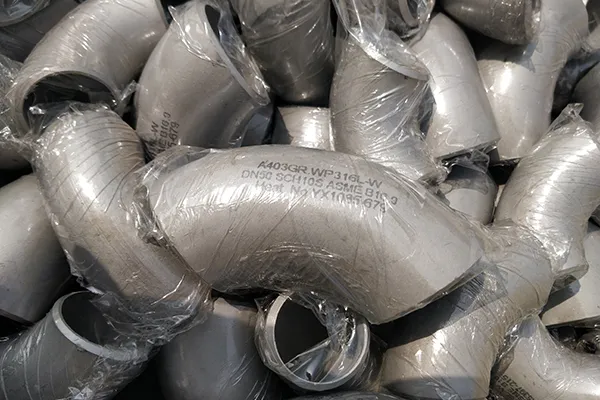
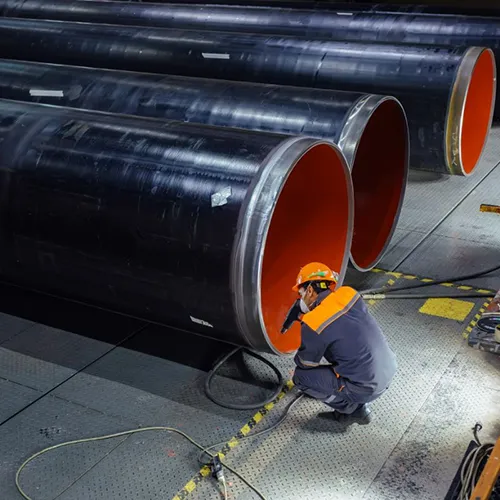
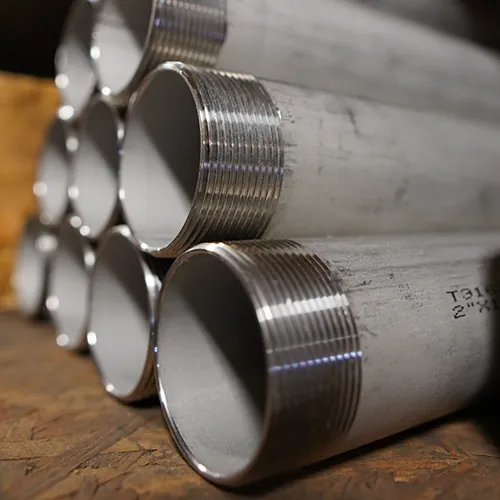
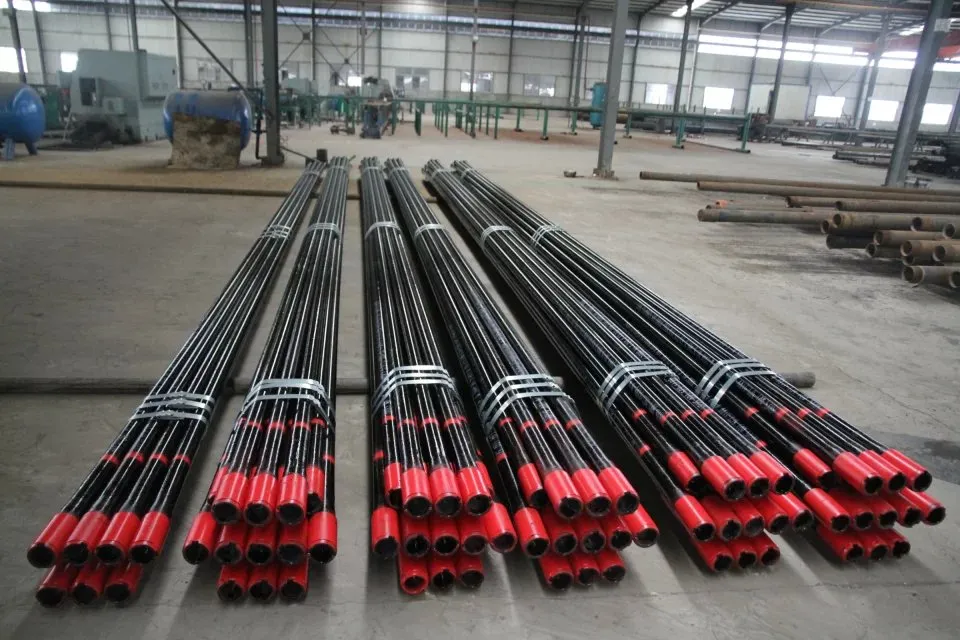
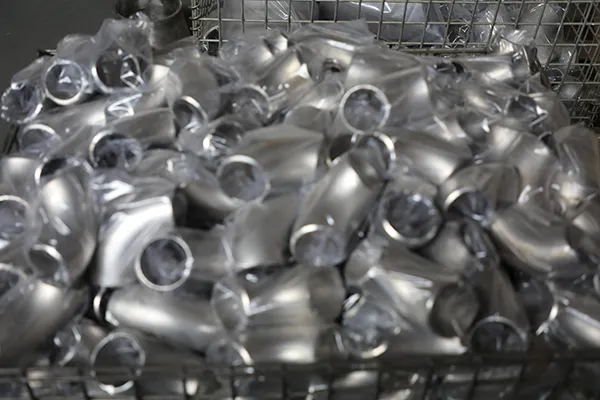
Steel tees,steel reducers and steel elbows can be damaged before installation if receiving checks,storage and handling are not properly managed,Damaged ends,surface contamination,missing identification and unsuitable storage conditions can delay installation and make it harder to verify whether delivered products meet project requirements,A practical procedure for receiving,storing and inspecting Steel Pipe Fittings helps protect product condition and maintain material traceability from delivery to installation,The exact requirements depend on the Steel Pipe Fitting material,surface protection,packaging and project specifications,
-
How Are Steel Pipe Fitting Orders Coordinated for Export Projects
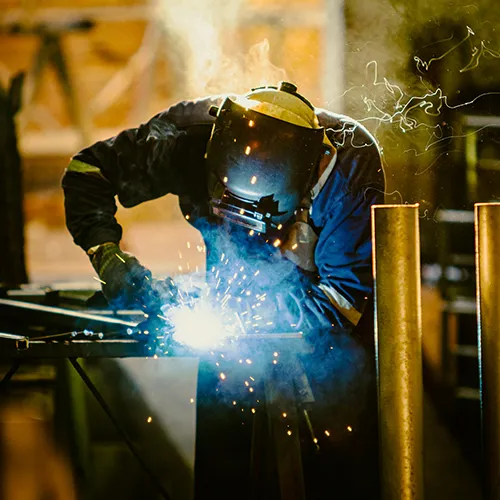
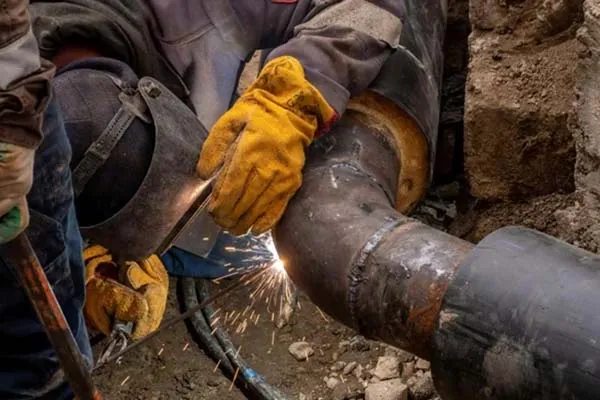
Supplying steel tees,steel reducers and steel elbows for an overseas project involves more than purchasing the required products,Technical specifications,inspection arrangements,documentation,packing and shipping must align with the purchase order and project schedule,For buyers managing industrial steel piping packages,a clearly defined order coordination process helps reduce specification gaps,avoid document inconsistencies and identify delivery risks before dispatch,The exact workflow depends on the product scope,contractual terms and destination requirements,
-
Concentric vs Eccentric Steel Reducers: Which Should You Choose
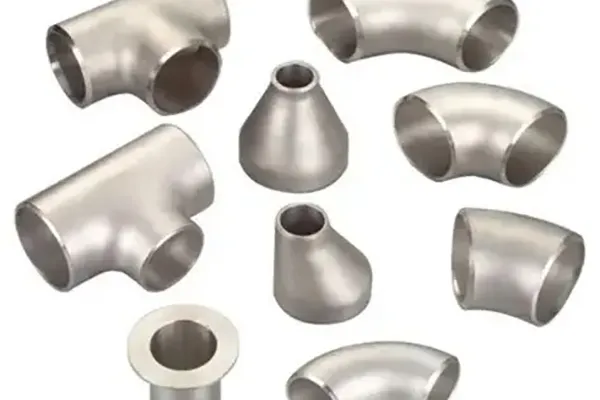
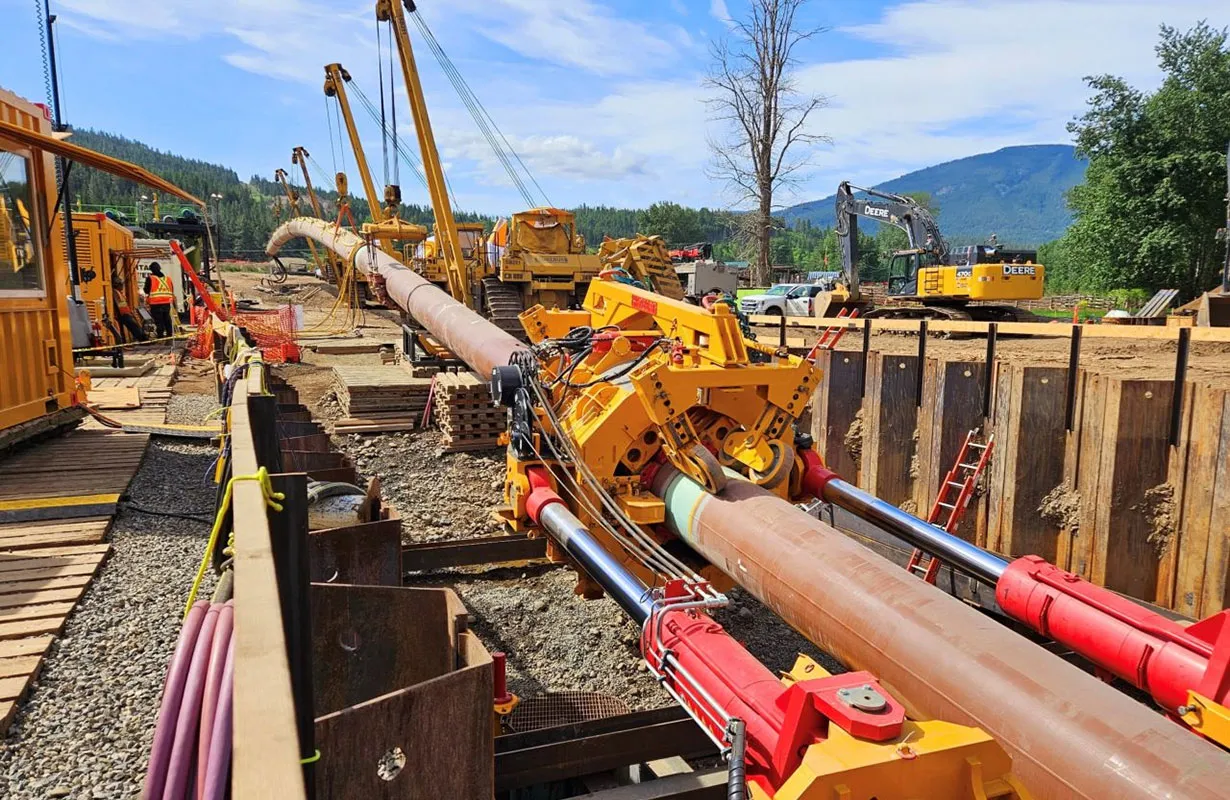
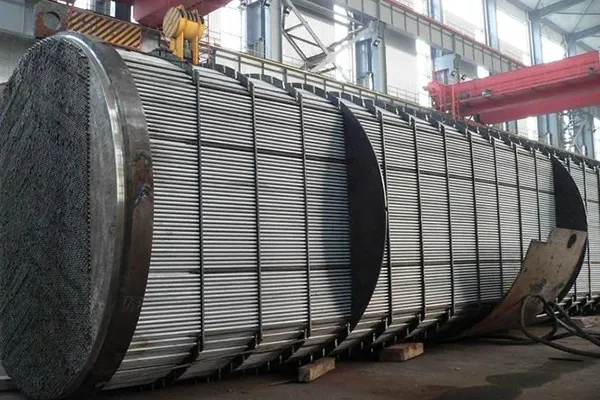
Concentric and eccentric Steel Reducers connect pipes of different nominal diameters,but their geometry affects how they fit into a piping system,Choosing the right type depends on the pipe layout,equipment connections,flow conditions,drainage requirements and approved engineering design,For project buyers,the priority is to specify the correct Steel Reducer configuration and orientation before requesting quotations,A steel pipe fitting that matches the steel pipe sizes may still be unsuitable if its geometry does not meet the installation requirements,
-
How to Manage Corrosion in Steel Pipe Fittings
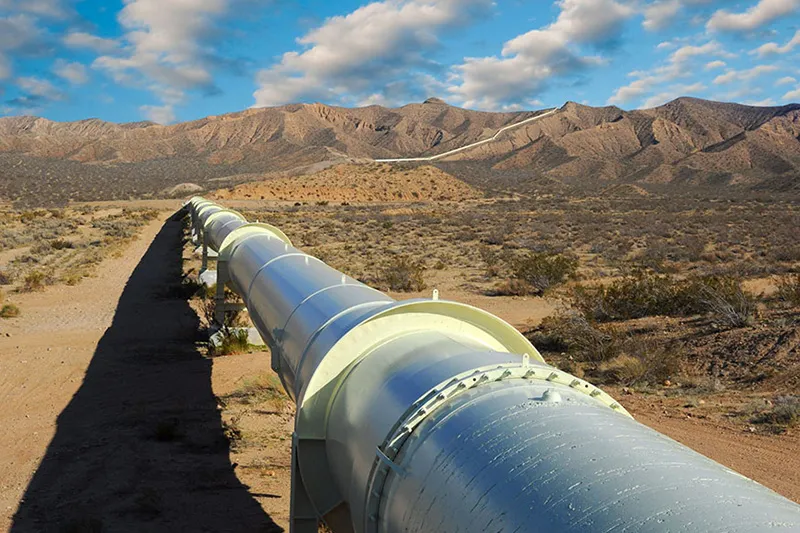
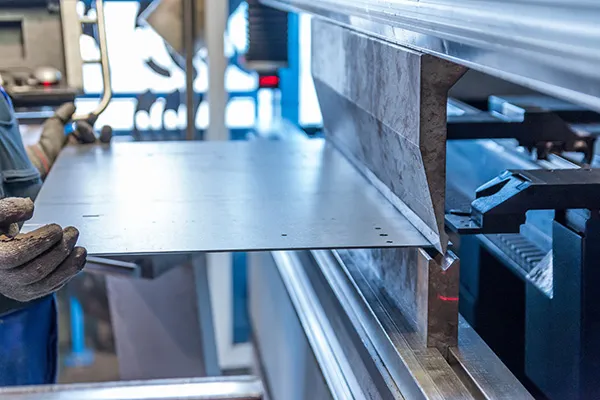
Corrosion in steel pipe fittings can lead to wall loss,leakage and unplanned maintenance in industrial piping systems,Steel tees,reducers and elbows may face different exposure conditions depending on the fluid,temperature,material and system layout,Effective corrosion management starts with understanding these conditions rather than relying on the fitting type or material name alone,For project engineers,maintenance teams and procurement professionals,the key is to connect material selection,inspection and corrosion control with the actual service environment,



 English
 Español
 русский язык
 Português