|
Profile
|
Typical Applications
|
Key Purchasing Information
|
|
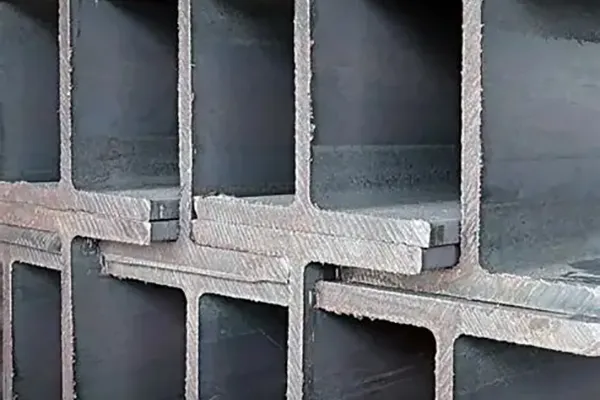
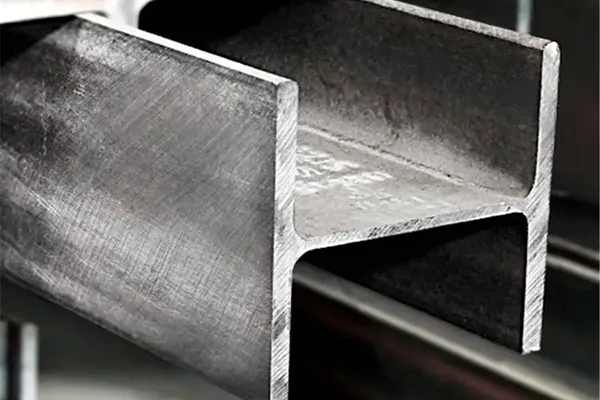
H Beam
|
Columns, primary beams, industrial frames
|
Section designation, flange width, web and flange thickness
|
|
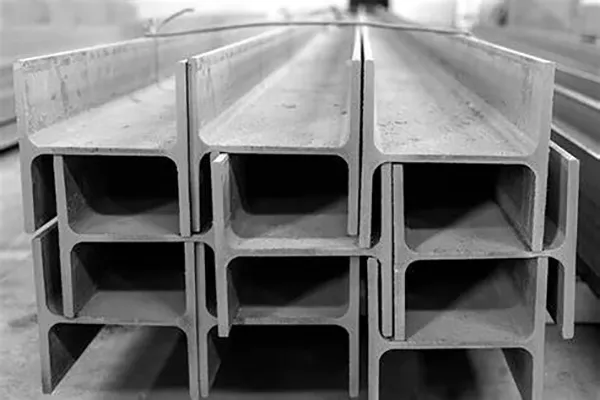
I Beam
|
Floor beams, supports, structural framing
|
Section series, flange geometry and dimensions
|
|
U Channel
|
Secondary frames, equipment supports, brackets
|
Channel designation, web and flange dimensions
|
|
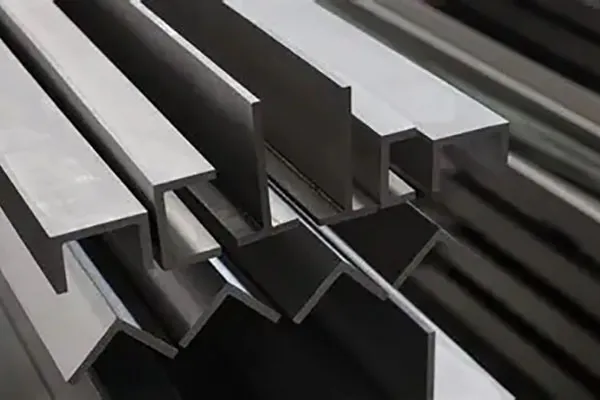
Angle Steel
|
Bracing, towers, brackets and connections
|
Equal or unequal legs, leg dimensions and thickness
|
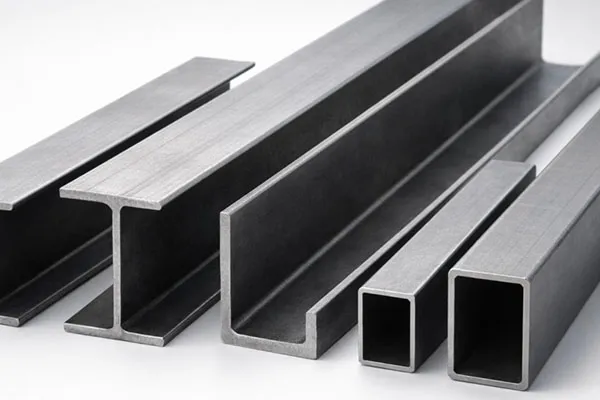
The table provides a preliminary comparison, not a structural design recommendation. For example, a primary column may use an H section or another suitable profile depending on the calculated section properties. A channel may suit a secondary support, while angle steel is frequently considered for bracing. The final choice must be verified against the structural drawings and design calculations.
The applicable standard depends on the product type and the required dimensional and material specifications. For international procurement, common references include:
-
ASTM A6/A6M: General requirements for rolled structural steel shapes, plates, bars and sheet piling covered by the relevant ASTM product specifications.
-
EN 10034: Dimensional and shape tolerances for structural steel I and H sections.
-
EN 10056-1: Dimensions for structural steel equal and unequal leg angles.
-
EN 10365: Dimensions and masses of hot-rolled steel channels, I and H sections.
These standards have different scopes. The material grade, technical delivery requirements, dimensions and tolerances must be confirmed separately where applicable.
7. What Should Buyers Include in an RFQ?
Incomplete specifications can lead to quotation differences, material mismatches and delays during fabrication. Before requesting a quotation, prepare:
-
Profile type and exact section designation.
-
Steel grade and applicable material standard.
-
Dimensions, thickness and required length.
-
Quantity, preferably with a material take-off list.
-
Surface condition or treatment, such as painting or galvanizing.
-
Inspection, marking and material certificate requirements.
-
Packing method, destination and delivery terms.
For mixed-profile project orders, drawings are especially useful. They help suppliers review the required sections, dimensions and delivery scope before quotation.
Hunan Great Steel Pipe Co., Ltd. supports international structural steel supply through specification review, sourcing coordination, inspection arrangements, documentation review and export delivery coordination according to confirmed order requirements. Planning a structural steel order? Send your section list, drawings, steel grades, quantities and destination details to discuss your project supply requirements.
FAQ
Q1. Is an H beam stronger than an I beam?
A1: Neither is universally stronger. The comparison depends on section dimensions, material grade, loading direction, member length and support conditions.
Q2. Can a U channel replace an H beam?
A2: Not automatically. Their cross-sectional properties and structural behavior differ. Any substitution requires verification and approval by the responsible structural designer.
Q3. What is the difference between equal-leg and unequal-leg angle steel?
A3: Equal-leg angle steel has two legs of the same nominal length. Unequal-leg angle steel has two different leg dimensions.
Q4. Which structural profile is commonly used for bracing?
A4: Angle steel is frequently used for bracing, but the required section and connection details depend on the structural design.
Q5. What information should I provide when requesting a quotation?
A5: Provide the profile designation, steel grade, applicable standard, dimensions, length, quantity, surface requirements, inspection scope and delivery destination. Drawings are helpful for project orders.










 English
 Español
 русский язык
 Português