
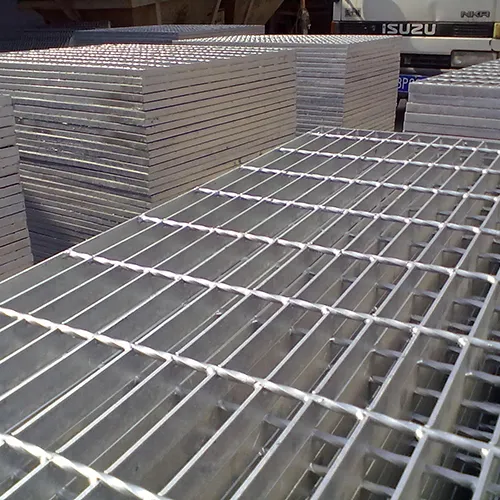
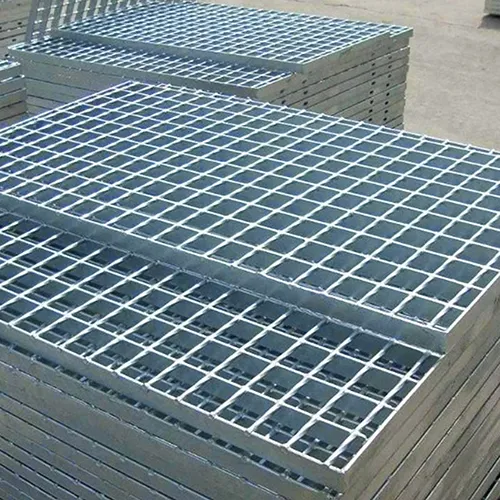
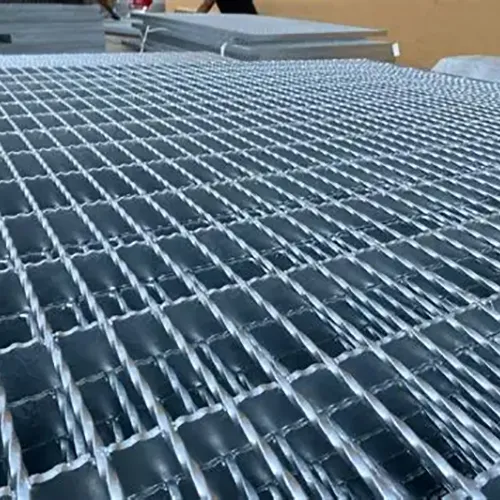
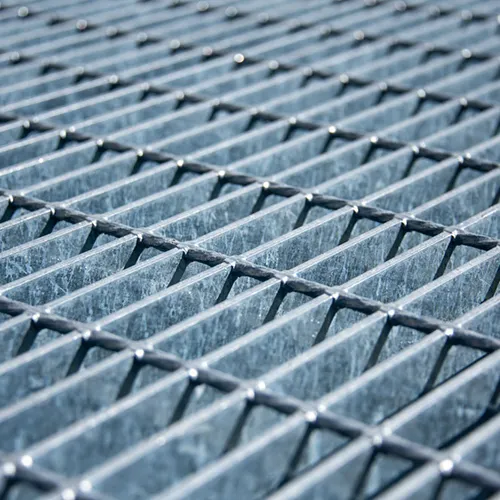
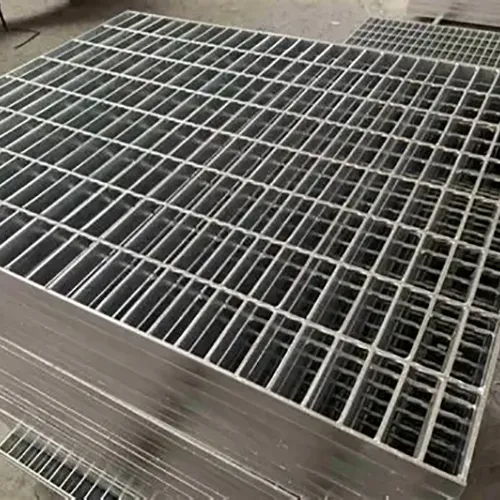
Steel grating is an open-grid assembly of parallel load-bearing bars and cross bars, rigidly joined at intersections through welding or mechanical locking. Its open-grid design provides an exceptional strength-to-weight ratio while allowing light, air, and liquids to pass through — making it the preferred flooring solution for industrial platforms, walkways, stair treads, trench covers, and equipment access areas. Our steel grating is manufactured in compliance with YB/T 4001.1-2019, the current Chinese black metallurgy industry standard for steel grating, which became effective on January 1, 2020. We also manufacture to ANSI/NAAMM, BS4592, and ASTM standards upon customer request.
Types of Steel Grating
|
Types |
Definition |
Advantages |
Application |
|
Welded Steel Grating |
Welded steel grating is manufactured by automatically welding bearing bars and cross bars at every intersection. |
High structural stability Strong welding joints Excellent load capacity Suitable for heavy industrial applications |
Industrial platforms Factory floors Power plants Petrochemical facilities |
|
Press-Locked Steel Grating |
Press-locked steel grating is produced by pressing cross bars into pre-punched bearing bars under high pressure. |
Smooth and uniform appearance Strong connection between bars |
Architectural and decorative applications |
|
Serrated Steel Grating |
Serrated bearing bars provide enhanced slip resistance. |
Unmatched Slip Resistance High Strength and Load-Bearing Capacity Excellent Drainage and Self-Cleaning Properties Low Maintenance and Cost-Effectiveness |
Wet environments Oil-contaminated areas Offshore platforms Outdoor walkways |
Material Grades
|
Material |
Standard Equivalent |
Best For |
|
Q235 / ASTM A36 |
China GB / U.S. ASTM |
General industrial applications, cost-effective |
|
Stainless Steel 304 |
ASTM A240 |
General corrosion resistance, food processing |
|
Stainless Steel 316 / 316L |
ASTM A240 |
Marine, chemical, chloride environments |
|
Aluminum |
— |
Lightweight, non-sparking applications |
|
VerticalBar Spacing |
Horizontal Bar Spacing |
Specification of Supporting Flat Steel (Width X Thickness) |
|||||
|
20 × 3 |
25 × 3 |
32 × 3 |
40 × 3 |
20 × 5 |
25 × 5 |
||
|
30 |
100 |
G203 / 30 / 100 |
G253 / 30 / 100 |
G323 / 30 / 100 |
G403 / 30 / 100 |
G205 / 30 / 100 |
G255 / 30 / 100 |
|
|
50 |
G203 / 30 / 50 |
G253 / 30 / 50 |
G323 / 30 / 50 |
G403 / 30 / 50 |
G205 / 30 / 50 |
G255 / 30 / 50 |
|
40 |
100 |
G203 / 40 / 100 |
G253 / 40 / 100 |
G323 / 40 / 100 |
G403 / 40 / 100 |
G205 / 40 / 100 |
G255 / 40 / 100 |
|
|
50 |
G203 / 40 / 50 |
G253 / 40 / 50 |
G323 / 40 / 50 |
G403 / 40 / 50 |
G205 / 40 / 50 |
G255 / 40 / 50 |
|
60 |
50 |
- |
G253 / 60 / 50 |
G253 / 60 / 50 |
G403 / 60 / 50 |
G205 / 60 / 50 |
G255 / 60 / 50 |
|
VerticalBar Spacing |
Horizontal Bar Spacing |
Specification of Supporting Flat Steel (Width X Thickness) |
|||||
|
|
40 × 5 |
45 × 5 |
50 × 5 |
55 × 5 |
60 × 5 |
||
|
30 |
100 |
G325 / 30 / 100 |
G405 / 30 / 100 |
G455 / 30 / 100 |
G505 / 30 / 100 |
G555 / 30 / 100 |
G605 / 30 / 100 |
|
|
50 |
G325 / 30 / 50 |
G405 / 30 / 50 |
G455 / 30 / 50 |
G505 / 30 / 50 |
G555 / 30 / 50 |
G605 / 30 / 50 |
|
40 |
100 |
G325 / 40 / 100 |
G405 / 40 / 100 |
G455 / 40 / 100 |
G505 / 40 / 100 |
G555 / 40 / 100 |
G605 / 40 / 100 |
|
|
50 |
G325 / 40 / 50 |
G405 / 40 / 50 |
G455 / 40 / 50 |
G505 / 40 / 50 |
G555 / 40 / 50 |
G605 / 40 / 50 |
|
60 |
50 |
G325 / 60 / 50 |
G405 / 60 / 50 |
G455 / 60 / 50 |
G505 / 60 / 50 |
G555 / 60 / 50 |
G605 / 60 / 50 |
Bearing Bar Specifications
Bearing bars are the primary load-carrying members running parallel to the panel length.
Common bearing bar sizes (width × thickness): 20×3, 20×5, 25×3, 25×5, 30×3, 30×5, 32×5, 40×5, 50×5, 65×5, 75×6, 100×10mm
Bearing bar height range: 20mm to 100mm
Bearing bar thickness range: 2mm to 10mm
Bearing bar spacing: 15mm, 20mm, 25mm, 30mm, 34mm, 38mm, 40mm, 50mm, 60mm. Series 1 (30mm) is the most common.
Cross Bar Specifications
Cross bars run perpendicular to bearing bars, providing stability and grid structure.
Common cross bar sizes: 5×5mm, 6×6mm, 8×8mm
Cross bar spacing: 50mm or 100mm center-to-center
Standard Panel Sizes
|
Dimension |
Standard Size |
Customization |
|
Width |
995mm |
Available |
|
Length |
6000mm |
Available |
Depending on the operating environment, steel grating can be manufactured using different materials:
|
Material |
Features |
Typical Applications |
|
Q235 / ASTM A36 Carbon Steel |
High strength, economical, easy fabrication |
General industrial platforms |
|
Galvanized Carbon Steel |
Improved corrosion resistance |
Outdoor walkways, factories |
|
Stainless Steel 304 |
Good corrosion resistance and hygiene performance |
Food processing, pharmaceutical facilities |
|
Stainless Steel 316 / 316L |
Superior resistance to chloride and chemical corrosion |
Marine, offshore, chemical plants |
|
Aluminum |
Lightweight and non-sparking |
Special industrial applications |
Material Selection Guide
|
Environment |
Recommended Material |
|
Dry indoor, general industrial |
Carbon steel + galvanized |
|
Outdoor, moderate exposure |
Carbon steel + hot-dip galvanized |
|
Coastal / marine |
Stainless steel 316 / 316L |
|
Chemical / acidic exposure |
Stainless steel 316L |
|
Food processing / pharmaceutical |
Stainless steel 304 / 316L |
|
Lightweight / non-sparking |
Aluminum |
Press-Locked Steel Grating: Cross bars are mechanically pressed into bearing bars under high pressure, creating a flush, seamless appearance.
Standard Workflow: Raw material inspection → Bearing bar and cross bar preparation → Assembly → Welding or press-locking → Edge finishing (end banding) → Cutting and shaping → Surface treatment → Final inspection → Packaging
Surface Finishing Options
Hot-Dip Galvanizing (Most Common)
Standards: GB/T 13912, ASTM A123
Process: Steel grating is immersed in molten zinc at approximately 460°C
Coating thickness: Typical coating thickness complies with ASTM A123 requirements and varies according to steel thickness.
Painting / Powder Coating
Available in various colors
Suitable for indoor applications or aesthetic requirements
Stainless Steel (Mill Finish)
No coating required
Inherent corrosion resistance from chromium oxide passive layer
|
VerticalBar Spacing |
Horizontal Bar Spacing |
Specification of Supporting Flat Steel (Width X Thickness) |
|||||
|
20 × 3 |
25 × 3 |
32 × 3 |
40 × 3 |
20 × 5 |
25 × 5 |
||
|
30 |
100 |
G203 / 30 / 100 |
G253 / 30 / 100 |
G323 / 30 / 100 |
G403 / 30 / 100 |
G205 / 30 / 100 |
G255 / 30 / 100 |
|
|
50 |
G203 / 30 / 50 |
G253 / 30 / 50 |
G323 / 30 / 50 |
G403 / 30 / 50 |
G205 / 30 / 50 |
G255 / 30 / 50 |
|
40 |
100 |
G203 / 40 / 100 |
G253 / 40 / 100 |
G323 / 40 / 100 |
G403 / 40 / 100 |
G205 / 40 / 100 |
G255 / 40 / 100 |
|
|
50 |
G203 / 40 / 50 |
G253 / 40 / 50 |
G323 / 40 / 50 |
G403 / 40 / 50 |
G205 / 40 / 50 |
G255 / 40 / 50 |
|
60 |
50 |
- |
G253 / 60 / 50 |
G253 / 60 / 50 |
G403 / 60 / 50 |
G205 / 60 / 50 |
G255 / 60 / 50 |
|
VerticalBar Spacing |
Horizontal Bar Spacing |
Specification of Supporting Flat Steel (Width X Thickness) |
|||||
|
|
40 × 5 |
45 × 5 |
50 × 5 |
55 × 5 |
60 × 5 |
||
|
30 |
100 |
G325 / 30 / 100 |
G405 / 30 / 100 |
G455 / 30 / 100 |
G505 / 30 / 100 |
G555 / 30 / 100 |
G605 / 30 / 100 |
|
|
50 |
G325 / 30 / 50 |
G405 / 30 / 50 |
G455 / 30 / 50 |
G505 / 30 / 50 |
G555 / 30 / 50 |
G605 / 30 / 50 |
|
40 |
100 |
G325 / 40 / 100 |
G405 / 40 / 100 |
G455 / 40 / 100 |
G505 / 40 / 100 |
G555 / 40 / 100 |
G605 / 40 / 100 |
|
|
50 |
G325 / 40 / 50 |
G405 / 40 / 50 |
G455 / 40 / 50 |
G505 / 40 / 50 |
G555 / 40 / 50 |
G605 / 40 / 50 |
|
60 |
50 |
G325 / 60 / 50 |
G405 / 60 / 50 |
G455 / 60 / 50 |
G505 / 60 / 50 |
G555 / 60 / 50 |
G605 / 60 / 50 |
Bearing Bar Specifications
Bearing bars are the primary load-carrying members running parallel to the panel length.
Common bearing bar sizes (width × thickness): 20×3, 20×5, 25×3, 25×5, 30×3, 30×5, 32×5, 40×5, 50×5, 65×5, 75×6, 100×10mm
Bearing bar height range: 20mm to 100mm
Bearing bar thickness range: 2mm to 10mm
Bearing bar spacing: 15mm, 20mm, 25mm, 30mm, 34mm, 38mm, 40mm, 50mm, 60mm. Series 1 (30mm) is the most common.
Cross Bar Specifications
Cross bars run perpendicular to bearing bars, providing stability and grid structure.
Common cross bar sizes: 5×5mm, 6×6mm, 8×8mm
Cross bar spacing: 50mm or 100mm center-to-center
Standard Panel Sizes
|
Dimension |
Standard Size |
Customization |
|
Width |
995mm |
Available |
|
Length |
6000mm |
Available |
Depending on the operating environment, steel grating can be manufactured using different materials:
|
Material |
Features |
Typical Applications |
|
Q235 / ASTM A36 Carbon Steel |
High strength, economical, easy fabrication |
General industrial platforms |
|
Galvanized Carbon Steel |
Improved corrosion resistance |
Outdoor walkways, factories |
|
Stainless Steel 304 |
Good corrosion resistance and hygiene performance |
Food processing, pharmaceutical facilities |
|
Stainless Steel 316 / 316L |
Superior resistance to chloride and chemical corrosion |
Marine, offshore, chemical plants |
|
Aluminum |
Lightweight and non-sparking |
Special industrial applications |
Material Selection Guide
|
Environment |
Recommended Material |
|
Dry indoor, general industrial |
Carbon steel + galvanized |
|
Outdoor, moderate exposure |
Carbon steel + hot-dip galvanized |
|
Coastal / marine |
Stainless steel 316 / 316L |
|
Chemical / acidic exposure |
Stainless steel 316L |
|
Food processing / pharmaceutical |
Stainless steel 304 / 316L |
|
Lightweight / non-sparking |
Aluminum |
Press-Locked Steel Grating: Cross bars are mechanically pressed into bearing bars under high pressure, creating a flush, seamless appearance.
Standard Workflow: Raw material inspection → Bearing bar and cross bar preparation → Assembly → Welding or press-locking → Edge finishing (end banding) → Cutting and shaping → Surface treatment → Final inspection → Packaging
Surface Finishing Options
Hot-Dip Galvanizing (Most Common)
Standards: GB/T 13912, ASTM A123
Process: Steel grating is immersed in molten zinc at approximately 460°C
Coating thickness: Typical coating thickness complies with ASTM A123 requirements and varies according to steel thickness.
Painting / Powder Coating
Available in various colors
Suitable for indoor applications or aesthetic requirements
Stainless Steel (Mill Finish)
No coating required
Inherent corrosion resistance from chromium oxide passive layer








 English
 Español
 русский язык
 Português