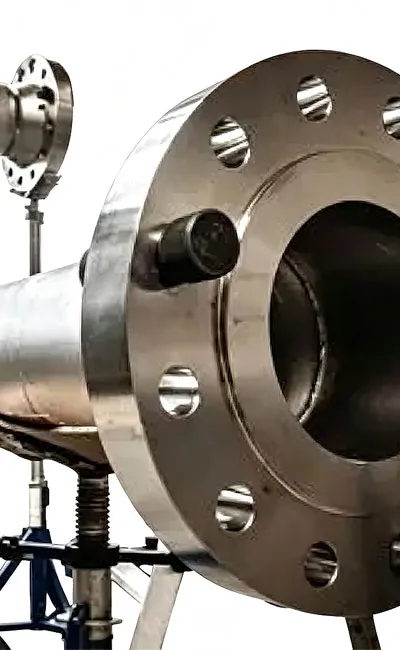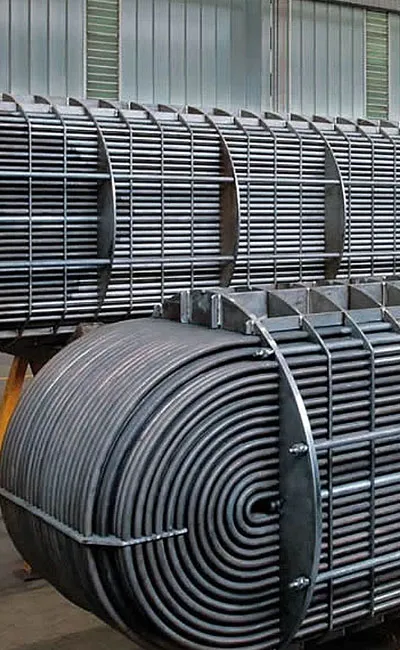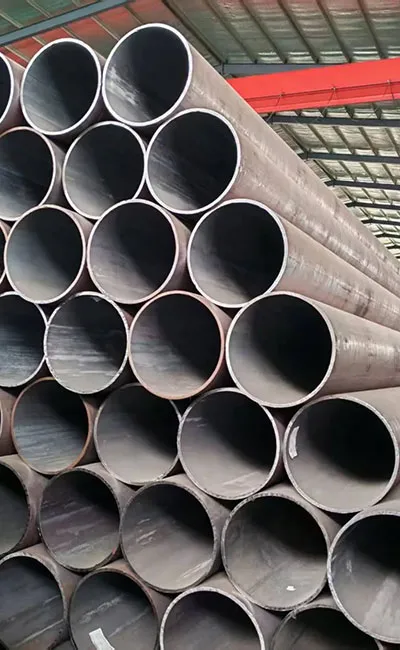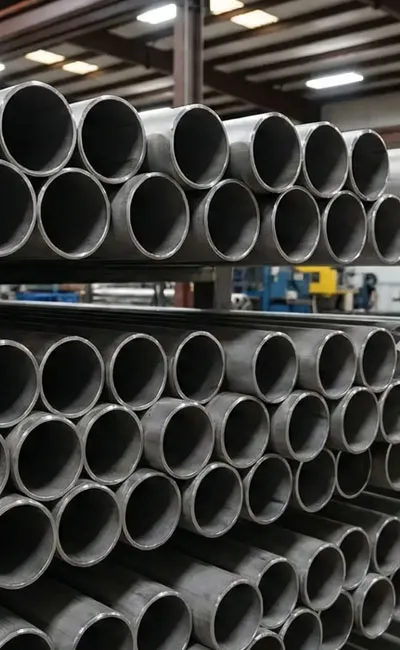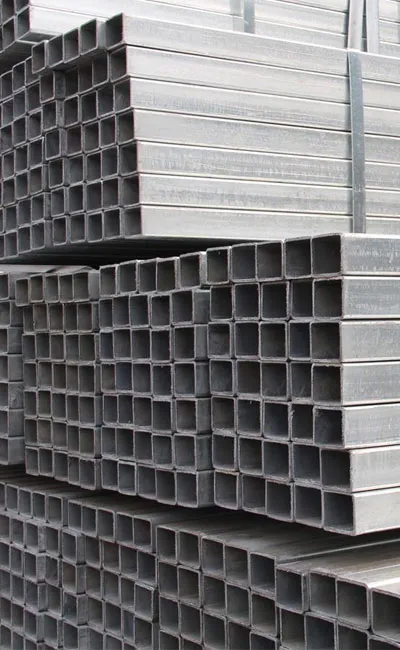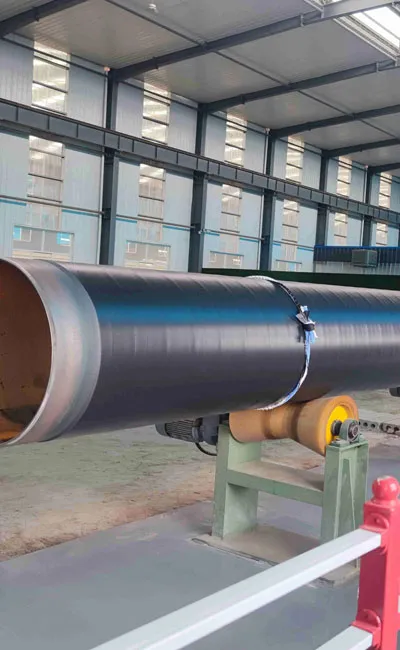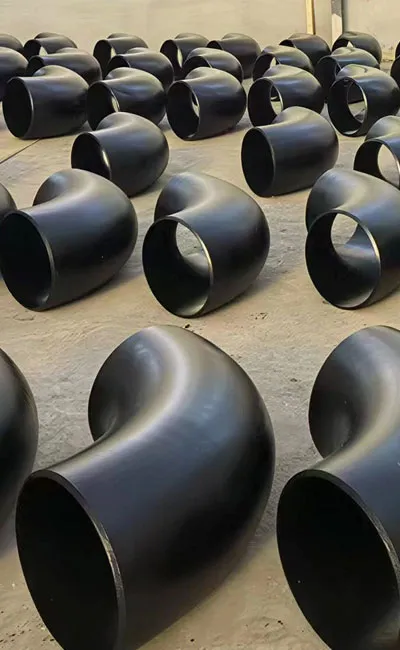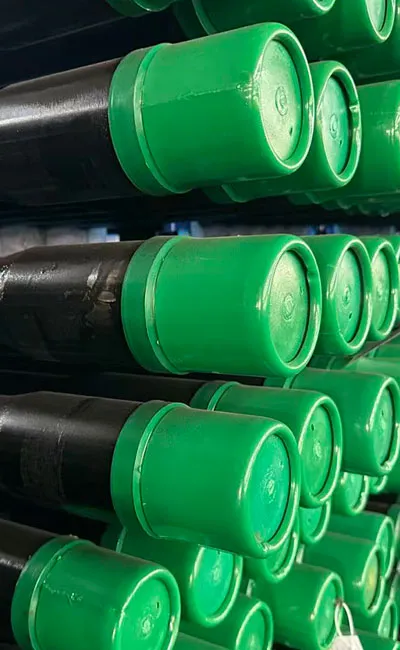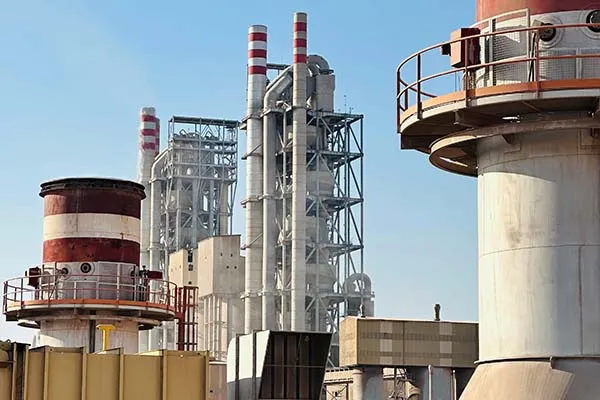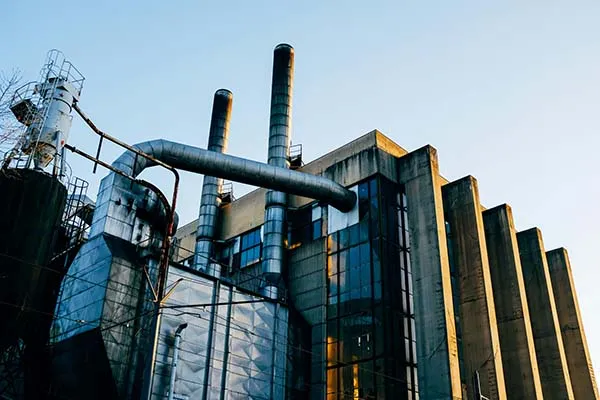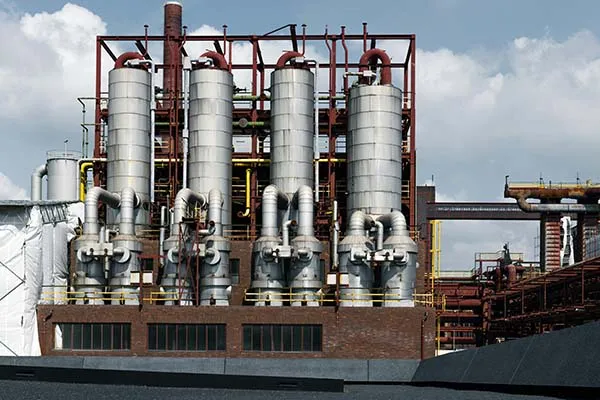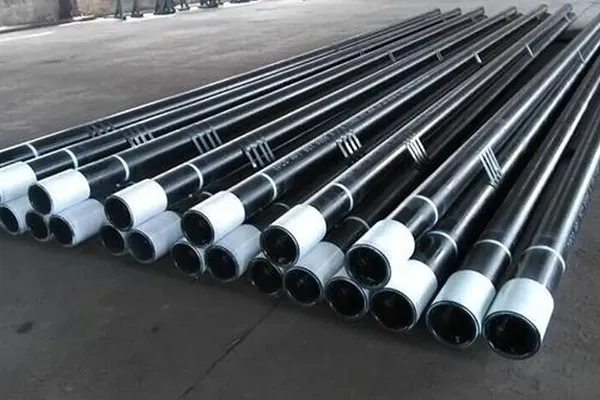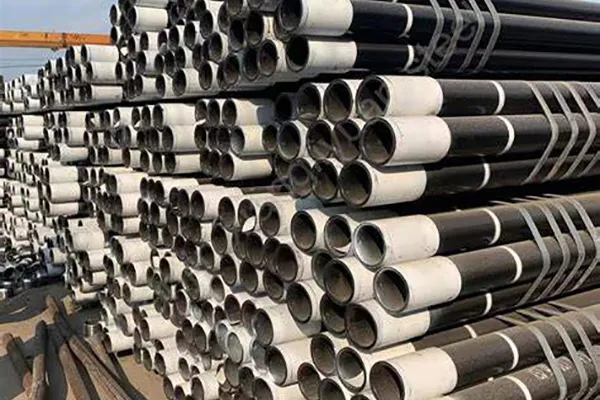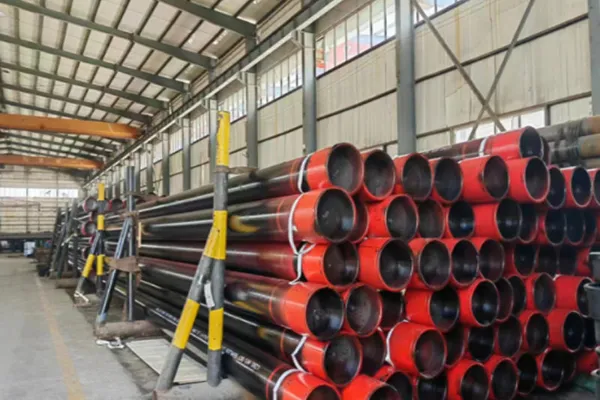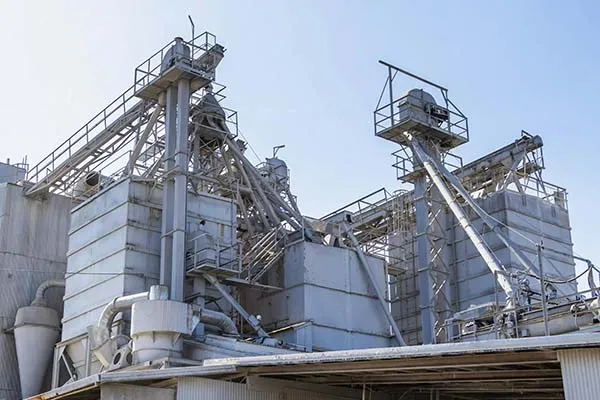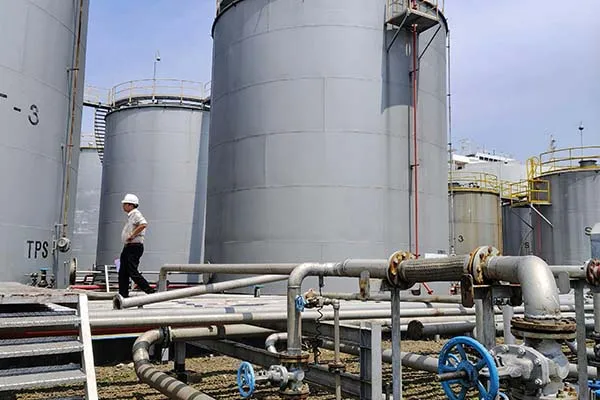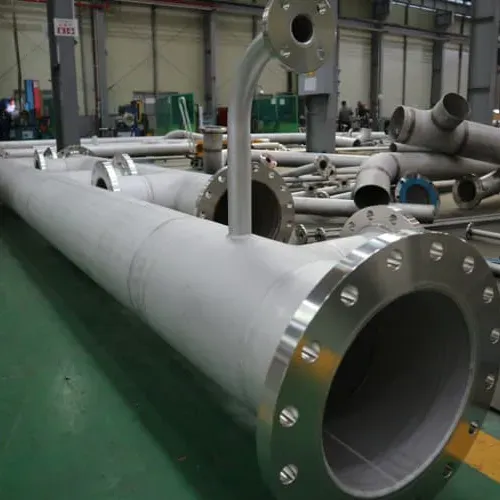

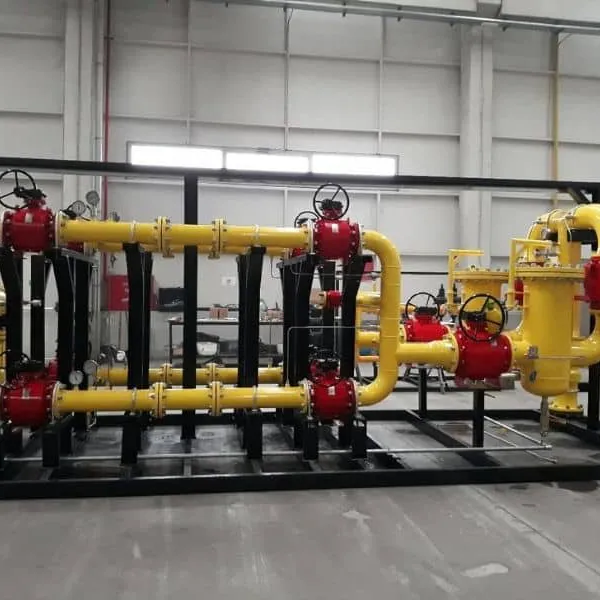
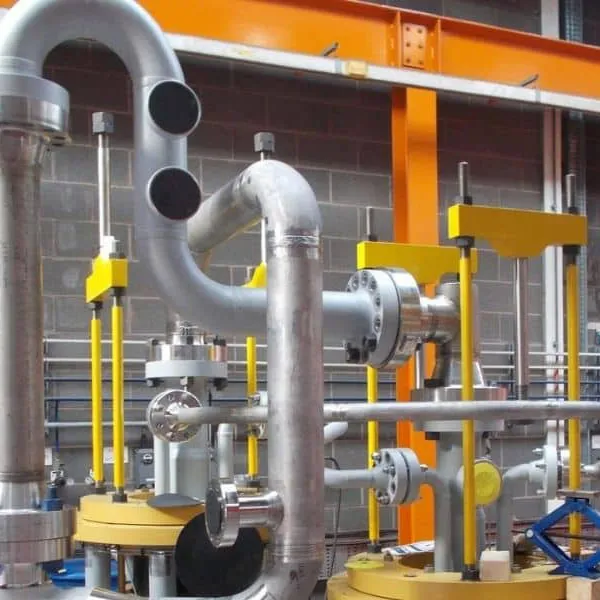
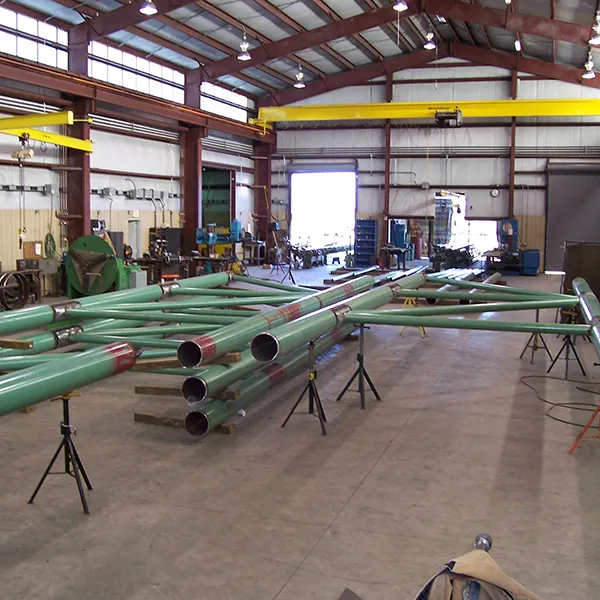
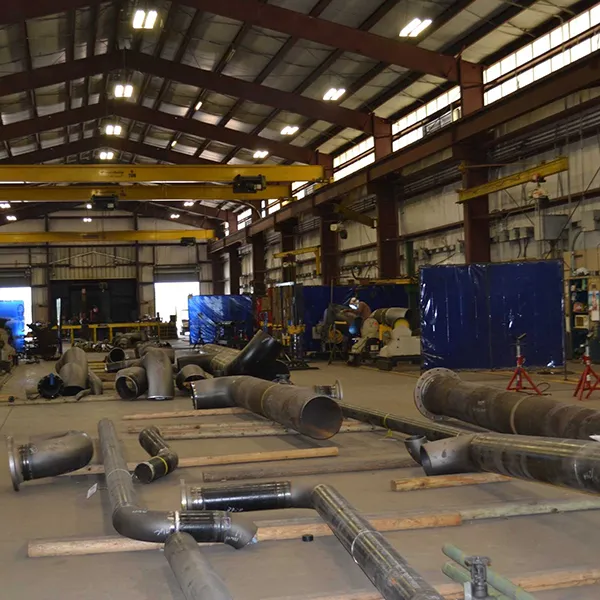
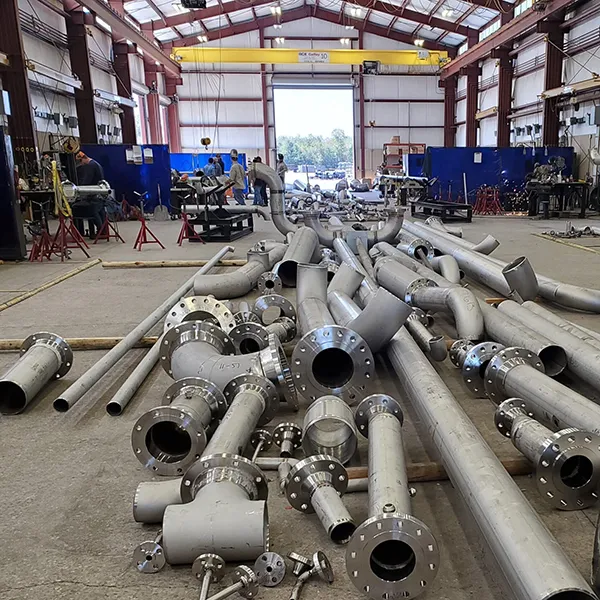
Pre-Fabricated Piping, often referred to as Industrial Piping or Process Piping, represents the circulatory system of modern manufacturing and processing facilities. Unlike standard plumbing, pre-fabricated piping systems are engineered to transport fluids, gases, slurries, and chemicals under specific conditions of high pressure, high temperature, or corrosive environments. Our pre-fabricated piping solutions encompass the entire lifecycle of the pipeline, from material selection and fabrication to installation and maintenance. We specialize in delivering robust piping networks that ensure operational safety, minimize downtime, and maximize flow efficiency.
Our piping systems are constructed from a variety of materials, including carbon steel, stainless steel, alloy steel, and specialized plastics, depending on the specific media being transported. Whether it is a complex network of steam lines in a power plant or sanitary tubing in a food processing facility, our engineering team ensures that every weld, flange, and support is designed to meet rigorous performance standards.
The most widely adopted code for pre-fabricated piping is ASME B31.3–Process Piping. This code applies to piping systems typically found in petroleum refineries; chemical, pharmaceutical, textile, paper, semiconductor, and cryogenic plants; and related processing plants and terminals. ASME B31.3 establishes mandatory requirements for materials, design, fabrication, assembly, erection, examination, inspection, and testing of piping systems that perform a process function transferring, reacting, or processing fluids as part of an industrial operation. The code applies to piping for all fluids, including raw, intermediate, and finished chemicals; petroleum products; gas, steam, air and water; fluidized solids; refrigerants; and cryogenic fluids.
Pre-Fabricated Piping is manufactured from a wide range of materials selected based on the specific service conditions. For general high-temperature service up to 400°C, ASTM A106 Grade B seamless carbon steel pipe is the standard choice. For high-temperature creep-resistant service in power boilers and refinery heaters, ASTM A335 chrome-moly alloy steel pipes (grades P11, P22, P91) are specified, with service temperatures ranging from 538°C to 650°C. For low-temperature service down to -46°C, ASTM A333 low-temperature carbon steel is used. For corrosive environments and high-purity applications, ASTM A312 austenitic stainless steel pipes (grades TP304/304L, TP316/316L) offer excellent corrosion resistance. Additional materials include duplex stainless steel, nickel alloys, FRP, and lined pipes.
Key Applications:
Oil & Gas Refineries: Transporting crude oil, natural gas, and refined petroleum products.
Petrochemical Plants: Handling volatile chemicals, acids, and solvents.
Power Generation: High-pressure steam lines, boiler feedwater, and cooling water systems.
Pharmaceutical & Food Processing: Hygienic and sanitary piping systems requiring high-purity finishes.
Water Treatment: Intake lines, distribution networks, and wastewater discharge.
HVAC & Utilities: Compressed air, heating, and cooling distribution within industrial facilities.
Pre-Fabricated Piping is manufactured and installed to precise dimensional, material, and pressure specifications. Below are detailed specification tables covering key parameters.
|
Parameter |
Range |
Tolerance / Notes |
|
Nominal Pipe Size (NPS) |
½″ – 72″ (DN15 – DN1800) |
Custom sizes available |
|
Pipe Wall Thickness (Schedule) |
Sch 5S, 10S, 40S, 80S, 120, 160, XXS |
Per ASME B36.10 / B36.19 |
|
Maximum Operating Pressure |
Up to 42 MPa (6,000 psi) – standard; up to 100+ MPa for special applications |
Per ASME B31.3 pressure class |
|
Maximum Operating Temperature |
Carbon steel: ~400°C; Alloy steel (Cr-Mo): 538–650°C; Stainless steel: up to 750°C |
Material-grade dependent |
|
Minimum Operating Temperature |
Carbon steel: -29°C; Low-temp carbon steel (A333): -46°C; Stainless steel: -196°C |
Impact testing required below -29°C |
|
Design Life |
20–30 years (typical industrial plant) |
With proper maintenance and corrosion allowance |
Pre-Fabricated Piping Material Specification Table
|
ASTM Standard |
Material Class |
Service Temperature |
Typical Applications |
Common Grades |
|
A106 |
Seamless carbon steel |
Up to 400°C |
General high-temperature process piping, steam lines |
Grade B, Grade C |
|
A333 |
Low-temperature carbon steel |
Down to -46°C |
Cryogenic service, low-temperature hydrocarbon lines |
Grade 6, Grade 3 |
|
A335 |
Seamless ferritic alloy steel (Cr-Mo) |
Up to 650°C |
High-temperature creep-resistant service (power boilers, refinery heaters) |
P11, P22, P91 |
|
A312 |
Seamless/welded austenitic stainless steel |
-196°C to 750°C |
Corrosive environments, high-purity applications, high-temperature service |
TP304/304L, TP316/316L, TP321, TP347 |
|
A53 |
Welded/seamless carbon steel |
Up to 260°C |
General low-pressure service, utility piping, firewater |
Grade A, Grade B |
|
A789 |
Seamless/welded duplex stainless steel |
-50°C to 315°C |
Offshore, marine, chloride-containing environments, chemical processing |
UNS S31803, S32205 |
|
API 5L |
Line pipe (seamless/welded) |
Up to 400°C |
Oil and gas transmission within refinery boundaries |
Gr.B, X42, X52, X60, X65, X70 |
Pre-Fabricated Piping Component Standards Table
|
Component |
Applicable Standard |
Key Features |
|
Butt-Weld Fittings (elbows, tees, reducers, caps) |
ASME B16.9 |
Sizes NPS ½″ – 48″; wall thickness schedules per ASME B36.10/B36.19 |
|
Forged Fittings (socket-weld, threaded) |
ASME B16.11 |
Sizes NPS ½″ – 4″; Classes 3000, 6000, 9000 |
|
Pipe Flanges |
ASME B16.5 (≤24″); ASME B16.47 (≥26″) |
Classes 150, 300, 600, 900, 1500, 2500; RF, FF, RTJ faces |
|
Gaskets |
ASME B16.20 / B16.21 |
Spiral wound, ring joint, non-metallic (PTFE, graphite) |
|
Stud Bolts & Nuts |
ASTM A193 / A194 |
Grade B7 (carbon steel) / 2H nuts; Grade B8M (stainless) / 8M nuts |
|
Valves (gate, globe, check, ball, butterfly) |
API 600, API 6D, ASME B16.34 |
Pressure classes 150–2500; various end connections |
|
Pipe Supports & Hangers |
MSS SP-58, MSS SP-69 |
Standard and custom designs for load distribution |
Design Parameters & Safety Factors
|
Parameter |
ASME B31.3 (Process) |
ASME B31.1 (Power) |
Notes |
|
Design factor (sustained) |
0.72 |
0.50 |
B31.1 is more conservative for power applications |
|
Allowable stress basis |
1/3 of tensile strength at temperature |
1/3.5 of tensile strength at temperature |
B31.3 allows higher stress levels |
|
Hydrostatic test pressure |
1.5 × design pressure |
1.5 × design pressure |
Minimum 600 psi for NPS ≤4″ |
|
NDE requirement (normal fluid service) |
Spot RT (5–10%) |
100% for certain classes |
B31.1 more stringent |
|
PWHT thickness threshold |
> 19 mm (carbon steel) |
> 12.5 mm (carbon steel) |
B31.1 triggers PWHT at lower thickness |
Pre-Fabricated Piping is designed, fabricated, and tested in compliance with a comprehensive range of international codes and standards. The tables below summarize the key applicable standards and requirements.
Primary Piping Codes for Pre-Fabricated Piping
|
Code / Standard |
Full Title |
Applicability |
Key Features |
|
ASME B31.3 |
Process Piping |
Most common code for chemical, petrochemical, refinery, pharmaceutical, semiconductor, textile, paper, and cryogenic plants |
Establishes mandatory requirements for materials, design, fabrication, assembly, erection, examination, inspection, and testing of piping systems that perform a process function- |
|
ASME B31.1 |
Power Piping |
For power generation plants, boiler external piping, district heating, and marine applications |
Prescribes minimum requirements for design, materials, fabrication, erection, test, and inspection of piping systems for industrial plants and marine applications- |
|
ASME B31.8 |
Gas Transmission and Distribution Piping |
For natural gas pipelines and related facilities |
Applies to gas transmission and distribution systems within facility boundaries |
|
ASME B31.9 |
Building Services Piping |
For HVAC, plumbing, and building mechanical systems |
Covers piping systems in commercial and industrial buildings |
|
EN 13480 (Parts 1–6) |
Metallic Industrial Piping |
European standard equivalent to ASME B31.3 |
CE marking under Pressure Equipment Directive (PED) 2014/68/EU; covers materials, design, fabrication, installation, and testing- |
|
API 5L |
Line Pipe |
For oil and gas transmission pipeline spools within refineries |
Covers seamless and welded steel line pipe for pipeline transportation systems |
|
EN 10216-2 / EN 10217 |
Seamless / Welded Steel Tubes for Pressure Purposes |
Base pipe materials for European projects |
Specifies technical delivery conditions for seamless and welded steel tubes |
International Standard Comparison Table
|
Parameter |
ASME B31.3 (Process) |
ASME B31.1 (Power) |
EN 13480 (Metallic Industrial Piping) |
|
Primary industries |
Refineries, chemical, pharma, semiconductor, paper |
Power plants, industrial boilers, district heating |
European industrial plants (PED-compliant) |
|
Design temperature range |
-196°C to 815°C (material dependent) |
Up to 1000°F (538°C) standard |
Material grade dependent |
|
Pressure classes |
Classes 150–2500 (ASME B16.5) |
Classes 150–4500 |
PN (Nominal Pressure) system |
|
Safety factor (tensile) |
3.0 |
3.5 |
2.4–3.0 (PED dependent) |
|
NDE requirements |
Spot RT (5–10%) for normal fluid; 100% for Category D |
100% RT for certain service conditions |
Varies by fluid category (PED Cat I–IV) |
|
PWHT requirements |
Thickness >19 mm (carbon steel) |
Thickness >12.5 mm (carbon steel) |
Thickness >16 mm (carbon steel) |
|
Documentation |
EN 10204 Type 3.1 or 3.2 MTC |
EN 10204 Type 3.1 or 3.2 MTC |
CE marking + PED conformity assessment |
ASTM vs EN Equivalent Material Comparison Table
|
Service Requirement |
ASTM Standard |
ASTM Grade |
EN Equivalent |
EN Grade |
|
High-temperature carbon steel |
A106 |
Grade B |
EN 10216-2 |
P235GH / P265GH |
|
Low-temperature carbon steel |
A333 |
Grade 6 |
EN 10216-4 |
P355NL1 / P355NL2 |
|
Alloy steel (1.25Cr-0.5Mo) |
A335 |
P11 |
EN 10216-2 |
13CrMo4-5 |
|
Alloy steel (2.25Cr-1Mo) |
A335 |
P22 |
EN 10216-2 |
10CrMo5-5 |
|
Stainless steel |
A312 |
TP304/304L |
EN 10216-5 |
1.4301 / 1.4307 |
|
Stainless steel (moly grade) |
A312 |
TP316/316L |
EN 10216-5 |
1.4401 / 1.4404 |
|
Duplex stainless steel |
A789 |
UNS S31803 |
EN 10216-5 |
1.4462 |
Certification: Pre-Fabricated piping systems can be supplied with EN 10204 Type 3.1 mill test certificates with full traceability to heat number, including chemical analysis, mechanical properties, NDE results, and dimensional inspection records. Type 3.2 certificates with third-party verification (SGS, BV, TÜV) are also available. For ASME Code compliance, U, S, or PP stamps can be provided when ordered with authorized ASME inspection.
The creation of a high-quality pre-fabricated piping system is a multi-stage engineering process that ensures integrity from the raw material to the final installation.
1. Engineering & Design: We utilize advanced CAD and 3D modeling software (such as PDMS or SP3D) to design the piping layout, ensuring optimal flow, stress analysis, and clash detection within the factory infrastructure.
2. Material Procurement: Raw materials (pipes, fittings, flanges) are sourced from certified mills and undergo incoming quality control (IQC) to verify chemical composition and mechanical properties.
3. Fabrication & Spooling: Pipes are cut, beveled, and fitted into "spools" (prefabricated sections) in a controlled workshop environment. This includes:
4. Cutting & Beveling: Precision plasma or machining for perfect weld prep.
5. Fit-up: Aligning pipes and fittings with precise gap tolerances.
6. Welding: Certified welders perform the joining using processes like GTAW (TIG), SMAW (Stick), or GMAW (MIG). Welding Procedure Specifications (WPS) are strictly followed.
7. Non-Destructive Examination (NDE): Welds are inspected using Radiographic Testing (RT), Ultrasonic Testing (UT), Magnetic Particle Testing (MT), or Dye Penetrant Testing (PT) to detect internal or surface defects.
8. Surface Treatment: The piping undergoes sandblasting and coating (epoxy, FBE, or paint) or galvanization to prevent corrosion.
Hydrostatic Testing: Before shipment, spools are pressurized with water to 1.5 times the design pressure to ensure leak-tightnessTransporting pre-fabricated piping components and spools requires careful planning to prevent deformation, coating damage, or corrosion during transit.
Packing Protocols:
Spool Protection: Large fabricated spools are loaded onto steel pallets or wooden crates. Critical areas (like flange faces) are protected with wooden or plastic covers to prevent damage during handling.
Loose Pipe Bundling: Straight pipes are bundled with steel straps. To prevent damage to the coating, nylon or rubber padding is often placed between the strap and the pipe.
End Capping: All pipe ends and open flanges are capped with plastic or metal protectors to keep debris, moisture, and pests out of the system.
Climate Control: For stainless steel or specialized alloy piping, desiccants (silica gel) and VCI (Vapor Corrosion Inhibitor) paper are used inside the packaging to prevent oxidation.
Shipping Containers: Smaller components (fittings, bolts, gaskets) are packed in plywood cases or corrugated cartons.
Labeling: Every package is clearly marked with the project tag number, line number, and weight to facilitate easy identification and installation at the job site.
A: Factory piping (industrial process piping) is designed for high-pressure, high-temperature, and/or corrosive service in manufacturing facilities such as refineries, chemical plants, and power stations. It must comply with stringent codes like ASME B31.3 or ASME B31.1, which govern materials, design, fabrication, NDE, and testing. Commercial plumbing is intended for building services such as water supply, drainage, and natural gas distribution in residential or commercial buildings, governed by plumbing codes with less stringent requirements. Factory piping handles process chemicals, high-pressure steam, and hydrocarbons; commercial plumbing handles potable water, sanitary waste, and low-pressure natural gas.
A: The most widely adopted code is ASME B31.3 – Process Piping. This code applies to piping systems typically found in petroleum refineries; chemical, pharmaceutical, textile, paper, semiconductor, and cryogenic plants; and related processing plants and terminals. ASME B31.3 establishes mandatory requirements for materials, design, fabrication, assembly, erection, examination, inspection, and testing of piping systems that perform a process function transferring, reacting, or processing fluids. For power generation plants, ASME B31.1 – Power Piping is the governing code.
A: Material selection depends on service conditions. Carbon steel (ASTM A106 Grade B) is the standard for general high-temperature service up to 400°C. Low-temperature carbon steel (ASTM A333 Grade 6) is used for service down to -46°C. Alloy steel chrome-moly (ASTM A335 P11, P22, P91) is specified for high-temperature creep-resistant service in power boilers and refinery heaters up to 650°C. Austenitic stainless steel (ASTM A312 TP304/316L) is used for corrosive environments, high-purity applications, and high-temperature service up to 750°C. Additional materials include duplex stainless steel, nickel alloys, and lined pipes.
A: EN 10204 Type 3.1 mill test certificates (MTC) with full traceability to heat number, including chemical analysis, mechanical properties, NDE results, and dimensional inspection records. Type 3.2 certificates with third-party verification (SGS, BV, TÜV, Lloyds) are also available. For ASME Code compliance, U, S, or PP stamps can be provided when ordered with authorized ASME inspection. For European markets, PED 2014/68/EU certification and CE marking are available. Additional documentation includes welding procedure qualification records (WPQR), welder performance qualifications (WPQ), NDE reports, and hydrostatic test certificates.
Pre-Fabricated Piping is manufactured and installed to precise dimensional, material, and pressure specifications. Below are detailed specification tables covering key parameters.
|
Parameter |
Range |
Tolerance / Notes |
|
Nominal Pipe Size (NPS) |
½″ – 72″ (DN15 – DN1800) |
Custom sizes available |
|
Pipe Wall Thickness (Schedule) |
Sch 5S, 10S, 40S, 80S, 120, 160, XXS |
Per ASME B36.10 / B36.19 |
|
Maximum Operating Pressure |
Up to 42 MPa (6,000 psi) – standard; up to 100+ MPa for special applications |
Per ASME B31.3 pressure class |
|
Maximum Operating Temperature |
Carbon steel: ~400°C; Alloy steel (Cr-Mo): 538–650°C; Stainless steel: up to 750°C |
Material-grade dependent |
|
Minimum Operating Temperature |
Carbon steel: -29°C; Low-temp carbon steel (A333): -46°C; Stainless steel: -196°C |
Impact testing required below -29°C |
|
Design Life |
20–30 years (typical industrial plant) |
With proper maintenance and corrosion allowance |
Pre-Fabricated Piping Material Specification Table
|
ASTM Standard |
Material Class |
Service Temperature |
Typical Applications |
Common Grades |
|
A106 |
Seamless carbon steel |
Up to 400°C |
General high-temperature process piping, steam lines |
Grade B, Grade C |
|
A333 |
Low-temperature carbon steel |
Down to -46°C |
Cryogenic service, low-temperature hydrocarbon lines |
Grade 6, Grade 3 |
|
A335 |
Seamless ferritic alloy steel (Cr-Mo) |
Up to 650°C |
High-temperature creep-resistant service (power boilers, refinery heaters) |
P11, P22, P91 |
|
A312 |
Seamless/welded austenitic stainless steel |
-196°C to 750°C |
Corrosive environments, high-purity applications, high-temperature service |
TP304/304L, TP316/316L, TP321, TP347 |
|
A53 |
Welded/seamless carbon steel |
Up to 260°C |
General low-pressure service, utility piping, firewater |
Grade A, Grade B |
|
A789 |
Seamless/welded duplex stainless steel |
-50°C to 315°C |
Offshore, marine, chloride-containing environments, chemical processing |
UNS S31803, S32205 |
|
API 5L |
Line pipe (seamless/welded) |
Up to 400°C |
Oil and gas transmission within refinery boundaries |
Gr.B, X42, X52, X60, X65, X70 |
Pre-Fabricated Piping Component Standards Table
|
Component |
Applicable Standard |
Key Features |
|
Butt-Weld Fittings (elbows, tees, reducers, caps) |
ASME B16.9 |
Sizes NPS ½″ – 48″; wall thickness schedules per ASME B36.10/B36.19 |
|
Forged Fittings (socket-weld, threaded) |
ASME B16.11 |
Sizes NPS ½″ – 4″; Classes 3000, 6000, 9000 |
|
Pipe Flanges |
ASME B16.5 (≤24″); ASME B16.47 (≥26″) |
Classes 150, 300, 600, 900, 1500, 2500; RF, FF, RTJ faces |
|
Gaskets |
ASME B16.20 / B16.21 |
Spiral wound, ring joint, non-metallic (PTFE, graphite) |
|
Stud Bolts & Nuts |
ASTM A193 / A194 |
Grade B7 (carbon steel) / 2H nuts; Grade B8M (stainless) / 8M nuts |
|
Valves (gate, globe, check, ball, butterfly) |
API 600, API 6D, ASME B16.34 |
Pressure classes 150–2500; various end connections |
|
Pipe Supports & Hangers |
MSS SP-58, MSS SP-69 |
Standard and custom designs for load distribution |
Design Parameters & Safety Factors
|
Parameter |
ASME B31.3 (Process) |
ASME B31.1 (Power) |
Notes |
|
Design factor (sustained) |
0.72 |
0.50 |
B31.1 is more conservative for power applications |
|
Allowable stress basis |
1/3 of tensile strength at temperature |
1/3.5 of tensile strength at temperature |
B31.3 allows higher stress levels |
|
Hydrostatic test pressure |
1.5 × design pressure |
1.5 × design pressure |
Minimum 600 psi for NPS ≤4″ |
|
NDE requirement (normal fluid service) |
Spot RT (5–10%) |
100% for certain classes |
B31.1 more stringent |
|
PWHT thickness threshold |
> 19 mm (carbon steel) |
> 12.5 mm (carbon steel) |
B31.1 triggers PWHT at lower thickness |
Pre-Fabricated Piping is designed, fabricated, and tested in compliance with a comprehensive range of international codes and standards. The tables below summarize the key applicable standards and requirements.
Primary Piping Codes for Pre-Fabricated Piping
|
Code / Standard |
Full Title |
Applicability |
Key Features |
|
ASME B31.3 |
Process Piping |
Most common code for chemical, petrochemical, refinery, pharmaceutical, semiconductor, textile, paper, and cryogenic plants |
Establishes mandatory requirements for materials, design, fabrication, assembly, erection, examination, inspection, and testing of piping systems that perform a process function- |
|
ASME B31.1 |
Power Piping |
For power generation plants, boiler external piping, district heating, and marine applications |
Prescribes minimum requirements for design, materials, fabrication, erection, test, and inspection of piping systems for industrial plants and marine applications- |
|
ASME B31.8 |
Gas Transmission and Distribution Piping |
For natural gas pipelines and related facilities |
Applies to gas transmission and distribution systems within facility boundaries |
|
ASME B31.9 |
Building Services Piping |
For HVAC, plumbing, and building mechanical systems |
Covers piping systems in commercial and industrial buildings |
|
EN 13480 (Parts 1–6) |
Metallic Industrial Piping |
European standard equivalent to ASME B31.3 |
CE marking under Pressure Equipment Directive (PED) 2014/68/EU; covers materials, design, fabrication, installation, and testing- |
|
API 5L |
Line Pipe |
For oil and gas transmission pipeline spools within refineries |
Covers seamless and welded steel line pipe for pipeline transportation systems |
|
EN 10216-2 / EN 10217 |
Seamless / Welded Steel Tubes for Pressure Purposes |
Base pipe materials for European projects |
Specifies technical delivery conditions for seamless and welded steel tubes |
International Standard Comparison Table
|
Parameter |
ASME B31.3 (Process) |
ASME B31.1 (Power) |
EN 13480 (Metallic Industrial Piping) |
|
Primary industries |
Refineries, chemical, pharma, semiconductor, paper |
Power plants, industrial boilers, district heating |
European industrial plants (PED-compliant) |
|
Design temperature range |
-196°C to 815°C (material dependent) |
Up to 1000°F (538°C) standard |
Material grade dependent |
|
Pressure classes |
Classes 150–2500 (ASME B16.5) |
Classes 150–4500 |
PN (Nominal Pressure) system |
|
Safety factor (tensile) |
3.0 |
3.5 |
2.4–3.0 (PED dependent) |
|
NDE requirements |
Spot RT (5–10%) for normal fluid; 100% for Category D |
100% RT for certain service conditions |
Varies by fluid category (PED Cat I–IV) |
|
PWHT requirements |
Thickness >19 mm (carbon steel) |
Thickness >12.5 mm (carbon steel) |
Thickness >16 mm (carbon steel) |
|
Documentation |
EN 10204 Type 3.1 or 3.2 MTC |
EN 10204 Type 3.1 or 3.2 MTC |
CE marking + PED conformity assessment |
ASTM vs EN Equivalent Material Comparison Table
|
Service Requirement |
ASTM Standard |
ASTM Grade |
EN Equivalent |
EN Grade |
|
High-temperature carbon steel |
A106 |
Grade B |
EN 10216-2 |
P235GH / P265GH |
|
Low-temperature carbon steel |
A333 |
Grade 6 |
EN 10216-4 |
P355NL1 / P355NL2 |
|
Alloy steel (1.25Cr-0.5Mo) |
A335 |
P11 |
EN 10216-2 |
13CrMo4-5 |
|
Alloy steel (2.25Cr-1Mo) |
A335 |
P22 |
EN 10216-2 |
10CrMo5-5 |
|
Stainless steel |
A312 |
TP304/304L |
EN 10216-5 |
1.4301 / 1.4307 |
|
Stainless steel (moly grade) |
A312 |
TP316/316L |
EN 10216-5 |
1.4401 / 1.4404 |
|
Duplex stainless steel |
A789 |
UNS S31803 |
EN 10216-5 |
1.4462 |
Certification: Pre-Fabricated piping systems can be supplied with EN 10204 Type 3.1 mill test certificates with full traceability to heat number, including chemical analysis, mechanical properties, NDE results, and dimensional inspection records. Type 3.2 certificates with third-party verification (SGS, BV, TÜV) are also available. For ASME Code compliance, U, S, or PP stamps can be provided when ordered with authorized ASME inspection.
The creation of a high-quality pre-fabricated piping system is a multi-stage engineering process that ensures integrity from the raw material to the final installation.
1. Engineering & Design: We utilize advanced CAD and 3D modeling software (such as PDMS or SP3D) to design the piping layout, ensuring optimal flow, stress analysis, and clash detection within the factory infrastructure.
2. Material Procurement: Raw materials (pipes, fittings, flanges) are sourced from certified mills and undergo incoming quality control (IQC) to verify chemical composition and mechanical properties.
3. Fabrication & Spooling: Pipes are cut, beveled, and fitted into "spools" (prefabricated sections) in a controlled workshop environment. This includes:
4. Cutting & Beveling: Precision plasma or machining for perfect weld prep.
5. Fit-up: Aligning pipes and fittings with precise gap tolerances.
6. Welding: Certified welders perform the joining using processes like GTAW (TIG), SMAW (Stick), or GMAW (MIG). Welding Procedure Specifications (WPS) are strictly followed.
7. Non-Destructive Examination (NDE): Welds are inspected using Radiographic Testing (RT), Ultrasonic Testing (UT), Magnetic Particle Testing (MT), or Dye Penetrant Testing (PT) to detect internal or surface defects.
8. Surface Treatment: The piping undergoes sandblasting and coating (epoxy, FBE, or paint) or galvanization to prevent corrosion.
Hydrostatic Testing: Before shipment, spools are pressurized with water to 1.5 times the design pressure to ensure leak-tightnessTransporting pre-fabricated piping components and spools requires careful planning to prevent deformation, coating damage, or corrosion during transit.
Packing Protocols:
Spool Protection: Large fabricated spools are loaded onto steel pallets or wooden crates. Critical areas (like flange faces) are protected with wooden or plastic covers to prevent damage during handling.
Loose Pipe Bundling: Straight pipes are bundled with steel straps. To prevent damage to the coating, nylon or rubber padding is often placed between the strap and the pipe.
End Capping: All pipe ends and open flanges are capped with plastic or metal protectors to keep debris, moisture, and pests out of the system.
Climate Control: For stainless steel or specialized alloy piping, desiccants (silica gel) and VCI (Vapor Corrosion Inhibitor) paper are used inside the packaging to prevent oxidation.
Shipping Containers: Smaller components (fittings, bolts, gaskets) are packed in plywood cases or corrugated cartons.
Labeling: Every package is clearly marked with the project tag number, line number, and weight to facilitate easy identification and installation at the job site.
A: Factory piping (industrial process piping) is designed for high-pressure, high-temperature, and/or corrosive service in manufacturing facilities such as refineries, chemical plants, and power stations. It must comply with stringent codes like ASME B31.3 or ASME B31.1, which govern materials, design, fabrication, NDE, and testing. Commercial plumbing is intended for building services such as water supply, drainage, and natural gas distribution in residential or commercial buildings, governed by plumbing codes with less stringent requirements. Factory piping handles process chemicals, high-pressure steam, and hydrocarbons; commercial plumbing handles potable water, sanitary waste, and low-pressure natural gas.
A: The most widely adopted code is ASME B31.3 – Process Piping. This code applies to piping systems typically found in petroleum refineries; chemical, pharmaceutical, textile, paper, semiconductor, and cryogenic plants; and related processing plants and terminals. ASME B31.3 establishes mandatory requirements for materials, design, fabrication, assembly, erection, examination, inspection, and testing of piping systems that perform a process function transferring, reacting, or processing fluids. For power generation plants, ASME B31.1 – Power Piping is the governing code.
A: Material selection depends on service conditions. Carbon steel (ASTM A106 Grade B) is the standard for general high-temperature service up to 400°C. Low-temperature carbon steel (ASTM A333 Grade 6) is used for service down to -46°C. Alloy steel chrome-moly (ASTM A335 P11, P22, P91) is specified for high-temperature creep-resistant service in power boilers and refinery heaters up to 650°C. Austenitic stainless steel (ASTM A312 TP304/316L) is used for corrosive environments, high-purity applications, and high-temperature service up to 750°C. Additional materials include duplex stainless steel, nickel alloys, and lined pipes.
A: EN 10204 Type 3.1 mill test certificates (MTC) with full traceability to heat number, including chemical analysis, mechanical properties, NDE results, and dimensional inspection records. Type 3.2 certificates with third-party verification (SGS, BV, TÜV, Lloyds) are also available. For ASME Code compliance, U, S, or PP stamps can be provided when ordered with authorized ASME inspection. For European markets, PED 2014/68/EU certification and CE marking are available. Additional documentation includes welding procedure qualification records (WPQR), welder performance qualifications (WPQ), NDE reports, and hydrostatic test certificates.








 English
 Español
 русский язык
 Português