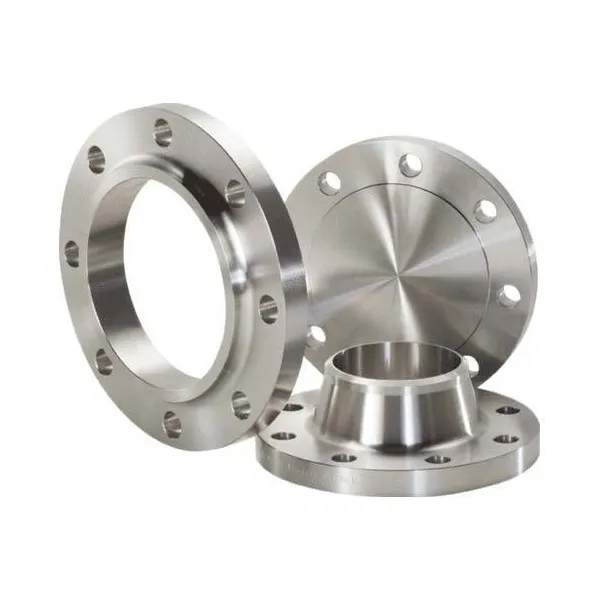
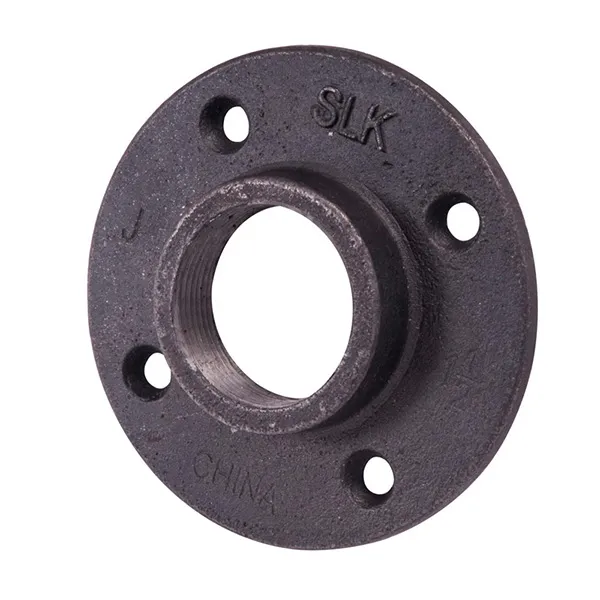
Flanges

Hunan Great Steel Pipe Co., Ltd
steel flange,weld neck flange,blind flange,slip on flange,carbon steel flange,stainless steel flange,ASME B16,5 flange,ANSI 150LB flange,lap joint flange,socket weld flange,threaded flange,RF flange,RTJ flange,forged flange

Flanges

Flange
Flange
Flange
Flange
Flange

Keywords: Welding Neck Flange,Blind Flange,Socket Weld Flange.Lapped Joint Flange,Slip-on Flange,Plate Flange

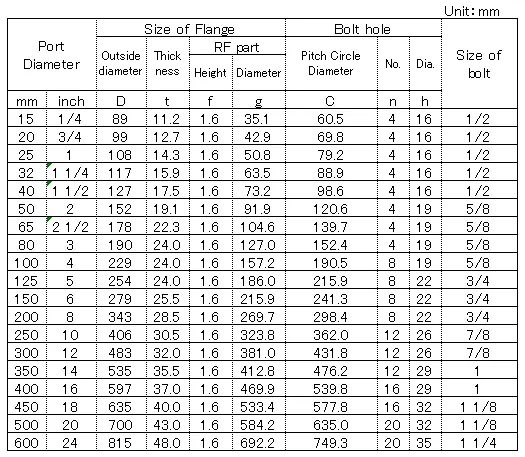
Size:  NPS from 1/2'' to 24'', CLASS from 150 to 2500

Standard: ANSI/ASME B 16.5, DIN, JIS, AWWA, API, ISO etc

Material: 

Carbon Steel --- ASTM A105,ASTM A350 LF1,LF2,LF3,A36,ASTM A234 WPB;

Stainless Steel --- ASTM A403 F304/304L, 316/316L,316Ti,321,317L,310S;Alloy Steel --- ASTM A234 WP1/5/9/11/12/22/91

Ends: Square Ends/Plain Ends (Straight Cut, Saw Cut, Torch Cut), Beveled/Threaded Ends

Delivery : Within 30 Days and Depends on Your Order Quantity

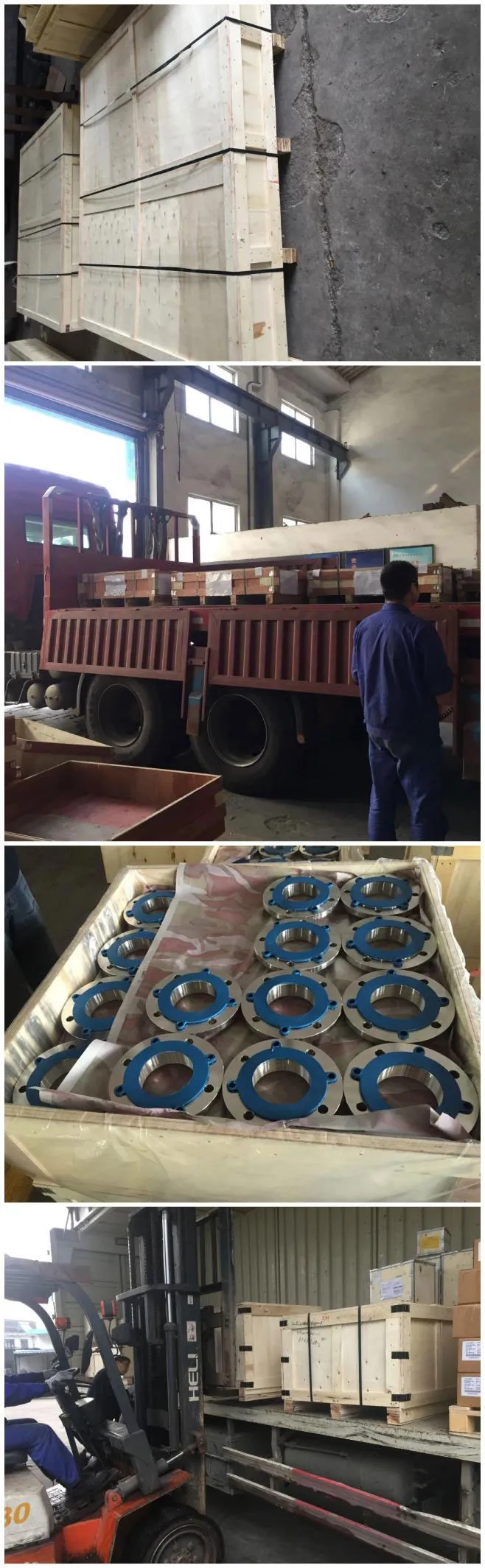
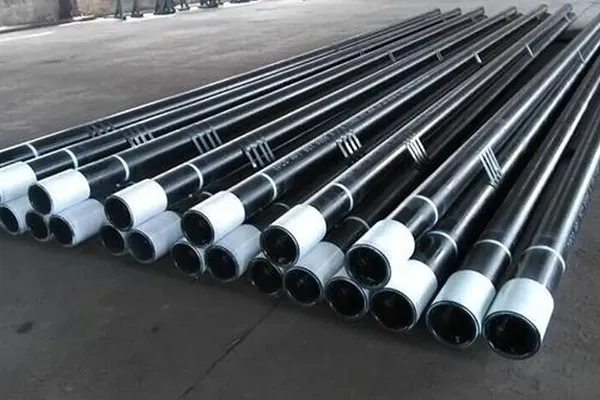
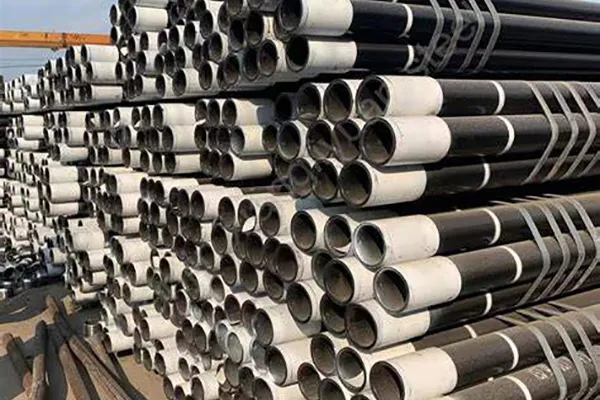
Packing: Packed in Wood Cabins/Wood Tray

Usage: For Conveying Gas, Water and Oil Either in the Oil or Natural Gas Industriei

Perhaps you would like to contact us via email. Please click on the link below to send us an emailinfo@hnssd.com

    Leave Your Requirement Information

  • close
  • Product Detail
  • Specification
  • Standard
  • Painting & Coating
  • Packing & Loading
  • FAQ

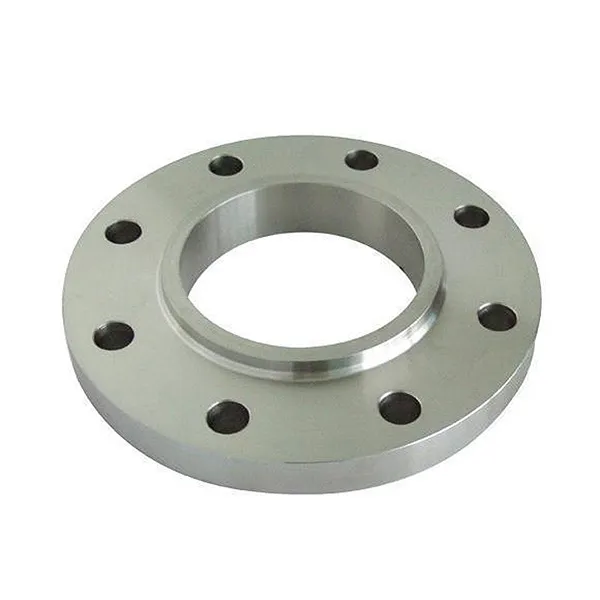
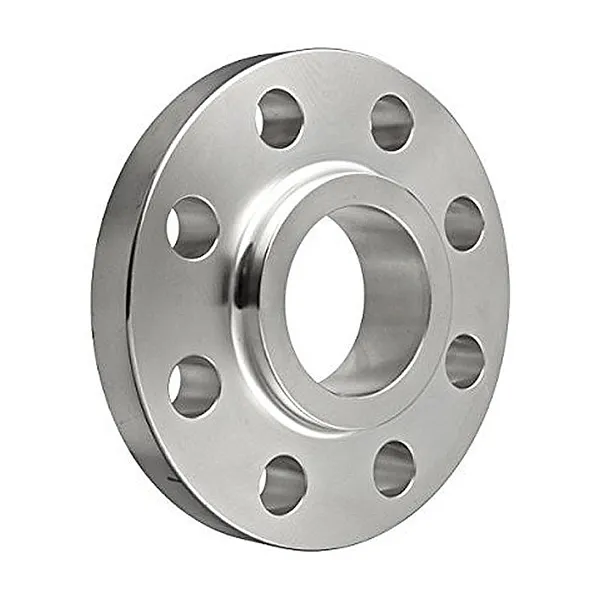
1. Slip-on pipe flanges 
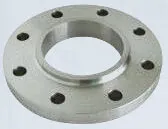
Flanges-01

Slip-on pipe flanges actually slip over the pipe.  These pipe flanges are typically machined with an inside diameter of the pipe flange slightly larger than the outside diameter of the pipe.  This allows the flange to slide over the pipe but to still have a somewhat snug fit.  Slip-on pipe flanges are secured to the pipe with a fillet weld at the top and the bottom of the slip-on pipe flanges.   These pipe flanges are also further categorized as a ring or a hub


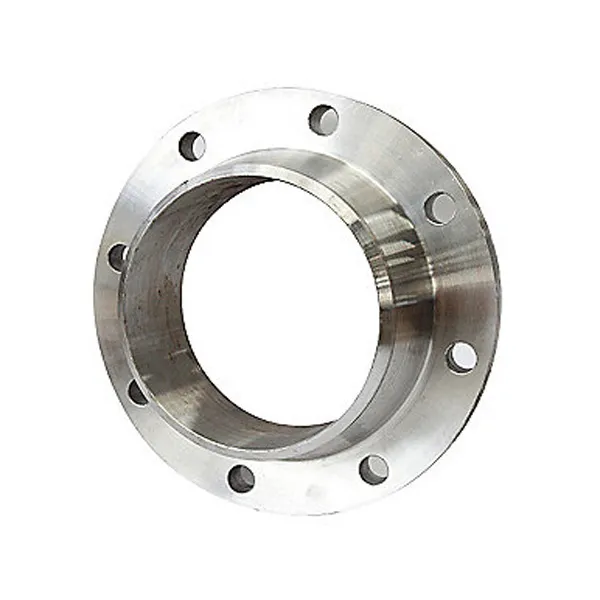
2. Weld neck pipe flanges
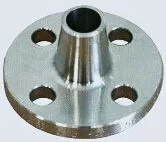
Flanges-02

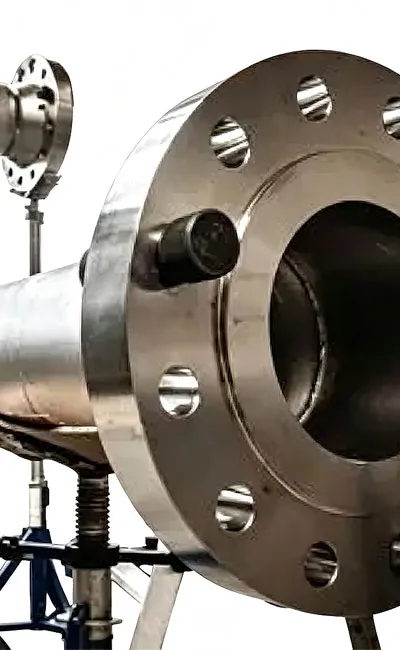
Weld neck pipe flanges attach to the pipe by welding the pipe to the neck of the pipe flange.  The allows for the transfer of stress from the weld neck pipe flanges to the pipe itself.  This also reduces high stress concentration at the base of the hub of the weld neck pipe flanges.  Weld neck pipe flanges are often used for high pressure applications.  The inside diameter of a weld neck pipe flange is machined to match the inside diameter of the pipe.


3. Blind pipe flanges
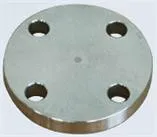
Flanges-03

Blind pipe flanges are pipe flanges used to seal the end of a piping system or pressure vessel openings to prevent flow.  Blind pipe flanges are commonly used for pressure testing the flow of liquid or gas through a pipe or vessel.  Blind pipe flanges also allow easy access to the pipe in the event that work must be done inside the line.  Blind pipe flanges are often used for high pressure applications.  Slip on Pipe flanges with a hub have published specifications that range from 1/2" thru 96".


4. Threaded pipe flanges
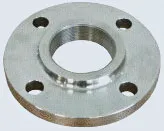
Flanges-04

Threaded pipe flanges are similar to slip-on pipe flanges except the bore of threaded pipe flange has tapered threads.  Threaded pipe flanges are used with pipes that have external threads.  The benefit of these pipe flanges is that it can be attached without welding.  Threaded pipe flanges are often used for small diameter, high pressure requirements.  Slip on Pipe flanges with a hub have published specifications that range from 1/2" thru 24".


5. Socket-weld pipe flanges
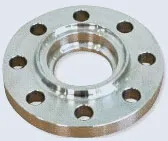
Flanges-05

Socket-weld pipe flanges are typically used on smaller sizes of high pressure pipes.  These pipe flanges are attached by inserting the pipe into the socket end and applying fillet weld around the top.  This allows for a smooth bore and better flow of the fluid or gas inside of the pipe.   Slip on Pipe flanges with a hub have published specifications that range from 1/2" thru 24".
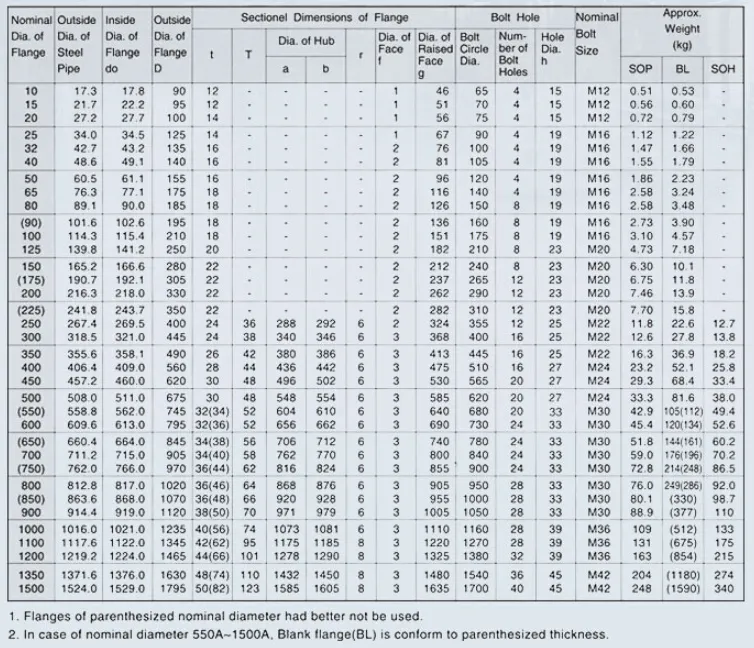
Flanges-06

Flanges-07

Flanges-08

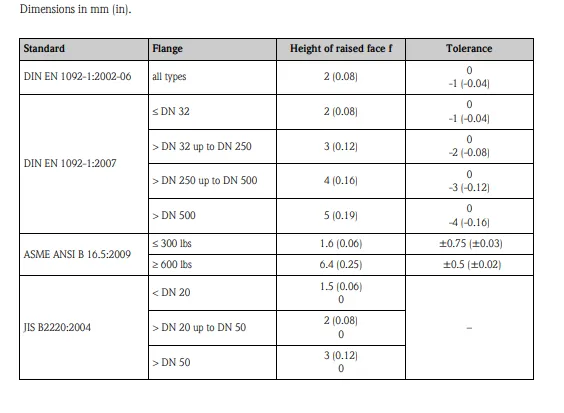
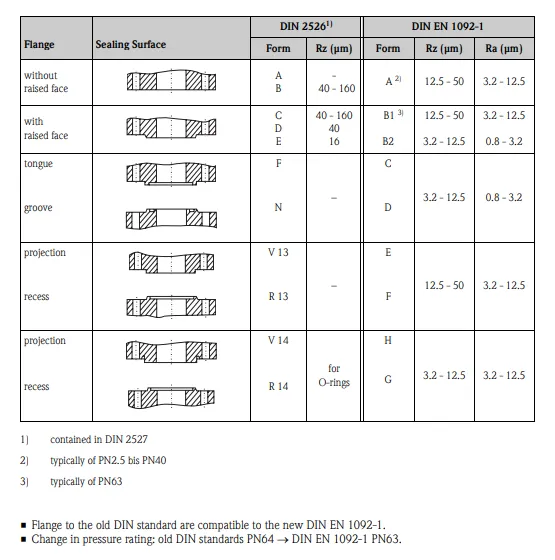
Endress+Hauser usually delivers only flanges with flat face. This type of flange has hardly changed. Thus, a

comparison is done only for this sealing surfaces. Due to the change of the designation of the sealing surface

mistakes may occur occasionally. The roughness (Rz) of the old raised face form C and the new one B1 have

an overlapping between 40 to 50 μm. In this roughness window both standards are fulfilled.

Therefore, at Endress+Hauser the flanges are specified according to both flange standards. This double marking

makes it clear that both standards are met.
Flanges-09

Flanges-10

 Flanges-11

Light Oiling/Black Painting

What types of Steel Pipe Fittings do you supply?

We supply a comprehensive range of steel pipe fittings designed to connect, control, change direction, or branch off piping systems. Our main product categories include:
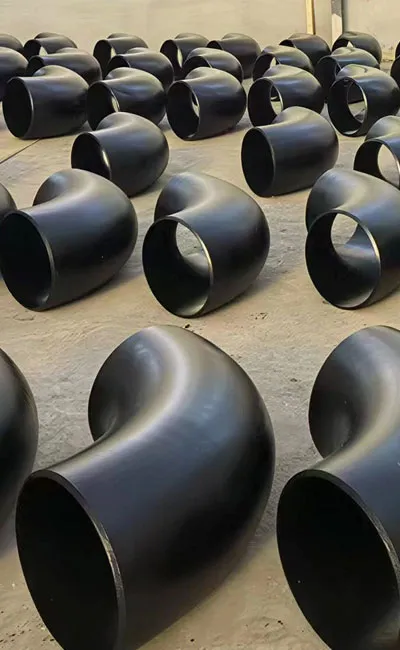
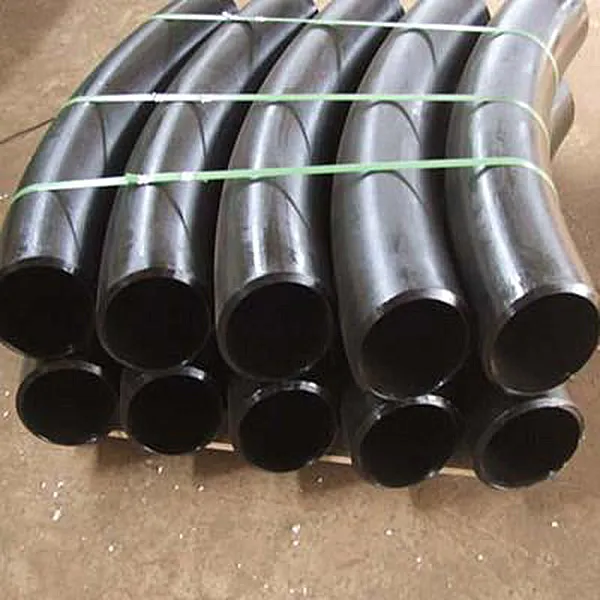
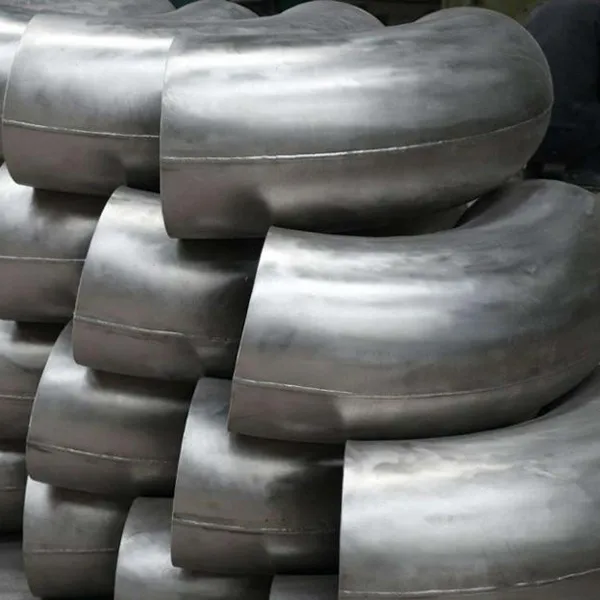
Elbows (90°, 45°, 180°): Used to change the direction of the pipe flow.
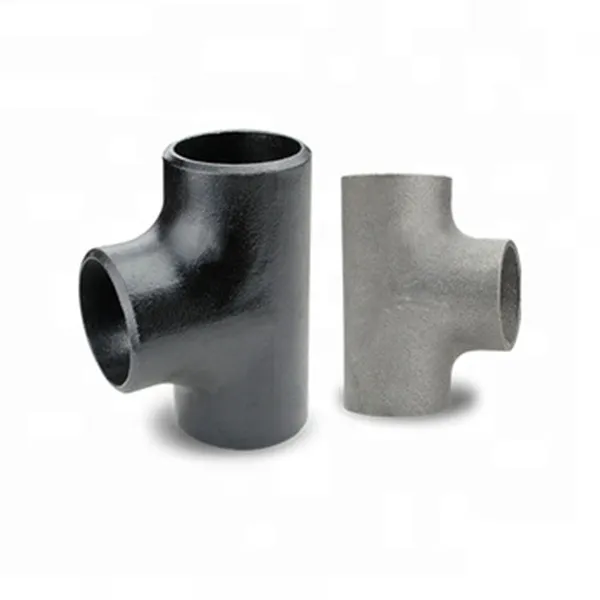
Tees (Equal, Reducing): Used to combine or split fluid flow.
Reducers (Concentric, Eccentric): Used to connect pipes of different diameters.
Caps: Used to seal the end of a pipe.
Couplings & Unions: Used to connect two pipes in a straight line.
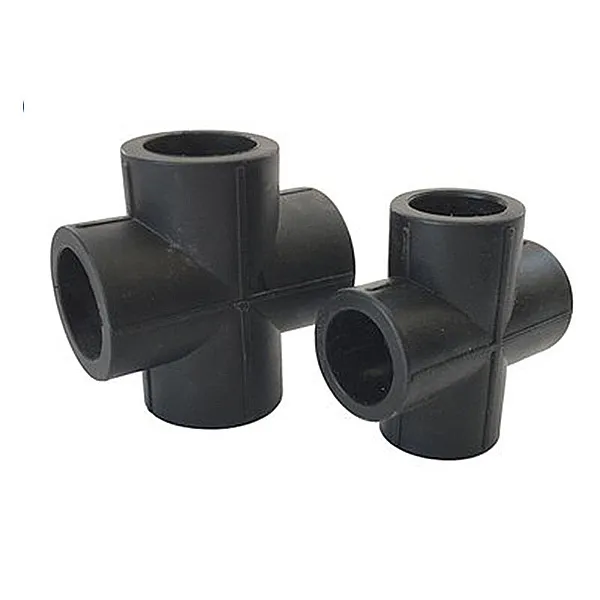
Crosses: Four-way fittings used in fire sprinkler systems and other specific applications.
We manufacture these fittings in various materials including Carbon Steel, Stainless Steel (304/316), and Alloy Steel.

What standards and specifications do your fittings meet?

Our steel pipe fittings are manufactured in strict compliance with international standards to ensure compatibility and safety in global projects. Key standards include:
ASME/ANSI B16.9: Factory-made wrought buttwelding fittings.
ASME/ANSI B16.11: Forged fittings, socket-welding, and threaded.
MSS SP-75: Specification for high-test, wrought, buttwelding fittings.
DIN / EN: European standard fittings (e.g., DIN 2605, DIN 2616).
JIS B2311/B2312: Japanese Industrial Standards.
GB/T 12459: Chinese national standard for steel pipe fittings.

What is the difference between Buttweld, Socket Weld, and Threaded fittings?

Choosing the right connection type is critical for your piping system's integrity:
Buttweld Fittings: Welded directly to the pipe. They provide a permanent, leak-proof connection and are ideal for high-pressure and high-temperature applications. They are commonly used in industrial pipelines.
Socket Weld Fittings: The pipe is inserted into a recessed area of the fitting before welding. These are typically used for small-bore piping (usually under 2 inches) and high-pressure systems where disassembly is not required.
Threaded (Screwed) Fittings: These have internal or external threads and are screwed onto the pipe. They are easy to install and disassemble, making them suitable for low-pressure water lines or maintenance-heavy areas, but not recommended for high vibration or high temperature environments.

What materials are available for your fittings?

We offer fittings in a wide range of grades to suit different environments:
Carbon Steel: ASTM A234 WPB (most common for general use), WPC, and low-temperature carbon steel (ASTM A420 WPL6).
Stainless Steel: ASTM A403 WP304/L, WP316/L, WP310, WP321, etc., ideal for corrosive environments and food processing.
Alloy Steel: ASTM A234 WP11, WP22, WP91, designed for high-temperature and high-pressure service (e.g., power plants).
Duplex & Super Duplex: For extreme corrosion resistance applications (offshore oil & gas).

Do you offer custom manufacturing or OEM services?

Yes, we specialize in both standard and custom manufacturing.
OEM Services: We can produce fittings according to your specific drawings or samples, including non-standard sizes or special beveling.
Custom Coatings: We can apply epoxy coating, galvanization, or oil varnish based on your project's corrosion protection requirements.
MOQ: For standard items, we have flexible MOQs. For custom forged or machined parts, the Minimum Order Quantity (MOQ) depends on the complexity of the production run.

Find what you need ?

close
We use cookies and other tracking technologies to improve your browsing experience on our website, to show you personalized content and targeted ads, to analyze our website traffic, and to understand where our visitors are coming from.