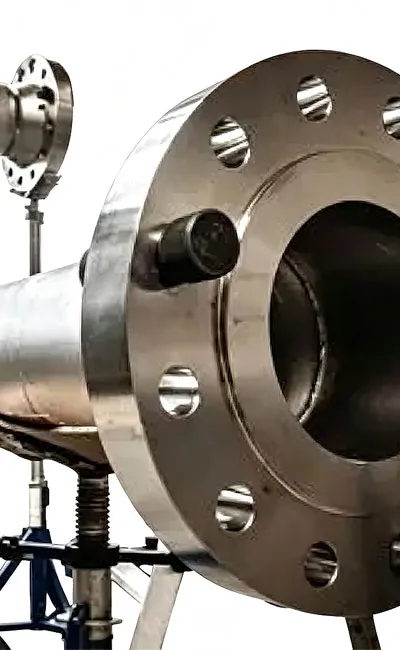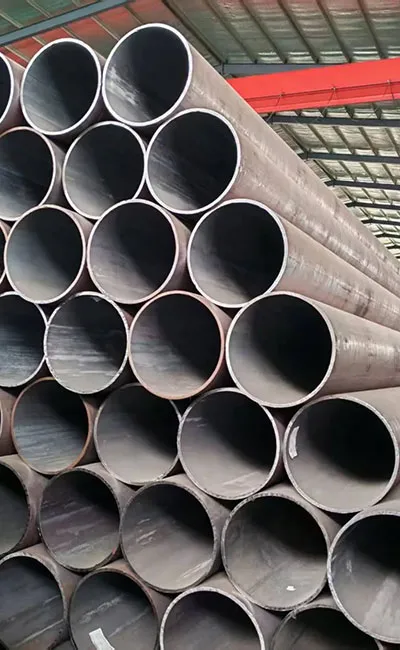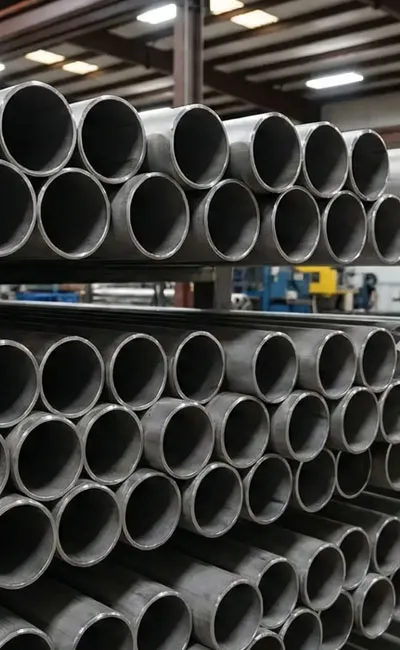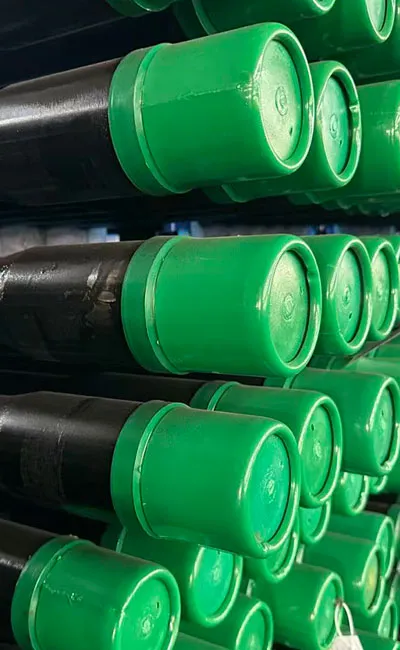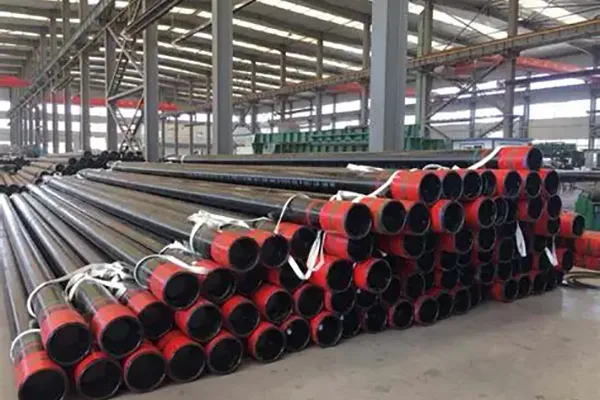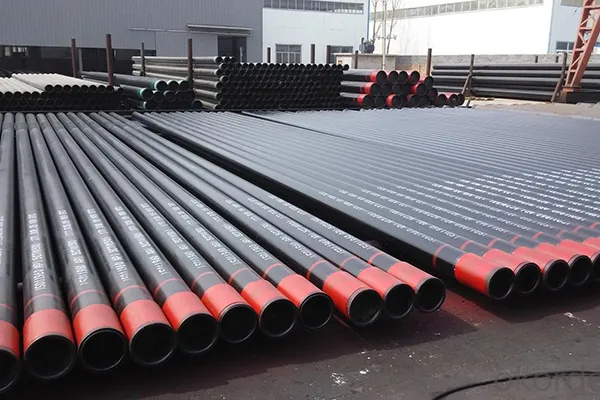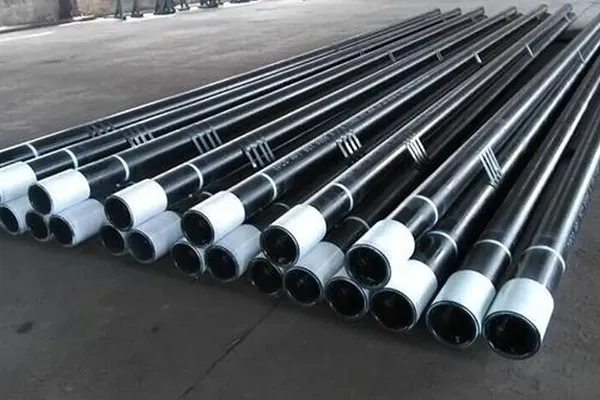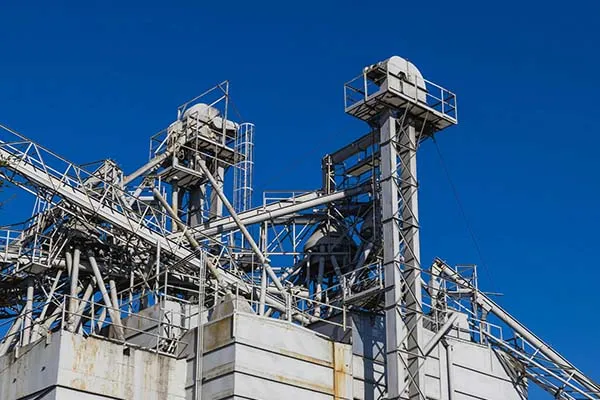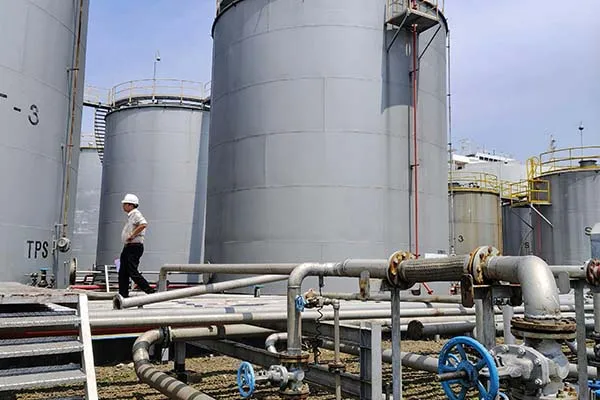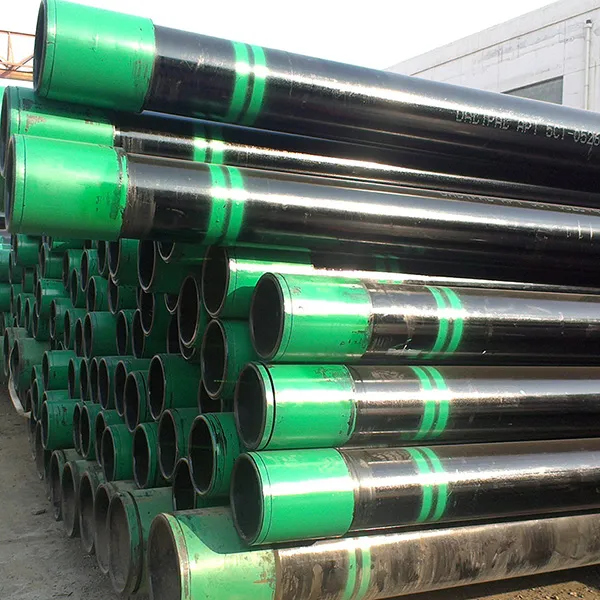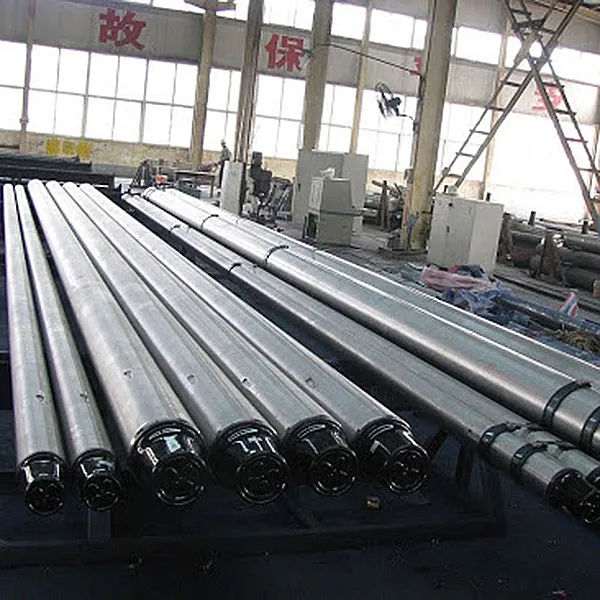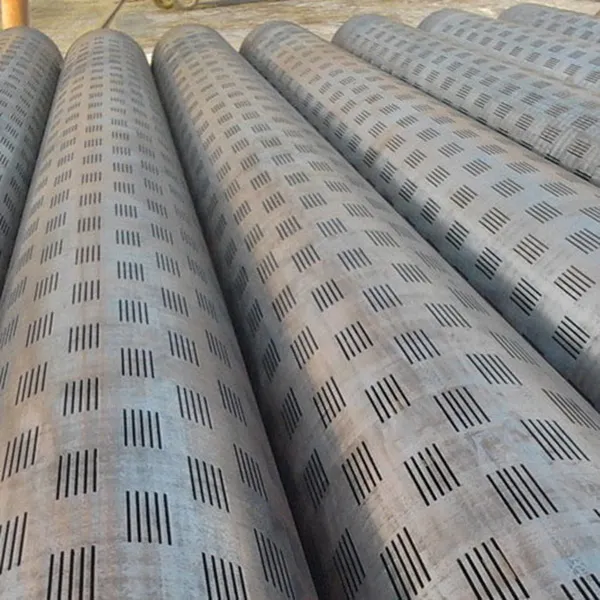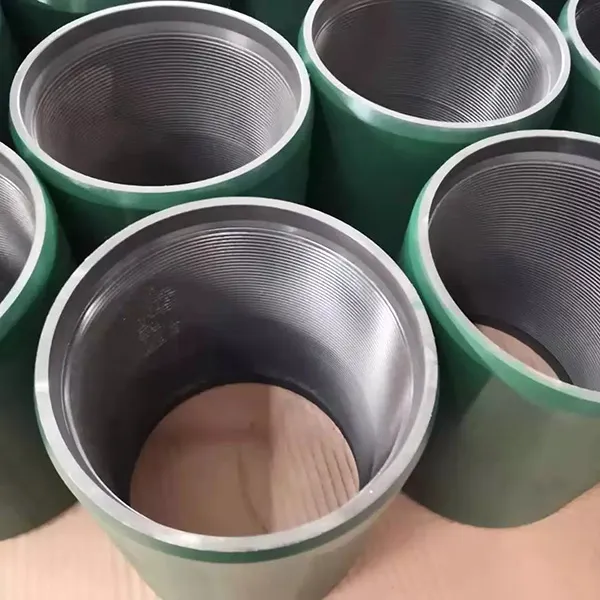

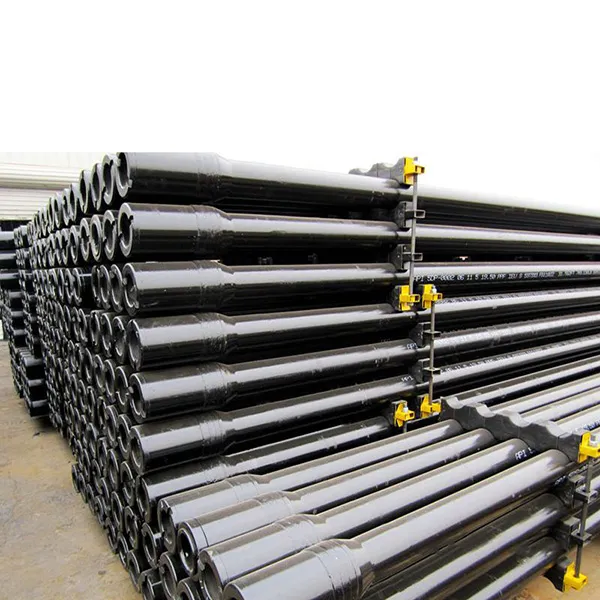
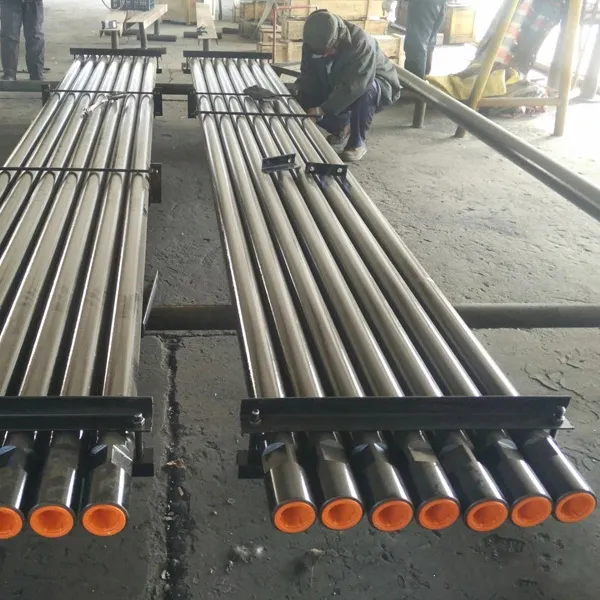
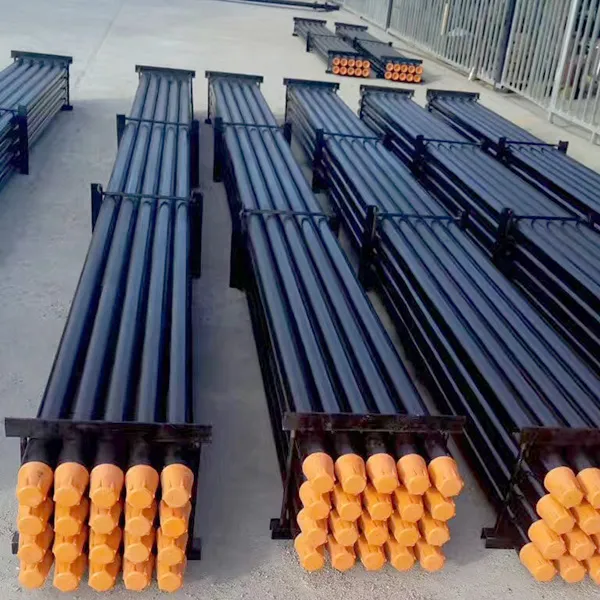
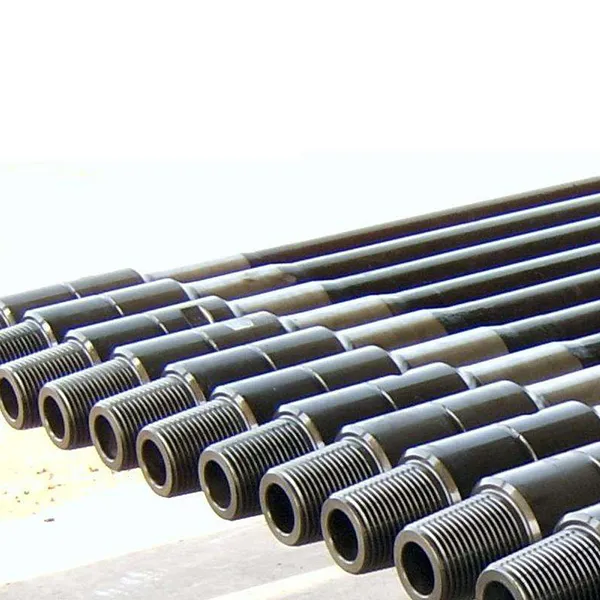
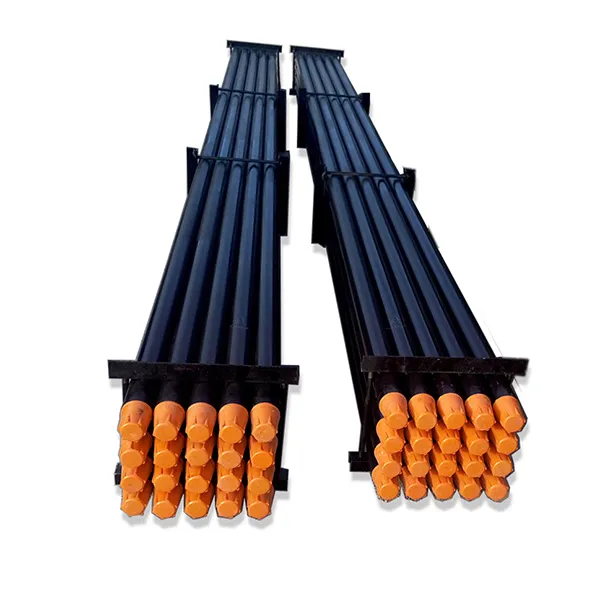
Drill Pipe: Drill pipe is hollow thin-wall steel or aluminum alloy tube for drilling rigs, normally 27–32 ft long with multiple sizes, strengths and wall thicknesses. It connects surface rig equipment to downhole drilling tools. The hollow bore circulates drilling fluid through the bit and back up the annulus. It bears heavy internal/external pressure, torsion, bending and vibration while lifting, lowering and rotating bottomhole assemblies. Reusable for oil and gas drilling operations.
Pup Joints: Pup joints are short-length drill pipe segments matched with standard drill pipe threads, commonly available in customized short lengths from 2 ft to 12 ft. As essential drill string accessories, they precisely adjust the overall length of drill string to match designed well depth and fine-tune the layout of downhole bottomhole assemblies. Manufactured to comply with API 5DP standard, they share identical material and connection specifications with full-size drill pipe to withstand tensile, torsional and pressure loads during drilling.
Drill Collar: A drill collar is a heavy, thick-wall downhole tool installed at the bottom of the drill string. It provides stable weight on bit (WOB) for efficient drilling, stabilizes the drill bit, and effectively prevents well deviation during underground drilling operations. Manufactured strictly in accordance with API SPEC 7-1 industry standard. Outer diameter ranges from 3-1/8" to 12". Available lengths include 30Ft, 32Ft, 43Ft, Range 2 and Range 3, covering various deep well and directional drilling requirements.
Upset of Drill Pipe: Drill pipe upset means reinforced wall thickness at thread ends to make up material loss during threading, available in IU, EU and IEU types.IU (Internal Upset): Thickened inner wall, smooth unchanged outer surface.EU (External Upset): Thickened outer OD, straight inner bore.IEU (Internal-External Upset): Both inner and outer walls thickened for stronger thread connections.
Thread & Connection Types of Drill Pipe: Drill pipes come with standard NC and FH connections: NC26, NC31, NC38, NC40, NC46, NC50, 5-1/2 FH, 6-5/8 FH. XT series connections (XT39, XT57, XT75) fit large drill pipes into fixed boreholes, e.g. 5⅞" drill pipe XT57 for 8½" well holes.
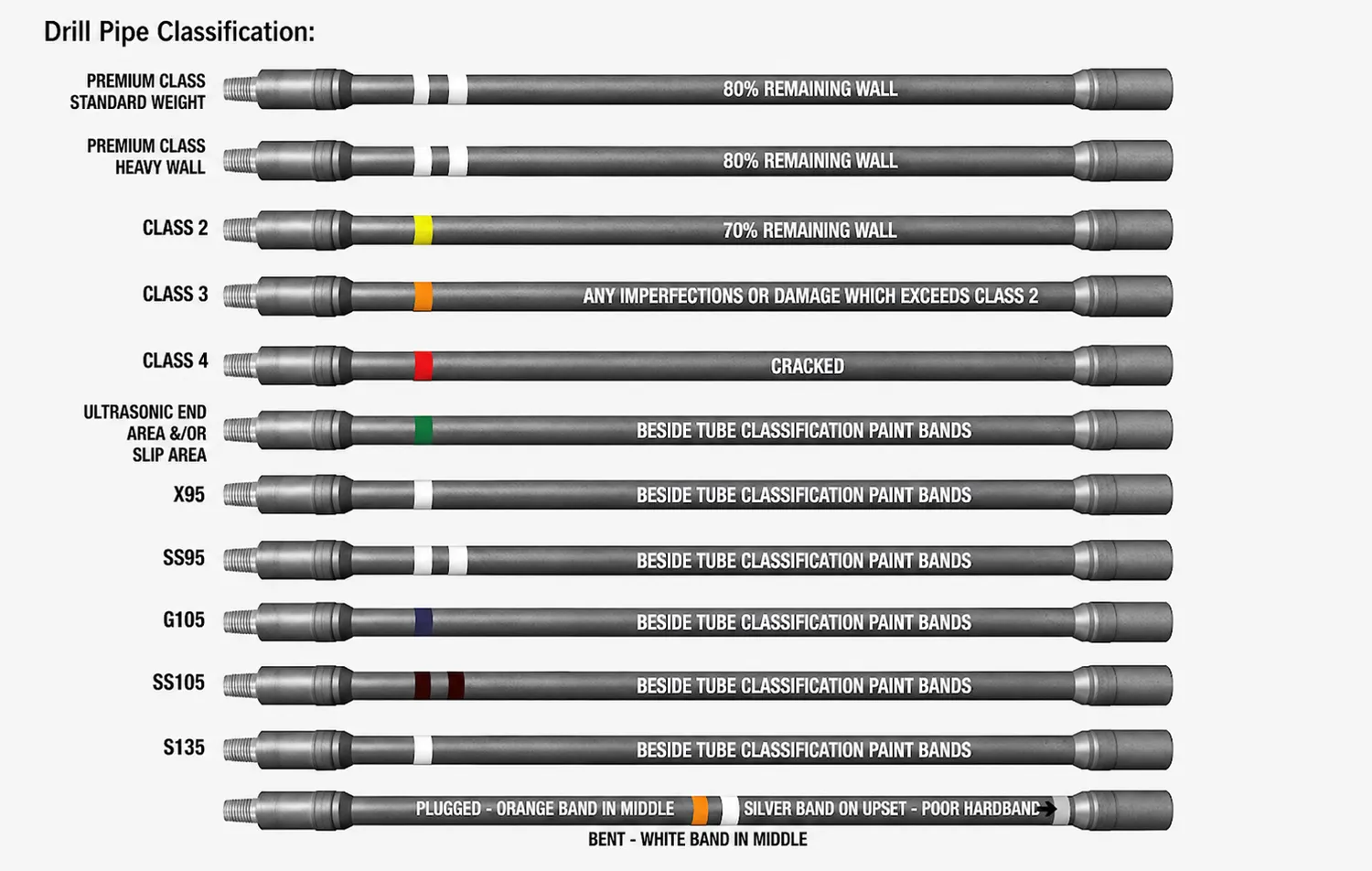
Manufactured strictly complying with API 5DP, drill pipe features standardized outer diameter (OD), wall thickness, length ranges and controlled dimensional tolerances to guarantee full interchangeability and stable mechanical performance in drilling operations.
|
Drill pipe diameter |
Drill pipe ID |
Drill pipe weight |
|
2-3/8 inch |
1.815 inch |
6.65 lb/ft |
|
2-7/8 inch |
2.151 inch |
10.40 lb/ft |
|
3-1/2 inch |
2.764 inch, 2.602 inch |
13.30 lb/ft, 15.50 lb/ft |
|
4 inch |
3.340 inch, 3.240 inch |
14.00 lb/ft, 15.70 lb/ft |
|
4-1/2 inch |
3.826 inch, 3.640 inch |
16.60 lb/ft, 20 lb/ft |
|
5 inch |
4.726 inch, 4.000 inch |
19.50 lb/ft, 25.60 lb/ft |
|
5-1/2 inch |
4.778 inch, 4.670 inch |
21.90 lb/ft, 24.70 lb/ft |
|
6-5/8 inch |
5.965 inch, 5.901 inch |
25.20 lb/ft, 27.70 lb/ft |
All dimensional deviations follow rigid API 5DP limits to eliminate assembly mismatch and premature fatigue failure:Pipe body OD: For OD ≤ 101.6 mm, tolerance is +0.79 mm; for OD ≥114.3 mm, tolerance is +1.0% / -0.5% of nominal ODWall thickness: Single-point wall thickness tolerance is 0 ~ -12.5% of rated wall thickness, ensuring uniform pressure-bearing capacity along the tube body.Straightness, upset transition and thread dimensions also have defined tolerance bands for reliable connection with pup joints, drill collars and downhole subs.
Tolerance on Dimensions
|
Item |
Tolerance |
|
|
Pipe body |
OD ≤ 101.6 mm |
+0.79 mm |
|
OD ≥ 114.3 mm |
+1.0% / -0.5% |
|
|
Single length |
-0.5% |
|
|
Weight |
+6.5% / -3.5% |
|
|
Designations* |
Tool Joint |
|||||||
|
Drill Pipe Outer Diameter (in.) |
Weight (lb/ft) |
Grade |
Upset Type |
Connection |
OD (in.) |
Pin ID (in.) |
Pin OD Length (in.) |
Box OD Length (in.) |
|
2-3/8 |
6.65 |
E |
EU |
NC26 |
3-3/8 |
1-3/4 |
7 |
8 |
|
2-3/8 |
6.65 |
X,G |
EU |
NC26 |
3-3/8 |
1-3/4 |
7 |
8 |
|
2-3/8 |
10.40 |
E |
EU |
NC31 |
4-1/8 |
2-1/8 |
7 |
9 |
|
2-3/8 |
10.40 |
X,G |
EU |
NC31 |
4-1/8 |
2 |
7 |
9 |
|
2-3/8 |
10.40 |
S |
EU |
NC31 |
4-3/8 |
1-5/8 |
7 |
9 |
|
3-1/2 |
9.50 |
E |
EU |
NC38 |
4-3/4 |
2-11/16 |
8 |
10-1/2 |
|
3-1/2 |
13.30 |
E |
EU |
NC38 |
4-3/4 |
2-11/16 |
8 |
10-1/2 |
|
3-1/2 |
13.30 |
X |
EU |
NC38 |
5 |
2-9/16 |
8 |
10-1/2 |
|
3-1/2 |
13.30 |
G |
EU |
NC38 |
5 |
2-7/16 |
8 |
10-1/2 |
|
3-1/2 |
13.30 |
S |
EU |
NC38 |
5 |
2-1/8 |
8 |
10-1/2 |
|
3-1/2 |
15.50 |
E |
EU |
NC38 |
4-3/4 |
2-9/16 |
8 |
10-1/2 |
|
3-1/2 |
15.50 |
X |
EU |
NC38 |
5 |
2-7/16 |
8 |
10-1/2 |
|
3-1/2 |
15.50 |
G |
EU |
NC38 |
5 |
2-1/8 |
8 |
10-1/2 |
|
3-1/2 |
15.50 |
S |
EU |
NC40 |
5-1/2 |
2-1/4 |
7 |
10 |
|
4 |
14.00 |
E |
IU |
NC40 |
5-1/4 |
2-13/16 |
7 |
10 |
|
4 |
14.00 |
X |
IU |
NC40 |
5-1/4 |
2-13/16 |
7 |
10 |
|
4 |
14.00 |
G |
IU |
NC40 |
5-1/4 |
2-13/16 |
7 |
10 |
|
4 |
14.00 |
S |
IU |
NC40 |
5-1/4 |
2-9/16 |
7 |
10 |
|
4 |
14.00 |
E |
EU |
NC46 |
6 |
3-1/4 |
7 |
10 |
|
4 |
14.00 |
X,G |
EU |
NC46 |
6 |
3-1/4 |
7 |
10 |
|
4 |
14.00 |
S |
EU |
NC46 |
6 |
3 |
7 |
10 |
|
4-1/2 |
16.60 |
E |
EU |
NC50 |
6-5/8 |
3-3/4 |
7 |
10 |
|
4-1/2 |
16.60 |
X |
EU |
NC50 |
6-3/8 |
3-3/4 |
7 |
10 |
|
4-1/2 |
16.60 |
G |
EU |
NC50 |
6-5/8 |
3-3/4 |
7 |
10 |
|
4-1/2 |
16.60 |
S |
EU |
NC50 |
6-3/8 |
3-1/2 |
7 |
10 |
|
4-1/2 |
20.00 |
E |
EU |
NC50 |
6-3/8 |
3-3/4 |
7 |
10 |
|
4-1/2 |
20.00 |
X |
EU |
NC50 |
6-5/8 |
3-1/2 |
7 |
10 |
|
4-1/2 |
20.00 |
G |
EU |
NC50 |
6-3/8 |
3-1/2 |
7 |
10 |
|
4-1/2 |
20.00 |
S |
EU |
NC50 |
6-5/8 |
3-1/4 |
7 |
10 |
|
4-1/2 |
16.60 |
E |
IEU |
NC46 |
6-1/4 |
3-1/4 |
7 |
10 |
|
4-1/2 |
16.60 |
X |
IEU |
NC46 |
6-1/4 |
3-1/4 |
7 |
10 |
|
4-1/2 |
16.60 |
G |
IEU |
NC46 |
6-1/4 |
3 |
7 |
10 |
|
4-1/2 |
16.60 |
S |
IEU |
NC46 |
6-1/4 |
2-3/4 |
7 |
10 |
|
4-1/2 |
20.00 |
E |
IEU |
NC46 |
6-1/4 |
3-1/4 |
7 |
10 |
|
4-1/2 |
20.00 |
X |
IEU |
NC46 |
6-1/4 |
3 |
7 |
10 |
|
4-1/2 |
20.00 |
G |
IEU |
NC46 |
6-1/4 |
2-3/4 |
7 |
10 |
|
4-1/2 |
20.00 |
S |
IEU |
NC46 |
6-3/8 |
2-1/2 |
7 |
10 |
|
5 |
19.50 |
E |
IEU |
NC50 |
6-5/8 |
3-3/4 |
7 |
10 |
|
5 |
19.50 |
X |
IEU |
NC50 |
6-5/8 |
3-1/2 |
7 |
10 |
|
5 |
19.50 |
G |
IEU |
NC50 |
6-5/8 |
3-1/4 |
7 |
10 |
|
5 |
19.50 |
S |
IEU |
NC50 |
6-5/8 |
2-3/4 |
7 |
10 |
|
5 |
19.50 |
E |
IEU |
5-1/2 FH |
7 |
3-3/4 |
8 |
10 |
|
5 |
19.50 |
X,G |
IEU |
5-1/2 FH |
7 |
3-3/4 |
8 |
10 |
|
5 |
19.50 |
S |
IEU |
5-1/2 FH |
7-1/4 |
3-1/2 |
8 |
10 |
|
5 |
25.60 |
E |
IEU |
NC50 |
6-5/8 |
3-1/2 |
7 |
10 |
|
5 |
25.60 |
X |
IEU |
NC50 |
6-5/8 |
3 |
7 |
10 |
|
5 |
25.60 |
G |
IEU |
NC50 |
6-5/8 |
2-3/4 |
7 |
10 |
|
5 |
25.60 |
E |
IEU |
5-1/2 FH |
7 |
3-1/2 |
8 |
10 |
|
5 |
25.60 |
X |
IEU |
5-1/2 FH |
7 |
3-1/2 |
8 |
10 |
|
5 |
25.60 |
G |
IEU |
5-1/2 FH |
7-1/4 |
3-1/2 |
8 |
10 |
|
5 |
25.60 |
S |
IEU |
5-1/2 FH |
7-1/4 |
3-1/4 |
8 |
10 |
|
5-1/2 |
21.90 |
E |
IEU |
5-1/2 FH |
7 |
4 |
8 |
10 |
|
5-1/2 |
21.90 |
X |
IEU |
5-1/2 FH |
7 |
3-3/4 |
8 |
10 |
|
5-1/2 |
21.90 |
G |
IEU |
5-1/2 FH |
7-1/4 |
3-1/2 |
8 |
10 |
|
5-1/2 |
21.90 |
S |
IEU |
5-1/2 FH |
7-1/2 |
3 |
8 |
10 |
|
5-1/2 |
24.70 |
E |
IEU |
5-1/2 FH |
7 |
4 |
8 |
10 |
|
5-1/2 |
24.70 |
X,G |
IEU |
5-1/2 FH |
7-1/4 |
3-1/2 |
8 |
10 |
|
5-1/2 |
24.70 |
S |
IEU |
5-1/2 FH |
7-1/2 |
3 |
8 |
10 |
|
6-5/8 |
25.20 |
E |
IEU |
6-5/8 FH |
8 |
5 |
8 |
11 |
|
6-5/8 |
25.20 |
X |
IEU |
6-5/8 FH |
8 |
5 |
8 |
11 |
|
6-5/8 |
25.20 |
G |
IEU |
6-5/8 FH |
8-1/4 |
4-3/4 |
8 |
11 |
|
6-5/8 |
25.20 |
S |
IEU |
6-5/8 FH |
8-1/2 |
4-1/4 |
8 |
11 |
|
6-5/8 |
27.70 |
E |
IEU |
6-5/8 FH |
8 |
5 |
8 |
11 |
|
6-5/8 |
27.70 |
X,G |
IEU |
6-5/8 FH |
8-1/4 |
4-3/4 |
8 |
11 |
|
6-5/8 |
27.70 |
S |
IEU |
6-5/8 FH |
8-1/2 |
4-1/4 |
8 |
11 |
All steel drill pipes are produced in compliance with API 5DP, with strictly regulated chemical composition and mechanical performance to resist complex downhole loads, corrosion and fatigue damage.
|
Grade |
Chemical Composition |
Mechanical Properties |
||
|
P (max) |
S (max) |
Yield Strength (MPa) |
Tensile Strength (MPa) |
|
|
E-75 |
≤0.020 |
≤0.015 |
517–724 |
≥689 |
|
X-95 |
≤0.020 |
≤0.015 |
655–862 |
≥724 |
|
G-105 |
≤0.020 |
≤0.015 |
724–931 |
≥793 |
|
S-135 |
≤0.020 |
≤0.015 |
931–1138 |
≥1000 |
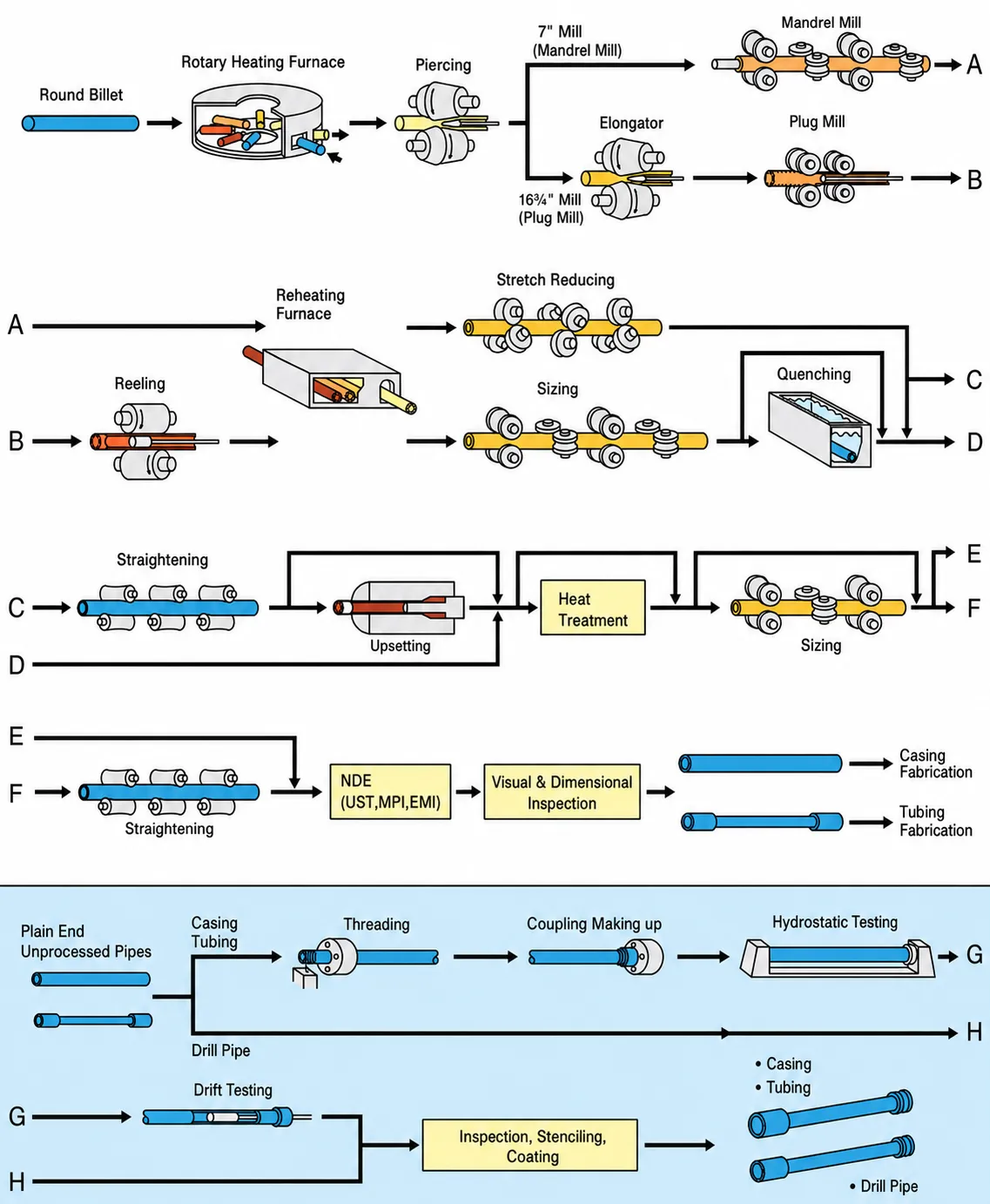
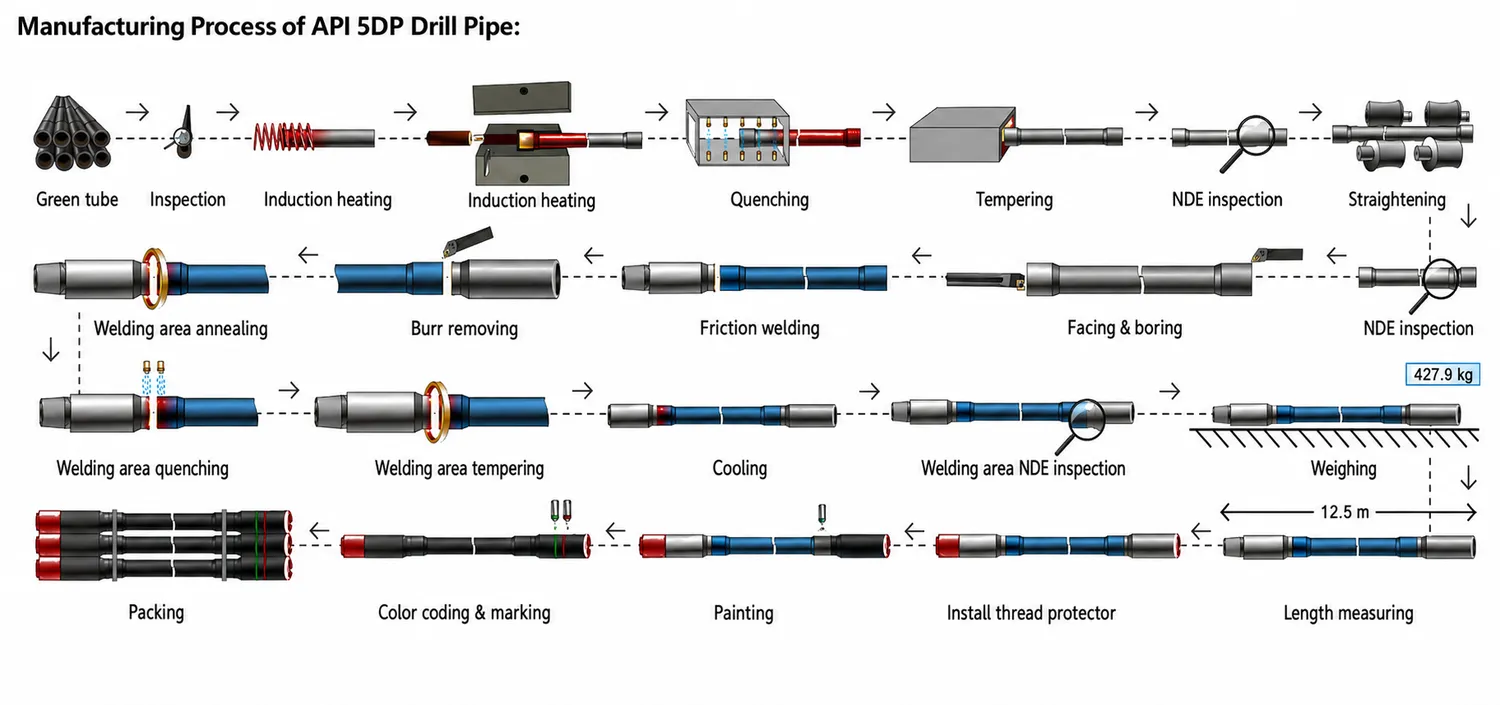
All steel drill pipes are fully manufactured and inspected in accordance with API 5DP specifications, covering seamless pipe forming, upset forging, friction welding, heat treatment, machining, inspection and surface treatment. The complete production flow is as follows:
Raw Material Inspection & Cutting
Low-alloy high-strength steel billets (E75/X95/G105/S135 grades) are sampled for chemical composition and mechanical testing first. Qualified blanks are cut to fixed lengths as raw workpieces.
Seamless Pipe Piercing & Rolling
Billet is heated and pierced into hollow tube blank via seamless piercing mill, then hot-rolled to reach the target outer diameter and wall thickness. After sizing and cooling, straightening removes tube bending.
Upset Forging (End Upsetting)
Both ends of the seamless pipe body are heated and forged thickened internally and externally to form heavy-duty upset sections. This reinforces the pipe ends to bear high tension, torsion and bending at threaded connections.
Heat Treatment (Quenching & Tempering)
The entire upset drill pipe undergoes integral quenching and tempering to achieve uniform mechanical properties matching the steel grade requirements, controlling yield strength, toughness and hardness to avoid brittle failure downhole.
Friction Welding of Tool Joints
Forged steel tool joints are friction-welded onto the two upset ends of the pipe body. High-pressure friction fusion creates a high-strength weld seam, which eliminates leakage risk under drilling fluid pressure. Weld zones are re-heat treated to remove welding stress.
Thread Machining & Anti-Galling Treatment
Precision CNC lathes machine standard API threads on tool joints. Thread surfaces are treated with phosphating, copper plating or zinc plating to reduce friction and prevent galling during make-and-break operations.
Multi-Round Non-Destructive Testing (NDT)
Full inspection includes ultrasonic testing (UT) for wall thickness and internal cracks, magnetic particle testing (MT) for surface flaws on pipe body, upset areas and welds, plus thread dimensional gauging to meet API tolerance limits.
Hydrostatic Pressure Test
Each finished drill pipe is filled with high-pressure water for hydrostatic testing to verify internal pressure resistance, eliminating leakage or burst risks under circulating drilling fluid.
Surface Coating & Marking
External surface is coated with anti-rust paint for storage and transportation protection. Steel grade, OD, nominal weight, serial number and API certification marks are printed permanently on the pipe body.
Final Inspection & Packing
Final visual, dimensional and random mechanical sampling checks are carried out. Qualified drill pipes are fitted with thread protectors at both ends and bundled for shipment.
Standard drill pipe: OD 2 3/8"–6 5/8", typical lengths 30ft / 45ft for general drilling.
Heavy weight drill pipe (HWDP): Thicker wall and heavier unit weight, ideal for deep wells, high pressure and stable borehole control.
Kelly (square/hexagonal): Top of drill string, transfers rotary torque and supports full weight of the whole drill string.
Core Functions
1. Run and trip drill bits, lowering and lifting downhole drilling tools.
2. Transfer rotary torque and apply drilling pressure to the drill bit for rock breaking.
3. Transport drilling fluid to cool the drill bit and carry underground cuttings back to the surface.
4. Support special downhole operations, including cement squeezing and downhole accident treatment.
Product Application RangeCore Functions
1. Torque & Force Transmission – It transfers rotary drilling torque from surface rigs to downhole drill bits over ultra‑long distances, and supports lifting, lowering and rotating of bottomhole drilling assemblies.
2. Drilling Fluid Circulation – It acts as a hollow conduit for drilling mud. It delivers mud downhole to cool the drill bit, balance wellbore pressure, and carry underground cuttings back to the surface.
3. High Load Resistance – Drill pipe bears severe internal and external pressure, torsion, bending and vibration, meeting harsh deep‑drilling working requirements.
4. Threaded Connection Assembly – Drill pipes feature male and female threaded joints. Multiple pipes are connected end to end to form a complete drill string, adapting to ultra‑deep drilling up to 15,000 feet.
Product Application RangeManufactured strictly complying with API 5DP, drill pipe features standardized outer diameter (OD), wall thickness, length ranges and controlled dimensional tolerances to guarantee full interchangeability and stable mechanical performance in drilling operations.
|
Drill pipe diameter |
Drill pipe ID |
Drill pipe weight |
|
2-3/8 inch |
1.815 inch |
6.65 lb/ft |
|
2-7/8 inch |
2.151 inch |
10.40 lb/ft |
|
3-1/2 inch |
2.764 inch, 2.602 inch |
13.30 lb/ft, 15.50 lb/ft |
|
4 inch |
3.340 inch, 3.240 inch |
14.00 lb/ft, 15.70 lb/ft |
|
4-1/2 inch |
3.826 inch, 3.640 inch |
16.60 lb/ft, 20 lb/ft |
|
5 inch |
4.726 inch, 4.000 inch |
19.50 lb/ft, 25.60 lb/ft |
|
5-1/2 inch |
4.778 inch, 4.670 inch |
21.90 lb/ft, 24.70 lb/ft |
|
6-5/8 inch |
5.965 inch, 5.901 inch |
25.20 lb/ft, 27.70 lb/ft |
All dimensional deviations follow rigid API 5DP limits to eliminate assembly mismatch and premature fatigue failure:Pipe body OD: For OD ≤ 101.6 mm, tolerance is +0.79 mm; for OD ≥114.3 mm, tolerance is +1.0% / -0.5% of nominal ODWall thickness: Single-point wall thickness tolerance is 0 ~ -12.5% of rated wall thickness, ensuring uniform pressure-bearing capacity along the tube body.Straightness, upset transition and thread dimensions also have defined tolerance bands for reliable connection with pup joints, drill collars and downhole subs.
Tolerance on Dimensions
|
Item |
Tolerance |
|
|
Pipe body |
OD ≤ 101.6 mm |
+0.79 mm |
|
OD ≥ 114.3 mm |
+1.0% / -0.5% |
|
|
Single length |
-0.5% |
|
|
Weight |
+6.5% / -3.5% |
|
|
Designations* |
Tool Joint |
|||||||
|
Drill Pipe Outer Diameter (in.) |
Weight (lb/ft) |
Grade |
Upset Type |
Connection |
OD (in.) |
Pin ID (in.) |
Pin OD Length (in.) |
Box OD Length (in.) |
|
2-3/8 |
6.65 |
E |
EU |
NC26 |
3-3/8 |
1-3/4 |
7 |
8 |
|
2-3/8 |
6.65 |
X,G |
EU |
NC26 |
3-3/8 |
1-3/4 |
7 |
8 |
|
2-3/8 |
10.40 |
E |
EU |
NC31 |
4-1/8 |
2-1/8 |
7 |
9 |
|
2-3/8 |
10.40 |
X,G |
EU |
NC31 |
4-1/8 |
2 |
7 |
9 |
|
2-3/8 |
10.40 |
S |
EU |
NC31 |
4-3/8 |
1-5/8 |
7 |
9 |
|
3-1/2 |
9.50 |
E |
EU |
NC38 |
4-3/4 |
2-11/16 |
8 |
10-1/2 |
|
3-1/2 |
13.30 |
E |
EU |
NC38 |
4-3/4 |
2-11/16 |
8 |
10-1/2 |
|
3-1/2 |
13.30 |
X |
EU |
NC38 |
5 |
2-9/16 |
8 |
10-1/2 |
|
3-1/2 |
13.30 |
G |
EU |
NC38 |
5 |
2-7/16 |
8 |
10-1/2 |
|
3-1/2 |
13.30 |
S |
EU |
NC38 |
5 |
2-1/8 |
8 |
10-1/2 |
|
3-1/2 |
15.50 |
E |
EU |
NC38 |
4-3/4 |
2-9/16 |
8 |
10-1/2 |
|
3-1/2 |
15.50 |
X |
EU |
NC38 |
5 |
2-7/16 |
8 |
10-1/2 |
|
3-1/2 |
15.50 |
G |
EU |
NC38 |
5 |
2-1/8 |
8 |
10-1/2 |
|
3-1/2 |
15.50 |
S |
EU |
NC40 |
5-1/2 |
2-1/4 |
7 |
10 |
|
4 |
14.00 |
E |
IU |
NC40 |
5-1/4 |
2-13/16 |
7 |
10 |
|
4 |
14.00 |
X |
IU |
NC40 |
5-1/4 |
2-13/16 |
7 |
10 |
|
4 |
14.00 |
G |
IU |
NC40 |
5-1/4 |
2-13/16 |
7 |
10 |
|
4 |
14.00 |
S |
IU |
NC40 |
5-1/4 |
2-9/16 |
7 |
10 |
|
4 |
14.00 |
E |
EU |
NC46 |
6 |
3-1/4 |
7 |
10 |
|
4 |
14.00 |
X,G |
EU |
NC46 |
6 |
3-1/4 |
7 |
10 |
|
4 |
14.00 |
S |
EU |
NC46 |
6 |
3 |
7 |
10 |
|
4-1/2 |
16.60 |
E |
EU |
NC50 |
6-5/8 |
3-3/4 |
7 |
10 |
|
4-1/2 |
16.60 |
X |
EU |
NC50 |
6-3/8 |
3-3/4 |
7 |
10 |
|
4-1/2 |
16.60 |
G |
EU |
NC50 |
6-5/8 |
3-3/4 |
7 |
10 |
|
4-1/2 |
16.60 |
S |
EU |
NC50 |
6-3/8 |
3-1/2 |
7 |
10 |
|
4-1/2 |
20.00 |
E |
EU |
NC50 |
6-3/8 |
3-3/4 |
7 |
10 |
|
4-1/2 |
20.00 |
X |
EU |
NC50 |
6-5/8 |
3-1/2 |
7 |
10 |
|
4-1/2 |
20.00 |
G |
EU |
NC50 |
6-3/8 |
3-1/2 |
7 |
10 |
|
4-1/2 |
20.00 |
S |
EU |
NC50 |
6-5/8 |
3-1/4 |
7 |
10 |
|
4-1/2 |
16.60 |
E |
IEU |
NC46 |
6-1/4 |
3-1/4 |
7 |
10 |
|
4-1/2 |
16.60 |
X |
IEU |
NC46 |
6-1/4 |
3-1/4 |
7 |
10 |
|
4-1/2 |
16.60 |
G |
IEU |
NC46 |
6-1/4 |
3 |
7 |
10 |
|
4-1/2 |
16.60 |
S |
IEU |
NC46 |
6-1/4 |
2-3/4 |
7 |
10 |
|
4-1/2 |
20.00 |
E |
IEU |
NC46 |
6-1/4 |
3-1/4 |
7 |
10 |
|
4-1/2 |
20.00 |
X |
IEU |
NC46 |
6-1/4 |
3 |
7 |
10 |
|
4-1/2 |
20.00 |
G |
IEU |
NC46 |
6-1/4 |
2-3/4 |
7 |
10 |
|
4-1/2 |
20.00 |
S |
IEU |
NC46 |
6-3/8 |
2-1/2 |
7 |
10 |
|
5 |
19.50 |
E |
IEU |
NC50 |
6-5/8 |
3-3/4 |
7 |
10 |
|
5 |
19.50 |
X |
IEU |
NC50 |
6-5/8 |
3-1/2 |
7 |
10 |
|
5 |
19.50 |
G |
IEU |
NC50 |
6-5/8 |
3-1/4 |
7 |
10 |
|
5 |
19.50 |
S |
IEU |
NC50 |
6-5/8 |
2-3/4 |
7 |
10 |
|
5 |
19.50 |
E |
IEU |
5-1/2 FH |
7 |
3-3/4 |
8 |
10 |
|
5 |
19.50 |
X,G |
IEU |
5-1/2 FH |
7 |
3-3/4 |
8 |
10 |
|
5 |
19.50 |
S |
IEU |
5-1/2 FH |
7-1/4 |
3-1/2 |
8 |
10 |
|
5 |
25.60 |
E |
IEU |
NC50 |
6-5/8 |
3-1/2 |
7 |
10 |
|
5 |
25.60 |
X |
IEU |
NC50 |
6-5/8 |
3 |
7 |
10 |
|
5 |
25.60 |
G |
IEU |
NC50 |
6-5/8 |
2-3/4 |
7 |
10 |
|
5 |
25.60 |
E |
IEU |
5-1/2 FH |
7 |
3-1/2 |
8 |
10 |
|
5 |
25.60 |
X |
IEU |
5-1/2 FH |
7 |
3-1/2 |
8 |
10 |
|
5 |
25.60 |
G |
IEU |
5-1/2 FH |
7-1/4 |
3-1/2 |
8 |
10 |
|
5 |
25.60 |
S |
IEU |
5-1/2 FH |
7-1/4 |
3-1/4 |
8 |
10 |
|
5-1/2 |
21.90 |
E |
IEU |
5-1/2 FH |
7 |
4 |
8 |
10 |
|
5-1/2 |
21.90 |
X |
IEU |
5-1/2 FH |
7 |
3-3/4 |
8 |
10 |
|
5-1/2 |
21.90 |
G |
IEU |
5-1/2 FH |
7-1/4 |
3-1/2 |
8 |
10 |
|
5-1/2 |
21.90 |
S |
IEU |
5-1/2 FH |
7-1/2 |
3 |
8 |
10 |
|
5-1/2 |
24.70 |
E |
IEU |
5-1/2 FH |
7 |
4 |
8 |
10 |
|
5-1/2 |
24.70 |
X,G |
IEU |
5-1/2 FH |
7-1/4 |
3-1/2 |
8 |
10 |
|
5-1/2 |
24.70 |
S |
IEU |
5-1/2 FH |
7-1/2 |
3 |
8 |
10 |
|
6-5/8 |
25.20 |
E |
IEU |
6-5/8 FH |
8 |
5 |
8 |
11 |
|
6-5/8 |
25.20 |
X |
IEU |
6-5/8 FH |
8 |
5 |
8 |
11 |
|
6-5/8 |
25.20 |
G |
IEU |
6-5/8 FH |
8-1/4 |
4-3/4 |
8 |
11 |
|
6-5/8 |
25.20 |
S |
IEU |
6-5/8 FH |
8-1/2 |
4-1/4 |
8 |
11 |
|
6-5/8 |
27.70 |
E |
IEU |
6-5/8 FH |
8 |
5 |
8 |
11 |
|
6-5/8 |
27.70 |
X,G |
IEU |
6-5/8 FH |
8-1/4 |
4-3/4 |
8 |
11 |
|
6-5/8 |
27.70 |
S |
IEU |
6-5/8 FH |
8-1/2 |
4-1/4 |
8 |
11 |
All steel drill pipes are produced in compliance with API 5DP, with strictly regulated chemical composition and mechanical performance to resist complex downhole loads, corrosion and fatigue damage.
|
Grade |
Chemical Composition |
Mechanical Properties |
||
|
P (max) |
S (max) |
Yield Strength (MPa) |
Tensile Strength (MPa) |
|
|
E-75 |
≤0.020 |
≤0.015 |
517–724 |
≥689 |
|
X-95 |
≤0.020 |
≤0.015 |
655–862 |
≥724 |
|
G-105 |
≤0.020 |
≤0.015 |
724–931 |
≥793 |
|
S-135 |
≤0.020 |
≤0.015 |
931–1138 |
≥1000 |
All steel drill pipes are fully manufactured and inspected in accordance with API 5DP specifications, covering seamless pipe forming, upset forging, friction welding, heat treatment, machining, inspection and surface treatment. The complete production flow is as follows:
Raw Material Inspection & Cutting
Low-alloy high-strength steel billets (E75/X95/G105/S135 grades) are sampled for chemical composition and mechanical testing first. Qualified blanks are cut to fixed lengths as raw workpieces.
Seamless Pipe Piercing & Rolling
Billet is heated and pierced into hollow tube blank via seamless piercing mill, then hot-rolled to reach the target outer diameter and wall thickness. After sizing and cooling, straightening removes tube bending.
Upset Forging (End Upsetting)
Both ends of the seamless pipe body are heated and forged thickened internally and externally to form heavy-duty upset sections. This reinforces the pipe ends to bear high tension, torsion and bending at threaded connections.
Heat Treatment (Quenching & Tempering)
The entire upset drill pipe undergoes integral quenching and tempering to achieve uniform mechanical properties matching the steel grade requirements, controlling yield strength, toughness and hardness to avoid brittle failure downhole.
Friction Welding of Tool Joints
Forged steel tool joints are friction-welded onto the two upset ends of the pipe body. High-pressure friction fusion creates a high-strength weld seam, which eliminates leakage risk under drilling fluid pressure. Weld zones are re-heat treated to remove welding stress.
Thread Machining & Anti-Galling Treatment
Precision CNC lathes machine standard API threads on tool joints. Thread surfaces are treated with phosphating, copper plating or zinc plating to reduce friction and prevent galling during make-and-break operations.
Multi-Round Non-Destructive Testing (NDT)
Full inspection includes ultrasonic testing (UT) for wall thickness and internal cracks, magnetic particle testing (MT) for surface flaws on pipe body, upset areas and welds, plus thread dimensional gauging to meet API tolerance limits.
Hydrostatic Pressure Test
Each finished drill pipe is filled with high-pressure water for hydrostatic testing to verify internal pressure resistance, eliminating leakage or burst risks under circulating drilling fluid.
Surface Coating & Marking
External surface is coated with anti-rust paint for storage and transportation protection. Steel grade, OD, nominal weight, serial number and API certification marks are printed permanently on the pipe body.
Final Inspection & Packing
Final visual, dimensional and random mechanical sampling checks are carried out. Qualified drill pipes are fitted with thread protectors at both ends and bundled for shipment.
Standard drill pipe: OD 2 3/8"–6 5/8", typical lengths 30ft / 45ft for general drilling.
Heavy weight drill pipe (HWDP): Thicker wall and heavier unit weight, ideal for deep wells, high pressure and stable borehole control.
Kelly (square/hexagonal): Top of drill string, transfers rotary torque and supports full weight of the whole drill string.
Core Functions
1. Run and trip drill bits, lowering and lifting downhole drilling tools.
2. Transfer rotary torque and apply drilling pressure to the drill bit for rock breaking.
3. Transport drilling fluid to cool the drill bit and carry underground cuttings back to the surface.
4. Support special downhole operations, including cement squeezing and downhole accident treatment.
Product Application RangeCore Functions
1. Torque & Force Transmission – It transfers rotary drilling torque from surface rigs to downhole drill bits over ultra‑long distances, and supports lifting, lowering and rotating of bottomhole drilling assemblies.
2. Drilling Fluid Circulation – It acts as a hollow conduit for drilling mud. It delivers mud downhole to cool the drill bit, balance wellbore pressure, and carry underground cuttings back to the surface.
3. High Load Resistance – Drill pipe bears severe internal and external pressure, torsion, bending and vibration, meeting harsh deep‑drilling working requirements.
4. Threaded Connection Assembly – Drill pipes feature male and female threaded joints. Multiple pipes are connected end to end to form a complete drill string, adapting to ultra‑deep drilling up to 15,000 feet.
Product Application Range








 English
 Español
 русский язык
 Português