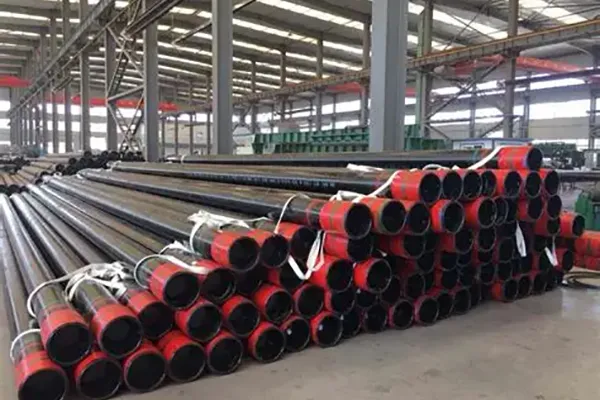
Oil casing must withstand mechanical loads, pressure changes, temperature variations and potentially corrosive well fluids throughout its service life. Its long-term performance depends not only on the casing grade selected at procurement, but also on well design, operating conditions and integrity management. For oil and gas operators, the practical goal is to identify deterioration early, understand its cause and make informed decisions about continued operation, repair or replacement.
1. Start With the Right Casing Design
Casing service life begins with a design that reflects the expected well conditions. Engineers should consider the anticipated loads, well geometry, pressure and temperature conditions, connection requirements and the chemical environment. The selected casing grade, dimensions and connection type must meet the approved design basis and applicable specifications. A casing string suitable for one well may not be appropriate for another with different loads or fluid conditions. Changes to the planned well design or operating envelope should therefore trigger an engineering review rather than an assumption that the original casing selection remains suitable.
Production adjustments, stimulation treatments and workovers can change the loads or environment experienced by casing. Changes in pressure, temperature, fluid composition or operating procedures may introduce conditions that were not fully represented in the original design. Before a significant intervention, operators should review the casing configuration, operating history and approved procedures. Where a proposed change could affect well integrity, its implications should be assessed by qualified personnel before work proceeds. Accurate operating records also help engineers connect unusual behavior with specific events, making later investigations more useful.
3. Monitor Well Integrity Trends
Regular monitoring helps operators understand how a well behaves over time. Depending on the well configuration and risk profile, relevant information may include pressure observations, production data, fluid chemistry and results from suitable casing integrity diagnostics. A single reading rarely provides enough information to establish the condition of a casing string. Changes should be evaluated against established baselines, operating limits and the wider well history. Where observations indicate a potential integrity issue, the next step is to determine whether further investigation is needed. Monitoring frequency, diagnostic methods and intervention criteria should follow the well's integrity management plan rather than a universal schedule.
Corrosion and mechanical wear can reduce casing wall thickness or contribute to other forms of deterioration. The severity depends on factors such as fluid chemistry, temperature, material selection, contact conditions and operating history. The assessment should begin with the suspected damage mechanism. For example, a corrosive environment may require a different investigative approach from suspected localized wear or mechanical damage. Where the condition of installed casing is uncertain, suitable inspection or diagnostic methods may be needed to establish the extent and significance of deterioration. Qualified engineers should interpret the findings and determine whether corrective action is necessary. No single inspection method can identify every possible damage mechanism under all well conditions.
5. Manage Workovers and Other Interventions Carefully
Workovers and other well interventions should follow approved procedures that account for the installed casing, equipment configuration and known integrity concerns. Before work begins, review relevant operating records and previous inspection findings. During the intervention, document significant observations, unexpected conditions and required test results. Any abnormal pressure behavior or evidence of damage should be assessed rather than dismissed as routine. Good intervention planning helps teams avoid introducing additional risks while working on a well with existing integrity concerns.
6. Maintain Traceable Records and Procurement Documents
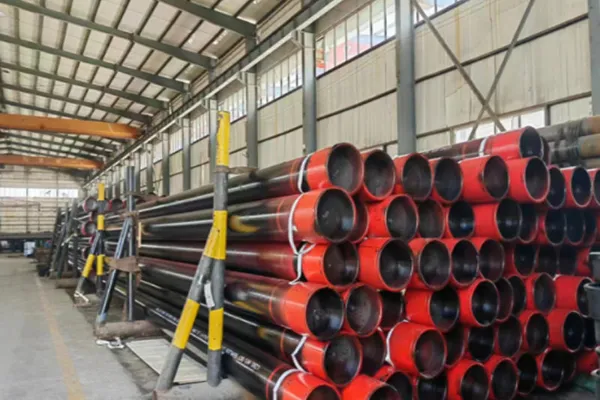
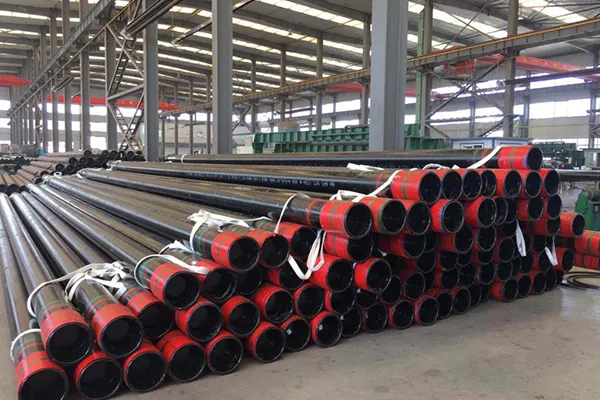
Reliable records support better decisions throughout a well's operating life. Important information may include casing specifications, material grade, connection details, inspection findings, repairs and changes to operating conditions. Procurement documentation is also important. Material test certificates, heat-number traceability, dimensional inspection records and other required quality documents help verify that supplied casing conforms to the approved order requirements, where applicable. For future purchases, specifications should clearly define the required grade, dimensions, connections, applicable standards and inspection scope. Reviewing these details before supply helps reduce the risk of receiving materials that do not match the project requirements.
A Practical Approach to Oil Casing Service Life
Extending oil casing service life is an ongoing engineering responsibility, not the result of a single maintenance action. Sound design, appropriate material selection, controlled operations, condition monitoring and reliable documentation all contribute to effective casing integrity management. The appropriate response to suspected deterioration depends on the evidence available and the well's operating requirements. Decisions about continued operation, repair or replacement should be made by qualified personnel using suitable engineering assessments.
FAQ
Q1: What factors affect oil casing service life?
A1: Key factors include design loads, material and connection suitability, corrosion, mechanical wear, operating conditions and the effectiveness of integrity monitoring.
Q2: Can regular monitoring prevent oil casing failure?
A2: Monitoring cannot prevent every failure. It can, however, help identify changes that warrant further investigation and support timely engineering decisions.
Q3: How can corrosion damage to oil casing be assessed?
A3: The assessment depends on the suspected corrosion mechanism, well conditions and available diagnostic information. Suitable inspection methods should be selected and interpreted by qualified personnel.
Q4: Why are material certificates important when purchasing oil casing?
A4: Material certificates and associated traceability records help verify the supplied material against the specified grade and applicable order requirements. They form part of quality verification but do not replace the need for other required inspections.










 English
 Español
 русский язык
 Português