Industry News

Hunan Great Steel Pipe Co., Ltd
casing damage during cementing,oil casing cementing,casing running problems,casing connection inspection,well casing integrity

How to Reduce Casing Damage During Cementing Operations

Date: 2026-10-14
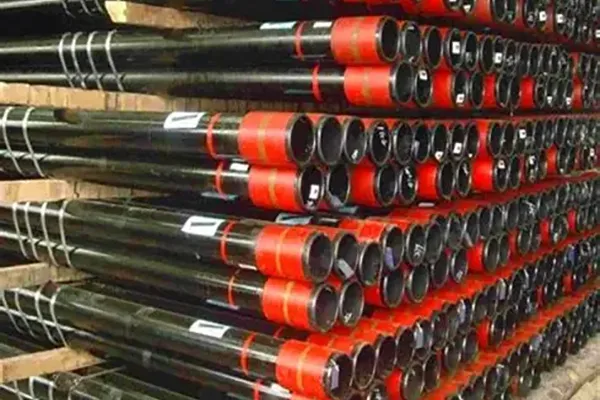
Casing damage during cementing can complicate well construction, delay subsequent operations, and raise concerns about well integrity. Although cementing helps support the casing string and isolate formations, the operation involves mechanical loads, fluid pressure, and coordination between drilling and cementing teams. Reducing the risk starts before casing reaches the well. Correct specifications, careful handling, properly prepared connections, and a well-specific cementing program all help prevent avoidable problems. No single measure eliminates every risk, but systematic checks can improve operational control.

1. Identify Potential Causes of Casing Damage

Casing may experience mechanical stress during transportation, handling, running, and cementing. Potential problems include impact damage, excessive drag, connection defects, unexpected obstructions, and pressure conditions outside the design assumptions. Risk depends on well geometry, casing dimensions, material properties, fluid conditions, and the planned operating sequence. Damage discovered during cementing should not automatically be attributed to cementing pressure. The cause may originate earlier during transportation, storage, handling, or installation. A well-specific risk review helps the engineering team identify relevant failure scenarios and establish suitable controls before operations begin.

2. Verify Casing Specifications and Connections

Before dispatch and installation, confirm that the supplied casing matches the approved casing program. Key checks include:
  • Steel grade, outside diameter, and specified wall thickness
  • Connection type, thread form and joint length
  • Required material certificates and inspection records
  • Product identification and traceability
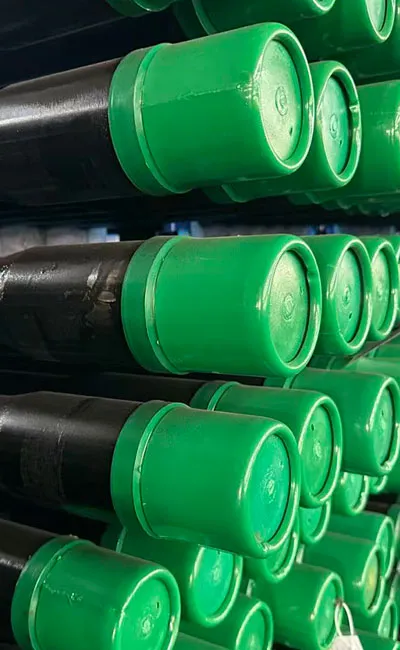
  • Thread protectors, coupling condition and packing arrangements
API Spec 5CT covers technical delivery conditions for casing and tubing, including applicable dimensions, grades and end finishes. API Spec 5B addresses threading, gauging and inspection requirements for covered connections. The applicable editions, amendments, and supplementary requirements should be checked against the purchase order and project specification. Threads and connection surfaces should be cleaned and inspected according to the specified procedures before assembly. If a connection does not assemble as expected, investigate the cause rather than forcing it into place.

3. Protect Casing During Handling and Running

Casing joints can be damaged by unsuitable lifting equipment, rough handling or contact with abrasive surfaces. Localized damage to threads or sealing surfaces may affect connection performance. Use appropriate lifting and handling equipment, avoid dragging joints across the ground, and keep thread protectors in place during storage and transportation. Remove them when the connection is ready for preparation. During casing running, the crew should follow the approved operating procedure and monitor for abnormal resistance or unexpected changes. If the casing does not move as anticipated, follow the well-specific response plan rather than improvising corrective actions that could introduce additional loads.

4. Coordinate Cementing Parameters With the Well Design

Cementing parameters must be evaluated in relation to the casing design and actual well conditions. The engineering review should consider the planned fluid program, anticipated pressure conditions, casing load limits, and relevant operational contingencies. Drilling and cementing teams should work from the approved program and monitor operating data throughout the job. Unexpected pressure readings, abnormal returns or other deviations should be investigated under established procedures. There is no universal pressure limit or cementing schedule suitable for every casing string. Acceptable conditions depend on the well design, casing properties, formation characteristics, and engineering calculations. Operational decisions should remain with qualified personnel responsible for the specific well.

5. Investigate Abnormal Conditions Before Proceeding

Unexpected pressure behavior, suspected leakage, or unusual changes during cementing can have several possible explanations. These observations do not, by themselves, prove casing failure. The responsible team should review pressure records, fluid volumes, equipment condition, and the sequence of events. If casing damage or loss of well integrity is suspected, further assessment should follow the applicable safety procedures and well-specific response plan. Accurate operational records help establish what occurred, document decisions and determine whether additional inspection or testing is necessary.

6. Build Prevention Into Project Procurement

Casing protection begins well before installation. Buyers and project teams should confirm that supplied products, connection requirements, and documentation align with the approved design. For project orders, coordinate casing specifications, material identification, agreed inspection records and packing requirements before dispatch. Inspection scope should reflect the applicable standard, purchase order, and project-specific requirements rather than relying on a generic checklist. For international supply projects, coordination among sourcing, inspection, documentation, and logistics teams helps reduce specification discrepancies and delivery-related problems. The objective is to ensure that materials arriving at the well site match the approved requirements and are appropriately protected during transportation and handling.

FAQ

Q1: What can cause casing damage during cementing?
A1: Potential causes include prior handling damage, excessive mechanical loads, connection problems, unexpected obstructions, and pressure conditions outside the design assumptions. The actual cause must be assessed using the well conditions and available operating records.
Q2: Should casing threads be inspected before running?
A2: Yes. Threads and connections should be cleaned, prepared, and inspected according to the applicable specification and approved procedures. Thread protectors should also be checked during storage and handling.
Q3: What should buyers verify before casing is dispatched?
A3: Buyers should confirm the specified grade, dimensions, connection type, product identification, required inspection documentation, and packing arrangements. Discrepancies with the approved casing program should be resolved before dispatch.
Q4: What should the team do if abnormal pressure behavior occurs?
A4: Follow the approved operating procedure and have qualified personnel evaluate the readings and related operational data. Abnormal pressure behavior alone does not establish that the casing has failed.

Conclusion

Reducing casing damage during cementing requires attention to the entire supply and installation process. Specification verification, connection inspection, careful handling, engineering coordination, and accurate records help teams manage avoidable risks. Aligning product requirements and project procedures before installation supports more controlled casing operations and helps protect well integrity.

Latest news list

  • oil casing manufacturing,API casing production process,oil casing quality control,oil casing threading,API casing inspection
    Oil casing is a critical component of an oil or gas well,Installed inside the wellbore,it supports the well structure and provides a barrier that can be cemented in place to isolate formations,Its performance depends on material properties,dimensional accuracy,connection integrity and compliance with the applicable product specification,For drilling contractors,project engineers and procurement teams,understanding the oil casing manufacturing process helps clarify which production stages and inspection records matter when evaluating a supplier,
  • hollow section inspection,hollow section maintenance,hollow section corrosion,steel structure maintenance
    Steel hollow sections are widely used in buildings,industrial facilities,canopies and other structural applications,Once installed,their condition can change due to weather exposure,coating damage,impact,water accumulation or changes in service conditions,
  • hollow section supply for overseas construction projects,hollow section supplier,square hollow sections,rectangular hollow sections,hollow section export
    International hollow section orders involve more than supplying square or rectangular steel tubes,For overseas construction projects,buyers also need to consider specification compliance,supply coordination,inspection,export documentation,packing and delivery schedules,
  • hollow section service life,hollow section maintenance,hollow section durability,hollow section corrosion control,steel structure
    The service life of square and rectangular hollow section steel structures depends on more than the original steel grade,Environmental exposure,corrosion protection,fabrication quality,loading conditions,and maintenance all influence long-term performance,For building owners,project engineers and maintenance teams,extending service life starts with understanding how these factors interact,Addressing deterioration early can help reduce repair costs,avoid unnecessary downtime and maintain the intended performance of the structure,
  • square vs rectangular hollow section,SHS vs RHS,structural hollow section,hollow section selection,structural steel pipe
    Square hollow sections (SHS) and rectangular hollow sections (RHS) are widely used in structural steelwork,equipment supports,industrial frames and fabricated assemblies,Both offer a closed-section profile,but their different geometries affect how they perform in a particular application,So,which is better for your project? The answer depends on the loading conditions,required section properties,available space,connection design and procurement requirements,Neither shape is universally superior,

Find what you need ?

close
We use cookies and other tracking technologies to improve your browsing experience on our website, to show you personalized content and targeted ads, to analyze our website traffic, and to understand where our visitors are coming from.