5. Record Findings and Plan Follow-Up
Consistent records help maintenance teams distinguish existing defects from new or developing problems. Each inspection record should include:
-
Inspection date and structural location
-
Description and extent of the observed defect
-
Photographs showing the defect and its position
-
Comparison with previous inspection results, where available
-
Recommended action and follow-up date
After identifying a defect, document it, assess its potential significance, and determine the appropriate next step. Depending on the findings, this may involve routine maintenance, coating repair, additional testing or engineering assessment. Significant or potentially progressive defects should be addressed through the applicable safety and maintenance procedures. Inspection frequency should reflect the structure's exposure, importance, design requirements, and operating conditions. A single schedule is not suitable for every installation.
6. Connect Inspection With Project Quality Records
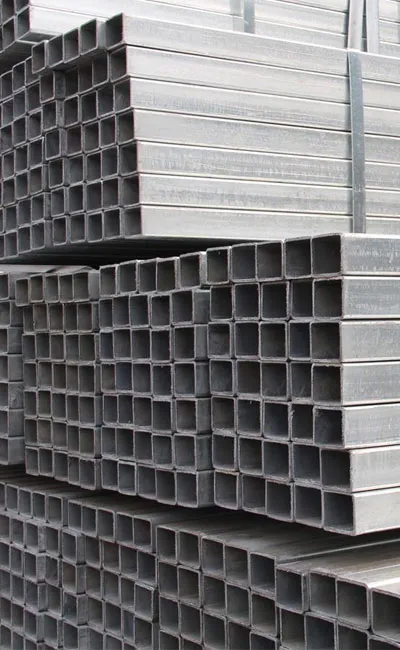
For steel structure projects, installation records, product identification, and available inspection documentation provide a useful baseline for future maintenance. Keeping these records organized helps owners and maintenance teams compare field conditions with the original supply and installation information. For hollow section supply projects, confirming specifications and maintaining traceable documentation before dispatch can support later identification and review. Product quality is important, but long-term performance also depends on installation quality, environmental exposure, structural design, and ongoing maintenance.
FAQ
Q1: What should be checked after hollow sections are installed?
A1: Check accessible surfaces, coatings, welded and bolted connections, visible deformation, drainage areas, and signs of corrosion. The inspection scope should reflect the structure's design and operating environment.
Q2: Can a visual inspection confirm that a hollow section is structurally safe?
A2: No. Visual inspection can identify visible warning signs, but it cannot establish structural capacity or detect every internal defect. Suspected cracks, significant deformation or serious corrosion may require professional assessment and additional testing.
Q3: How often should hollow sections be inspected?
A3: The frequency depends on the structure's importance, exposure conditions, design requirements, and maintenance plan. Outdoor and industrial structures may require closer monitoring where corrosion or coating damage is more likely.
Q4: Does every defect require replacement?
A4: No. The appropriate response depends on the defect's type, extent, cause, and potential effect on structural performance. Repairs, further testing or replacement should be determined according to the applicable technical requirements.
Conclusion
Regular hollow section inspection helps maintenance teams identify deterioration, document changes, and plan appropriate action. By checking surfaces, connections, deformation, and drainage conditions—and retaining clear records—structure owners can make better-informed maintenance decisions throughout the service life of their steel structures.










 English
 Español
 русский язык
 Português