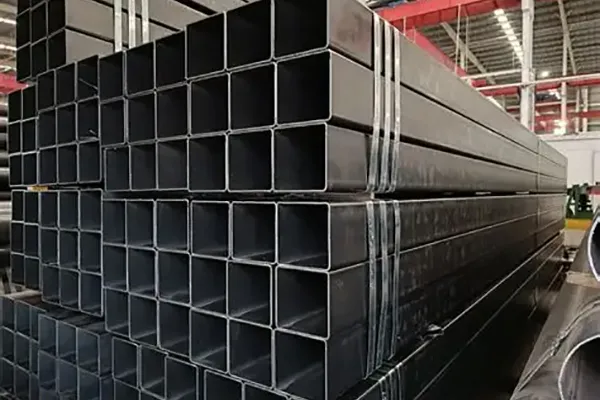
The service life of square and rectangular
hollow section steel structures depends on more than the original steel grade. Environmental exposure, corrosion protection, fabrication quality, loading conditions, and maintenance all influence long-term performance. For building owners, project engineers and maintenance teams, extending service life starts with understanding how these factors interact. Addressing deterioration early can help reduce repair costs, avoid unnecessary downtime and maintain the intended performance of the structure.
Moisture, airborne salts, industrial contaminants and chemicals can accelerate deterioration of carbon steel structures. Hollow sections used in coastal facilities, outdoor platforms, warehouses and industrial plants may face different exposure conditions, even when their dimensions and material grades are similar. Review the environment around the structure for persistent moisture, chemical exposure and areas where water repeatedly accumulates. Improving drainage or correcting structural details may help prevent recurring damage. Where environmental exposure is severe, the original material and corrosion protection requirements should be reviewed against the actual operating conditions.
2. Maintain the Corrosion Protection System
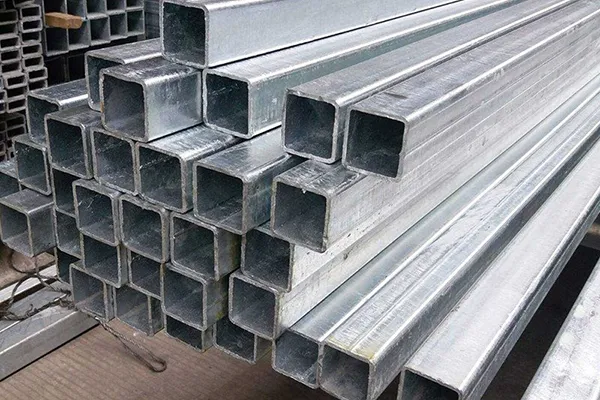
Protective coatings and galvanizing can reduce corrosion risk, but neither eliminates the need for maintenance. Pay particular attention to welds, cut ends, connections and areas where lifting, installation or subsequent fabrication may have damaged the protective layer. When coating damage is identified, the affected area should be assessed and repaired according to the specified protection system. Extensive rust should not simply be covered with fresh paint. The underlying steel condition should first be evaluated to determine whether section loss or other deterioration has occurred. For more details on prevention methods, see our guide to
corrosion protection for hollow sections.
3. Monitor Connections and Structural Condition
Connections are important to the performance of a hollow section structure. Bolts, welds, brackets and supporting interfaces can be affected by moisture, mechanical movement, impact or changes in loading. Maintenance teams should look for loose or damaged connections, visible cracking, unexpected movement and signs of deterioration around welded areas. Unexpected vibration, deformation or misalignment may indicate a change in structural or operating conditions. Possible causes include increased loading, equipment modification, foundation movement or corrosion-related section loss. Where cracks, significant deformation or suspected structural damage are found, a qualified engineer should assess the condition before repairs or continued operation are decided.
4. Prevent Damage During Modification and Repair
Drilling, cutting, welding and attaching new components can change the condition of an existing steel structure. These operations may damage coatings, expose bare steel or introduce additional loads that were not included in the original design. Before modifying a hollow section structure, confirm that the proposed work is compatible with the structural requirements and corrosion protection system. After authorized modifications, inspect affected areas and restore surface protection where required. Repairs should address the cause of the problem rather than only its visible symptoms.










 English
 Español
 русский язык
 Português