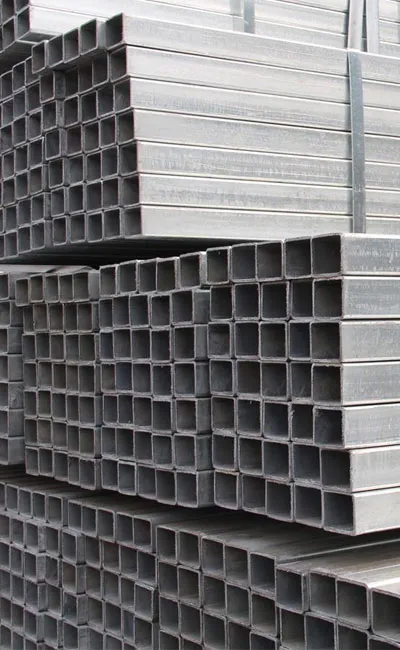
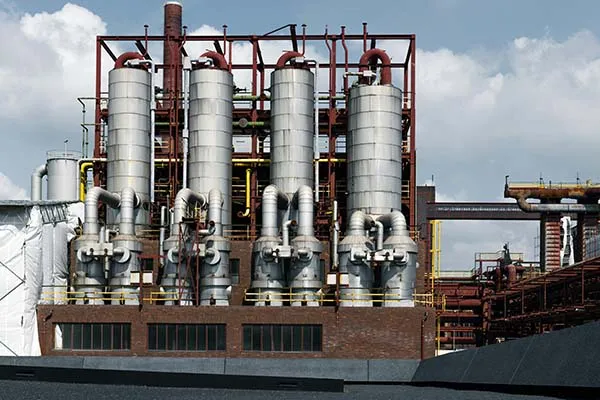
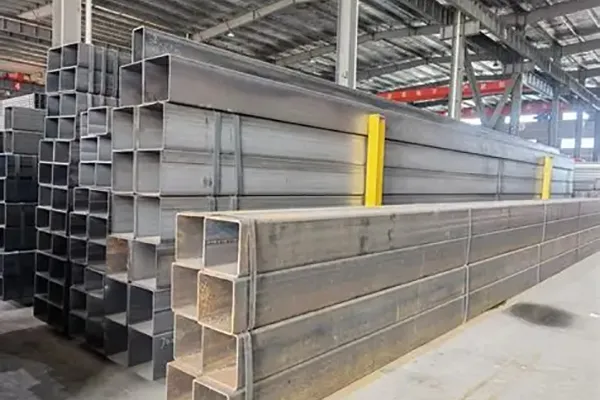
Square and rectangular hollow sections (SHS and RHS) are widely used in outdoor steel structures, including building frames, equipment supports, walkways, canopies, and industrial platforms. Their suitability depends not only on section dimensions and steel grade, but also on how the structure is detailed, protected, installed, and maintained. Rain, humidity, airborne salts, industrial pollutants, and temperature changes can accelerate corrosion or damage protective coatings.
Selecting the right hollow section is therefore only part of the solution. Long-term performance also depends on drainage, fabrication quality, corrosion protection, and inspection planning.
1. Assess the Outdoor Environment
Before specifying hollow sections, identify the conditions the structure will face throughout its service life. A steel frame in a relatively dry inland location may have different protection requirements from one near the coast or inside a humid industrial facility. Salt deposits, chemical contaminants, frequent condensation, and prolonged moisture can increase corrosion risk. ISO 12944-2 provides a framework for classifying the corrosivity of environments and helps inform the selection of protective paint systems. The appropriate protection level should be determined from the actual exposure conditions and project requirements, not simply from whether the structure is outdoors. During project planning, consider:
-
Location and exposure to rain, humidity, and airborne salts
-
Industrial pollution or chemical contamination
-
Required service life and maintenance access
-
Specified coating system and surface preparation
-
Inspection and repair requirements
These factors help engineers and project teams define suitable protection measures before fabrication begins.
2. Detail Hollow Sections to Prevent Water Accumulation
Water management is particularly important for hollow-section structures. Horizontal members, connection plates, end details, and interfaces between components can create locations where water collects or drainage is restricted. Where practical, structural details should allow exposed surfaces to drain and dry. Avoid creating unnecessary ledges, narrow gaps, or pockets that retain moisture and debris. The treatment of hollow-section ends also requires attention. Depending on the design, a section may be intentionally sealed or designed with suitable drainage and ventilation. These approaches are not interchangeable: sealed sections need properly designed, continuous closures, while open or drained sections need details that prevent water from entering and becoming trapped. Drainage or ventilation holes should never be added without checking the structural design, fabrication requirements, and corrosion-protection specification. Their location and size must suit the intended detail.
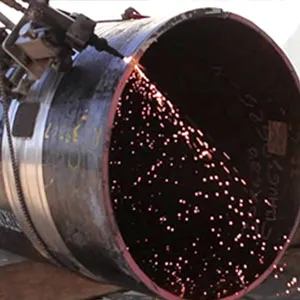
Cutting, drilling, welding, handling, and installation can expose bare steel or damage an existing coating. Welds, sharp edges, corners, and connections may also be more difficult to protect uniformly. The required treatment depends on the specified corrosion-protection system. Before applying a coating, fabricated surfaces should receive the preparation required by the project specification and coating manufacturer. Damaged areas should then be repaired using an approved procedure compatible with the original system. For galvanized or painted hollow sections, confirm whether the project requires protection before fabrication, after fabrication, or both. The sequence affects which surfaces can be adequately treated and inspected. A coating that looks intact across most of a member does not guarantee that welds, edges, and connection areas are adequately protected.
4. Inspect the Structure After Installation
Inspection should continue after erection, particularly where transport, lifting, bolting, or site welding may have damaged protective finishes. A practical inspection checklist includes:
-
Scratches, coating chips, and exposed steel
-
Rust staining or visible corrosion
-
Water accumulation around connections and base plates
-
Blocked drainage paths
-
Damaged welds, bolts, or structural connections
-
Visible deformation or impact damage
The inspection frequency should reflect the environment, coating system, project specification, and observed condition. Coastal or heavily polluted locations may require closer attention than less aggressive environments. Where defects are found, assess their cause before repair. Repainting alone may not resolve recurring corrosion if the underlying problem is trapped moisture or poor drainage.










 English
 Español
 русский язык
 Português