Product News

Hunan Great Steel Pipe Co., Ltd
hollow section corrosion protection,square steel pipe corrosion,rectangular steel pipe corrosion,hollow section protection,steel hollow section maintenance

How to Prevent Corrosion in Hollow Section Steel Structures

Date: 2026-10-08
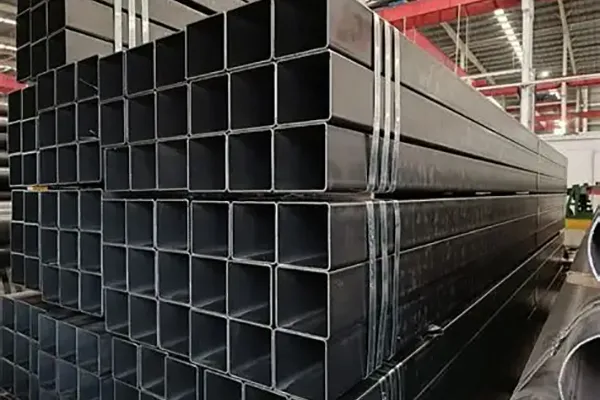
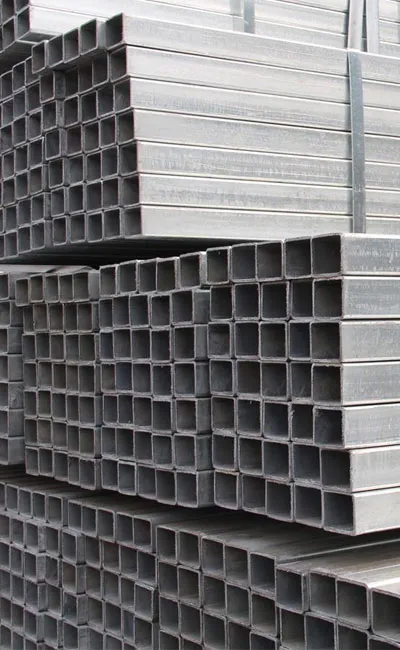
Square and rectangular hollow sections are widely used in structural frames, equipment supports, industrial platforms and fabricated steel structures. Their closed profiles provide an efficient combination of strength, stiffness and clean geometry, but carbon steel hollow sections can corrode when they are exposed to moisture, salts, chemicals or other aggressive conditions. For engineers, fabricators and project buyers, corrosion protection should be considered before installation. Material selection, fabrication, surface preparation, coating, handling and site conditions all influence how well a hollow section performs over time.

Why Do Hollow Sections Corrode?

Corrosion occurs when carbon steel is exposed to moisture and oxygen, with the process often accelerated by salts, industrial contaminants or chemicals. Outdoor hollow sections may be exposed to rain, condensation, temperature changes and airborne pollutants. Industrial structures can face additional exposure from process water, chemical vapors and corrosive gases. Coastal projects may also experience higher chloride exposure. The corrosion risk therefore depends on more than the steel grade alone. Important factors include:
  • Service environment
  • Surface condition
  • Protective coating
  • Structural detailing
  • Water accumulation
  • Fabrication quality
  • Maintenance conditions
A corrosion protection system should be selected according to the actual application rather than using the same approach for every project.

Protect Welds, Connections and Cut Ends

Fabrication areas deserve particular attention during corrosion control. Welds, bolted connections, brackets and cut ends can become vulnerable when the original surface protection is interrupted or damaged during fabrication. Field welding can also leave areas that require additional surface preparation and coating repair. For coated hollow sections, damaged areas should be treated according to the specified protection system. Where fabrication takes place after delivery, the repair procedure should be agreed before work begins. This is particularly important for project orders because corrosion protection requirements can affect not only the steel section itself, but also cutting, welding, assembly and final inspection.

Avoid Water Traps During Structural Design

Water retention is a common contributor to premature corrosion. On an installed structure, moisture may remain around connections, brackets, stiffeners or poorly detailed interfaces. Surfaces that remain wet for long periods provide a more favorable environment for corrosion than surfaces that can drain and dry naturally. Structural detailing should therefore minimize unnecessary water traps. For hollow sections that require drainage, venting or sealed connections, these details should be considered during engineering and fabrication. They should not be treated solely as maintenance issues after the structure has been installed. Internal moisture can also require consideration where water or condensation may enter the hollow section through openings or fabrication details. The appropriate solution depends on the structural design and project requirements.

Choose the Protection System for the Service Environment

There is no single corrosion protection method suitable for every hollow section application. For general outdoor structures, an appropriate paint coating system may provide effective protection when the steel surface is properly prepared and the coating is correctly applied. For more demanding environments, hot-dip galvanizing or specialized coating systems may be considered. Before selecting a system, project teams should evaluate:
  • Environmental exposure
  • Required service life
  • Surface preparation
  • Operating temperature
  • Risk of mechanical damage
  • Maintenance accessibility
  • Fabrication requirements
  • Project specifications
For international project procurement, these requirements should be confirmed before production so that material supply, fabrication and surface treatment remain consistent with the project specification.

Protect Hollow Sections During Handling and Transport

Corrosion protection can be compromised before the product reaches the job site. Cutting, drilling, welding, lifting and loading may damage coated surfaces. Improper storage can also expose unprotected carbon steel to rain or condensation. Before shipment, hollow sections should therefore be checked for visible surface damage and conditions that may affect subsequent coating or fabrication. For overseas orders, suitable packing and transportation arrangements can help reduce unnecessary exposure during long-distance shipment and temporary storage. This is especially relevant when hollow sections are supplied for projects where fabrication will begin shortly after delivery.

Inspection Should Begin Before Corrosion Appears

Corrosion control is more effective when early signs are identified before significant deterioration develops. During routine checks, maintenance teams should pay attention to:
  • Coating blistering or peeling
  • Discoloration
  • Rust around welds
  • Corrosion near connections
  • Damaged coating
  • Repeated water accumulation
  • Exposed steel at cut or modified areas
The appropriate inspection frequency depends on the exposure environment, protection system, structural importance and project maintenance requirements. The objective is not simply to find rust. It is to identify where the protection system has been compromised and address the cause before corrosion becomes more extensive.

A Practical Approach for Project Buyers

For a hollow section project, corrosion protection should be connected to the complete supply process: Material Selection → Fabrication → Surface Preparation → Protection → Packing & Delivery → Installation. The supplier and project team should confirm the steel grade, dimensions, surface requirements, coating or galvanizing requirements and inspection documentation before production begins. This approach helps avoid a common project problem: specifying the correct hollow section but leaving corrosion protection until the fabrication or installation stage. For square and rectangular hollow sections, long-term performance depends not only on the steel itself, but also on how the product is specified, fabricated, protected and handled.

FAQ

Q1: Do hollow sections rust outdoors?
A1: Yes. Carbon steel square and rectangular hollow sections can corrode when exposed to moisture, oxygen and aggressive environmental conditions without suitable protection.
Q2: What is the best corrosion protection for hollow sections?
A2: There is no universal solution. Paint coatings, hot-dip galvanizing and other protection systems should be selected according to the service environment, expected service life, fabrication requirements and project specification.
Q3: Are welded areas more vulnerable to corrosion?
A3: They can be. Welding and other fabrication operations may interrupt or damage the original surface protection. Exposed areas should be properly prepared and repaired according to the specified protection system.
Q4: Can hollow sections corrode during transportation?
A4: Yes. Moisture exposure, condensation and coating damage during handling or storage can contribute to corrosion. Suitable packing, handling and storage conditions should therefore be considered for export projects.
Q5: How can corrosion be prevented in square and rectangular steel pipes?
A5: Start with the correct material and protection system, minimize water accumulation, protect fabricated areas, control surface condition during handling and establish an inspection program appropriate to the service environment.

Latest news list

  • hollow section manufacturing,square steel pipe,rectangular steel pipe,hollow section production,hollow section quality control
    Square and rectangular hollow sections are widely used in structural frames,industrial equipment,construction projects and fabricated steel structures,Their appearance is simple,but producing a section with consistent dimensions,wall thickness,straightness and material performance requires control at several stages,
  • alloy steel pipe buying guide,buy alloy steel pipe,alloy steel pipe supplier,alloy steel pipe export
    Buying alloy steel pipe for an international project involves more than comparing prices per tonne,For EPC contractors,distributors and industrial buyers,procurement needs to connect technical specifications,quality control,inspection,documentation and logistics,A well-defined purchasing process helps reduce specification gaps,inspection delays and delivery problems before the pipe reaches the project site,
  • how to select alloy steel pipe,alloy steel pipe selection,alloy steel pipe buying guide,high temperature alloy steel pipe
    Selecting alloy steel pipe should start with the actual service conditions,not simply with a supplier's product catalog,In boiler,power generation and refinery applications,temperature,pressure,process medium and material properties all affect pipe selection,For example,ASTM A335,A335M-26 covers seamless ferritic alloy-steel pipe for high-temperature service,The standard states that selection depends on design,service conditions,mechanical properties and high-temperature characteristics,For buyers,a structured selection process helps prevent specification gaps before production begins,
  • alloy steel pipe maintenance,alloy steel pipe boiler usage,alloy steel pipe refinery,high temperature pipe maintenance
    Alloy steel pipe is widely used in boiler,power generation and refinery systems where piping is exposed to elevated temperatures,pressure and demanding process conditions,Selecting the correct alloy grade is important,but material selection alone does not determine service life,Long-term performance also depends on operating conditions,thermal exposure,wall thickness,fabrication quality,inspection and maintenance,For example,ASTM A335,A335M-26 covers seamless ferritic alloy-steel pipe for high-temperature service and states that material selection depends on design,service conditions,mechanical properties and high-temperature characteristics,
  • alloy steel pipe quality control,alloy steel pipe inspection,alloy steel pipe mechanical properties
    For alloy steel pipe used in boilers,power plants,refineries and other demanding industrial systems,quality control should cover the complete supply chain from raw material identification to final shipment,A pipe can meet the required outside diameter and wall thickness and still fail to satisfy the project specification if the material grade,heat treatment,mechanical properties or inspection records are incorrect,For buyers,effective quality control means verifying both the physical product and the evidence behind it,

Find what you need ?

close
We use cookies and other tracking technologies to improve your browsing experience on our website, to show you personalized content and targeted ads, to analyze our website traffic, and to understand where our visitors are coming from.