Industry News

Hunan Great Steel Pipe Co., Ltd
hollow section manufacturing,square steel pipe,rectangular steel pipe,hollow section production,hollow section quality control

How Are Square and Rectangular Hollow Sections Manufactured

Date: 2026-10-08
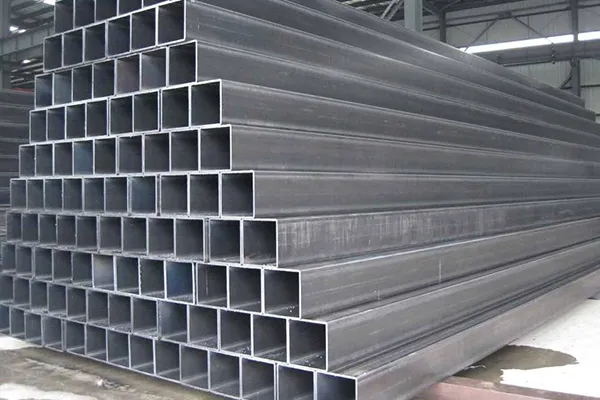
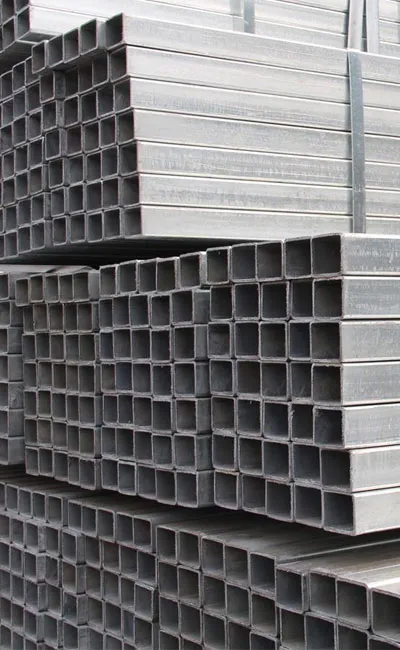
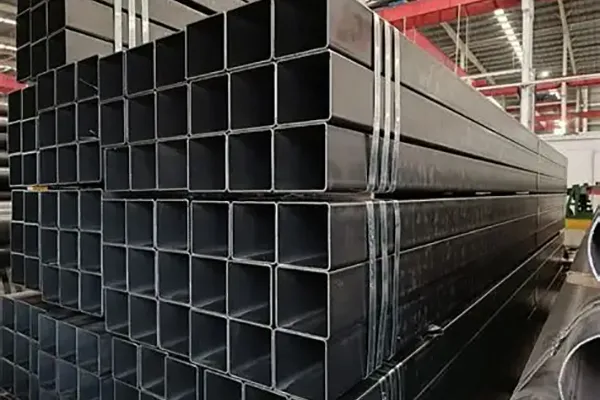
Square and rectangular hollow sections are widely used in structural frames, industrial equipment, construction projects and fabricated steel structures. Their appearance is simple, but producing a section with consistent dimensions, wall thickness, straightness and material performance requires control at several stages. For engineers and technical buyers, understanding how hollow sections are manufactured provides a better basis for evaluating product quality, inspection requirements and supplier capability.

Material Selection and Traceability

Production begins with steel material that matches the required grade, dimensions and applicable product specification. The material may be selected for general structural use or for a specific project requirement. Before forming, key information such as the material grade, heat number, dimensions and surface condition is checked against the order requirements. Heat number traceability is particularly important for project orders because it provides a link between the supplied product and its original material documentation. For export projects, this traceability also supports the preparation and review of inspection documents and material certificates.

Forming the Hollow Section

For welded hollow sections, steel strip is progressively formed into the required profile. The forming sequence is controlled to achieve the specified outside dimensions, wall thickness and corner geometry without introducing unnecessary deformation. The objective is not simply to create a square or rectangular shape. The finished section needs to remain dimensionally consistent so that it can be cut, welded, fabricated and assembled efficiently at the project site. Depending on the product and manufacturing route, forming conditions and sizing operations may vary. This is why the applicable specification and production method should be considered together rather than treating all hollow sections as identical products.

Welding and Section Sizing

For welded hollow sections, the longitudinal seam is welded under controlled production conditions. Welding quality is important because the seam becomes an integral part of the finished section. After welding, sizing operations help establish the final square or rectangular profile. Dimensional control at this stage is particularly important for applications involving structural fabrication, where variations in section size can affect fit-up and assembly. Typical production checkpoints include:
  • Outside dimensions
  • Wall thickness
  • Length
  • Straightness
  • Surface condition
  • Weld appearance
  • Corner condition
The exact inspection scope should follow the applicable standard and the requirements agreed for the project.

Dimensional and Surface Control

Dimensional inspection is one of the most important quality checks for hollow sections. Outside width and height, wall thickness, length and straightness need to remain within the specified tolerances. These characteristics directly affect fabrication and installation, particularly when multiple hollow section sizes are incorporated into the same structure. Surface condition is also reviewed for visible defects or damage that could affect further processing, coating or service performance. For projects involving cutting, welding or surface treatment after delivery, consistent product dimensions can reduce unnecessary adjustment during fabrication.

Quality Inspection Before Delivery

Quality control continues after the section reaches its final shape. Depending on the applicable specification and project requirements, inspection may include dimensional measurement, visual examination, chemical composition verification, mechanical testing and other specified examinations. The inspection process should also connect the physical product with its documentation. For an export order, material certificates, inspection records and packing information need to correspond with the actual products being supplied. For project-based orders, this is where production control and order management come together. The supplier needs to maintain consistency between the customer's specification, production requirements, inspection scope and final documentation.

What Manufacturing Control Means for Buyers

A hollow section may look straightforward, but its performance depends on the consistency of the material, forming, welding, sizing and inspection processes. For structural applications, dimensional accuracy influences fabrication and fit-up. Material properties affect the expected structural performance. Surface condition and subsequent corrosion protection can influence long-term service in outdoor or industrial environments. For this reason, buyers should look beyond the quoted unit price when evaluating a hollow section supplier. The more useful questions are:
  • What material grade and standard will be supplied?
  • How are dimensions and wall thickness controlled?
  • How is material traceability maintained?
  • What inspection is included?
  • What documentation will accompany the shipment?
  • Can the supplier coordinate project-specific requirements?
A clear specification at the beginning of the order helps align production, inspection and delivery with the actual application. For square and rectangular hollow section projects, the right supply process is therefore not simply about producing the required shape. It is about maintaining consistency from material identification through final inspection and export documentation.

FAQ

Q1: What is a hollow section?
A1: A hollow section is a steel structural profile with a closed cross-section. Square and rectangular hollow sections are commonly used in structural frames, construction, equipment supports and fabricated steel structures.
Q2: Are square and rectangular hollow sections welded products?
A2: Many commercial hollow sections are manufactured through welded forming processes, although the specific production route depends on the product type, manufacturing method and applicable specification.
Q3: What is checked during hollow section production?
A3: Common controls include material identification, outside dimensions, wall thickness, length, straightness, surface condition and weld appearance. Additional testing may be required by the applicable standard or project specification.
Q4: Why is heat number traceability important?
A4: Heat number traceability helps connect the finished hollow section with its original steel material and supporting documentation, which is particularly useful for project inspection and international supply.
Q5: What should buyers confirm before ordering hollow sections?
A5: Buyers should confirm the section dimensions, wall thickness, material grade, applicable standard, length, quantity, inspection requirements, documentation and delivery conditions before production begins.

Latest news list

  • hollow section corrosion protection,square steel pipe corrosion,rectangular steel pipe corrosion,hollow section protection,steel hollow section maintenance
    Square and rectangular hollow sections are widely used in structural frames,equipment supports,industrial platforms and fabricated steel structures,Their closed profiles provide an efficient combination of strength,stiffness and clean geometry,but carbon steel hollow sections can corrode when they are exposed to moisture,salts,chemicals or other aggressive conditions,
  • alloy steel pipe buying guide,buy alloy steel pipe,alloy steel pipe supplier,alloy steel pipe export
    Buying alloy steel pipe for an international project involves more than comparing prices per tonne,For EPC contractors,distributors and industrial buyers,procurement needs to connect technical specifications,quality control,inspection,documentation and logistics,A well-defined purchasing process helps reduce specification gaps,inspection delays and delivery problems before the pipe reaches the project site,
  • how to select alloy steel pipe,alloy steel pipe selection,alloy steel pipe buying guide,high temperature alloy steel pipe
    Selecting alloy steel pipe should start with the actual service conditions,not simply with a supplier's product catalog,In boiler,power generation and refinery applications,temperature,pressure,process medium and material properties all affect pipe selection,For example,ASTM A335,A335M-26 covers seamless ferritic alloy-steel pipe for high-temperature service,The standard states that selection depends on design,service conditions,mechanical properties and high-temperature characteristics,For buyers,a structured selection process helps prevent specification gaps before production begins,
  • alloy steel pipe maintenance,alloy steel pipe boiler usage,alloy steel pipe refinery,high temperature pipe maintenance
    Alloy steel pipe is widely used in boiler,power generation and refinery systems where piping is exposed to elevated temperatures,pressure and demanding process conditions,Selecting the correct alloy grade is important,but material selection alone does not determine service life,Long-term performance also depends on operating conditions,thermal exposure,wall thickness,fabrication quality,inspection and maintenance,For example,ASTM A335,A335M-26 covers seamless ferritic alloy-steel pipe for high-temperature service and states that material selection depends on design,service conditions,mechanical properties and high-temperature characteristics,
  • alloy steel pipe quality control,alloy steel pipe inspection,alloy steel pipe mechanical properties
    For alloy steel pipe used in boilers,power plants,refineries and other demanding industrial systems,quality control should cover the complete supply chain from raw material identification to final shipment,A pipe can meet the required outside diameter and wall thickness and still fail to satisfy the project specification if the material grade,heat treatment,mechanical properties or inspection records are incorrect,For buyers,effective quality control means verifying both the physical product and the evidence behind it,

Find what you need ?

close
We use cookies and other tracking technologies to improve your browsing experience on our website, to show you personalized content and targeted ads, to analyze our website traffic, and to understand where our visitors are coming from.