Industry News

Hunan Great Steel Pipe Co., Ltd
structural steel profile corrosion protection,outdoor steel profile corrosion,H-beam rust prevention,angle steel corrosion,galvanized structural steel

How to Prevent Corrosion in Outdoor Structural Steel Profiles

Date: 2026-11-18
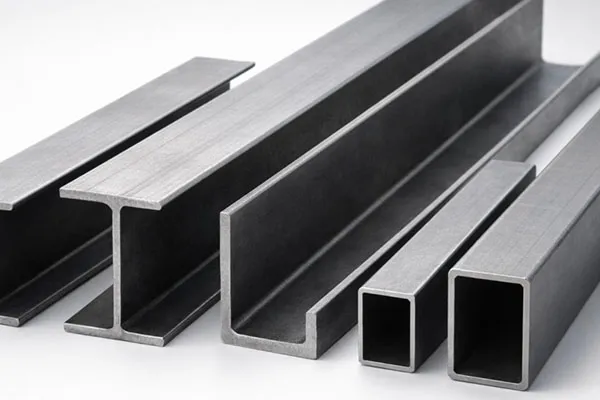
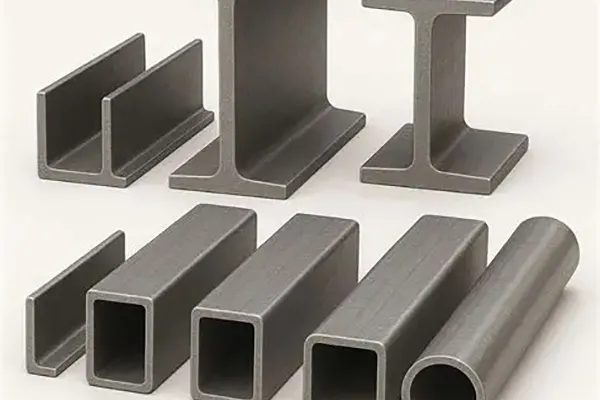
H beams, I beams, U channels, and angle steel are widely used in outdoor structures, including equipment platforms, pipe supports, access walkways, storage facilities, and industrial frames. Once installed, these structure steel profiles are exposed to rain, humidity, airborne pollutants and, in some locations, salt or chemical contamination. Corrosion does not develop evenly across every steel member. Water can collect around connections, beneath base plates or inside poorly drained details. If the protective system does not match the service environment, corrosion may gradually reduce the effective steel section and increase maintenance costs. Effective corrosion protection starts with understanding the exposure conditions, selecting a suitable protective system, and addressing details that allow moisture to accumulate.

1. Identify the Corrosion Conditions

The first step is to assess the environment in which the steel structure will operate. A dry inland location may present different corrosion risks from a coastal installation or an industrial facility exposed to chemical pollutants. Important factors include:
  • Rainfall, humidity and condensation
  • Salt spray and marine atmosphere
  • Industrial gases and airborne chemicals
  • Standing water and wet soil contact
  • Temperature changes and repeated wet-dry cycles
  • Contact between dissimilar metals that may cause galvanic corrosion
For projects using protective paint systems, ISO 12944-2 provides a framework for classifying environmental corrosivity. The appropriate category should be established from actual exposure conditions, not simply assumed from the project's location.

2. Choose a Suitable Protective System

The protective system should match the exposure environment, expected service life, maintenance access and project specification. Three common approaches are used for outdoor structural steel.
Industrial Paint Systems: Protective paint systems commonly use a primer, intermediate coat and finishing coat. Their performance depends on surface preparation, coating compatibility, specified dry film thickness and correct application. Edges, welds and connection details need particular attention because coating coverage can be difficult to maintain in these areas.
Hot-Dip Galvanizing: Hot-dip galvanizing applies a zinc coating to steel by immersing prepared components in molten zinc. The coating provides barrier protection and sacrificial protection where the zinc protects exposed steel around small damaged areas. Section dimensions, fabrication details and steel chemistry can influence the galvanizing result. For hollow or enclosed components, venting and drainage must be considered during design so that cleaning solutions and molten zinc can flow safely through the fabrication. These details should be agreed with the galvanizing specialist before fabrication.
Duplex Protection: A duplex system combines hot-dip galvanizing with an additional paint coating. When the paint system is compatible with the galvanized surface and correctly applied, the two protective layers can provide complementary corrosion protection. No system is maintenance-free. The final choice should follow the project specification and the actual service conditions.

3. Prevent Water Traps in Structural Details

Structural design can have a direct influence on corrosion risk. U channels may collect water if installed in an unsuitable orientation or without adequate drainage. Angle steel connections, overlapping plates and bolted joints can create crevices where moisture and contaminants accumulate. During design and fabrication, consider:
  • Providing drainage paths where water may collect
  • Avoiding unnecessary crevices and inaccessible gaps
  • Protecting vulnerable interfaces as specified
  • Maintaining coating coverage around edges and welds
  • Keeping steel clear of persistent standing water where practical

Drainage modifications must be coordinated with the structural design. Cutting or drilling a load-bearing member on site without engineering approval is not an acceptable corrosion-control measure.


4. Inspect High-Risk Areas Regularly

Inspection should focus on locations where moisture, coating damage or contamination is more likely. Typical areas include:
  • Base plates and anchor-bolt zones
  • Welds, cut edges and bolted connections
  • Undersides of horizontal members
  • Contact points between dissimilar materials
  • Areas near drains, pipe leaks or chemical equipment
  • Surfaces damaged during installation or maintenance
Look for blistering, peeling, rust staining, flaking and signs of underfilm corrosion. Where required, coating thickness measurements and additional condition assessments can help determine whether the protective system still meets specified requirements. Inspection frequency should reflect environmental exposure, coating condition, structural importance and previous findings.


5. What Should Be Done When Corrosion Is Found?

The repair method depends on whether deterioration is limited to the protective coating or has affected the steel itself. Minor coating damage may be repaired by cleaning and recoating the affected area with a compatible repair system. Surface preparation and application should follow the coating manufacturer's instructions and project requirements. If measurable section loss, cracking, distortion or damage around a structural connection is found, a qualified engineer should assess the condition. Repainting alone cannot restore steel that has lost structural capacity. Recurring corrosion should also be investigated. It may indicate trapped moisture, unsuitable surface preparation, chemical exposure or a design detail that needs improvement.

6. Build Corrosion Control into Routine Maintenance

A practical maintenance record should identify the structural member, inspection date, observed condition, repair work and follow-up requirements. Consistent records help operators recognize recurring problems and plan maintenance before deterioration becomes extensive. For outdoor steel structures, long-term protection depends on more than the initial coating. Suitable material and coating selection, good drainage, controlled installation and regular inspection all contribute to service performance.

FAQ

Q1: Which structural steel profile is most resistant to corrosion?
A1: H beams, I beams, U channels and angle steel are generally carbon steel products unless another material is specified. Their corrosion resistance depends mainly on material composition, exposure conditions and protective treatment rather than profile shape alone.

Q2: Is painting enough to protect outdoor steel profiles?
A2: A properly specified and applied paint system can provide effective protection in many environments. Its suitability depends on exposure conditions, surface preparation, coating thickness and maintenance.

Q3: What is the difference between hot-dip galvanizing and a duplex coating system?
A3: Hot-dip galvanizing provides a zinc coating that offers barrier and sacrificial protection. A duplex system adds a compatible paint coating over the galvanized surface for complementary protection.

Q4: Why does rust often appear around steel connections?
A4: Connections may contain crevices, damaged coating edges and areas where water or contaminants accumulate, creating conditions for localized corrosion.

Q5: Can corroded structural steel be repaired?
A5: Surface corrosion and coating damage may be repairable. However, section loss or deterioration affecting structural capacity requires engineering assessment.

Q6: How often should outdoor steel profiles be inspected?
A6: There is no single inspection interval for every structure. Frequency should reflect environmental exposure, coating condition, structural importance and applicable maintenance requirements.

Structural Steel Profile Supply for Outdoor Construction Projects
Hunan Great Steel Pipe Co., Ltd. supports structural steel supply for industrial and construction projects, including H beams, I beams, U channels and angle steel. Our services include specification review, sourcing coordination, inspection arrangements, documentation review and export delivery coordination. Material grades, dimensions and protective treatment requirements can be coordinated according to project specifications.
  • Prev : How Are Structural Steel Profiles Manufactured
  • Next : No matching information found
  • Tags : structural steel profile corrosion protection , outdoor steel profile corrosion , H-beam rust prevention , angle steel corrosion , galvanized structural steel

Latest news list

  • structural steel profile production,H beam production,I beam production,U channel production,angle steel production,structural steel profile inspection
    Structural steel profiles are widely used in industrial buildings,bridges,infrastructure,equipment frames and other construction projects,H beams,I beams,U channels and angle steel have different cross-sectional shapes,each designed for particular structural and fabrication requirements,Although these products look different,their manufacturing processes share several stages,including steel preparation,forming,cooling,straightening and inspection,Understanding how structural steel profiles are produced helps engineers and buyers evaluate product specifications and communicate more effectively with suppliers,
  • FBE coated steel pipe inspection and maintenance,FBE pipeline maintenance,steel pipe coating inspection,FBE coating defects
    FBE (fusion-bonded epoxy) coating provides external corrosion protection for steel pipelines,particularly in buried and submerged applications,However,the coating does not eliminate the need for inspection after installation,Construction damage,field joint defects,ground movement and third-party excavation can affect the protective system during pipeline service,For buried pipelines,most of the external coating cannot be examined directly without excavation,Operators therefore need a planned integrity management approach that combines construction records,accessible-area inspections,corrosion monitoring and targeted investigation of suspected defects,
  • FBE steel pipe export supply,FBE steel pipe export,FBE pipe shipment,international steel pipe supplier
    Exporting FBE coated steel pipes for an overseas pipeline project involves more than arranging production and booking shipment,The order must move through several connected stages,from technical specification review and pipe sourcing to coating coordination,inspection,documentation and delivery,Each stage needs to follow the approved purchase requirements,A mismatch in pipe specifications,coating details,inspection records or shipping documents can delay acceptance and affect the project schedule,A clear coordination process helps buyers maintain control over these details before the goods leave the country of origin,
  • prevent FBE steel pipe coating,FBE pipe handling,FBE coated pipe transportation,FBE coating repair,FBE steel pipe coating inspection
    Fusion-bonded epoxy (FBE) coating provides external corrosion protection for steel pipes used in steel pipeline systems,However,even a properly applied coating can be damaged after leaving the coating facility,Scratches,impact marks,and abrasion may occur during lifting,transportation,storage,or installation,potentially exposing the steel surface to corrosion,Preventing this damage requires more than careful handling at one stage,Protection should be considered throughout the supply and construction process,from loading and delivery to trench installation and final inspection,
  • buying FBE steel pipe internationally,FBE steel pipe supplier,FBE coated pipe procurement,FBE pipe export purchasing
    Buying FBE coated steel pipe from an overseas supplier involves more than comparing prices,Buyers need to confirm the base pipe specifications,coating requirements,inspection arrangements,shipping terms and delivery schedule before placing an order,A low quotation may not represent the best value if important technical requirements or destination costs have been left out,

Find what you need ?

close
We use cookies and other tracking technologies to improve your browsing experience on our website, to show you personalized content and targeted ads, to analyze our website traffic, and to understand where our visitors are coming from.