Product News

Hunan Great Steel Pipe Co., Ltd
buying FBE steel pipe internationally,FBE steel pipe supplier,FBE coated pipe procurement,FBE pipe export purchasing

How to Buy FBE Steel Pipe Internationally: A Practical Procurement Guide

Date: 2026-11-16
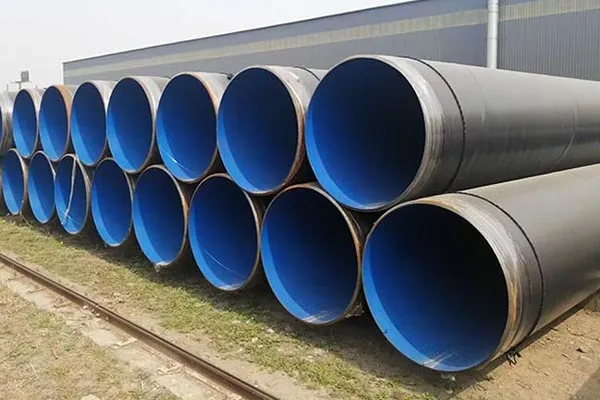
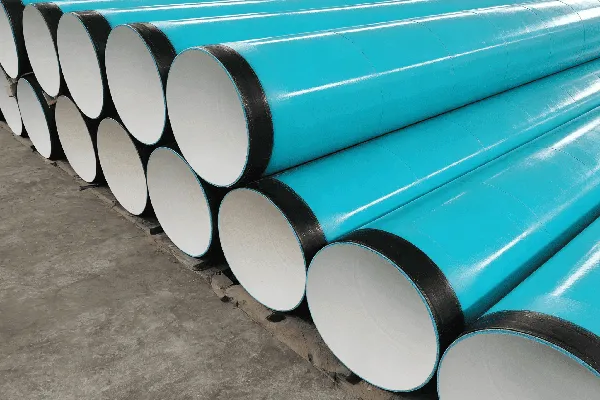
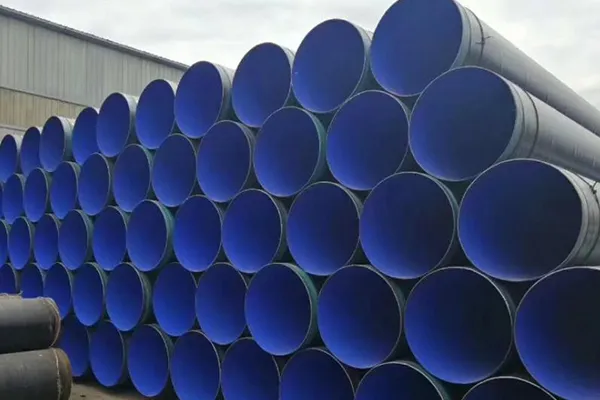
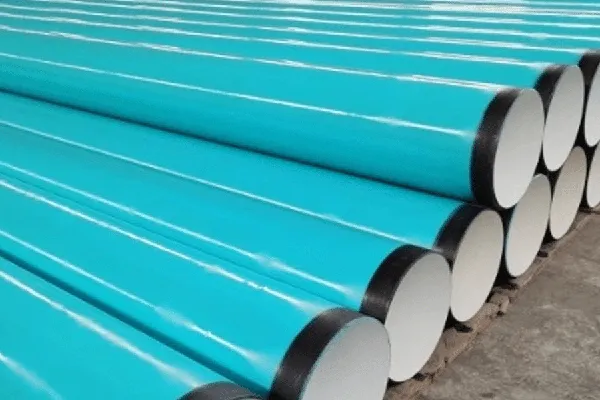
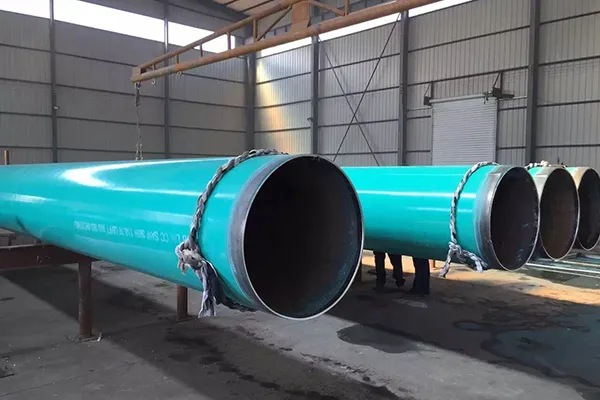
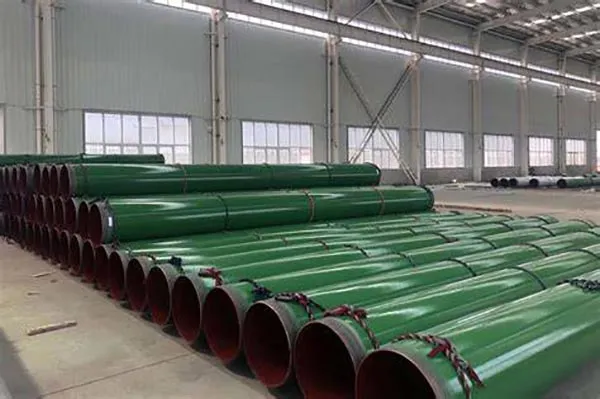
Buying FBE coated steel pipe from an overseas supplier involves more than comparing prices. Buyers need to confirm the base pipe specifications, coating requirements, inspection arrangements, shipping terms and delivery schedule before placing an order. A low quotation may not represent the best value if important technical requirements or destination costs have been left out. For pipeline contractors, distributors and project procurement teams, a clear purchasing process helps reduce specification gaps, avoid delivery problems and keep quality requirements under control.

1. Define the Technical Requirements Before Requesting a Quote

A detailed inquiry gives suppliers a clear basis for pricing and helps prevent misunderstandings during production and delivery. For the base pipe, buyers should specify:
Manufacturing method: seamless, ERW, LSAW or SSAW, as required
  • Applicable standard and edition, such as API 5L or the project-specified equivalent
  • Steel grade and product specification level (PSL)
  • Outside diameter, wall thickness and pipe length
  • Required quantity and dimensional tolerances
  • Any supplementary technical or testing requirements
FBE coating requirements should be listed separately. These may include the applicable coating standard, coating system, specified thickness or coating class, service conditions, inspection requirements and repair criteria. For oil and gas pipeline transportation systems, ISO 21809-2:2026 is a relevant reference for plant-applied, single-layer external FBE coatings. Other applications may require different standards or project specifications. Buyers should confirm the correct standard and its scope rather than assuming that every FBE coating system follows the same requirements.

2. Compare Quotations on the Same Commercial Basis

When comparing international suppliers, check whether each quotation covers the same product specifications, coating requirements, inspection scope and delivery conditions. A useful quotation comparison should include:
  • Base pipe price and FBE coating cost
  • Applicable inspection and testing
  • Documentation and certification requirements
  • Production or sourcing lead time
  • Packing and export preparation
  • Payment terms
  • Shipping arrangements and destination
Trade terms also need careful attention. FOB, CFR and CIF quotations should not be compared as if they cover identical responsibilities and costs. Confirm the applicable Incoterms® rule, named port or place, and version—for example, CIF Hamburg, Incoterms® 2020. Ask suppliers to identify exclusions clearly. Inspection, special packing, inland transportation and additional documentation can affect the final procurement cost.

3. Check How the Supplier Coordinates Production and Quality

For project orders, the supplier's coordination process can be as important as the quoted price. Buyers should understand who is responsible for sourcing the base pipe, arranging FBE coating, coordinating inspection and following up on non-conformities. Before placing an order, clarify:
  • Which production and coating parties will be involved?
  • How will the approved specifications be communicated to them?
  • Who coordinates inspection and resolves inspection findings?
  • How are corrective actions tracked before shipment?
  • What quality records and shipping documents will be provided?
The inspection plan should be agreed before production or coating begins. Depending on the project requirements, it may cover base pipe verification, surface preparation, coating thickness, holiday detection, applicable performance tests, repair and final inspection. Not every test is required for every order. The inspection and test plan (ITP) should define the applicable methods, inspection stages, frequencies and acceptance criteria.

4. Evaluate Overseas Warehouse Options Carefully

Some buyers consider overseas warehouse stock to shorten delivery time or support urgent maintenance and construction work. This can be practical, but the phrase "available stock" should always be verified. Ask who owns the stock and who operates the warehouse. Request confirmation of the actual physical quantity, pipe dimensions, steel grade, coating condition and relevant inspection records. If the material is reserved for the order, confirm the reservation period and whether the stock can be inspected before release. Also clarify storage conditions, handling responsibilities, coating damage procedures and local delivery charges. Stock held by a supplier, local distributor or independent warehouse operator may involve different responsibilities and costs. An overseas warehouse is useful only when the available material matches the project specification and can be delivered within the required schedule.

5. Calculate the Total Procurement Cost

The purchase price is only one part of an international steel pipe order. Buyers should estimate the total landed cost before selecting a supplier. Depending on the contract and destination, this may include:
  • Base pipe and FBE coating
  • Inspection, testing and documentation
  • Inland transportation and export packing
  • Port handling and international freight
  • Cargo insurance
  • Import duties, customs clearance and destination charges
  • Local transportation to the project site
Use the same technical scope, delivery destination and commercial assumptions when comparing suppliers. This makes it easier to identify whether a lower quotation genuinely offers better value.

6. Confirm Documents and Shipment Arrangements

Before shipment, confirm the agreed documentation list and delivery schedule. Typical documents may include commercial invoices, packing lists, bills of lading, material test certificates, coating inspection reports and other records required by the purchase order. Document requirements vary by project and destination. Buyers should confirm the required format, inspection approval process, consignee details and shipping instructions in advance.

FAQ

Q1: What information should I provide when requesting an FBE steel pipe quotation?
A1: Provide the pipe manufacturing method, standard, grade, PSL where applicable, dimensions, quantity, FBE coating requirements, inspection scope, destination and preferred delivery terms.

Q2: How can I evaluate an overseas FBE steel pipe supplier?
A2: Review its experience with comparable orders, sourcing and production coordination process, inspection arrangements, document control and ability to follow project requirements through shipment.

Q3: Is overseas warehouse stock always faster than direct purchasing?
A3: Not necessarily. Delivery may be faster if the exact specification is physically available and ready for release. Buyers should verify stock ownership, quantity, condition, inspection records and local delivery arrangements first.

Q4: What is the difference between direct purchasing and overseas warehouse purchasing?
A4: Direct purchasing usually involves sourcing or production coordination followed by international shipment. Warehouse purchasing uses stock already held in the destination or regional market. The latter may shorten lead time, but availability and additional storage or delivery costs must be confirmed.

Q5: Why should buyers compare total landed cost instead of pipe price alone?
A5: Because freight, insurance, inspection, customs duties, handling and local transportation can significantly affect the final project cost. Comparing the complete cost gives a more realistic basis for supplier selection.

Project-Based FBE Steel Pipe Supply

Hunan Great Steel Pipe Co., Ltd. supports international buyers with project-based steel pipe supply, including material sourcing, production coordination, factory inspection arrangements, documentation review and export delivery coordination. For FBE coated steel pipe inquiries, share your technical specifications, coating requirements, quantity and delivery destination. Our team can review the supply scope and coordinate the relevant parties around your project requirements.

Latest news list

  • prevent FBE steel pipe coating,FBE pipe handling,FBE coated pipe transportation,FBE coating repair,FBE steel pipe coating inspection
    Fusion-bonded epoxy (FBE) coating provides external corrosion protection for steel pipes used in steel pipeline systems,However,even a properly applied coating can be damaged after leaving the coating facility,Scratches,impact marks,and abrasion may occur during lifting,transportation,storage,or installation,potentially exposing the steel surface to corrosion,Preventing this damage requires more than careful handling at one stage,Protection should be considered throughout the supply and construction process,from loading and delivery to trench installation and final inspection,
  • FBE steel pipe field joint coating,FBE pipe welding protection,field joint coating,FBE coating repair,FBE field joint inspection
    FBE (fusion-bonded epoxy) coating provides external corrosion protection for steel pipes used in pipeline projects,However,during pipeline construction,the coating near pipe ends must be protected while individual pipe sections are joined by welding,The exposed joint area then requires a suitable field joint coating system,If this work is not properly controlled,damage or poor bonding at the joint can compromise the continuity of the pipeline's corrosion protection,Protecting the factory coating and applying the correct field joint system are therefore important parts of pipeline construction,
  • how to choose FBE coated steel pipe,FBE pipe selection,FBE coated pipeline requirements,FBE coated steel pipe size,FBE coated steel pipe purchase
    Selecting FBE coated steel pipes for a pipeline project involves more than specifying pipe diameter,wall thickness and coating thickness,Buyers must consider the base pipe,coating system,operating environment,installation conditions and inspection requirements as one coordinated package,A well-defined purchase specification helps prevent material mismatches,coating defects and documentation gaps before production begins,The following points provide a practical checklist for engineers,EPC contractors and procurement teams,
  • FBE coating and cathodic protection,FBE coated steel pipe,external pipeline corrosion control,cathodic protection monitoring,FBE coating disbondment
    Buried steel pipelines are exposed to moisture,soil chemicals and other environmental conditions that can cause external corrosion,To reduce this risk,pipeline projects commonly combine external fusion-bonded epoxy (FBE) coating with cathodic protection (CP),Although both methods help protect steel against corrosion,they work in different ways,FBE coating provides a physical barrier between the pipe surface and its surroundings,while cathodic protection uses an electrochemical process to reduce corrosion at exposed areas,Their effectiveness depends on proper design,installation,inspection and long-term monitoring,
  • FBE coated steel pipe quality control,FBE coating inspection,FBE coating thickness measurement,FBE pipe inspection,FBE coating quality control
    The quality of an FBE (Fusion Bonded Epoxy) coated steel pipe cannot be judged by its appearance alone,A smooth coating surface does not necessarily mean that the coating has achieved the required thickness,adhesion,or curing condition,For pipeline applications,quality control starts with the incoming bare steel pipe and continues through surface preparation,coating application,curing,and final inspection,Each stage should follow an approved procedure and the requirements specified for the project,A documented inspection process also allows buyers to verify that the supplied pipes meet the agreed technical requirements,

Find what you need ?

close
We use cookies and other tracking technologies to improve your browsing experience on our website, to show you personalized content and targeted ads, to analyze our website traffic, and to understand where our visitors are coming from.