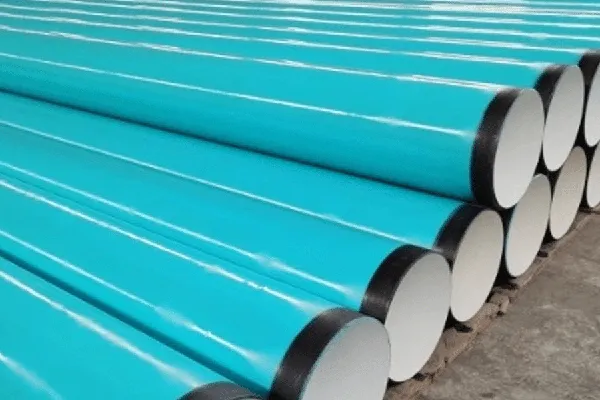
Buried steel pipelines are exposed to moisture, soil chemicals, and other environmental conditions that can cause external corrosion. To reduce this risk, pipeline projects commonly combine external fusion-bonded epoxy (FBE) coating with cathodic protection (CP). Although both methods help protect steel against corrosion, they work in different ways. FBE coating provides a physical barrier between the pipe surface and its surroundings, while cathodic protection uses an electrochemical process to reduce corrosion at exposed areas. Their effectiveness depends on proper design, installation, inspection, and long-term monitoring.
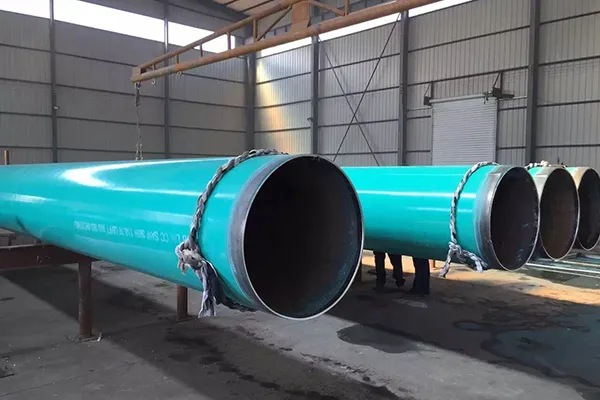
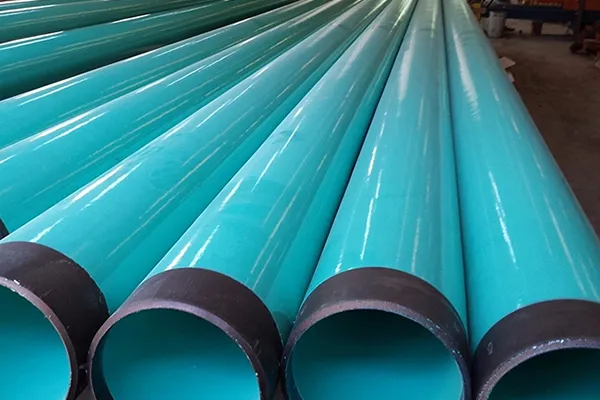
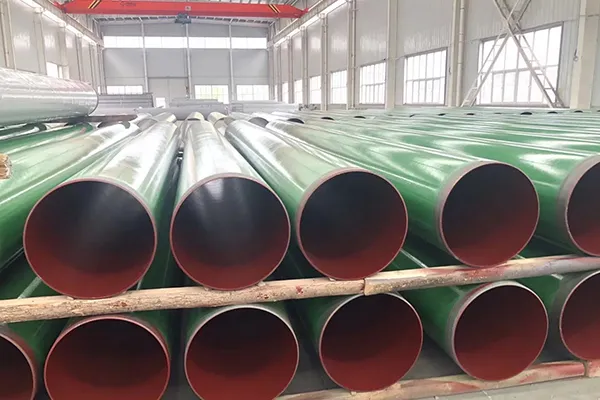
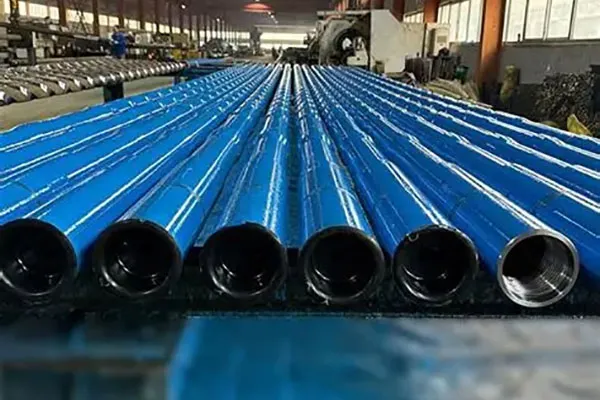
FBE coating is a factory-applied external coating used to protect steel pipes against corrosion. During application, epoxy powder is applied to a properly prepared and heated steel surface, where it melts, flows, and cures to form a continuous protective layer. The coating limits direct contact between the steel and corrosive substances in the surrounding soil or groundwater. Its performance depends on several factors, including surface preparation, coating thickness, adhesion, curing conditions, and resistance to mechanical damage. However, factory-applied FBE coating cannot eliminate every corrosion risk. Scratches, impact damage, field joint defects, and installation-related damage may expose small areas of bare steel. These locations require appropriate inspection and repair.
2. What Does Cathodic Protection Do?
Cathodic protection reduces external corrosion by shifting the electrochemical potential of the steel to a level at which corrosion is significantly reduced. Two common systems are used for buried steel pipelines:
Impressed Current Cathodic Protection (ICCP): An external DC power source supplies protective current through auxiliary anodes installed in the surrounding environment.
Sacrificial Anode Cathodic Protection (SACP): More electrochemically active anodes provide protective current to the pipeline through their natural electrochemical reaction.
The appropriate system depends on pipeline length, electrical continuity, soil conditions, current demand, and the engineering requirements of the project. Cathodic protection does not physically repair damaged coating. Instead, it provides additional corrosion control at exposed steel surfaces when the system is properly designed and operated.
A sound FBE coating reduces the area of exposed steel and generally lowers the protective current demand of the cathodic protection system. This makes coating condition an important factor in CP design. However, coating damage and disbondment can create more complex conditions. Where detached coating forms a shielded area, protective current may not reach the exposed steel effectively. This phenomenon is known as cathodic protection shielding. Not every case of coating disbondment causes shielding, but the possibility should be considered when assessing pipeline corrosion risks. For this reason, coating selection, field joint protection, installation quality, and cathodic protection design should be coordinated. Neither system should be treated as a replacement for the other where the project design requires both.
4. What Should Pipeline Operators Monitor?
Long-term corrosion control requires more than checking whether the original coating passed factory inspection. Operators should follow an approved monitoring and maintenance plan.
① Cathodic Protection Potential and System Performance: Pipe-to-soil potential measurements should be reviewed at designated test locations. For ICCP systems, rectifier output voltage and current should also be monitored. Measurement methods, reference electrodes, monitoring frequency, and acceptance criteria should follow the applicable standards and project requirements.
② Coating Condition and Repair Records: Exposed pipe sections, above-ground transitions and repaired areas should be inspected where accessible. Damage identified during excavation or maintenance should be documented, repaired using an approved procedure, and checked before backfilling.
③ Electrical Interference: Nearby electrical infrastructure, grounding systems and other buried metallic assets may affect pipeline electrical conditions. Suspected interference should be assessed by qualified corrosion personnel.
④ Excavation and Third-Party Damage: Construction and excavation activities can damage buried pipeline coatings. Operators should maintain records of excavation work, coating repairs, and follow-up inspections.










 English
 Español
 русский язык
 Português