4. Give Field Joint Coating Proper Attention
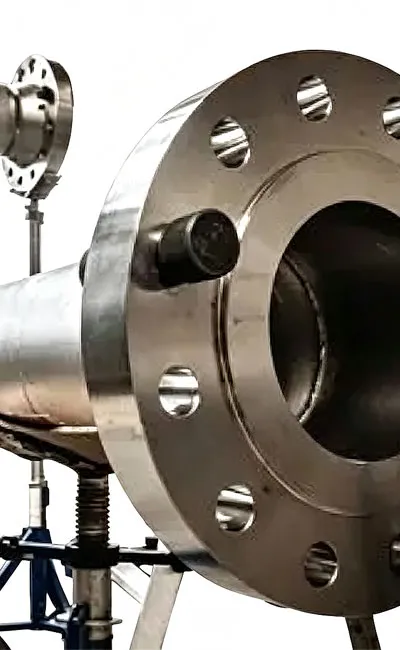
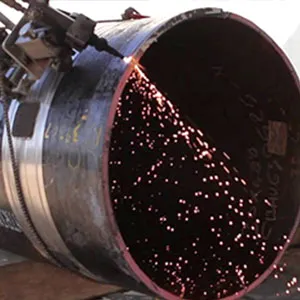
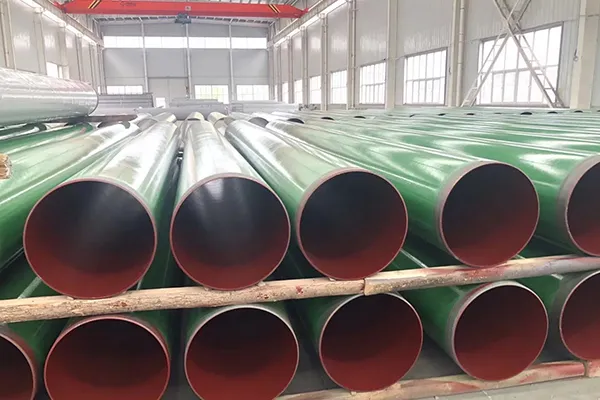
Factory-applied FBE does not cover the bare steel area left around a welded pipe connection. Field joint coating is therefore essential to maintain external corrosion protection across the completed pipeline. The field joint system should be compatible with the mainline coating and suitable for the operating and installation conditions. Before application, the weld area must be prepared according to the approved procedure. Surface cleanliness, profile, application conditions and overlap with the factory coating should be controlled. After application, the field joint coating should be inspected as specified. Checks may include coating thickness, visual condition and holiday detection. Acceptance criteria should follow the approved project specification rather than assumed universal values.
5. Consider Cathodic Protection as Part of the Design
Many buried steel pipeline systems use external coating together with cathodic protection. FBE coating acts as a barrier against the surrounding environment, while cathodic protection helps control corrosion at coating defects or exposed steel areas. The two measures serve complementary purposes. Cathodic protection does not replace sound coating application or proper installation. Whether cathodic protection is required, and how it should be designed and commissioned, depends on the pipeline design and corrosion control requirements. Electrical interference, soil conditions and coating performance should be considered by qualified specialists.
Once a pipeline is buried, direct access to its external surface becomes limited. Monitoring should therefore follow the pipeline integrity management plan. Depending on the system, relevant activities may include:
-
Reviewing cathodic protection survey and monitoring results.
-
Investigating unexpected changes in protection readings.
-
Recording excavation work and third-party damage.
-
Inspecting accessible pipe sections and exposed areas.
-
Reviewing field joint defects and coating repair records.
Evidence of external corrosion, repeated coating damage or abnormal monitoring results should trigger further investigation. The location and extent of a defect should be established before selecting a repair or corrective measure.
FAQ
Q1: Is FBE coating suitable for buried steel pipelines?
A1: Yes. FBE is widely used as an external corrosion protection system for buried steel pipelines. Suitability depends on the coating specification, soil conditions, operating temperature and project requirements.
Q2: Can FBE coating prevent all underground corrosion?
A2: No. Coating defects, mechanical damage and field joint problems can expose steel to the surrounding environment. A complete corrosion control strategy may also include cathodic protection.
Q3: Should FBE coated steel pipes be inspected before burial?
A3: Yes. Pipes should be inspected after transportation and handling and before lowering and backfilling. Holiday detection and repair should be completed where required by the project specification.
Q4: Does backfill material affect FBE coating performance?
A4: Yes. Sharp stones and abrasive materials can damage the coating during installation. Bedding and backfill selection should follow the project construction specification.
Q5: What is the difference between factory-applied FBE and field joint coating?
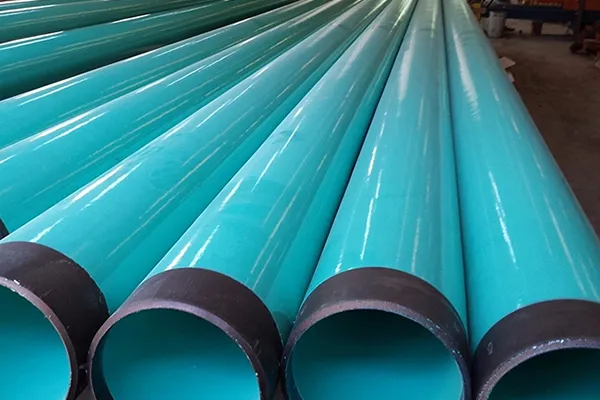
A5: Factory-applied FBE protects the pipe body before delivery. Field joint coating protects the exposed steel around welded connections after pipeline assembly. Both systems should be compatible and inspected to maintain continuous external protection.










 English
 Español
 русский язык
 Português