Company News

Hunan Great Steel Pipe Co., Ltd
drill pipe storage and handling,drill pipe transportation,drill pipe thread protectors,drill pipe handling procedures,drill pipe preservation

Drill Pipe Storage, Handling and Transportation: Best Practices Before Rig Deployment

Date: 2026-11-10
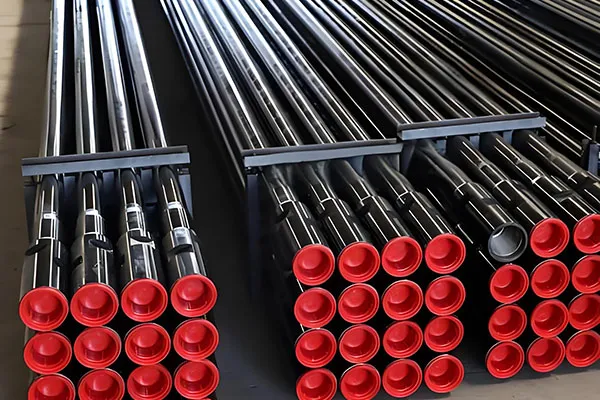
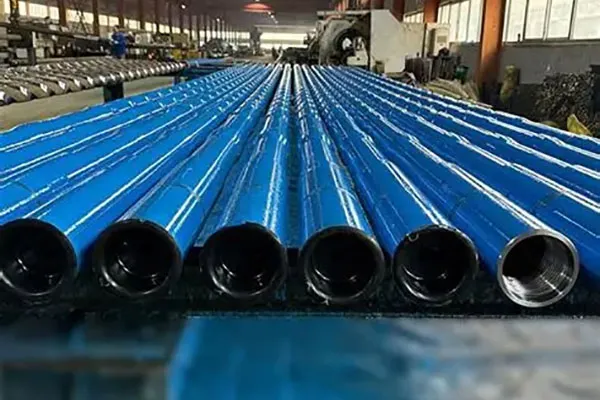
Drill pipe must remain in suitable condition throughout storage, handling and transportation. Even when a joint has passed its required manufacturing inspection, poor handling can damage the pipe body, tool joints or threaded connections before the equipment reaches the drilling site. Impact, moisture, contamination, improper stacking and inadequate load securing are common sources of avoidable damage. A controlled storage and transportation plan helps preserve product condition and reduces the risk of problems during rig preparation.

1. Prepare Drill Pipe Before Storage

Before placing drill pipe into storage, verify its identification and visible condition. Confirm the pipe size, grade, connection type and joint identification against the relevant supply records. The pipe should be clean, and pin and box connections should have suitable protection. Where required by the preservation procedure, apply an appropriate storage compound to the relevant surfaces. Any joint showing visible damage, corrosion or questionable condition should be identified and separated for further assessment. Maintaining traceability is particularly important when different grades, dimensions or connection types are stored in the same yard.

2. Choose a Suitable Storage Area

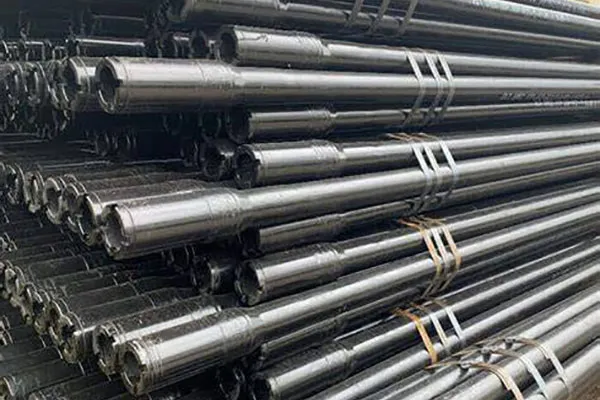
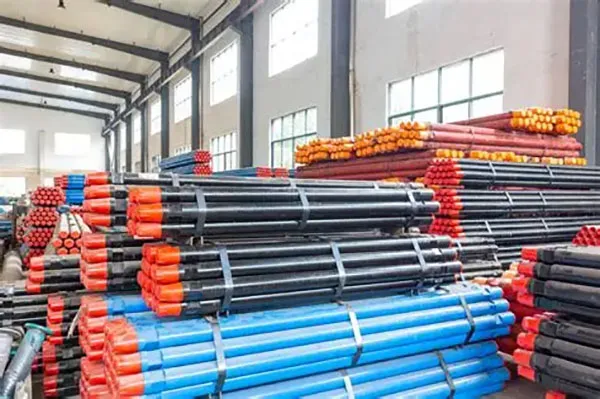
Drill pipe should be stored on stable, level supports in a clean, well-drained area. Avoid direct contact with soil, standing water, stones and other materials that may contaminate or damage the pipe. For outdoor storage, arrange suitable protection against rain, moisture accumulation and environmental exposure. Pipe racks should have adequate load capacity and be fitted with stops, pins or chocks to prevent accidental rolling. When stacking multiple layers, use suitable separators between layers. Their positions should be properly aligned to distribute the load and reduce the risk of pipe bending or deformation. Stacking height must be determined by the rack design, pipe dimensions, loading conditions and applicable safety procedures.

3. Protect Threads and Tool Joints

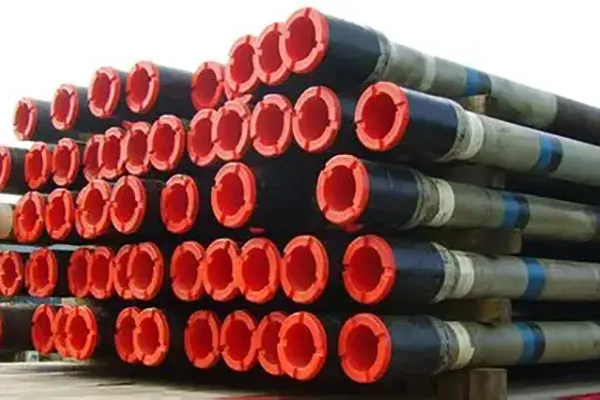
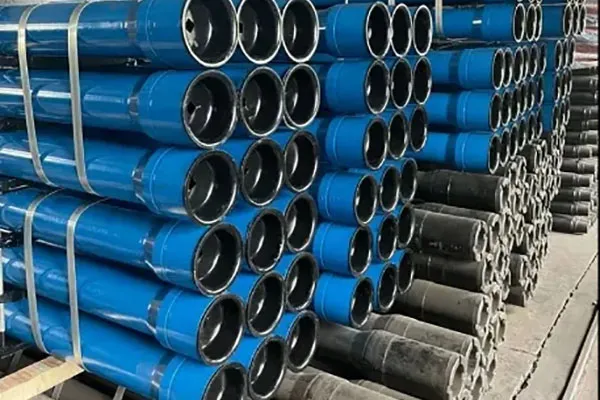
Pin and box connections contain precision-machined surfaces that require careful protection. Use clean thread protectors that match the connection size and type. They should cover the relevant threaded areas and remain securely fitted during storage and transportation. Replace damaged or loose protectors. If a joint experiences an impact, inspect the connection rather than assuming the protector has prevented all damage. For extended storage, follow the manufacturer's recommendations for protective compounds and periodic condition checks. Storage compounds and running compounds are not automatically interchangeable; confirm their intended application before use.

4. Follow Safe Handling Procedures

Drill pipe should be moved using suitable lifting equipment and approved handling procedures. Avoid dropping, dragging, uncontrolled rolling or allowing joints to strike one another. Where cranes are used, lifting arrangements should account for pipe length, weight and approved lifting points. Slings, hooks and other lifting equipment must be suitable for the operation and inspected according to the applicable safety procedure. A standard transit thread protector should not be treated as a lifting attachment unless it is specifically designed and approved for that purpose. Where additional connection protection is needed during lifting, use an appropriate handling device. Personnel should remain clear of suspended and moving loads. Protect both the pipe body and tool joints during loading, unloading and movement.

5. Plan Transportation and Loading

Transportation planning should consider joint length, weight, support positions, vehicle capacity and load-securing arrangements. Drill pipe should be adequately supported and restrained to prevent shifting, rolling or impact during transit. Use suitable separators or protective materials where necessary to reduce contact between individual joints. Check that thread protectors remain in place and that securing equipment does not damage the pipe body or tool joint surfaces. For international shipments, loading plans should also consider port handling, container or vessel requirements, weather exposure and the unloading facilities available at the destination.

6. Inspect Before Rig Deployment

Before drill pipe is released for rig use, review its identification and condition after transportation. Check the pipe body, tool joints, thread protectors and accessible pin and box connection surfaces. Remove storage compounds and prepare connections according to the applicable cleaning and running procedures. If a protector is damaged, a joint has experienced impact or a connection shows signs of corrosion or deformation, arrange further assessment before use. Visual checks alone cannot establish the full serviceability of a questionable joint. Additional inspection should be selected according to the suspected damage and applicable inspection requirements.

7. Maintain Storage and Handling Records

A practical record system should track product identification, storage location, inspection dates, preservation activities and reported damage. For extended storage periods, periodic checks should cover thread protectors, protective compounds, pipe body coatings and signs of corrosion or moisture accumulation. Inspection frequency should reflect the storage environment, preservation method and project requirements. Good storage and handling practices do not replace manufacturing quality verification or technical inspection. Their purpose is to preserve the condition of the drill pipe throughout the supply chain.

FAQ

Q1. How should drill pipe be stored?
A1. Store drill pipe on stable, load-rated supports in a clean, well-drained area. Use suitable separators and anti-rolling devices, and maintain protection for threaded connections.
Q2. Why are thread protectors important during transportation?
A2. They help protect pin and box connections against impact, dirt and other contamination during handling, storage and transit.
Q3. Can drill pipe be stored outdoors?
A3. Yes, where the storage arrangement provides suitable support, drainage and environmental protection. Follow the manufacturer's preservation guidance and project requirements.
Q4. What should be inspected after transportation?
A4. Check product identification, pipe body condition, tool joints, thread protectors and accessible connection surfaces. Suspected damage may require additional inspection.
Q5. Can storage compound be used as running compound?
A5. Not automatically. Use a compound for both purposes only when the manufacturer specifically approves that application.

Drill Pipe Supply for International Drilling Projects

Proper storage, handling and transportation are important parts of drill pipe supply management. Hunan Great Steel Pipe Co., Ltd. supports international project requirements through product sourcing, production coordination, factory inspection, documentation review and export delivery coordination.

Latest news list

  • drill pipe export supply,drill pipe shipment,international drill pipe supplier,drilling project procurement
    International drilling projects require more than finding a supplier with available drill pipe,Buyers must confirm technical specifications,coordinate product sourcing,arrange inspection,review documentation and manage transportation to the final destination,For bulk orders and project-based procurement,these activities need to remain consistent from the initial inquiry through final delivery,A structured export process helps reduce specification discrepancies,documentation errors and avoidable delays,
  • drill pipe corrosion and washout,drill pipe washout,drill pipe erosion,drill pipe corrosion prevention,drill pipe inspection
    Drill pipe operates under repeated mechanical loads and continuous exposure to drilling fluids,abrasive solids and changing downhole conditions,Over time,these factors can contribute to corrosion,erosion and localized wall loss,In severe cases,material deterioration or mechanical damage may create a hole in the pipe body or a leak at a connection,This condition is commonly described as a drill pipe washout,Understanding the differences between corrosion,erosion and washout helps drilling teams identify potential damage and establish appropriate inspection and maintenance procedures,
  • new vs used drill pipe,drill pipe buying guide,drill pipe inspection,drill pipe procurement,drill pipe traceability
    When purchasing drill pipe,buyers often compare new and used products to balance technical requirements,availability and procurement costs,New drill pipe offers a defined manufacturing history,while used drill pipe may provide a lower initial purchase price if its condition is properly inspected and verified,However,the lowest purchase price does not necessarily represent the best value,The right choice depends on the drilling program,operating conditions,equipment compatibility and the acceptance criteria agreed before purchase,
  • drill pipe fatigue,drill pipe failure,drill string,drill pipe inspection,drill pipe cracks,rotating bending fatigue
    Drill pipe operates under repeated tensile,torsional,bending and dynamic loads throughout drilling operations,Over time,these cyclic stresses can cause fatigue damage,particularly in areas exposed to high stress or local surface defects,Unlike sudden overload failure,fatigue develops progressively,Small cracks may initiate at stress concentration points and grow with repeated loading,If the damage is not identified in time,it can eventually lead to pipe failure,drilling fluid leakage and unplanned downtime,Understanding how drill pipe fatigue develops,where damage may occur and how to inspect for potential defects helps drilling teams manage equipment reliability,
  • how to choose drill pipe,drill pipe selection guide,drill pipe size,drill pipe grades,drilling pipe procurement,drill pipe connection types
    Selecting the right drill pipe involves more than choosing a diameter and steel grade,Each specification must match the drilling program,drill string design,operating loads and connection requirements,An unsuitable selection can create compatibility problems,increase operating costs and shorten equipment service life,For drilling contractors,engineers and procurement teams,a structured selection process helps ensure that the supplied drill pipe meets both technical and project requirements,

Find what you need ?

close
We use cookies and other tracking technologies to improve your browsing experience on our website, to show you personalized content and targeted ads, to analyze our website traffic, and to understand where our visitors are coming from.