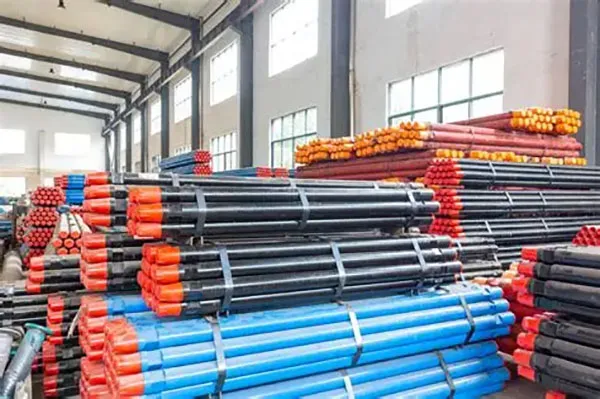
5. Which Inspection Methods Help Identify Fatigue Damage?
A suitable inspection program should reflect service history, drilling severity, previous findings and applicable acceptance criteria.
|
Inspection Method
|
Main Purpose
|
|
Visual Inspection
|
Identifies visible cracks, dents, corrosion and surface damage
|
|
Dimensional Inspection
|
Checks OD, wall thickness and geometric changes
|
|
Ultrasonic Testing (UT)
|
Detects relevant internal or subsurface discontinuities, depending on technique
|
|
Magnetic Particle Testing (MT)
|
Detects surface and near-surface discontinuities in ferromagnetic materials
|
|
Electromagnetic Inspection (EMI)
|
Screens for certain pipe-body defects and wall-loss conditions within the system's detection capability
|
These methods are not interchangeable. Their suitability depends on defect location, material, inspection equipment and the specified examination procedure. For used drill stem elements, API RP 7G-2 provides requirements for inspection levels, testing procedures, inspection personnel and evaluation of imperfections. It is an inspection and classification reference, not a standalone fatigue-life calculation method.
6. How Can Drilling Teams Reduce Fatigue Risk?
Fatigue cannot be eliminated simply by selecting a higher-strength drill pipe grade. Effective management requires attention throughout the equipment service life. Key measures include:
-
Evaluate well trajectory and dogleg severity during drill string design.
-
Consider tensile, torsional and bending loads together.
-
Monitor vibration and investigate abnormal drilling conditions.
-
Avoid unnecessary handling damage and corrosion exposure.
-
Establish inspection intervals based on service severity and inspection history.
-
Maintain traceable records of operating hours, inspection findings and repairs.
For demanding drilling conditions, engineering fatigue analysis may be necessary to assess the combined effects of geometry, material properties and cyclic loading.
FAQ
Q1: What is drill pipe fatigue?
A1. Drill pipe fatigue is progressive material damage caused by repeated stress cycles during drilling operations.
Q2: Where do fatigue cracks commonly develop?
A2. They may initiate in pipe bodies, upset transitions, weld regions or other areas exposed to cyclic stress and local stress concentration.
Q3: Can visual inspection detect all fatigue cracks?
A3. No. Some defects may not be visible on the surface. Appropriate non-destructive testing may be required.
Q4: Does a higher drill pipe grade eliminate fatigue risk?
A4. No. Fatigue also depends on stress cycles, pipe geometry, surface condition, material properties and drilling conditions.
Q5: How can drilling teams manage fatigue risk?
A5. Through suitable drill string design, operational monitoring, regular inspection, proper handling and traceable maintenance records.
Supporting Drill Pipe Supply and Quality Control
Reliable drill pipe performance depends on suitable specifications,
product condition and inspection throughout the supply process.
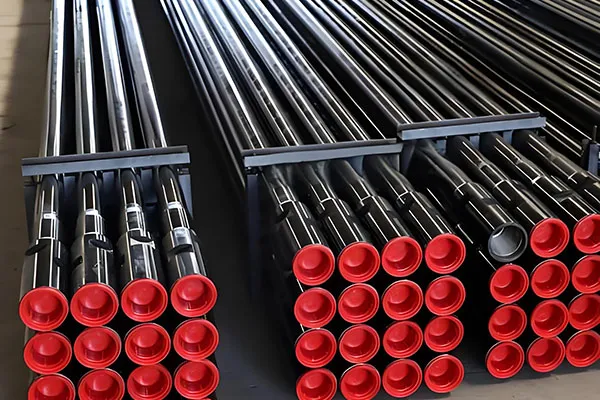
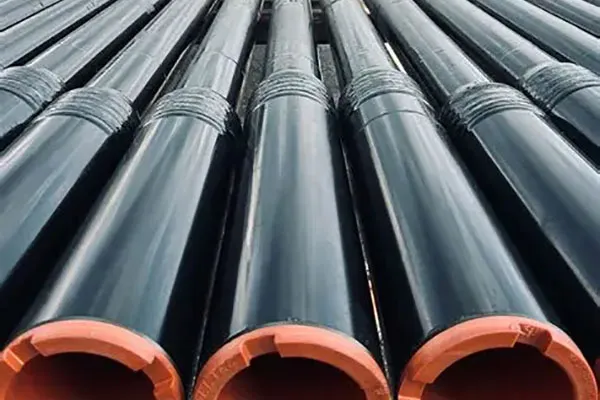
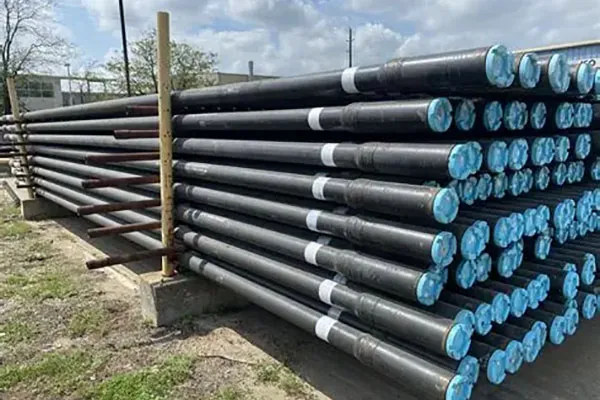
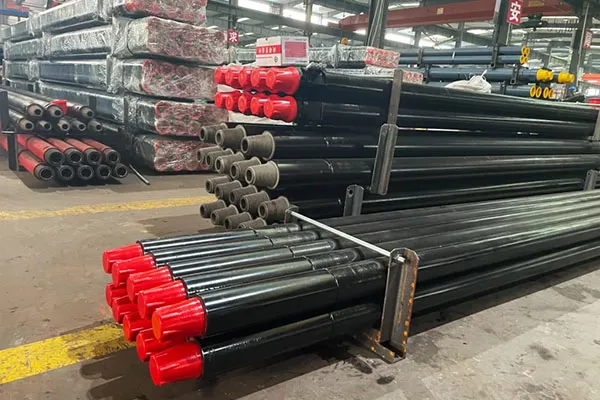
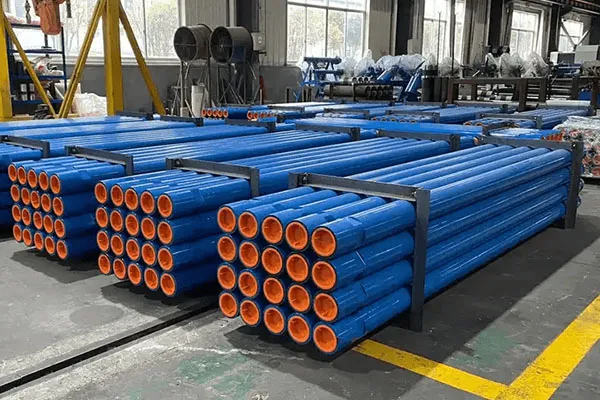
Hunan Great Steel Pipe Co., Ltd. supports project-oriented steel pipe supply through material sourcing, production coordination, factory inspection, documentation review and export delivery. Inspection arrangements can be coordinated according to project specifications and agreed quality requirements.










 English
 Español
 русский язык
 Português