Industry News

Hunan Great Steel Pipe Co., Ltd
drill pipe thread protection,drill pipe connection damage,tool joint threads,drill pipe make-up,thread protectors

How to Prevent Drill Pipe Thread and Connection Damage

Date: 2026-11-05
Drill pipe connections are exposed to repeated make-up and break-out cycles, handling impacts and demanding drilling loads. Damage to pin and box threads can affect connection reliability, increase maintenance costs and cause unplanned rig downtime. Preventing connection damage requires more than installing thread protectors. Proper handling, cleaning, thread compound application, alignment, torque control and regular inspection all contribute to longer connection service life.

1. What Causes Drill Pipe Thread and Connection Damage?

Several factors can affect the condition of drill pipe tool joints and rotary shouldered connections:
  • Mechanical impact: Dropping joints, striking connections or using unsuitable lifting equipment can deform threads and shoulders.
  • Contamination: Dirt, sand, metal particles and residual compound can interfere with proper thread engagement.
  • Misalignment: Incorrect stabbing or forced engagement may damage thread profiles.
  • Improper make-up: Incorrect torque, unsuitable compound or uncontrolled spinning can increase the risk of galling.
  • Repeated service: Frequent make-up and break-out cycles can contribute to wear, surface damage and deterioration.
Identifying these causes helps drilling teams establish effective protection and maintenance procedures.

2. Use Suitable Thread Protectors During Handling and Storage

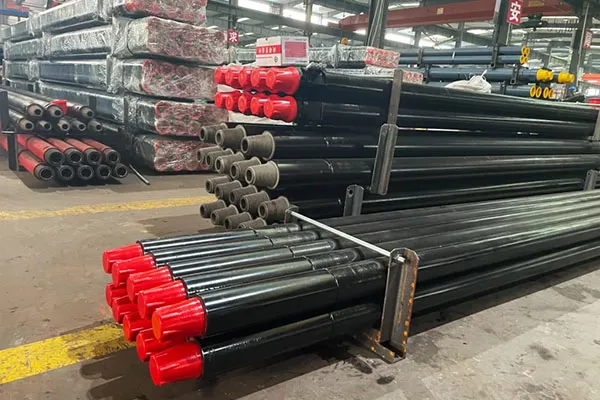
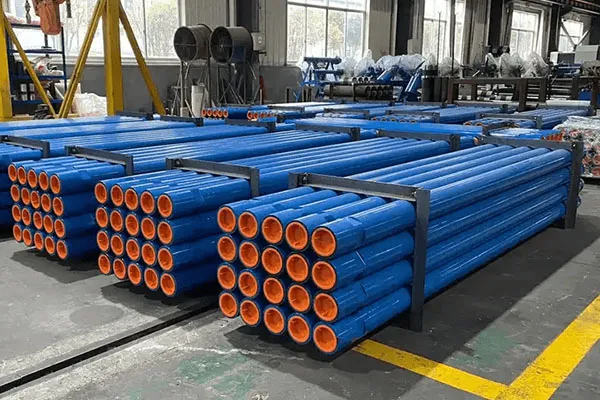
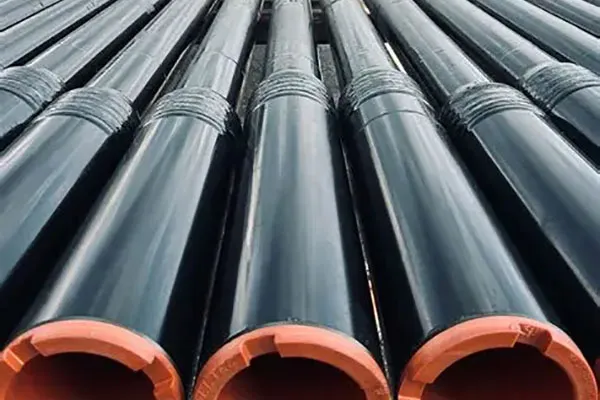
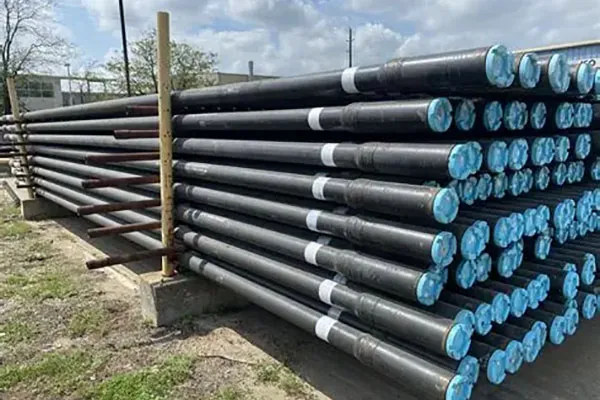
Thread protectors help prevent impact damage, contamination and environmental exposure during transportation, lifting, handling and storage. Both pin and box connections should be protected with correctly sized, serviceable protectors whenever joints are moved. Before installation, check that protectors are clean and free from cracks, deformation or other damage. A damaged protector should be replaced. If it has been crushed or subjected to a significant impact, inspect the connection itself rather than assuming it remains undamaged. For long-term storage, connections should be cleaned, inspected and treated with a suitable rust-preventive product according to the manufacturer's instructions before protectors are installed.

3. Clean and Inspect Threads Before Make-Up

Clean connection surfaces are essential for reliable engagement. Remove dirt, moisture, foreign particles and residual storage compound where required by the connection procedure. Pay particular attention to thread roots, sealing surfaces and shoulders. Even small particles can interfere with contact between mating surfaces. After cleaning, visually inspect the pin and box threads for scratches, deformation, corrosion, metal transfer or other signs of damage. Check the shoulders for dents and uneven contact surfaces. Avoid aggressive cleaning tools or methods that may scratch precision-machined surfaces. Damaged connections should be evaluated before further use.

4. Apply the Correct Thread Compound

Thread compound helps protect connection surfaces and controls friction during make-up. It should be compatible with the connection design and applied according to the manufacturer's recommendations. The threads, sealing areas and shoulder surfaces should receive the specified coverage. Contaminated, dried-out or unsuitable compound should not be reused. Storage compound and running compound serve different purposes and are not automatically interchangeable. Residual storage compound may need to be removed before applying running compound. The compound's friction characteristics also affect the relationship between applied torque and connection loading.

5. Control Alignment, Make-Up Speed and Torque

Proper alignment is essential when stabbing the pin into the box. Misalignment can cause cross-threading, uneven engagement and damage to connection shoulders. Initial engagement should be controlled and performed at an appropriate speed. If resistance, abnormal noise or irregular engagement occurs, stop the operation and inspect the connection. Never force a connection together. Use suitable make-up equipment with properly calibrated torque measurement systems. Apply the recommended make-up torque for the specific connection design and operating procedure. Avoid assuming that one torque value applies to all drill pipe connections. Uncontrolled clamping pressure and unsuitable tong positioning can also damage tool joint surfaces. Follow the equipment manufacturer's handling and gripping recommendations.

6. Recognize Common Types of Connection Damage

Damage Type

Typical Signs

Potential Consequences

Thread galling

Scoring or metal transfer

Difficult make-up and break-out

Thread deformation

Distorted thread profiles

Improper engagement

Shoulder damage

Dents, scratches or uneven surfaces

Reduced contact reliability

Corrosion

Pitting or surface deterioration

Deteriorated connection condition

Impact damage

Visible dents or deformation

Possible dimensional damage

Visual examination is useful for identifying obvious defects, but it cannot establish the full serviceability of a connection. Suspect connections require further evaluation under the applicable inspection procedure.

7. Follow Inspection Standards and Maintain Records

API Spec 7-2 addresses the threading and gauging requirements of rotary shouldered connections. For the inspection and classification of used drill stem elements, API RP 7G-2 provides relevant inspection procedures and requirements. Inspection scope should reflect the connection type, service condition, applicable standard and agreed acceptance criteria. Where required, qualified personnel should perform dimensional checks and appropriate non-destructive testing. Maintain records of connection identification, inspection findings, repairs and service history. Consistent records help identify recurring damage and support decisions about repair, continued use or replacement.

FAQ

Q1: Why are drill pipe thread protectors important?
A1. They help prevent impact damage, contamination and corrosion during transportation, handling and storage.
Q2: What causes thread galling in drill pipe connections?
A2. Galling can result from unsuitable lubrication, contamination, misalignment, excessive friction or improper make-up procedures.
Q3: Can storage compound be used as running compound?
A3. Not automatically. The two products have different purposes. Follow the compound manufacturer's recommendations and the connection procedure.
Q4: What should operators do if make-up resistance is abnormal?
A4. Stop the operation, separate the connection if necessary and inspect the threads and shoulders. Do not force engagement.
Q5: Which API standards are relevant to drill pipe connection inspection?
A5. API Spec 7-2 addresses rotary shouldered connection threading and gauging, while API RP 7G-2 covers inspection and classification of used drill stem elements.

Protecting Connection Quality Throughout the Supply Process

Reliable drill pipe performance depends on correct product specifications, connection machining, inspection and handling. Hunan Great Steel Pipe Co., Ltd. supports project-oriented steel pipe supply through material sourcing, production coordination, factory inspection, documentation review and export delivery. Inspection requirements and supply arrangements can be coordinated according to individual project specifications.


Latest news list

  • drill pipe structure and materials,API 5DP drill pipe,drill pipe grades,E75 drill pipe,X95 drill pipe,drill pipe tool joints
    Drill pipe is a critical part of the drill string,transmitting torque,circulating drilling fluid and supporting drilling operations under demanding mechanical conditions,Its service performance depends not only on steel grade,but also on pipe body dimensions,upset geometry,tool joint design,welding quality and connection integrity,For drilling contractors,engineers and procurement teams,understanding drill pipe structure and material requirements is essential when specifying products for different well conditions,This guide explains the main components,common steel grades and relevant API requirements,
  • drill pipe inspection,drill pipe wear,drill pipe wall thickness,tool joint inspection,drill pipe condition assessment
    Drill pipe is exposed to repeated tension,compression,torque,bending and internal pressure during drilling operations,Contact with casing,abrasive drilling fluids and formation materials can gradually cause pipe body wear,wall loss and connection damage,Using worn or damaged drill pipe without proper assessment may increase the risk of connection failure,fluid leakage and unplanned downtime,A systematic drill pipe inspection helps drilling contractors identify potential defects and determine whether used pipe remains suitable for its intended service,
  • drill pipe manufacturing process,drill pipe friction welding,drill pipe heat treatment,drill pipe quality control,API 5DP drill pipe
    Drill pipe is an essential component of the drill string used in oil and gas drilling operations,It transmits rotary torque,carries drilling fluid and withstands the combined mechanical loads generated during drilling,Its performance depends on several factors,including pipe body material,upset geometry,tool joint connections,welding quality and dimensional accuracy,Understanding the drill pipe manufacturing process helps drilling contractors,engineers and procurement teams evaluate product quality and identify the manufacturing controls required for reliable operation,
  • steel plate storage and handling,steel plate handling,steel plate storage,prevent steel plate damage,steel plate fabrication
    Steel plates can arrive in good condition and still develop problems before fabrication,Poor storage,unsuitable lifting methods,moisture exposure or lost material markings can lead to corrosion,surface damage,traceability issues and production delays,Effective steel plate storage and handling depend on the material grade,surface condition,protective coating,storage period and intended application,The objective is to preserve the plate’s condition and identification until it is ready for fabrication,
  • steel plate export supply,bulk steel plate delivery,steel plate export order,project steel plate supplier
    International steel plate orders involve more than purchasing material and arranging freight,Buyers must ensure that the supplied plates match the agreed specifications,inspection requirements and documentation needs,while keeping processing and shipping schedules aligned,For EPC contractors,fabricators,distributors and industrial buyers,a clear supply workflow helps reduce discrepancies before dispatch and supports more predictable project planning,The key is to coordinate each stage against the same approved order requirements,

Find what you need ?

close
We use cookies and other tracking technologies to improve your browsing experience on our website, to show you personalized content and targeted ads, to analyze our website traffic, and to understand where our visitors are coming from.