Company News

Hunan Great Steel Pipe Co., Ltd
steel plate export supply,bulk steel plate delivery,steel plate export order,project steel plate supplier

How Are Steel Plate Export Orders Coordinated for Project Delivery

Date: 2026-11-03
International steel plate orders involve more than purchasing material and arranging freight. Buyers must ensure that the supplied plates match the agreed specifications, inspection requirements and documentation needs, while keeping processing and shipping schedules aligned. For EPC contractors, fabricators, distributors and industrial buyers, a clear supply workflow helps reduce discrepancies before dispatch and supports more predictable project planning. The key is to coordinate each stage against the same approved order requirements.

1. Review Steel Plate Specifications Before Sourcing

Every steel plate export order should begin with a clear technical and commercial review. The inquiry or purchase order should identify the material grade, applicable standard, thickness, width, length, quantity, delivery condition and destination. Additional requirements may include mechanical or chemical testing, third-party inspection, surface treatment, cutting, special marking and packaging instructions. These details should be confirmed before sourcing or processing begins. Unclear specifications can create problems later. For example, a change in material grade or testing requirements may affect availability, inspection arrangements and the delivery schedule. Any clarification or revision should be documented and approved by the relevant parties.

2. Coordinate Material Sourcing and Processing

Once the requirements are confirmed, the supply team coordinates material sourcing and any agreed processing. Depending on the order, this may involve arranging supply through suitable producers or coordinating cutting and other processing with separate service providers. The supply scope should be clear from the outset. Buyers should understand which activities are included, which are handled by third parties and what approvals are required before production or processing proceeds. For project orders, tracking material identification, quantities, processing status and outstanding technical questions helps keep the order aligned with the original requirements. Approved changes should be recorded rather than communicated informally.

3. Arrange Inspection and Verify Material Records

Inspection should follow the applicable product standard, purchase order and agreed inspection plan. Depending on the requirements, checks may cover material identification, dimensions, visual condition, material test certificates and specified additional testing. If purchaser or third-party inspection is required, the inspection scope, notification period, witness points and acceptance criteria should be agreed in advance. Material test certificates should be checked against the relevant order and supplied material. Depending on the applicable requirements, verification may include the material grade, dimensions, heat or batch identification, chemical composition and mechanical properties. Inspection records should be traceable to the actual shipment. If a discrepancy is identified, it should be documented and resolved before dispatch, or handled through a formally approved deviation process.

4. Review Export Documentation Before Dispatch

Steel plate export documentation varies according to the contract, destination and applicable regulations. Common documents may include a commercial invoice, packing list, transport document and material test certificates. Additional certificates or declarations may be required for particular products or markets. Before shipment, the responsible parties should check that product descriptions, quantities, package references and other relevant details are consistent across the documents. Import requirements and document responsibilities should also be confirmed early. A document that is missing, inconsistent or prepared by the wrong party can delay customs clearance or material receipt, even when the steel itself meets the order requirements.

5. Plan Packing, Handling and International Transport

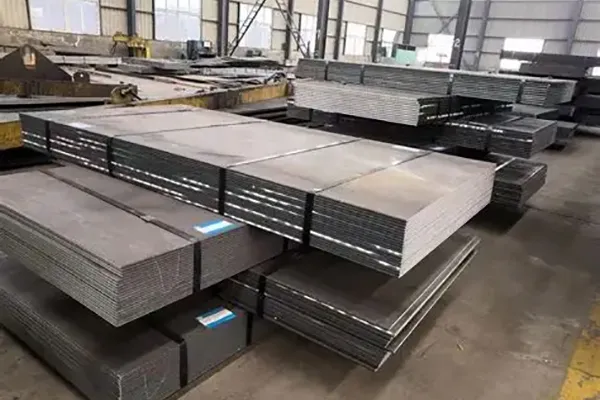
Steel plates require packing and handling arrangements suited to their dimensions, weight, surface condition and transport route. Planning should consider lifting methods, load distribution, package stability, edge protection where needed and protection against transport-related damage. Package marks should make it possible to identify the shipment and reconcile the contents with the packing list. Any special handling instructions for coated plates or plates with specific surface requirements should be communicated before loading. Transport mode, shipping schedule, delivery terms and destination arrangements should be coordinated against the confirmed order status. A realistic delivery commitment requires consideration of material availability, processing, inspection, document readiness and logistics—not freight transit time alone.

6. Manage Changes and Track Delivery Milestones

Delivery risks often arise when technical changes are not formally recorded or when inspection, documentation and shipping are managed separately. Keeping approved requirements, order status and outstanding actions aligned helps reduce avoidable discrepancies. Useful progress updates identify completed milestones, pending approvals, inspection status, document readiness and any changes affecting the schedule. For bulk steel plate shipments, package-level quantity records also help buyers plan receiving, inventory and fabrication. On arrival, buyers should compare the received materials with the purchase order and packing list and report visible damage or discrepancies promptly.

How Hunan Great Steel Pipe Supports Project Steel Plate Supply

Hunan Great Steel Pipe coordinates project-oriented steel supply through requirement review, sourcing and processing coordination, inspection arrangements, documentation review and export logistics. The actual scope depends on the product, project specification and confirmed order terms. For a steel plate export quotation, provide the required grade and standard, dimensions, quantity, delivery condition, inspection requirements, destination and target schedule. Clear information helps establish a practical supply scope and delivery plan.

FAQs

Q1: What information is needed for a steel plate export quotation?
A1: Provide the material grade, standard, thickness, width, length, quantity, delivery condition, inspection requirements, destination and target schedule.
Q2: Which documents may accompany a steel plate shipment?
A2: Depending on the contract and destination, documents may include a commercial invoice, packing list, transport document and material test certificates, together with any additional required documents.
Q3: Is third-party inspection necessary for every steel plate order?
A3: No. It depends on the purchase contract, applicable specification and buyer requirements. Any required inspection scope and acceptance criteria should be agreed before the inspection takes place.
Q4: How can buyers verify that material test certificates match the supplied steel plates?
A4: Check the certificate details against the order and material identification records. Relevant information may include the grade, dimensions, heat or batch number, chemical composition and mechanical properties, as required by the applicable standard.
Q5: Can an export supplier guarantee a delivery date when providing a quotation?
A5: A reliable delivery estimate depends on material availability, processing requirements, inspection arrangements, documentation and transport planning. The schedule should be confirmed against the actual order scope and agreed milestones.

Latest news list

  • steel plate crack inspection,steel plate fatigue,steel structure inspection,weld cracking,steel plate maintenance
    Cracks in steel plate structures can develop because of repeated loading,stress concentrations,welding details,corrosion or unexpected operating conditions,Identifying a crack early is important,but its significance depends on where it occurs,how the component is loaded and whether the defect affects structural integrity,For steel supports,platforms,equipment bases,brackets and welded assemblies,a reliable inspection process combines visual checks,documented findings and appropriate engineering assessment,A crack should not automatically be attributed to poor steel quality; its cause may lie in the design,fabrication,installation or operating environment,
  • hot rolled vs cold rolled steel plate,hot rolled steel plate,cold rolled steel,steel plate surface finish
    Hot-rolled and cold-rolled steel differ in processing route,surface condition,dimensional control and mechanical properties,Choosing between them requires more than comparing price or appearance,Buyers need to consider the product form,material grade,thickness,fabrication requirements and final operating conditions,One important distinction is that cold-rolled steel is commonly supplied as sheet or strip,particularly in thinner gauges,while hot-rolled steel is widely used for structural plate and heavier industrial applications,The terms are not interchangeable across every product standard,so the required form and specification should be confirmed before ordering,
  • steel plate wear resistance,abrasion resistant steel plate,steel plate wear,industrial wear inspection,wear plate maintenance
    Steel plates used in hoppers,chutes,material-handling equipment and industrial liners are exposed to abrasion,impact and changing operating conditions,Over time,these factors can reduce plate thickness,affect equipment performance and increase maintenance costs,Understanding the wear mechanism is the first step toward selecting suitable materials and planning effective maintenance,The right solution depends on the material being handled,the operating environment,the plate properties and the equipment design,Replacing a worn plate with a harder grade may help,but it will not necessarily resolve problems caused by concentrated impact,uneven material flow or misalignment,
  • how to choose steel plate,steel plate buying guide,steel plate specifications,industrial steel plate procurement
    Choosing the right steel plate starts with the project specification,not the lowest quotation,The material must meet the required design standard,service conditions and fabrication needs while remaining practical to source,inspect and deliver,For industrial buyers,a clear inquiry is essential,Missing information can lead to incomparable quotations,unsuitable material substitutions or delays during technical review,The following steps help purchasing teams define requirements before placing an order,
  • steel plate distortion,steel plate welding deformation,plate cutting distortion,welding sequence,steel fabrication
    Steel plate distortion during fabrication can lead to poor fit-up,dimensional deviations,assembly delays and costly rework,It commonly develops when cutting or welding creates uneven heating and cooling,causing different parts of a plate or assembly to expand and contract by different amounts,The risk depends on plate thickness,material properties,component geometry,joint design and fabrication sequence,Effective control starts before cutting and continues through welding,inspection and final dimensional verification,

Find what you need ?

close
We use cookies and other tracking technologies to improve your browsing experience on our website, to show you personalized content and targeted ads, to analyze our website traffic, and to understand where our visitors are coming from.