Product News

Hunan Great Steel Pipe Co., Ltd
steel plate distortion,steel plate welding deformation,plate cutting distortion,welding sequence,steel fabrication

How to Prevent Steel Plate Distortion During Cutting and Welding

Date: 2026-10-29

Steel plate distortion during fabrication can lead to poor fit-up, dimensional deviations, assembly delays and costly rework. It commonly develops when cutting or welding creates uneven heating and cooling, causing different parts of a plate or assembly to expand and contract by different amounts. The risk depends on plate thickness, material properties, component geometry, joint design and fabrication sequence. Effective control starts before cutting and continues through welding, inspection and final dimensional verification.


1. Review Material and Fabrication Requirements

Before fabrication begins, confirm the steel grade, thickness, dimensions, drawing tolerances and required final geometry. Different materials and thicknesses respond differently to thermal cycles, so cutting and welding procedures must suit the specified material. Review joint details, assembly sequence and applicable fabrication requirements before work starts. For critical structures and pressure-retaining components, follow the relevant design code and qualified welding procedure. Do not change the material condition or introduce uncontrolled heating to correct dimensional problems.


2. Plan the Cutting Sequence to Reduce Distortion

Thermal cutting creates localized heating. Uneven heat distribution and subsequent contraction can cause a plate to curl, bend or move away from its intended dimensions. A suitable cutting plan should consider cut order, plate support, part geometry and the cutting process. Where practical, distribute cuts in a balanced sequence rather than removing material from one side without considering the effect on the remaining plate. Stable support and appropriate spacing between components can also help reduce movement. The best sequence depends on plate thickness, nesting layout, cutting method and dimensional tolerances. For repeat production, trial cutting and dimensional checks can help identify a sequence that produces consistent results.


3. Control Welding Heat Input and Sequence

Welding introduces concentrated heat, followed by weld-metal and surrounding-material contraction during cooling. Uneven shrinkage can cause angular distortion, longitudinal bending or changes in overall dimensions. Follow the qualified welding procedure, including the specified welding process, parameters, pass sequence and interpass temperature where applicable. Avoid depositing more weld metal than the joint design requires, because oversized welds can increase shrinkage and residual stress. For assemblies with multiple welds, a balanced or alternating sequence may help distribute shrinkage more evenly. Techniques such as back-step welding or welding from the center outward may be appropriate for certain designs, but they are not universal solutions. The selected sequence must remain compatible with joint geometry, access, structural requirements and the approved procedure. Reducing heat input indiscriminately is not the answer. Welding parameters must remain within the qualified range needed to achieve the required weld quality.

4. Use Fixtures Without Excessive Restraint

Clamps, jigs and strongbacks can hold components in position during cutting, fit-up and welding. Correctly positioned fixtures help maintain alignment and reduce unwanted movement. However, greater restraint does not always mean better results. Excessive restraint can increase residual stress and, under certain material and welding conditions, contribute to cracking. Fixtures should provide adequate support without introducing unintended local loading. For complex assemblies, fabrication engineers may consider presetting, temporary restraint or a revised welding sequence. The approach should be selected according to the component design, material and applicable fabrication requirements.
5. Measure Dimensions Throughout Fabrication

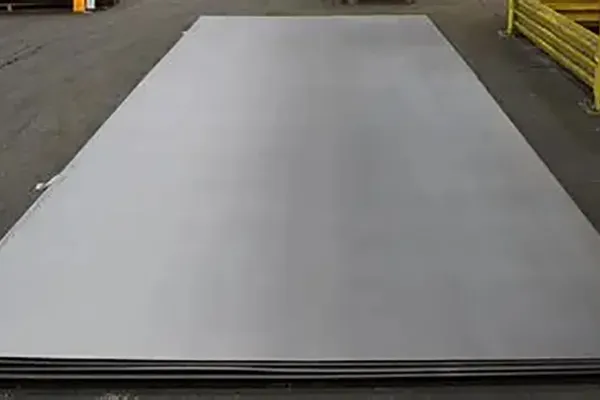
Dimensional inspection should not be postponed until the assembly is complete. Checking at planned stages makes it easier to identify when distortion develops and determine its likely cause. Useful checkpoints include:
  • After cutting, to verify part dimensions and geometry.
  • After fit-up, to confirm alignment and joint preparation.
  • After major welding stages, to assess movement and distortion.
  • After cooling and final fabrication, to verify compliance with drawing tolerances.
Record the measurements and compare them with the approved drawings. If a deviation exceeds the permitted limits, investigate the cause before selecting a corrective method. Uncontrolled hammering or flame straightening can damage the material or create additional stress. Any heat-based correction should follow an approved procedure appropriate for the steel grade, material condition and component requirements.


6. Prevent Recurring Fabrication Problems

Repeated distortion usually requires a process review rather than repeated correction of individual parts. Compare material thickness, component geometry, support conditions, cutting sequence, welding parameters and inspection results to identify patterns. Document approved process changes and verify their effectiveness on subsequent work. This approach helps fabrication teams improve dimensional consistency and reduce avoidable rework. For project-based steel supply, Hunan Great Steel Pipe Co., Ltd. supports specification review, sourcing and production coordination, factory inspection arrangements, documentation review and export delivery coordination. Clear technical requirements and agreed inspection points help align material supply with downstream fabrication needs.


FAQ

Q1: What is the main cause of steel plate welding distortion?
A1: Uneven heating and cooling cause localized expansion and contraction. The resulting shrinkage can change the shape of the plate or welded assembly.
Q2: Can higher welding heat input increase distortion?
A2: It can, particularly when heating and shrinkage are uneven. However, welding parameters must remain within the qualified procedure and satisfy the required weld quality.
Q3: Do clamps always prevent steel plate distortion?
A3: No. Fixtures can improve alignment, but excessive restraint may increase residual stress or create other fabrication risks. Fixture design should suit the component and welding procedure.
Q4: How should distorted steel plate be corrected?
A4: First measure the deviation and identify its cause. Straightening or heat-based correction should only be performed using an approved method suitable for the material and component.


Conclusion

Preventing steel plate distortion requires coordinated control of cutting, welding, restraint and dimensional inspection. By planning the fabrication sequence, following qualified procedures and checking dimensions at key stages, manufacturers can reduce rework and improve the consistency of finished components.

Latest news list

  • steel plate quality control,steel plate inspection,steel plate material test certificate,steel plate traceability
    Steel plate quality control starts with confirming that the material,dimensions,test results and documentation meet the purchase order and applicable product standard,For industrial projects,checking the grade alone is not enough,Buyers also need to establish material traceability,review inspection records and resolve discrepancies before dispatch,The inspection scope depends on the steel grade,plate thickness,intended application and contractual requirements,A clear verification plan helps engineers and purchasing teams reduce material risks before the steel reaches the fabrication site,
  • steel plate corrosion,corrosion protection for steel plate,steel plate maintenance,protective coating,industrial steel plate
    Steel plate corrosion can reduce service life,increase maintenance costs and compromise structural reliability,The rate of deterioration depends on the exposure environment,material grade,surface condition and effectiveness of the protective system,Coastal structures,industrial equipment and outdoor steel components may face different corrosion risks,even when they use the same steel grade,Effective steel plate corrosion protection starts with understanding the service environment,selecting a suitable protection system and maintaining it throughout the service life,Paint alone is not always sufficient; surface preparation,drainage,inspection and timely repairs are equally important,
  • steel plate manufacturing,steel plate quality control,steel plate inspection,steel plate properties,steel plate test
    Steel plate quality depends on more than grade and thickness,Steelmaking,rolling conditions,heat treatment when specified,and inspection all influence the properties delivered to a project,For engineers,fabricators and procurement teams,understanding these stages helps establish clear purchasing requirements and verify product compliance before shipment,The manufacturing route varies with steel grade,thickness,applicable standard and intended service,Knowing which production controls and inspection records matter is essential when sourcing steel plate for industrial and construction projects,
  • Steel Pipe Fitting storage and handling,steel tee handling,steel reducer inspection,steel elbow storage,Steel Pipe Fitting receiving inspection
    Steel tees,steel reducers and steel elbows can be damaged before installation if receiving checks,storage and handling are not properly managed,Damaged ends,surface contamination,missing identification and unsuitable storage conditions can delay installation and make it harder to verify whether delivered products meet project requirements,A practical procedure for receiving,storing and inspecting Steel Pipe Fittings helps protect product condition and maintain material traceability from delivery to installation,The exact requirements depend on the Steel Pipe Fitting material,surface protection,packaging and project specifications,
  • steel pipe fitting export supply,steel fitting order coordination,steel tee export,steel reducer supply,steel elbow supply
    Supplying steel tees,steel reducers and steel elbows for an overseas project involves more than purchasing the required products,Technical specifications,inspection arrangements,documentation,packing and shipping must align with the purchase order and project schedule,For buyers managing industrial steel piping packages,a clearly defined order coordination process helps reduce specification gaps,avoid document inconsistencies and identify delivery risks before dispatch,The exact workflow depends on the product scope,contractual terms and destination requirements,

Find what you need ?

close
We use cookies and other tracking technologies to improve your browsing experience on our website, to show you personalized content and targeted ads, to analyze our website traffic, and to understand where our visitors are coming from.