Industry News

Hunan Great Steel Pipe Co., Ltd
steel plate quality control,steel plate inspection,steel plate material test certificate,steel plate traceability

How Is Steel Plate Quality Verified Before Supply

Date: 2026-10-29

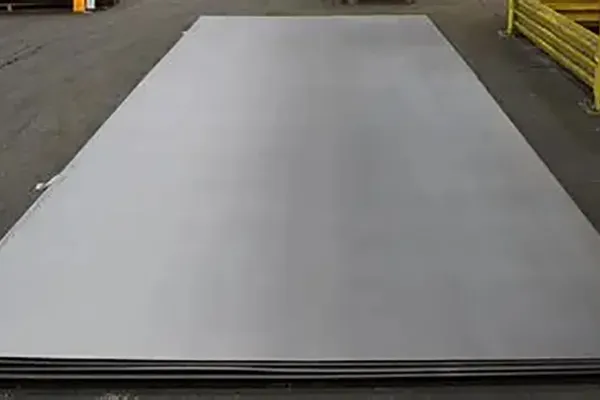
Steel plate quality control starts with confirming that the material, dimensions, test results and documentation meet the purchase order and applicable product standard. For industrial projects, checking the grade alone is not enough. Buyers also need to establish material traceability, review inspection records and resolve discrepancies before dispatch. The inspection scope depends on the steel grade, plate thickness, intended application and contractual requirements. A clear verification plan helps engineers and purchasing teams reduce material risks before the steel reaches the fabrication site.


1. Confirm the Steel Grade and Applicable Standard

Begin by reviewing the purchase order and approved technical specification. The documents should identify the required steel grade, governing standard, plate dimensions, delivery condition and any supplementary requirements. Descriptions such as “carbon steel plate” or “high-strength steel plate” are not sufficiently specific for acceptance. Different grades may have different chemical composition limits, mechanical properties and intended applications. Where project specifications impose requirements beyond the product standard, these should be documented and agreed before sourcing or production coordination begins. This avoids confusion during inspection and prevents acceptance criteria from being decided only after the material is ready for shipment.


2. Verify Material Identification and Traceability

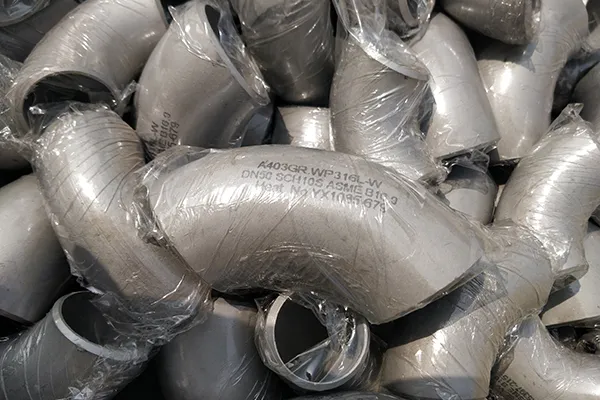
Traceability connects the supplied plate to its material records. Depending on the product and inspection plan, identification may include the heat number, plate number, grade, dimensions and other required markings. Check that the markings on the physical material correspond with the material test certificate (MTC) and relevant inspection documents. If plates are cut into smaller sections, the agreed identification procedure should preserve traceability between each piece and its original material records. This is particularly important for engineered structures and projects with strict documentation requirements. A certificate alone provides limited assurance if the buyer cannot establish that it belongs to the actual material supplied.
3. Review Chemical Composition and Mechanical Test Results

Chemical analysis verifies the reported composition against the applicable specification. Mechanical testing may include tensile testing, impact testing or other tests required by the grade, standard or purchase order. Buyers should review the actual reported results against the relevant acceptance criteria rather than simply confirming that a certificate has been provided. For impact testing, for example, the specified test temperature and acceptance requirements may be important. The certificate type and required information should match the applicable standard and contract. Additional testing should not be assumed to be mandatory for every order; it should be defined by the governing requirements or agreed inspection plan.

4. Inspect Dimensions and Surface Condition

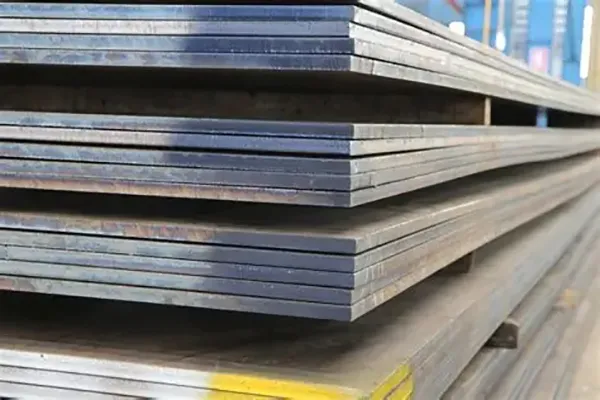
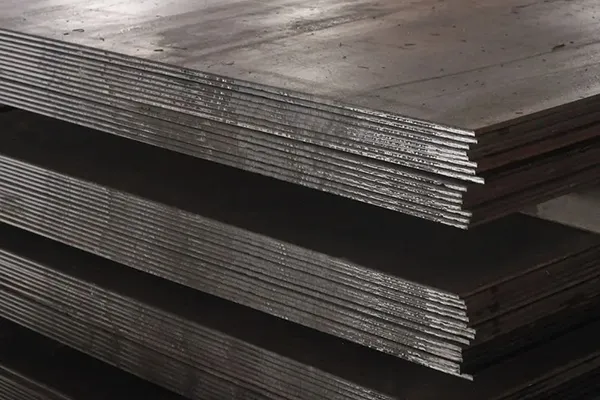
Dimensional inspection may cover thickness, width, length, flatness and other specified characteristics. Acceptance limits must come from the applicable product standard or purchase specification because dimensional tolerances are not identical for every steel plate. Visual inspection can identify conditions such as deep scratches, dents, edge damage, visible cracks and other surface imperfections. Whether a finding is acceptable depends on its nature, location, extent and the applicable requirements. Where ultrasonic testing (UT) or another non-destructive examination is specified, confirm the test method, inspection coverage and acceptance criteria in advance. Such testing is not automatically required for every steel plate.


5. Confirm the Inspection and Documentation Requirements

Before supply, establish who is responsible for inspection, whether purchaser witnessing or third-party inspection is required, and which records must be submitted. A practical review may include:
  • Purchase order and approved technical specification.
  • Material test certificates and traceability records.
  • Dimensional and visual inspection records.
  • Additional test reports required by the contract.
  • Packing list, shipping marks and material identification details.
The documentation must correspond to the actual order. Generic certificates or reports from unrelated materials should not be treated as evidence of compliance. For project-based orders, Hunan Great Steel Pipe Co., Ltd. supports steel supply through specification review, sourcing and production coordination, factory inspection arrangements, documentation review and export delivery coordination. The scope is aligned with the agreed order requirements.


6. Resolve Discrepancies Before Dispatch

If the material grade, dimensions, identification or documentation does not match the order, record the discrepancy and request clarification before acceptance or shipment. Any proposed deviation should be reviewed and formally approved by the responsible parties. Steel plate pre-dispatch checklist:
  • Confirm the grade, standard and dimensions.
  • Match material markings with the relevant certificates.
  • Review required chemical and mechanical test results.
  • Check dimensional tolerances and visible surface condition.
  • Confirm completion of specified inspections and documentation.
  • Resolve outstanding discrepancies before dispatch.
These checks provide a structured basis for material acceptance. The final decision must follow the applicable standard, purchase contract and approved inspection plan.


FAQ

Q1: What should buyers verify in a steel plate material test certificate?
A1: Check the material designation, applicable standard, heat or cast identification, reported test results and consistency with the purchase order. Confirm that the certificate corresponds to the actual supplied material.
Q2: Is visual inspection sufficient for steel plate acceptance?
A2: Not always. Visual inspection can identify visible surface conditions but cannot verify all mechanical properties or internal discontinuities. Additional tests may be required by the product specification or contract.
Q3: Is ultrasonic testing required for every steel plate?
A3: No. UT requirements depend on the applicable standard, purchase specification, intended application and agreed inspection scope. The method, coverage and acceptance criteria should be established before inspection.
Q4: When should steel plate inspection requirements be agreed?
A4: They should be confirmed before the order is placed or production begins. Early agreement allows inspection arrangements, testing requirements, witness points and documentation to be coordinated before dispatch.


Conclusion

Reliable steel plate quality control depends on more than checking a material certificate. Buyers should verify the specification, maintain traceability, review test results, inspect dimensions and surface condition, and confirm that the required records match the order. Defining these checks before supply helps reduce avoidable discrepancies and supports more controlled project procurement.

Latest news list

  • steel plate corrosion,corrosion protection for steel plate,steel plate maintenance,protective coating,industrial steel plate
    Steel plate corrosion can reduce service life,increase maintenance costs and compromise structural reliability,The rate of deterioration depends on the exposure environment,material grade,surface condition and effectiveness of the protective system,Coastal structures,industrial equipment and outdoor steel components may face different corrosion risks,even when they use the same steel grade,Effective steel plate corrosion protection starts with understanding the service environment,selecting a suitable protection system and maintaining it throughout the service life,Paint alone is not always sufficient; surface preparation,drainage,inspection and timely repairs are equally important,
  • steel plate manufacturing,steel plate quality control,steel plate inspection,steel plate properties,steel plate test
    Steel plate quality depends on more than grade and thickness,Steelmaking,rolling conditions,heat treatment when specified,and inspection all influence the properties delivered to a project,For engineers,fabricators and procurement teams,understanding these stages helps establish clear purchasing requirements and verify product compliance before shipment,The manufacturing route varies with steel grade,thickness,applicable standard and intended service,Knowing which production controls and inspection records matter is essential when sourcing steel plate for industrial and construction projects,
  • Steel Pipe Fitting storage and handling,steel tee handling,steel reducer inspection,steel elbow storage,Steel Pipe Fitting receiving inspection
    Steel tees,steel reducers and steel elbows can be damaged before installation if receiving checks,storage and handling are not properly managed,Damaged ends,surface contamination,missing identification and unsuitable storage conditions can delay installation and make it harder to verify whether delivered products meet project requirements,A practical procedure for receiving,storing and inspecting Steel Pipe Fittings helps protect product condition and maintain material traceability from delivery to installation,The exact requirements depend on the Steel Pipe Fitting material,surface protection,packaging and project specifications,
  • steel pipe fitting export supply,steel fitting order coordination,steel tee export,steel reducer supply,steel elbow supply
    Supplying steel tees,steel reducers and steel elbows for an overseas project involves more than purchasing the required products,Technical specifications,inspection arrangements,documentation,packing and shipping must align with the purchase order and project schedule,For buyers managing industrial steel piping packages,a clearly defined order coordination process helps reduce specification gaps,avoid document inconsistencies and identify delivery risks before dispatch,The exact workflow depends on the product scope,contractual terms and destination requirements,
  • concentric vs eccentric Steel Reducer,Steel Reducer selection,eccentric Steel Reducer orientation,concentric Steel Reducer
    Concentric and eccentric Steel Reducers connect pipes of different nominal diameters,but their geometry affects how they fit into a piping system,Choosing the right type depends on the pipe layout,equipment connections,flow conditions,drainage requirements and approved engineering design,For project buyers,the priority is to specify the correct Steel Reducer configuration and orientation before requesting quotations,A steel pipe fitting that matches the steel pipe sizes may still be unsuitable if its geometry does not meet the installation requirements,

Find what you need ?

close
We use cookies and other tracking technologies to improve your browsing experience on our website, to show you personalized content and targeted ads, to analyze our website traffic, and to understand where our visitors are coming from.