4. Plan Lifting and Handling Before Moving Products
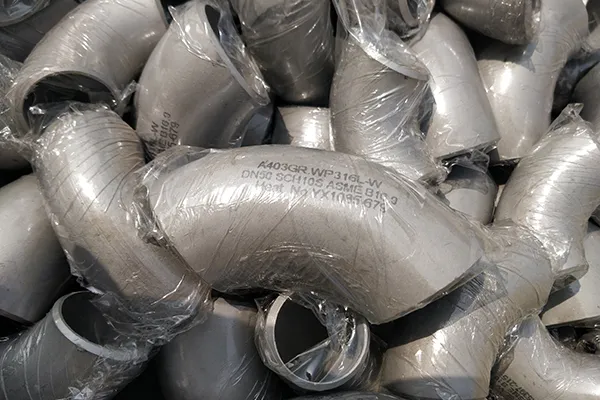
Steel Pipe Fittings can be heavy and unevenly shaped, making uncontrolled movement a risk to both personnel and product condition. Select lifting equipment and handling methods according to the package weight, dimensions, load stability and approved site procedures. Prevent unnecessary impact, dragging or loading on vulnerable ends and surfaces. Personnel should follow the site's lifting plan and safety requirements. If a package is unstable, visibly damaged or unsuitable for the planned lifting method, assess it before moving the load. For large Steel Pipe Fittings or mixed-size shipments, planning unloading space and suitable handling equipment before delivery can help reduce avoidable damage and delays.
5. Complete Pre-Installation Inspection
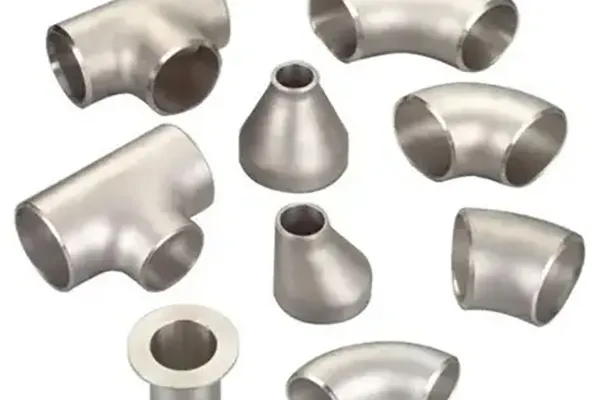
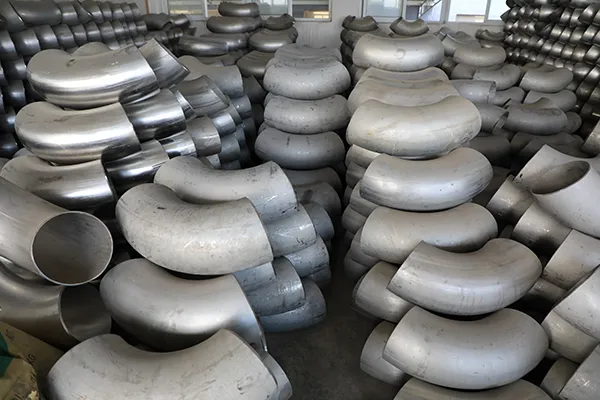
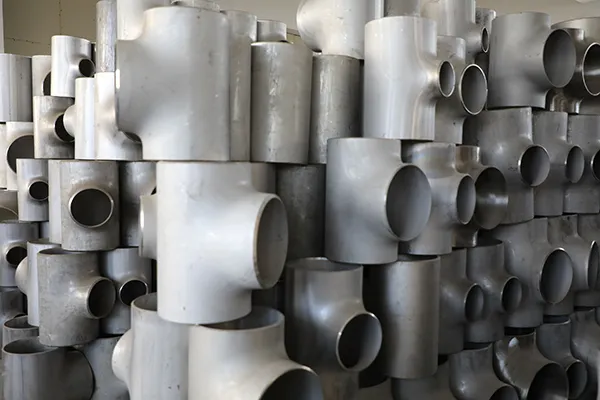
Before installation, verify each Steel Pipe Fitting against the approved drawings, material schedule and applicable project requirements. Confirm the Steel Pipe Fitting type, dimensions, material identification, connection preparation and visible condition. Check that required receiving inspections and documentation reviews have been completed. Pay attention to configuration details. A steel reducer must match the specified concentric or eccentric type, with its orientation confirmed against the approved piping layout where applicable. For steel tees and steel elbows, check the branch arrangement or steel elbow angle against the drawings. If a Steel Pipe Fitting shows signs of corrosion, deformation, contamination or other damage, do not modify or install it based on an informal judgment. Identify the item and follow the project's nonconformance and engineering assessment procedures.
Product identification should remain linked to the relevant Steel Pipe Fitting throughout storage and installation. This supports verification that the correct materials have been installed and helps maintain reliable project records. Depending on the order, records may include receiving inspection results, product markings, material test certificates, damage reports and approved dispositions of nonconforming items. For export shipments, buyers should confirm packaging, marking and documentation requirements before dispatch. Clear identification helps the receiving team reconcile mixed Steel Pipe Fitting packages with the packing list and project material schedule. Maintaining traceability from receipt to installation is especially important when documentation is required for project quality records or future maintenance.
FAQ
Q1: Can Steel Pipe Fittings be stored outdoors?
A1: Outdoor storage may be acceptable when permitted by the project requirements and suitable for the material, packaging and protective system. Measures should address moisture, contamination, physical damage and loss of identification.
Q2: What should be checked before installing a steel reducer?
A2: Verify its type, end dimensions, material identification, visible condition and conformity with the approved drawings. Confirm the required orientation for eccentric steel reducers where applicable.
Q3: What should happen if a Steel Pipe Fitting is damaged during transport?
A3: Record the damage, identify and segregate the affected item where appropriate, and notify the responsible project or quality personnel. Use should be determined through the applicable inspection and non-conformance process.
Q4: Why is material traceability important?
A4: Traceability links a Steel Pipe Fitting to its identification and required quality records. It helps verify that the supplied item matches the project requirements and supports installation records and later maintenance.










 English
 Español
 русский язык
 Português