Industry News

Hunan Great Steel Pipe Co., Ltd
steel pipe fitting thermal expansion and vibration,steel elbow vibration,piping thermal movement,steel tee stress

How to Manage Thermal Expansion and Vibration Around steel pipe fittings

Date: 2026-10-23
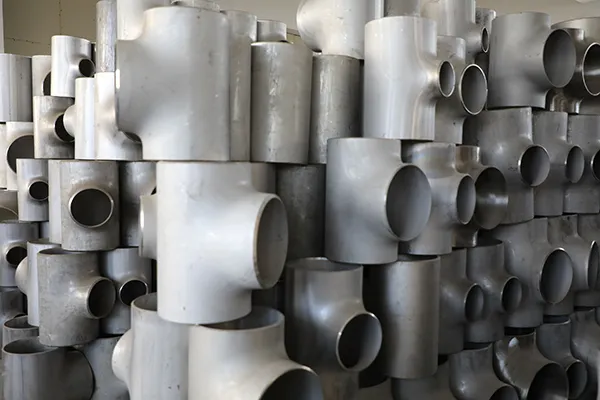
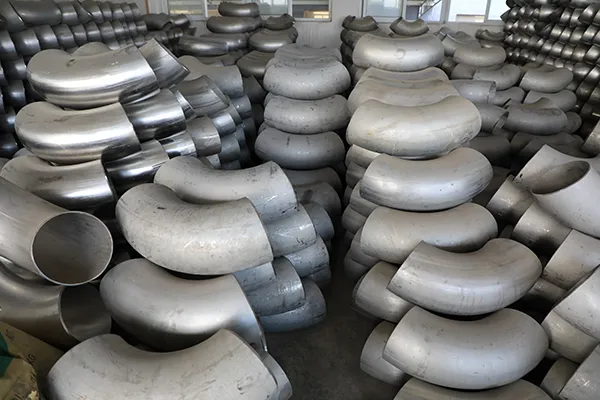
Steel tees, steel reducers and steel elbows operate as part of a connected steel piping system. When temperatures change or equipment generates vibration, loads can develop at steel pipe fittings, joints, supports and equipment connections. If these effects are not properly addressed, the system may experience excessive movement, leakage or fatigue-related damage. Managing thermal expansion and vibration requires more than inspecting an individual steel pipe fitting. Engineers need to consider the steel piping layout, operating conditions, support arrangement and the behavior of the complete system.

1. Understand Thermal Movement in Steel Piping Systems

Steel piping expands when heated and contracts when cooled. The amount of movement depends on the material, temperature change, steel pipe length and installation conditions. If the steel piping layout cannot accommodate the expected movement, thermal loads may develop at bends, branch connections, restraints and connected equipment. Steel elbows can experience loads associated with changes in direction, while steel tees may be affected by movement in branch lines. Steel reducers also form part of the system's geometry and must be considered in the overall design. The solution is not simply to allow every steel pipe section to move freely. Anchors, guides and other restraints must be positioned according to the approved design, which should account for expected operating temperatures and applicable steel piping requirements.

2. Check Steel Pipe Supports, Guides and Restraints

Supports help carry steel piping loads, while guides, anchors and restraints control movement in specific directions. Their locations and functions should follow the engineered steel piping arrangement. A damaged, loose or incorrectly positioned support may allow unintended displacement. On the other hand, an unplanned restraint can prevent thermal movement and transfer additional loads to nearby steel pipe fittings or equipment. During inspection, record visible displacement, unusual contact marks, damaged support components and evidence of repeated movement. Compare the findings with the approved drawings and previous inspection records. Do not reposition supports, add restraints or modify anchors without engineering review. A change that appears to reduce movement locally may create a new load elsewhere in the system.

3. Identify the Source of Steel Piping Vibration

Vibration can originate from pumps, compressors, reciprocating equipment, pressure pulsation, turbulent flow or other dynamic effects. The resulting movement may travel through the steel piping and become noticeable near a steel tee, steel reducer, steel elbow or joint. A steel pipe fitting located near the visible vibration is not necessarily the source. Investigate the operating conditions, connected equipment, support arrangement and any changes made since commissioning. Repeated or excessive vibration can contribute to fatigue damage under certain conditions. Risk depends on factors such as vibration characteristics, stress range, geometry, material and operating history. A visual inspection alone cannot determine the remaining fatigue life. Where the cause is unclear, further evaluation may involve vibration measurement, equipment assessment or steel piping stress analysis. The method should be selected by qualified personnel according to the suspected mechanism and the consequences of failure.

4. Use Inspection Records to Guide Corrective Action

Inspection is more useful when findings can be compared over time. Record where movement occurs, when it appears and whether it changes with temperature, flow rate or equipment operation.
Useful information includes:
  • Operating temperature and equipment status when the issue occurs.
  • Location and extent of visible movement or contact marks.
  • Condition of nearby supports, guides and restraints.
  • Previous inspection findings, repairs and operating changes.
These records help engineers determine whether additional investigation is necessary. Depending on the findings, this may include support inspection, vibration measurement, examination of affected joints or a formal steel piping stress assessment. If cracking, leakage or significant displacement is discovered, follow the site's approved safety and inspection procedures. Do not attempt improvised repairs on a system that has not been made safe under the applicable procedures.

5. Address the Cause, Not Just the Damaged Fitting

Replacing a worn or damaged steel elbow or steel tee may be necessary, but it will not necessarily resolve a problem caused by excessive thermal loads, unsuitable support arrangements or equipment vibration. Before replacement, confirm that the new component matches the approved specification, including material grade, dimensions, wall thickness, connection type and applicable product standard. The engineering team should also determine whether the underlying cause requires a separate corrective action. For process steel piping, ASME B31.3 addresses materials, design, fabrication, assembly, examination, inspection and testing within its scope. The applicable code edition and project requirements should be confirmed for the specific installation. 

6. Coordinate Engineering Requirements and Procurement

Procurement teams need clear technical requirements to source the correct fittings. Engineering documents should define the component dimensions, material, connection details and applicable standards, along with any additional project-specific requirements. For EPC projects and international supply packages, early coordination between engineering, procurement, inspection and documentation teams can help identify specification gaps before delivery. A fitting that matches the nominal steel pipe size may still be unsuitable if it does not meet the full project specification.

FAQ

Q1: Can thermal expansion damage steel pipe fittings?
A1: Yes. If a steel piping system cannot accommodate expected expansion and contraction, excessive loads may develop at fittings, joints, supports or connected equipment. The risk depends on the system design and operating conditions.
Q2: Does vibration mean that a steel elbow or steel tee is defective?
A2: Not necessarily. Vibration may originate from connected equipment, flow conditions or the support arrangement. The source should be investigated before deciding whether the fitting needs replacement.
Q3: Can adjusting steel pipe supports stop vibration?
A3: Not in every case. Support changes can alter system stiffness and load distribution. Any adjustment should follow an engineering assessment rather than an improvised site decision.
Q4: When is steel piping stress analysis necessary?
A4: It may be required when movement, support reactions or connected-equipment loads cannot be adequately assessed through simpler engineering checks. The need depends on the steel piping design, operating conditions and applicable project requirements.

Effective management of thermal expansion and vibration begins with understanding how the entire steel piping system behaves. Appropriate design, documented inspections and engineering-led corrective action help reduce the risk of recurring problems around steel tees, steel reducers and steel elbows.

Latest news list

  • how to choose a steel tee,steel tee selection,steel tee buying guide,equal tee vs reducing tee,steel tee procurement
    Selecting a steel tee for an industrial piping project involves more than matching pipe sizes,The fitting must meet the piping layout,material specification,connection requirements and operating conditions,An incorrect specification can lead to installation delays,additional inspection or costly changes after procurement,For project buyers and engineers,the best starting point is a complete technical inquiry that defines what the piping system requires,
  • Steel Elbow erosion,Steel Elbow wear,piping erosion,Steel Elbow wall thickness inspection,abrasive flow,Steel Elbow inspection
    Steel Elbows redirect flow in industrial piping systems,but this change in direction can make them vulnerable to localized erosion,When fluids carry sand,scale,catalyst particles or other solids,repeated particle impacts may gradually reduce the Steel Elbow wall thickness,Corrosion can accelerate the damage when the fluid is also chemically aggressive,Reducing Steel Elbow erosion starts with identifying the wear mechanism,reviewing operating conditions and tracking wall-thickness changes,The right solution depends on the process,material,fitting geometry and piping design,
  • steel reducer manufacturing,steel reducer quality control,steel reducer inspection,concentric reducer,eccentric reducer,steel pipe fitting production
    A steel reducer connects pipes of different diameters while providing a controlled transition in a piping system,Its dimensions,material properties and wall-thickness distribution affect installation,flow conditions and service reliability,For project buyers,understanding steel reducer manufacturing and quality control helps ensure that the supplied fittings match the piping design and applicable specifications,
  • steel pipe fitting leakage prevention,steel tee leakage,steel reducer connection,steel elbow joint
    Leakage at steel pipe fitting connections can cause unplanned shutdowns,fluid loss,maintenance costs and safety risks,A steel tee,reducer or elbow may meet its dimensional requirements,yet the connection can still leak because of poor fit-up,joining defects,damaged sealing surfaces or excessive operating loads,Preventing leakage requires attention to the complete piping system,from component selection and installation to inspection and operation,The correct approach depends on whether the connection is welded,flanged or threaded,
  • steel tee manufacturing,steel tee inspection,steel tee manufacturing process,steel tee quality control,butt welding tee
    Steel tees are butt-welding pipe fittings used to connect branch lines to a main pipeline,They are commonly specified in oil and gas,petrochemical,power generation and other industrial piping systems,Their suitability depends on more than nominal size: material grade,branch geometry,wall thickness,manufacturing quality and inspection requirements must all match the project specification,For engineers and purchasing teams,understanding how steel tees are manufactured and inspected helps identify the information that should be confirmed before an order is placed,

Find what you need ?

close
We use cookies and other tracking technologies to improve your browsing experience on our website, to show you personalized content and targeted ads, to analyze our website traffic, and to understand where our visitors are coming from.