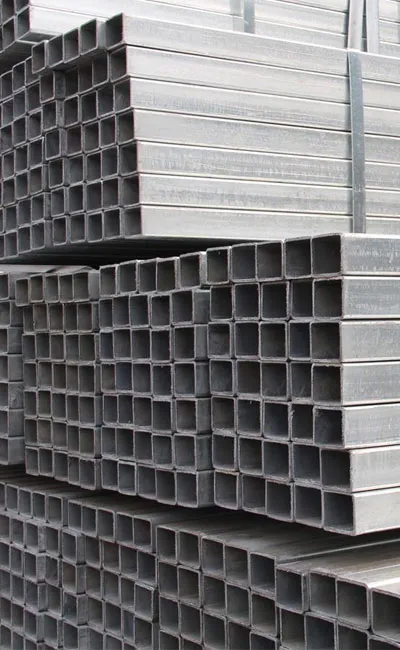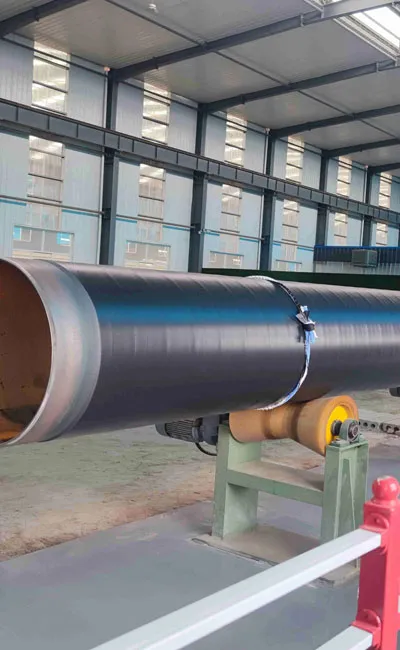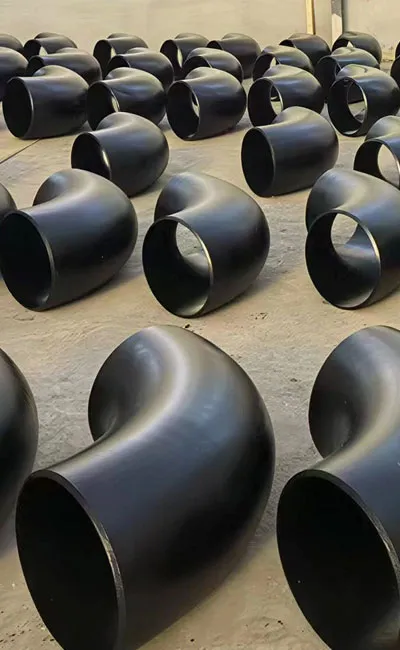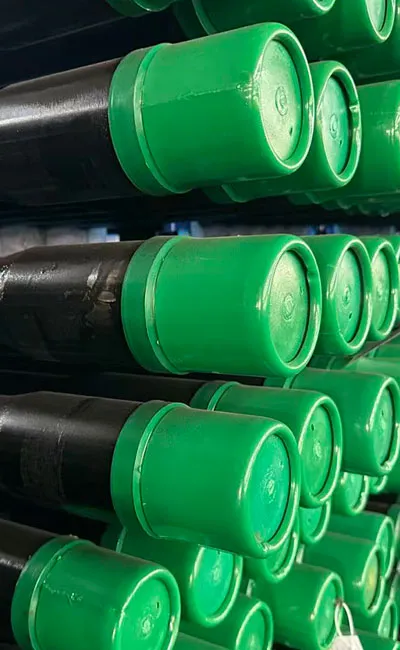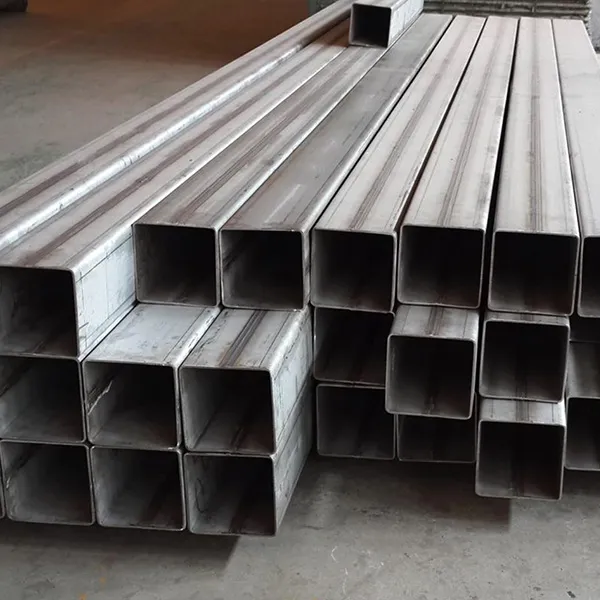
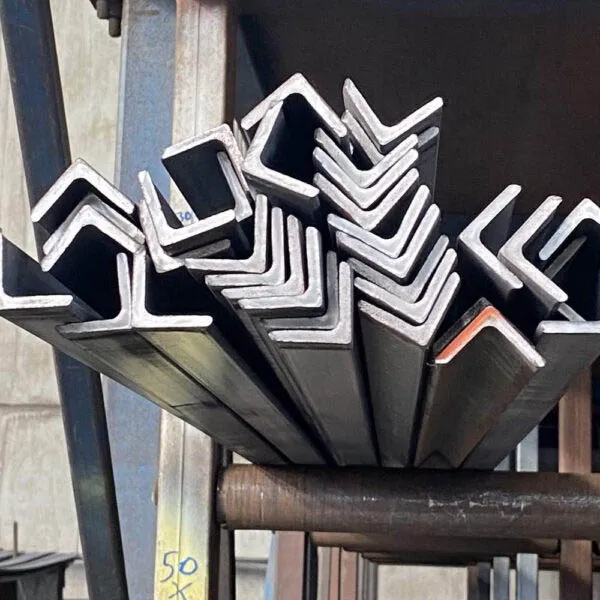
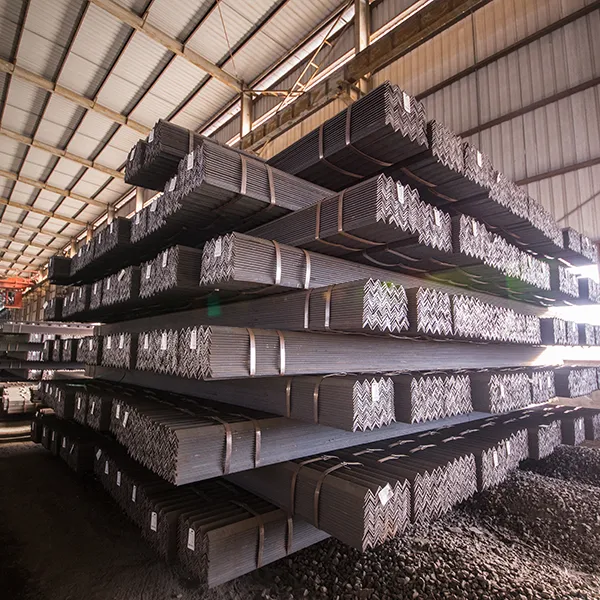
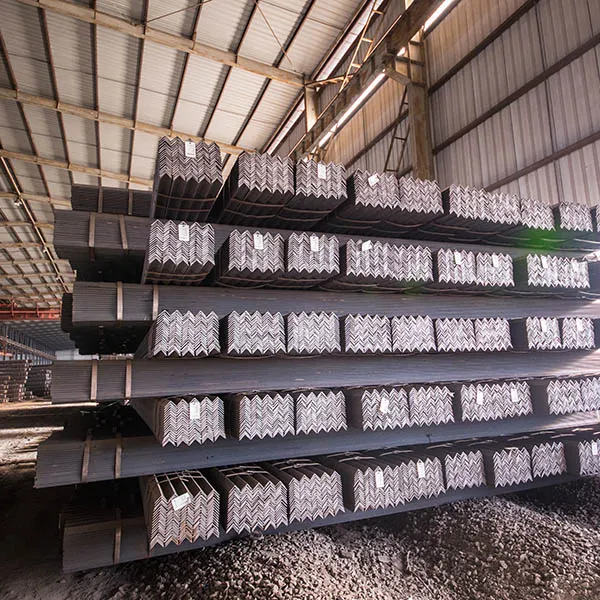
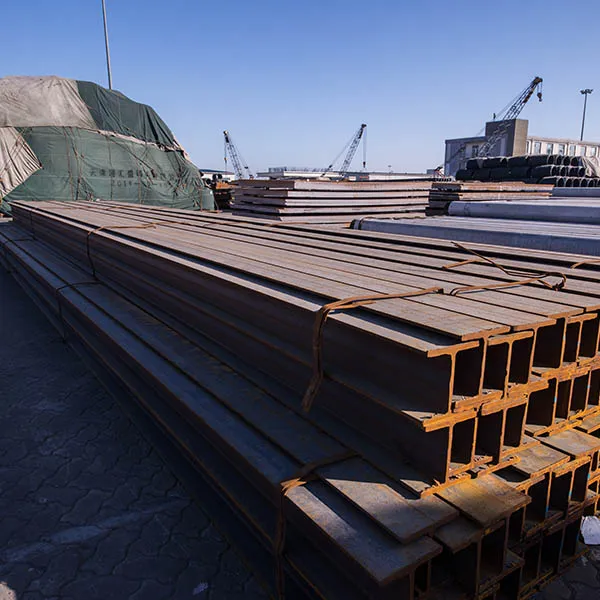
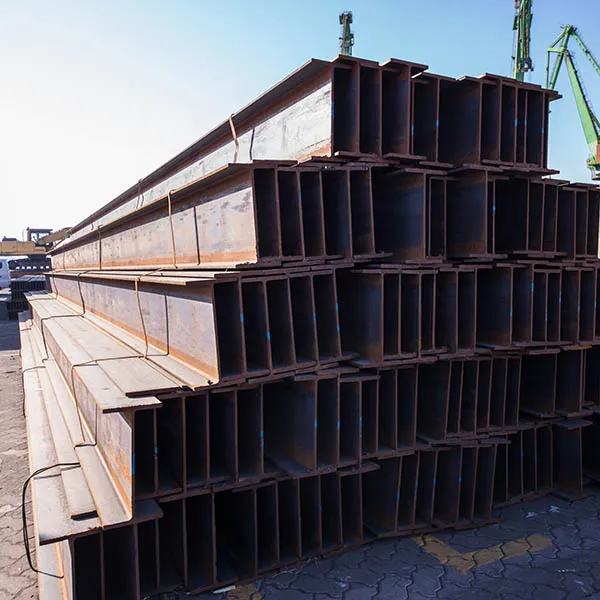
Steel Profiles

Hunan Great Steel Pipe Co., Ltd
structural steel,H beam,I beam,U channel,angle steel,cold drawn steel,hot rolled steel

Steel Profiles

Steel Profiles
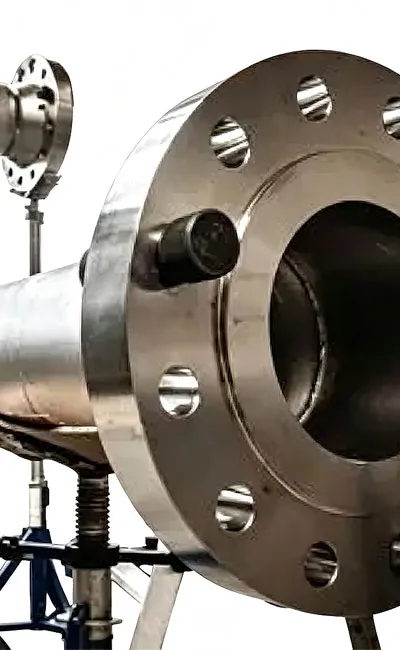
Steel Profiles 1
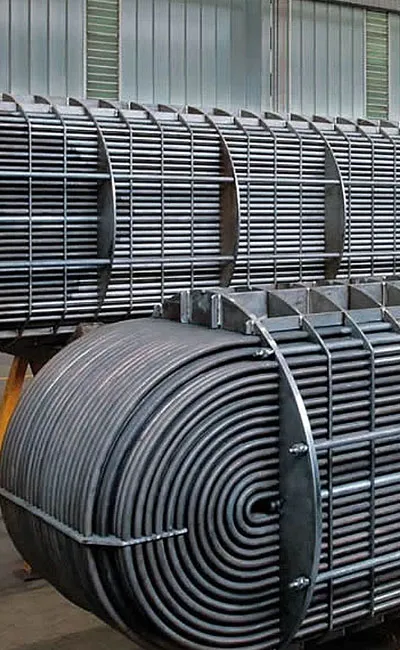
Steel Profiles 2
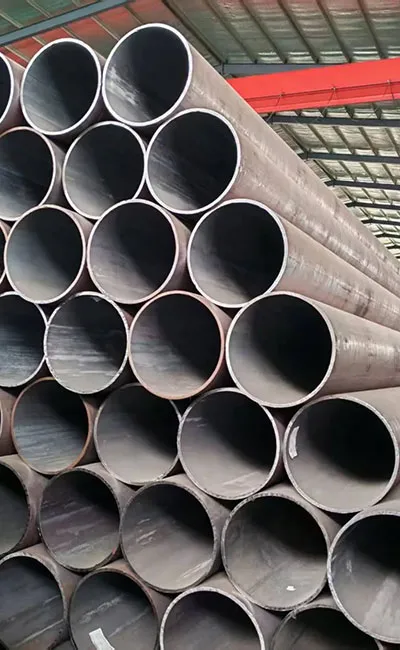
Steel Profiles 3
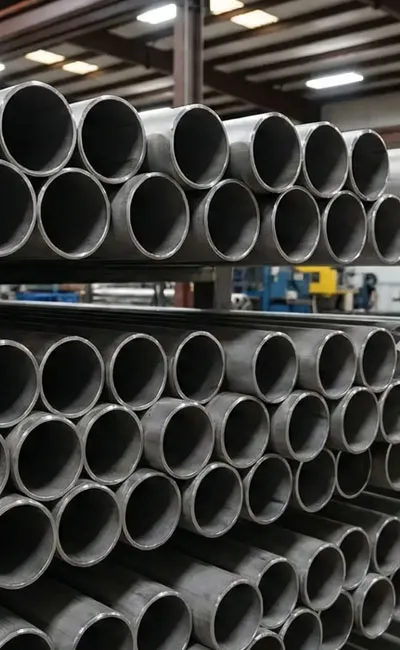
Steel Profiles 4
Keywords
Structural Steel Profile, Hot Rolled Steel Profile, Cold Drawn Steel Profile, H Beam, I Beam, U Channel, Angle Steel, T Profile
Size

Height Range: 20 mm – 900 mm; Flange Width: 20 mm – 300 mm

Web Thickness: 2 mm – 15 mm; Length: Standard 6,000 mm; customized lengths available upon request

Standards & Materials

ASTM A6/A6M,ASTM A276,ASTM A1043/A1043M,EN 10025,EN 10088-3,EN 10279,DIN 17100,ISO 657

Carbon Steel Grades:S235JR, S235J0, S235J2, S275JR, S275J0, S275J2, S355JR, S355J0, S355J2, S355K2,Q235B, Q345B, Q355B, SS400

Stainless Steel Grades:304 (1.4301), 304L, 316L (1.4404), 321, 310S

High-Strength Steel Grades:S460M, S550QL, S690Q, S690QL

Application

Load-bearing structures, bridges and building facades; machine frames, guides and mechanical components; vehicle frames, suspension systems and automotive structural components


Perhaps you would like to contact us via email. Please click on the link below to send us an emailinfo@hnssd.com

    Leave Your Requirement Information

  • close
  • Introduction
  • Standard & Tolerances
  • Material Properties
  • Process & Finishing
  • Test & QC
  • FAQ

Introduction

Steel Profile (Structural Steel Section) is a steel product that has been rolled, drawn or pressed into a shape of consistent cross-section over its entire length. Unlike general steel plates or bars, steel profiles feature precisely engineered cross-sectional geometries that maximize structural efficiency – delivering superior strength-to-weight ratios for load-bearing applications.

Compared with conventional flat steel products, steel profiles offer optimized moment of inertia and section modulus, enabling them to withstand complex bending, torsion and compression loads with minimal material usage. Their standardized shapes ensure consistent mechanical performance, dimensional accuracy and easy installation in construction and engineering projects.

We offer a comprehensive range of steel profiles including H beams, I beams, U channels, equal and unequal angle steels, T profiles, Z profiles, flat bars and custom special profiles. Available in carbon steel, stainless steel and high-strength alloy grades, with heights from 20 mm to 900 mm, web thicknesses from 2 mm to 15 mm, and customizable lengths from 4 m to 18 m. Multiple surface finishes are offered including as-rolled, pickled, ground, polished and hot-dip galvanized.


Product Type

Executive Standard

Dimension Range

Steel Grade

Hot Rolled H Beam

ASTM A6, EN 10025, JIS G3192

Height: 100–900 mm; Flange: 100–300 mm

Q235B, Q345B, S235JR, S355JR, SS400

Hot Rolled I Beam

ASTM A6, EN 10025

Height: 80–600 mm

S235JR, S275JR, S355JR

U Channel

EN 10279, ASTM A6

Height: 20–400 mm; Flange: 20–150 mm

S235JR, S355J2, Q235B

Equal Angle Steel

ISO 657-1, EN 10056

Leg: 20–200 mm; Thickness: 2–20 mm

S235JR, S355JR, Q235B, Q345B

Unequal Angle Steel

ISO 657-2, EN 10056

Leg: 20×30–100×200 mm

S235JR, S355JR

T Profile

EN 10055

Leg: 20–120 mm; Thickness: 3–15 mm

S235JR, S355JR, 304, 316L

Z Profile

Customer specification

Leg: 20–100 mm; Thickness: 2–8 mm

S235JR, S355JR, 304, 316L

Stainless Steel Profiles

ASTM A276, EN 10088-3

Custom dimensions

304, 304L, 316L, 321, 310S

High-Strength Steel Profiles

EN 10025, EN 10149

Custom dimensions

S460M, S550QL, S690Q, S690QL

Standard & Tolerances

All steel profiles are manufactured in strict compliance with international standards including ASTM A6/A6M, EN 10025, EN 10088-3 and EN 10279. Dimensional tolerances are controlled according to EN 10279 for U channels and EN 10034 for structural steel sections, ensuring precise fit and high surface quality.


Dimensional Tolerances (Reference – EN 10279 / EN 10034):

Parameter

Permissible Variation

Height (h)

± 2.0 mm (for h ≤ 200 mm); ± 3.0 mm (for h > 200 mm)

Flange Width (b)

± 2.0 mm (for b ≤ 100 mm); ± 3.0 mm (for b > 100 mm)

Web Thickness (t)

± 0.5 mm (for t ≤ 5 mm); ± 10% (for t > 5 mm)

Flange Thickness (t)

± 0.5 mm (for t ≤ 5 mm); ± 10% (for t > 5 mm)

Straightness

≤ 0.3% of total length

Twist

≤ 0.25% of total length

Custom tolerances available upon request for precision engineering applications.

Material Properties

Below are standard technical references for steel profiles, covering chemical composition and mechanical properties. All data complies with ASTM and EN standards for each steel grade.

Chemical composition defines element content ranges to guarantee weldability, formability and structural integrity. Mechanical properties show standardized strength and elongation values, ensuring reliable performance in load-bearing and dynamic applications. All technical indicators are traceable and support third-party inspection for high-standard industrial applications.


Chemical Requirements (%) – Carbon Steel Grades

Grade

C

Si

Mn

P

S

Cr

Ni

Cu

S235JR

≤0.20

≤0.55

≤1.60

≤0.045

≤0.045

S275JR

≤0.21

≤0.55

≤1.60

≤0.045

≤0.045

S355JR

≤0.24

≤0.55

≤1.60

≤0.045

≤0.045

Q235B

≤0.22

≤0.35

≤1.40

≤0.045

≤0.045

Q345B

≤0.20

≤0.55

≤1.70

≤0.040

≤0.040

Q355B

≤0.24

≤0.55

≤1.60

≤0.035

≤0.035

≤0.30

≤0.30

≤0.40


Chemical Requirements (%) – Stainless Steel Grades

Grade

UNS Designation

C

Mn

P

S

Si

Cr

Ni

Mo

Other

304

S30400

≤0.08

≤2.00

≤0.045

≤0.030

≤1.00

18.0–20.0

8.0–11.0

304L

S30403

≤0.035

≤2.00

≤0.045

≤0.030

≤1.00

18.0–20.0

8.0–13.0

316L

S31603

≤0.035

≤2.00

≤0.045

≤0.030

≤1.00

16.0–18.0

10.0–14.0

2.00–3.00

321

S32100

≤0.08

≤2.00

≤0.045

≤0.030

≤1.00

17.0–19.0

9.0–12.0

Ti ≥ 5×(C+N)


Mechanical Properties – Carbon Steel Grades

Grade

Tensile Strength, min (MPa)

Yield Strength, min (MPa)

Elongation, min (%)

S235JR

360–510

235

24

S275JR

410–560

275

22

S355JR

470–630

355

20

Q235B

370–500

235

26

Q345B

470–630

345

21

Q355B

470–630

355

20


Mechanical Properties – Stainless Steel Grades

Grade

Tensile Strength, min (MPa)

Yield Strength, min (MPa)

Elongation, min (%)

304

515

205

40

304L

485

170

40

316L

485

170

40

321

515

205

40

310S

515

205

40

Process & Finishing

Steel profiles are primarily manufactured by two core methods: hot rolling and cold drawing. Hot rolling involves heating steel billets to approximately 1100°C and continuously forming them through multiple rolling passes. This process is ideal for large structural profiles and offers excellent production efficiency. Cold drawing is performed at ambient temperatures, producing profiles with tight tolerances (h9), excellent surface finish and the capability to manufacture small lots.

Our complete standardized production process includes:

1. Raw Material Preparation – Premium steel billets or wire rods are selected and preheated to ensure stable forming quality.

2. Hot Rolling Forming – Heated billets undergo multi-pass rolling on professional mills. Progressive deformation guarantees uniform cross-section, precise dimensional tolerance and optimal mechanical properties.

3. Cold Drawing (Optional) – For high-precision profiles, cold drawing is applied at room temperature to improve dimensional accuracy, straightness and surface finish.

4. Heat Treatment & Straightening – Hot-rolled or cold-drawn profiles undergo annealing or normalizing to optimize internal microstructure and relieve residual stresses. Straightening ensures precise linearity.

5. Surface Treatment – Integrated pickling removes rolling scale and oxide layers. Passivation creates a uniform protective surface and enhances corrosion resistance. Mechanical polishing achieves mirror-grade smooth finish. Hot-dip galvanizing provides superior anti-corrosion protection for outdoor applications.

6. Quality Inspection & Packaging – Finished profiles undergo strict dimensional inspection, NDT flaw detection and mechanical testing. Only fully qualified products are packaged and delivered to ensure stable and reliable performance.

Test & QC

All steel profiles are manufactured in strict accordance with official industry standards and undergo comprehensive systematic testing before shipment, ensuring zero potential defects and complete structural integrity for construction and engineering use.

Tensile Testing is implemented as a mandatory inspection procedure, verifying that each finished profile meets specified strength and elongation requirements.

Chemical Composition Analysis ensures material purity and compliance with standard specifications.

Dimensional Inspection verifies height, flange width, web thickness, straightness and twist against tolerance requirements.

Non-Destructive Testing (NDT) – Optional ultrasonic testing (UT) identifies internal defects such as laminations, inclusions and porosity; magnetic particle inspection (MPI) detects surface and near-surface defects; dye penetrant inspection (DPI) reveals surface cracks and porosity; radiographic testing (RT) generates internal structure images to assess quality.

After passing all quality tests, profiles undergo customized finishing and standardized packaging. Available processing includes precision straightening, custom fixed-length cutting and professional surface polishing. Each product is clearly stenciled with complete batch and manufacturing information, realizing full lot traceability.

FAQ

Q1: Why are steel profiles preferred over flat steel plates in structural applications?

Steel profiles feature engineered cross-sectional geometries (H, I, U, L, T shapes) that provide optimized moment of inertia and section modulus. This enables them to withstand complex bending, torsion and compression loads with significantly less material than flat plates, resulting in lighter structures, lower material costs and easier installation.

Q2: What is the difference between hot-rolled and cold-drawn steel profiles?

Hot rolling is performed at approximately 1100°C and is ideal for large structural profiles with high production efficiency. Cold drawing is performed at ambient temperatures and produces profiles with tighter tolerances (h9), superior surface finish and the ability to manufacture small lots. Cold-drawn profiles also offer higher strength, improved dimensional accuracy and better straightness.

Q3: Which steel grade should I choose for my project?

For general structural applications, S235JR or Q235B provides good strength and weldability. For higher load-bearing requirements, S355JR or Q345B offers superior strength. For corrosive environments, stainless steel grades 304 or 316L are recommended. For extreme high-strength requirements, S460M, S550QL or S690Q are available.

Q4: What surface treatments are available for steel profiles?

We offer multiple surface finishes including as-rolled (black), pickled matte, bright drawn, ground, polished and hot-dip galvanized. Pickling removes rolling scale and oxide layers; passivation enhances corrosion resistance; hot-dip galvanizing provides superior protection for outdoor and marine applications.

Q5: How do steel profiles perform in corrosive environments?

Carbon steel profiles require protective coatings such as hot-dip galvanizing or zinc spraying for corrosion resistance in outdoor or moist environments. Stainless steel profiles (304, 316L) offer inherent corrosion resistance and are suitable for chemical, marine and food processing applications.

Q6: Can steel profiles be customized to specific dimensions?

Yes. We offer custom profile production with tailored dimensions, including special non-standard shapes. Standard lengths are 6,000 mm, with customized lengths available upon request. Minimum order quantities are flexible for stainless steel profiles.

Q7: What quality certifications do your steel profiles carry?

Our steel profiles are manufactured in compliance with ASTM A6/A6M, EN 10025, EN 10088-3 and EN 10279 standards. Full third-party inspection certification reports can be provided upon request.

Q8: In which applications are steel profiles irreplaceable?

Steel profiles are irreplaceable in load-bearing building structures, bridges and building facades; machine frames and mechanical engineering components; automotive frames and suspension systems; underground mine and tunnel supports; and industrial warehouse, commercial and production facility construction. These critical applications demand the unique combination of strength, precision and structural efficiency that only steel profiles can provide.

All steel profiles are manufactured in strict compliance with international standards including ASTM A6/A6M, EN 10025, EN 10088-3 and EN 10279. Dimensional tolerances are controlled according to EN 10279 for U channels and EN 10034 for structural steel sections, ensuring precise fit and high surface quality.


Dimensional Tolerances (Reference – EN 10279 / EN 10034):

Parameter

Permissible Variation

Height (h)

± 2.0 mm (for h ≤ 200 mm); ± 3.0 mm (for h > 200 mm)

Flange Width (b)

± 2.0 mm (for b ≤ 100 mm); ± 3.0 mm (for b > 100 mm)

Web Thickness (t)

± 0.5 mm (for t ≤ 5 mm); ± 10% (for t > 5 mm)

Flange Thickness (t)

± 0.5 mm (for t ≤ 5 mm); ± 10% (for t > 5 mm)

Straightness

≤ 0.3% of total length

Twist

≤ 0.25% of total length

Custom tolerances available upon request for precision engineering applications.

Below are standard technical references for steel profiles, covering chemical composition and mechanical properties. All data complies with ASTM and EN standards for each steel grade.

Chemical composition defines element content ranges to guarantee weldability, formability and structural integrity. Mechanical properties show standardized strength and elongation values, ensuring reliable performance in load-bearing and dynamic applications. All technical indicators are traceable and support third-party inspection for high-standard industrial applications.


Chemical Requirements (%) – Carbon Steel Grades

Grade

C

Si

Mn

P

S

Cr

Ni

Cu

S235JR

≤0.20

≤0.55

≤1.60

≤0.045

≤0.045

S275JR

≤0.21

≤0.55

≤1.60

≤0.045

≤0.045

S355JR

≤0.24

≤0.55

≤1.60

≤0.045

≤0.045

Q235B

≤0.22

≤0.35

≤1.40

≤0.045

≤0.045

Q345B

≤0.20

≤0.55

≤1.70

≤0.040

≤0.040

Q355B

≤0.24

≤0.55

≤1.60

≤0.035

≤0.035

≤0.30

≤0.30

≤0.40


Chemical Requirements (%) – Stainless Steel Grades

Grade

UNS Designation

C

Mn

P

S

Si

Cr

Ni

Mo

Other

304

S30400

≤0.08

≤2.00

≤0.045

≤0.030

≤1.00

18.0–20.0

8.0–11.0

304L

S30403

≤0.035

≤2.00

≤0.045

≤0.030

≤1.00

18.0–20.0

8.0–13.0

316L

S31603

≤0.035

≤2.00

≤0.045

≤0.030

≤1.00

16.0–18.0

10.0–14.0

2.00–3.00

321

S32100

≤0.08

≤2.00

≤0.045

≤0.030

≤1.00

17.0–19.0

9.0–12.0

Ti ≥ 5×(C+N)


Mechanical Properties – Carbon Steel Grades

Grade

Tensile Strength, min (MPa)

Yield Strength, min (MPa)

Elongation, min (%)

S235JR

360–510

235

24

S275JR

410–560

275

22

S355JR

470–630

355

20

Q235B

370–500

235

26

Q345B

470–630

345

21

Q355B

470–630

355

20


Mechanical Properties – Stainless Steel Grades

Grade

Tensile Strength, min (MPa)

Yield Strength, min (MPa)

Elongation, min (%)

304

515

205

40

304L

485

170

40

316L

485

170

40

321

515

205

40

310S

515

205

40

Steel profiles are primarily manufactured by two core methods: hot rolling and cold drawing. Hot rolling involves heating steel billets to approximately 1100°C and continuously forming them through multiple rolling passes. This process is ideal for large structural profiles and offers excellent production efficiency. Cold drawing is performed at ambient temperatures, producing profiles with tight tolerances (h9), excellent surface finish and the capability to manufacture small lots.

Our complete standardized production process includes:

1. Raw Material Preparation – Premium steel billets or wire rods are selected and preheated to ensure stable forming quality.

2. Hot Rolling Forming – Heated billets undergo multi-pass rolling on professional mills. Progressive deformation guarantees uniform cross-section, precise dimensional tolerance and optimal mechanical properties.

3. Cold Drawing (Optional) – For high-precision profiles, cold drawing is applied at room temperature to improve dimensional accuracy, straightness and surface finish.

4. Heat Treatment & Straightening – Hot-rolled or cold-drawn profiles undergo annealing or normalizing to optimize internal microstructure and relieve residual stresses. Straightening ensures precise linearity.

5. Surface Treatment – Integrated pickling removes rolling scale and oxide layers. Passivation creates a uniform protective surface and enhances corrosion resistance. Mechanical polishing achieves mirror-grade smooth finish. Hot-dip galvanizing provides superior anti-corrosion protection for outdoor applications.

6. Quality Inspection & Packaging – Finished profiles undergo strict dimensional inspection, NDT flaw detection and mechanical testing. Only fully qualified products are packaged and delivered to ensure stable and reliable performance.
All steel profiles are manufactured in strict accordance with official industry standards and undergo comprehensive systematic testing before shipment, ensuring zero potential defects and complete structural integrity for construction and engineering use.

Tensile Testing is implemented as a mandatory inspection procedure, verifying that each finished profile meets specified strength and elongation requirements.

Chemical Composition Analysis ensures material purity and compliance with standard specifications.

Dimensional Inspection verifies height, flange width, web thickness, straightness and twist against tolerance requirements.

Non-Destructive Testing (NDT) – Optional ultrasonic testing (UT) identifies internal defects such as laminations, inclusions and porosity; magnetic particle inspection (MPI) detects surface and near-surface defects; dye penetrant inspection (DPI) reveals surface cracks and porosity; radiographic testing (RT) generates internal structure images to assess quality.

After passing all quality tests, profiles undergo customized finishing and standardized packaging. Available processing includes precision straightening, custom fixed-length cutting and professional surface polishing. Each product is clearly stenciled with complete batch and manufacturing information, realizing full lot traceability.

Q1: Why are steel profiles preferred over flat steel plates in structural applications?

Steel profiles feature engineered cross-sectional geometries (H, I, U, L, T shapes) that provide optimized moment of inertia and section modulus. This enables them to withstand complex bending, torsion and compression loads with significantly less material than flat plates, resulting in lighter structures, lower material costs and easier installation.

Q2: What is the difference between hot-rolled and cold-drawn steel profiles?

Hot rolling is performed at approximately 1100°C and is ideal for large structural profiles with high production efficiency. Cold drawing is performed at ambient temperatures and produces profiles with tighter tolerances (h9), superior surface finish and the ability to manufacture small lots. Cold-drawn profiles also offer higher strength, improved dimensional accuracy and better straightness.

Q3: Which steel grade should I choose for my project?

For general structural applications, S235JR or Q235B provides good strength and weldability. For higher load-bearing requirements, S355JR or Q345B offers superior strength. For corrosive environments, stainless steel grades 304 or 316L are recommended. For extreme high-strength requirements, S460M, S550QL or S690Q are available.

Q4: What surface treatments are available for steel profiles?

We offer multiple surface finishes including as-rolled (black), pickled matte, bright drawn, ground, polished and hot-dip galvanized. Pickling removes rolling scale and oxide layers; passivation enhances corrosion resistance; hot-dip galvanizing provides superior protection for outdoor and marine applications.

Q5: How do steel profiles perform in corrosive environments?

Carbon steel profiles require protective coatings such as hot-dip galvanizing or zinc spraying for corrosion resistance in outdoor or moist environments. Stainless steel profiles (304, 316L) offer inherent corrosion resistance and are suitable for chemical, marine and food processing applications.

Q6: Can steel profiles be customized to specific dimensions?

Yes. We offer custom profile production with tailored dimensions, including special non-standard shapes. Standard lengths are 6,000 mm, with customized lengths available upon request. Minimum order quantities are flexible for stainless steel profiles.

Q7: What quality certifications do your steel profiles carry?

Our steel profiles are manufactured in compliance with ASTM A6/A6M, EN 10025, EN 10088-3 and EN 10279 standards. Full third-party inspection certification reports can be provided upon request.

Q8: In which applications are steel profiles irreplaceable?

Steel profiles are irreplaceable in load-bearing building structures, bridges and building facades; machine frames and mechanical engineering components; automotive frames and suspension systems; underground mine and tunnel supports; and industrial warehouse, commercial and production facility construction. These critical applications demand the unique combination of strength, precision and structural efficiency that only steel profiles can provide.
  • Prev : Hollow Section
  • Next : No matching information found
  • Tags : structural steel , H beam , I beam , U channel , angle steel , cold drawn steel , hot rolled steel

Find what you need ?

close
We use cookies and other tracking technologies to improve your browsing experience on our website, to show you personalized content and targeted ads, to analyze our website traffic, and to understand where our visitors are coming from.