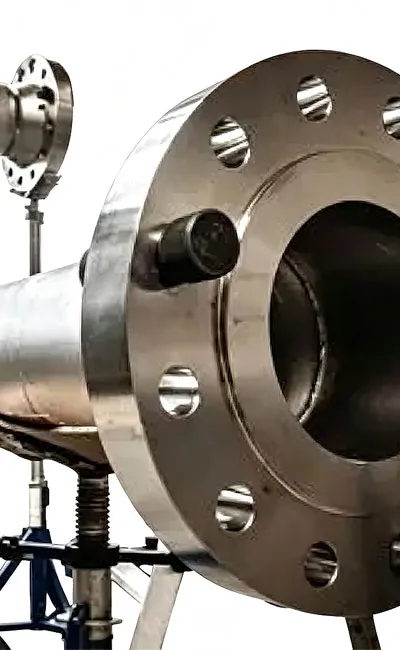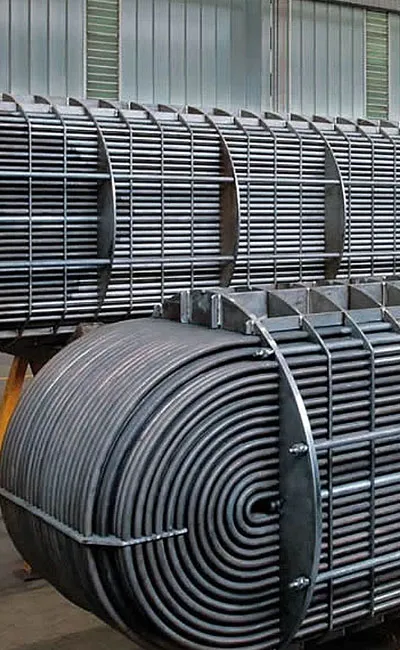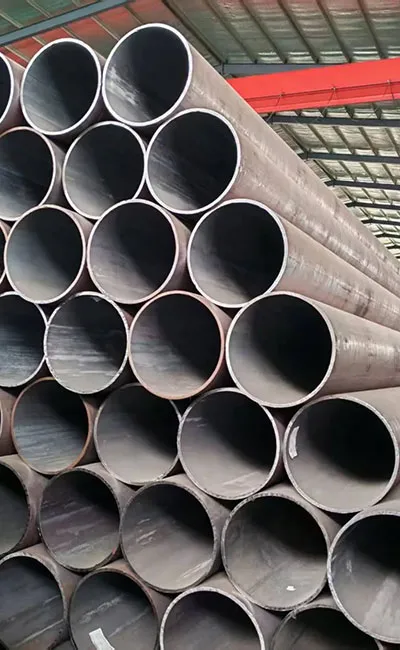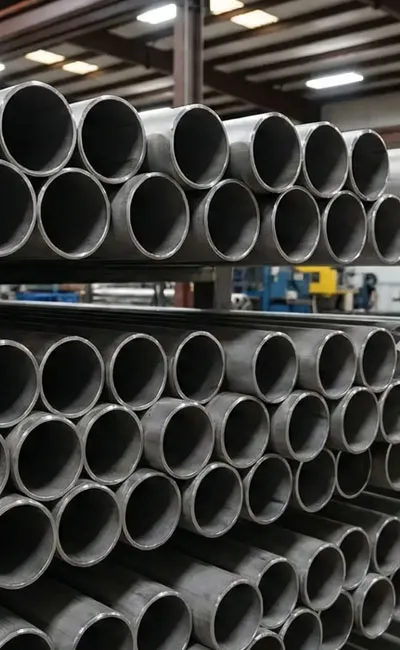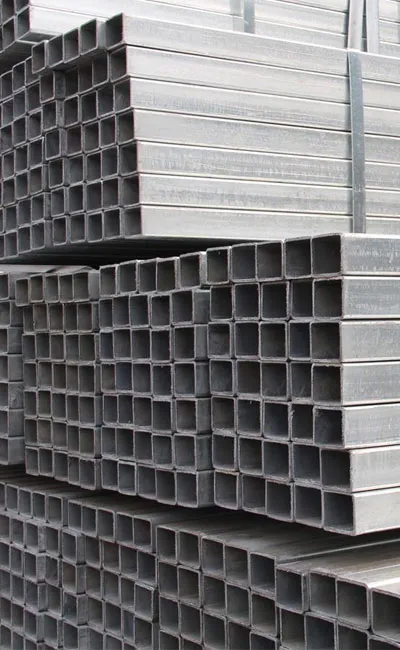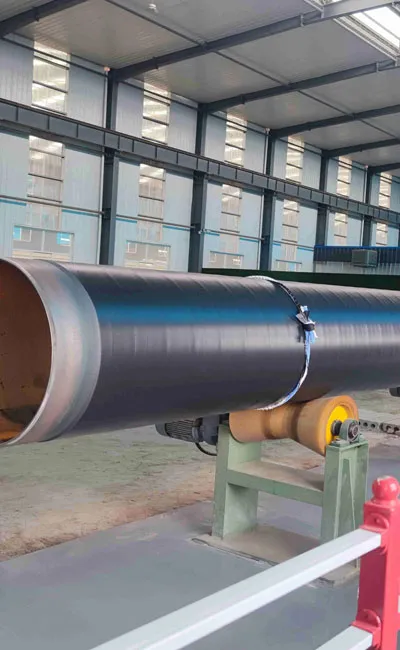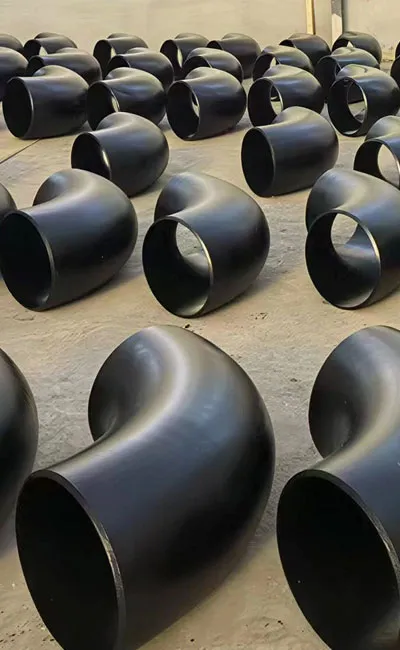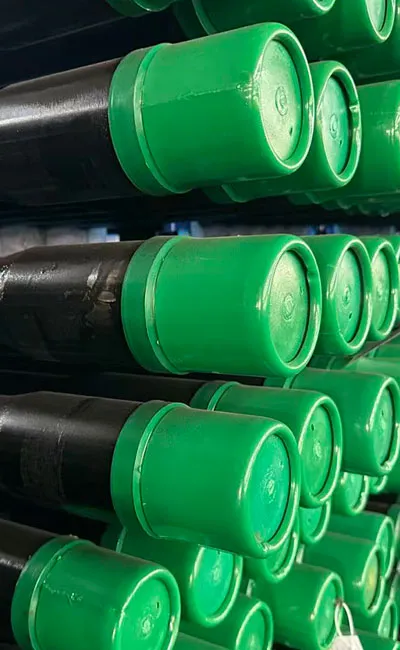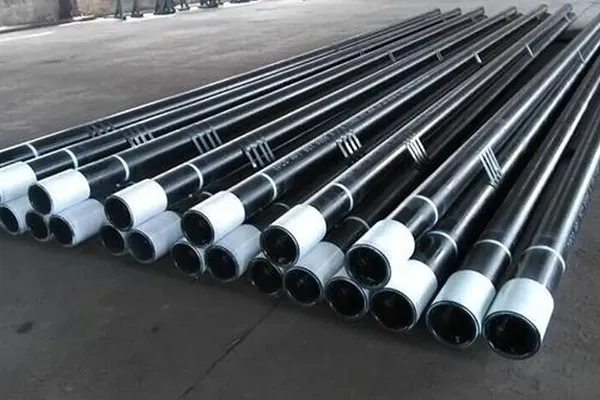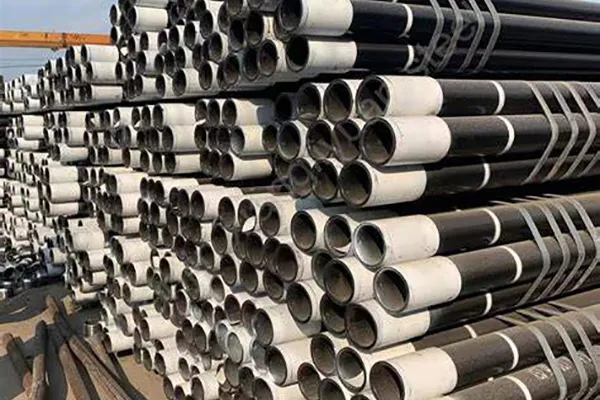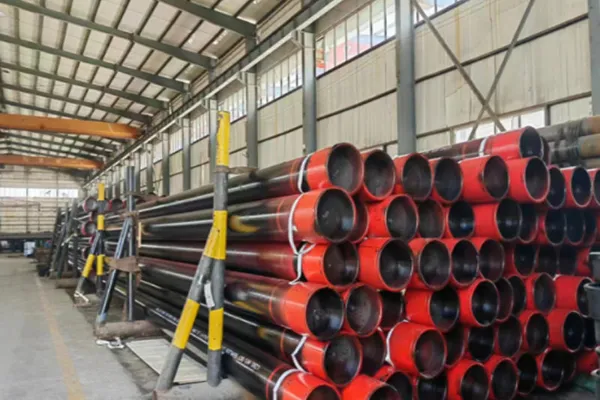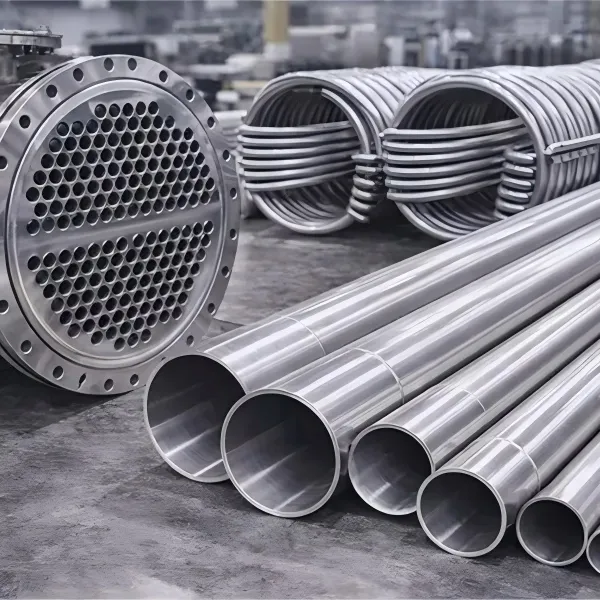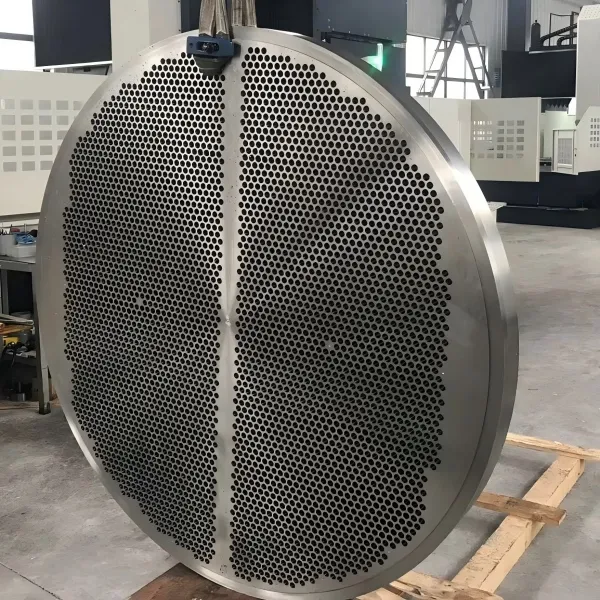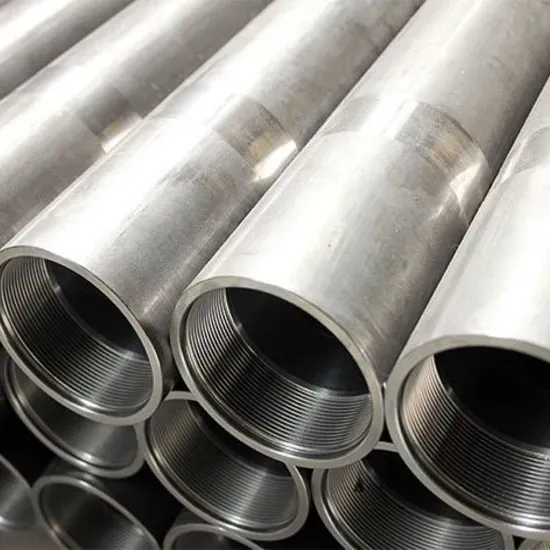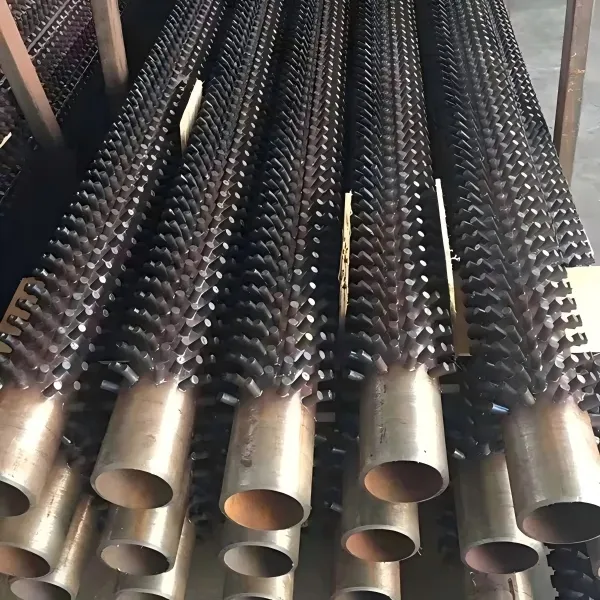

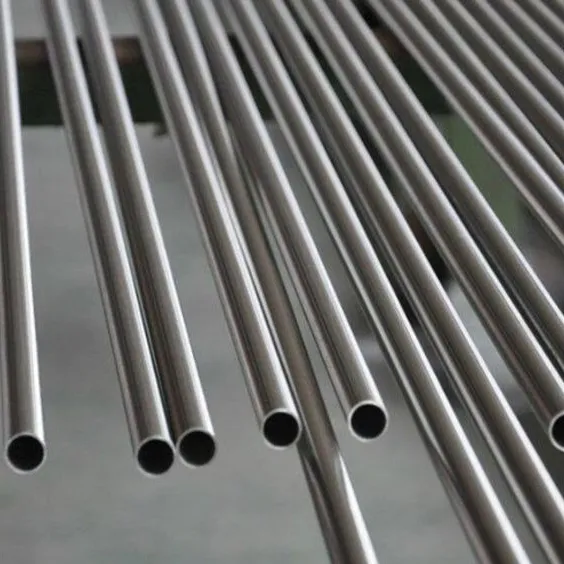
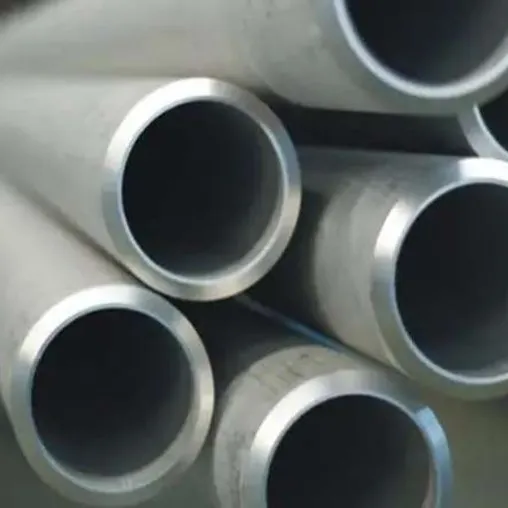
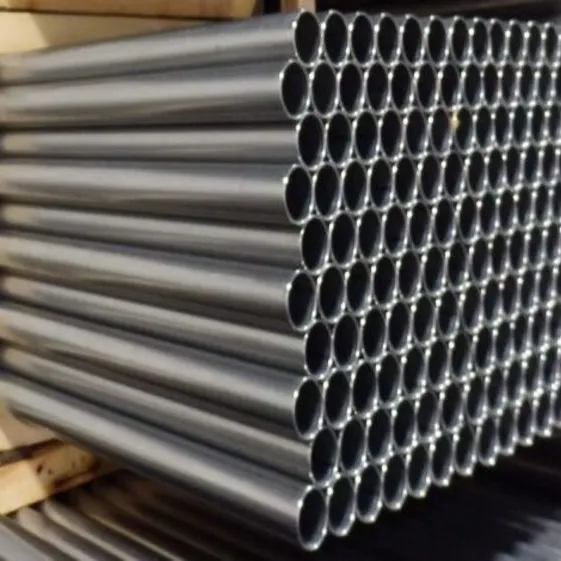
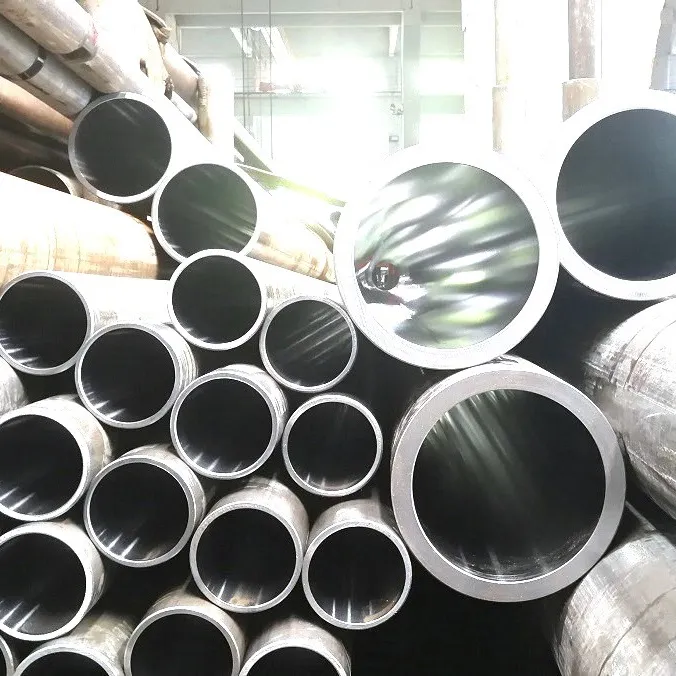
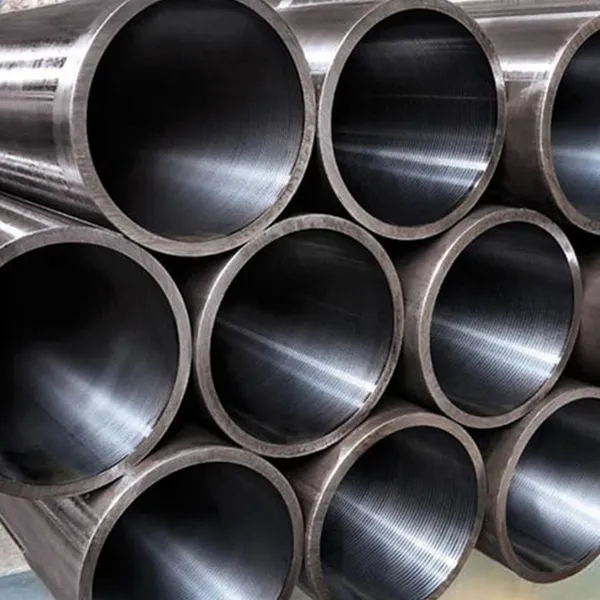
Hydraulic Steel Pipesare precision-engineered, seamless steel tubes specifically designed for high-pressure hydraulic systems. Manufactured from high-quality carbon and alloy steel, these pipes offer superior tensile strength, excellent resistance to corrosion, and the ability to withstand extreme pressure fluctuations without deformation. They are essential components in modern fluid power systems, ensuring the safe and efficient transmission of hydraulic fluid.
Hydraulic steel tubeare typically manufactured from seamless steel hollows that undergo cold drawing processes to achieve exceptional dimensional accuracy and a superior surface finish. The most commonly used material grades include EN 10305‑4 (E215 / E235 / E355), DIN 2391 (St52), ASTM A519 (1026), JIS G3445 (STKM13A), and GOST steel 20.
The inner surface of ahydraulic system steel tubecan be further processed by honing or Skiving & Roller Burnishing (SRB) to create a smooth, low-friction bore that allows pistons to slide freely while withstanding high internal pressures, shocks, and wear. This internal processing enhances seal life, reduces friction, and prevents leakage.
Key Features:
• High Precision: Cold-drawn or cold-rolled to ensure tight dimensional tolerances (H8, H9, H10, H11).
• Superior Surface Finish: Smooth inner and outer surfaces reduce friction and prevent seal damage.
• High Strength: Capable of withstanding high working pressures.
• Leak-Proof: Seamless construction eliminates the risk of leakage common in welded pipes.
Applications:
• Hydraulic steel pipes are versatile and widely used across various heavy industries.
• Construction Machinery: Excavators, bulldozers, cranes, and concrete pumps.
• Mining Equipment: Hydraulic roof supports (hydraulic props), drilling rigs, and conveyors.
• Industrial Automation: Injection molding machines, hydraulic presses, and steel rolling equipment.
• Automotive: Suspension systems and braking systems.
• Energy Sector: Wind turbines and hydroelectric power plants.
The Hydraulic Steel Pipe is manufactured to precise dimensional and mechanical specifications to ensure reliable performance in high-pressure fluid power applications.
Dimensional Specification Table
|
Parameter |
Range |
Tolerance / Notes |
|
Outside Diameter (OD) |
4 mm – 324 mm (custom up to 400 mm) |
±0.05 mm (precision grade); ±0.10 mm (standard) |
|
Wall Thickness (WT) |
1 mm – 30 mm |
±5% – ±10% of nominal |
|
Length |
6 m / 12 m / 12.5 m (standard); 0.5 m – 18 m (exact cut) |
±1 mm (≤6 m); ±2 mm (>6 m) |
|
Straightness |
≤0.1 mm per meter (laser-verified) |
≤0.3 mm/m (basic)-61 |
|
Surface Roughness (ID) |
Ra ≤ 0.2 – 0.8 µm (honed/SRB) |
Ra ≤ 4 µm (as-cold-drawn)-41 |
|
Delivery Conditions |
BK (+C), BKW (+LC), BKS (+SR), GBK (+A), NBK (+N) |
Per DIN 2391 / EN 10305-1 |
Material Grade & Chemical Composition Table
|
Standard |
Steel Grade |
C (%) max |
Si (%) max |
Mn (%) |
P (%) max |
S (%) max |
Equivalent Grades |
|
ASTM A519 |
1020 |
0.18–0.23 |
— |
0.30–0.60 |
0.040 |
0.050 |
SAE 1020 |
|
ASTM A519 |
1026 |
0.22–0.28 |
— |
0.60–0.90 |
0.040 |
0.050 |
SAE 1026-11 |
|
ASTM A519 |
4130 |
0.28–0.33 |
0.15–0.35 |
0.40–0.60 |
0.040 |
0.040 |
Cr-Mo alloy-4 |
|
ASTM A519 |
4140 |
0.38–0.43 |
0.15–0.35 |
0.75–1.00 |
0.040 |
0.040 |
Cr-Mo alloy-11 |
|
DIN 2391 |
St35 (1.0308) |
0.17 |
0.35 |
≥0.40 |
0.025 |
0.025 |
E235, 10# |
|
DIN 2391 |
St45 (1.0408) |
0.21 |
0.35 |
≥0.40 |
0.025 |
0.025 |
20#-23 |
|
DIN 2391 |
St52 (1.0580) |
0.22 |
0.55 |
≤1.60 |
0.025 |
0.025 |
E355, Q345B, 16Mn-23 |
|
EN 10305-1 |
E235 (1.0308) |
0.17 |
0.35 |
1.20 |
0.025 |
0.015 |
St37.4-34 |
|
EN 10305-1 |
E355 (1.0580) |
0.22 |
0.55 |
1.60 |
0.025 |
0.015 |
St52.4-34 |
|
GB/T 3639 |
20# |
0.17–0.23 |
0.17–0.37 |
0.35–0.65 |
0.035 |
0.035 |
C22E-62 |
|
GB/T 3639 |
45# |
0.42–0.50 |
0.17–0.37 |
0.50–0.80 |
0.035 |
0.035 |
C45E |
The Hydraulic Steel Pipe is manufactured and tested in compliance with a comprehensive range of international standards. The tables below summarize the key applicable standards and grade comparisons.
Primary Standards for Hydraulic Steel Pipe
|
Standard |
Full Title |
Material Scope |
Key Features |
|
ASTM A519 |
Seamless Carbon and Alloy Steel Mechanical Tubing |
Carbon & alloy steel (1020, 1026, 4130, 4140, etc.) |
Covers both hot-finished and cold-finished mechanical tubing; widely used in hydraulic cylinders, shafts, axles; sizes up to 12¾″- |
|
DIN 2391 |
Cold-drawn Seamless Precision Steel Tubes |
St35, St45, St52, St52.4, etc. |
German standard; high dimensional accuracy; widely accepted in hydraulic and pneumatic systems globally; various delivery conditions-23 |
|
EN 10305 |
Steel Tubes for Precision Applications (Parts 1–6) |
E215, E235, E355 |
European standard; precisely defined tolerances and specified surface roughness; mandatory for CE-marked products under PED-31 |
|
EN 10305-4 |
Part 4: Seamless Cold Drawn Tubes for Hydraulic and Pneumatic Power Systems |
E215, E235, E355 |
Specialized subset of EN 10305 specifically for hydraulic/pneumatic systems; ISO 3304-compliant |
|
JIS G3445 |
Carbon Steel Tubes for Machine Structural Purposes |
STKM 12A, STKM 13A, STKM 17A |
Japanese industrial standard; precision seamless tubes for machinery including hydraulic cylinders |
|
GB/T 3639 |
Cold-drawn or Cold-rolled Precision Seamless Steel Tubes |
10#, 20#, 35#, 45#, Q345B, 27SiMn |
Chinese national standard; high precision, no oxide layer, withstands high pressure without leakage-62 |
|
ISO 3304 |
Seamless Steel Tubes for Hydraulic and Pneumatic Power Systems |
Various |
International standard for precision seamless tubes in fluid power applications |
|
API 5L |
Line Pipe (applicable for hydraulic applications) |
Gr.B, X42, X52, X65, etc. |
For hydraulic tubing in oil & gas applications requiring high-strength line pipe |
International Grade Comparison Table
|
Application Level |
ASTM A519 |
DIN 2391 |
EN 10305-1 |
JIS G3445 |
GB/T 3639 |
|
General Purpose |
1020 |
St35 |
E235 |
STKM 12A |
10# / 20# |
|
High Strength |
1026 |
St45 |
— |
STKM 13A |
20# / 35# |
|
High Strength / Hydraulic |
— |
St52 |
E355 |
STKM 17A |
45# / Q345B |
|
Super High Strength / Alloy |
4130 / 4140 |
— |
— |
— |
27SiMn / 30CrMo |
|
Heat Treatment Condition |
CDS / HFS |
NBK (+N) |
+N |
Annealed |
Annealed |
Delivery Condition Codes & Meanings
|
Symbol |
DIN 2391 |
EN 10305-1 |
Meaning |
Characteristics |
|
BK (+C) |
BK |
+C |
Cold-finished/hard (as-drawn) |
No heat treatment; highest strength, limited deformability-31 |
|
BKW (+LC) |
BKW |
+LC |
Cold-finished/soft (lightly cold-worked) |
Light finishing pass after heat treatment; good deformability-31 |
|
BKS (+SR) |
BKS |
+SR |
Cold-finished/stress relieve annealed |
Stress relief annealing after final cold forming-25 |
|
GBK (+A) |
GBK |
+A |
Annealed |
Annealed in controlled atmosphere; soft and uniform-25 |
|
NBK (+N) |
NBK |
+N |
Normalized |
Annealed above upper transformation point; bright and smooth surface; excellent combination of strength and toughness-25 |
Key supplementary requirements for hydraulic applications:
• Surface cleanliness: Internal bore must be free from rust, oxide scale, and contaminants.
• Pressure rating: Working pressure typically 20–50 MPa (standard); up to 100 MPa (high-strength grades) and 300 MPa (4130/4140 alloy grades).
• NDT requirements: Eddy current testing per ISO 10893-1 or ultrasonic testing per ASTM E213.
• Traceability & certification: EN 10204 Type 3.1 mill test certificates (MTC) with full traceability to heat number. Type 3.2 certificates with third-party verification (SGS, BV, TÜV) available. PED 2014/68/EU certification for European pressure applications.
The manufacturing of our hydraulic steel pipes involves a sophisticated series of steps to ensure the highest quality and precision.
• Raw Material Selection: We start with high-quality hot-rolled seamless tubes or solid steel bars.
• Pickling: The raw material is cleaned with acid to remove surface oxides and rust.
• Cold Drawing/Rolling: The material is drawn through a die or rolled to reduce the diameter and wall thickness to the precise dimensions required. This process significantly improves the surface finish and mechanical properties.
• Heat Treatment: To eliminate internal stress and improve machinability, the pipes undergo annealing or normalizing.
• Straightening & Cutting: The pipes are straightened using roller straighteners and cut to the required length.
• Testing: Every batch undergoes rigorous testing, including hydrostatic pressure testing, eddy current testing, and ultrasonic testing to ensure there are no defects.
Proper packing is crucial to protect the pipes during transportation and storage. We offer flexible packing solutions tailored to the customer's requirements and the mode of transport (sea, air, or land).
Standard Export Packing:
• Bundle Packing: Pipes are bundled with steel strips.
• Protection: Each bundle is wrapped in waterproof paper or woven bags to prevent moisture and corrosion.
• Caps: Plastic caps are placed on both ends of the pipes to protect the threads and the pipe ends from damage.
Custom Packing Options:
• Wooden Boxes/Crates: For smaller diameter pipes or high-precision tubes requiring extra protection.
• Pallets: Bundles can be placed on fumigated wooden pallets for easier forklift handling.
• Oil Coating: A layer of anti-rust oil is applied to the surface before packing if the pipes are not galvanized or painted.
A: Hydraulic tubing is typically seamless, cold-drawn, and has much tighter tolerances and a smoother surface finish than regular welded pipes. This is necessary to handle high pressure and prevent leaks in hydraulic systems.
A: Yes, we can manufacture hydraulic steel pipes according to your specific drawings and size requirements, including non-standard outer diameters and wall thicknesses.
A: We perform 100% hydrostatic testing, eddy current testing, and ultrasonic testing. We also provide Mill Test Certificates (MTC) with the chemical composition and mechanical properties for each batch.
A: For standard sizes in stock, we can deliver within 7-10 days. For custom production orders, the lead time is typically 15-30 days depending on the quantity.
A: Yes, we can provide pipes with various surface treatments including black painting, galvanizing, zinc plating, and bright annealing.
The Hydraulic Steel Pipe is manufactured to precise dimensional and mechanical specifications to ensure reliable performance in high-pressure fluid power applications.
Dimensional Specification Table
|
Parameter |
Range |
Tolerance / Notes |
|
Outside Diameter (OD) |
4 mm – 324 mm (custom up to 400 mm) |
±0.05 mm (precision grade); ±0.10 mm (standard) |
|
Wall Thickness (WT) |
1 mm – 30 mm |
±5% – ±10% of nominal |
|
Length |
6 m / 12 m / 12.5 m (standard); 0.5 m – 18 m (exact cut) |
±1 mm (≤6 m); ±2 mm (>6 m) |
|
Straightness |
≤0.1 mm per meter (laser-verified) |
≤0.3 mm/m (basic)-61 |
|
Surface Roughness (ID) |
Ra ≤ 0.2 – 0.8 µm (honed/SRB) |
Ra ≤ 4 µm (as-cold-drawn)-41 |
|
Delivery Conditions |
BK (+C), BKW (+LC), BKS (+SR), GBK (+A), NBK (+N) |
Per DIN 2391 / EN 10305-1 |
Material Grade & Chemical Composition Table
|
Standard |
Steel Grade |
C (%) max |
Si (%) max |
Mn (%) |
P (%) max |
S (%) max |
Equivalent Grades |
|
ASTM A519 |
1020 |
0.18–0.23 |
— |
0.30–0.60 |
0.040 |
0.050 |
SAE 1020 |
|
ASTM A519 |
1026 |
0.22–0.28 |
— |
0.60–0.90 |
0.040 |
0.050 |
SAE 1026-11 |
|
ASTM A519 |
4130 |
0.28–0.33 |
0.15–0.35 |
0.40–0.60 |
0.040 |
0.040 |
Cr-Mo alloy-4 |
|
ASTM A519 |
4140 |
0.38–0.43 |
0.15–0.35 |
0.75–1.00 |
0.040 |
0.040 |
Cr-Mo alloy-11 |
|
DIN 2391 |
St35 (1.0308) |
0.17 |
0.35 |
≥0.40 |
0.025 |
0.025 |
E235, 10# |
|
DIN 2391 |
St45 (1.0408) |
0.21 |
0.35 |
≥0.40 |
0.025 |
0.025 |
20#-23 |
|
DIN 2391 |
St52 (1.0580) |
0.22 |
0.55 |
≤1.60 |
0.025 |
0.025 |
E355, Q345B, 16Mn-23 |
|
EN 10305-1 |
E235 (1.0308) |
0.17 |
0.35 |
1.20 |
0.025 |
0.015 |
St37.4-34 |
|
EN 10305-1 |
E355 (1.0580) |
0.22 |
0.55 |
1.60 |
0.025 |
0.015 |
St52.4-34 |
|
GB/T 3639 |
20# |
0.17–0.23 |
0.17–0.37 |
0.35–0.65 |
0.035 |
0.035 |
C22E-62 |
|
GB/T 3639 |
45# |
0.42–0.50 |
0.17–0.37 |
0.50–0.80 |
0.035 |
0.035 |
C45E |
The Hydraulic Steel Pipe is manufactured and tested in compliance with a comprehensive range of international standards. The tables below summarize the key applicable standards and grade comparisons.
Primary Standards for Hydraulic Steel Pipe
|
Standard |
Full Title |
Material Scope |
Key Features |
|
ASTM A519 |
Seamless Carbon and Alloy Steel Mechanical Tubing |
Carbon & alloy steel (1020, 1026, 4130, 4140, etc.) |
Covers both hot-finished and cold-finished mechanical tubing; widely used in hydraulic cylinders, shafts, axles; sizes up to 12¾″- |
|
DIN 2391 |
Cold-drawn Seamless Precision Steel Tubes |
St35, St45, St52, St52.4, etc. |
German standard; high dimensional accuracy; widely accepted in hydraulic and pneumatic systems globally; various delivery conditions-23 |
|
EN 10305 |
Steel Tubes for Precision Applications (Parts 1–6) |
E215, E235, E355 |
European standard; precisely defined tolerances and specified surface roughness; mandatory for CE-marked products under PED-31 |
|
EN 10305-4 |
Part 4: Seamless Cold Drawn Tubes for Hydraulic and Pneumatic Power Systems |
E215, E235, E355 |
Specialized subset of EN 10305 specifically for hydraulic/pneumatic systems; ISO 3304-compliant |
|
JIS G3445 |
Carbon Steel Tubes for Machine Structural Purposes |
STKM 12A, STKM 13A, STKM 17A |
Japanese industrial standard; precision seamless tubes for machinery including hydraulic cylinders |
|
GB/T 3639 |
Cold-drawn or Cold-rolled Precision Seamless Steel Tubes |
10#, 20#, 35#, 45#, Q345B, 27SiMn |
Chinese national standard; high precision, no oxide layer, withstands high pressure without leakage-62 |
|
ISO 3304 |
Seamless Steel Tubes for Hydraulic and Pneumatic Power Systems |
Various |
International standard for precision seamless tubes in fluid power applications |
|
API 5L |
Line Pipe (applicable for hydraulic applications) |
Gr.B, X42, X52, X65, etc. |
For hydraulic tubing in oil & gas applications requiring high-strength line pipe |
International Grade Comparison Table
|
Application Level |
ASTM A519 |
DIN 2391 |
EN 10305-1 |
JIS G3445 |
GB/T 3639 |
|
General Purpose |
1020 |
St35 |
E235 |
STKM 12A |
10# / 20# |
|
High Strength |
1026 |
St45 |
— |
STKM 13A |
20# / 35# |
|
High Strength / Hydraulic |
— |
St52 |
E355 |
STKM 17A |
45# / Q345B |
|
Super High Strength / Alloy |
4130 / 4140 |
— |
— |
— |
27SiMn / 30CrMo |
|
Heat Treatment Condition |
CDS / HFS |
NBK (+N) |
+N |
Annealed |
Annealed |
Delivery Condition Codes & Meanings
|
Symbol |
DIN 2391 |
EN 10305-1 |
Meaning |
Characteristics |
|
BK (+C) |
BK |
+C |
Cold-finished/hard (as-drawn) |
No heat treatment; highest strength, limited deformability-31 |
|
BKW (+LC) |
BKW |
+LC |
Cold-finished/soft (lightly cold-worked) |
Light finishing pass after heat treatment; good deformability-31 |
|
BKS (+SR) |
BKS |
+SR |
Cold-finished/stress relieve annealed |
Stress relief annealing after final cold forming-25 |
|
GBK (+A) |
GBK |
+A |
Annealed |
Annealed in controlled atmosphere; soft and uniform-25 |
|
NBK (+N) |
NBK |
+N |
Normalized |
Annealed above upper transformation point; bright and smooth surface; excellent combination of strength and toughness-25 |
Key supplementary requirements for hydraulic applications:
• Surface cleanliness: Internal bore must be free from rust, oxide scale, and contaminants.
• Pressure rating: Working pressure typically 20–50 MPa (standard); up to 100 MPa (high-strength grades) and 300 MPa (4130/4140 alloy grades).
• NDT requirements: Eddy current testing per ISO 10893-1 or ultrasonic testing per ASTM E213.
• Traceability & certification: EN 10204 Type 3.1 mill test certificates (MTC) with full traceability to heat number. Type 3.2 certificates with third-party verification (SGS, BV, TÜV) available. PED 2014/68/EU certification for European pressure applications.
The manufacturing of our hydraulic steel pipes involves a sophisticated series of steps to ensure the highest quality and precision.
• Raw Material Selection: We start with high-quality hot-rolled seamless tubes or solid steel bars.
• Pickling: The raw material is cleaned with acid to remove surface oxides and rust.
• Cold Drawing/Rolling: The material is drawn through a die or rolled to reduce the diameter and wall thickness to the precise dimensions required. This process significantly improves the surface finish and mechanical properties.
• Heat Treatment: To eliminate internal stress and improve machinability, the pipes undergo annealing or normalizing.
• Straightening & Cutting: The pipes are straightened using roller straighteners and cut to the required length.
• Testing: Every batch undergoes rigorous testing, including hydrostatic pressure testing, eddy current testing, and ultrasonic testing to ensure there are no defects.
Proper packing is crucial to protect the pipes during transportation and storage. We offer flexible packing solutions tailored to the customer's requirements and the mode of transport (sea, air, or land).
Standard Export Packing:
• Bundle Packing: Pipes are bundled with steel strips.
• Protection: Each bundle is wrapped in waterproof paper or woven bags to prevent moisture and corrosion.
• Caps: Plastic caps are placed on both ends of the pipes to protect the threads and the pipe ends from damage.
Custom Packing Options:
• Wooden Boxes/Crates: For smaller diameter pipes or high-precision tubes requiring extra protection.
• Pallets: Bundles can be placed on fumigated wooden pallets for easier forklift handling.
• Oil Coating: A layer of anti-rust oil is applied to the surface before packing if the pipes are not galvanized or painted.
A: Hydraulic tubing is typically seamless, cold-drawn, and has much tighter tolerances and a smoother surface finish than regular welded pipes. This is necessary to handle high pressure and prevent leaks in hydraulic systems.
A: Yes, we can manufacture hydraulic steel pipes according to your specific drawings and size requirements, including non-standard outer diameters and wall thicknesses.
A: We perform 100% hydrostatic testing, eddy current testing, and ultrasonic testing. We also provide Mill Test Certificates (MTC) with the chemical composition and mechanical properties for each batch.
A: For standard sizes in stock, we can deliver within 7-10 days. For custom production orders, the lead time is typically 15-30 days depending on the quantity.
A: Yes, we can provide pipes with various surface treatments including black painting, galvanizing, zinc plating, and bright annealing.








 English
 Español
 русский язык
 Português