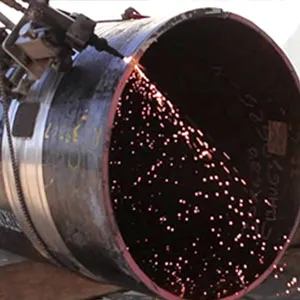
LSAW pipe is produced with a longitudinal submerged arc weld, so welding quality and inspection requirements should be clearly defined for applicable projects. Buyers should also confirm pipe-end requirements before production:
-
Plain or bevelled ends
-
Bevel configuration
-
End squareness
-
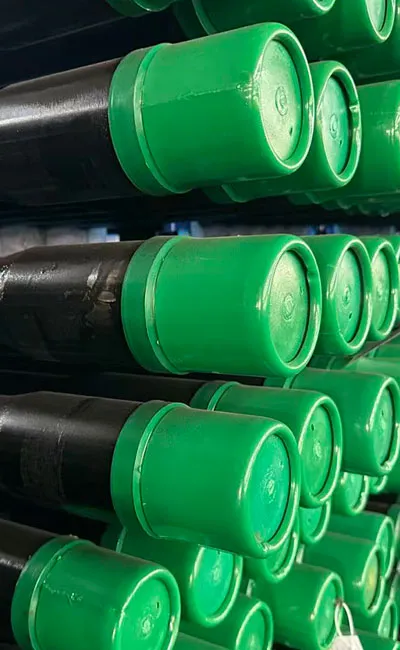
End protection
-
Field-welding requirements
Changing end preparation after manufacturing can add handling, machining and schedule costs. For projects involving field welding, the pipe-end specification should be aligned with the approved welding and construction requirements from the beginning.
6. Leaving Coating Until the Last Minute
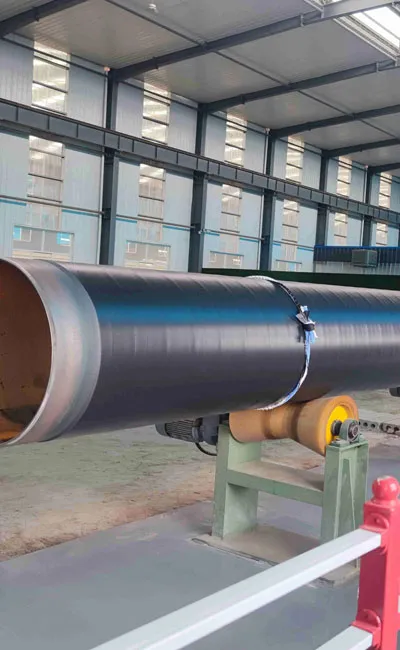
If the pipeline requires external corrosion protection, coating should be included in the procurement plan from the start. The RFQ should define, where applicable:
-
Coating system
-
Surface preparation
-
Coating thickness
-
Inspection requirements
-
Holiday testing
-
Repair procedure
-
Handling requirements
Coating can affect production sequencing, inspection, packing and transportation. Treating it as a separate issue after pipe production can create unnecessary schedule risk.
7. Comparing Ex-Works Price Instead of Total Landed Cost
The lowest factory quotation is not necessarily the lowest project cost. For international procurement, buyers should consider: Pipe + coating + inspection + inland transport + port handling + ocean freight + documentation + customs-related costs + delivery risk. A supplier with a slightly higher pipe price may provide better overall value if technical clarification, inspection coordination, documentation and logistics are managed more efficiently. For large projects, the right comparison is therefore total landed cost against the same technical scope.
8. Ignoring Supply Reliability and Project Schedule
Large LSAW orders are often project-driven. Delivery performance can therefore be just as important as the initial quotation. Before placing an order, buyers should understand:
-
Production capacity
-
Manufacturing schedule
-
Raw material availability
-
Inspection arrangements
-
Coating capacity, if applicable
-
Packing and loading plan
-
Export documentation
-
Shipping coordination
-
Expected delivery milestones
For distributors or maintenance contractors, regional stock can be useful for standard sizes with recurring demand. However, project-specific LSAW pipe should be evaluated primarily against the approved specification and production schedule rather than assuming that stock availability will solve every requirement.
What Should an International LSAW RFQ Include?
A professional RFQ should normally provide:
|
Item
|
Information to Specify
|
|
Standard
|
API 5L, GB/T 9711 or project standard
|
|
Grade / PSL
|
Project-required grade and PSL
|
|
Dimensions
|
OD and wall thickness
|
|
Quantity
|
Pieces, meters or metric tons
|
|
Length
|
Fixed or specified random length
|
|
Ends
|
Plain, bevelled or project-specific
|
|
Inspection
|
NDT, hydrotest, third-party inspection
|
|
Coating
|
System and inspection requirements
|
|
Documents
|
MTC and project documentation
|
|
Logistics
|
Destination, packing and delivery terms
|
|
Schedule
|
Required delivery date or milestones
|
For liquid pipeline projects, applicable codes such as ASME B31.4 also address design, construction, inspection, testing, operation and maintenance. The governing code and project specification should therefore be identified before the technical scope is finalized. Price Is Important—But It Should Not Come First. For international LSAW steel pipe procurement, the most useful question is not: “Who offers the lowest price?” It is: “Who can supply the specified pipe, meet the required inspection and documentation requirements, and deliver it on schedule at the lowest reliable total cost?” A complete RFQ creates a fair basis for supplier comparison. It also reduces the risk of specification changes, inspection delays, documentation gaps and unexpected logistics costs after the purchase order has been placed. For project buyers, the goal is not simply to purchase LSAW steel pipe at a low unit price. It is to secure the right specification, verified quality, complete documentation and reliable delivery as one coordinated supply package.










 English
 Español
 русский язык
 Português