5. Prepare a Complete Purchase Specification
A clear purchase inquiry helps suppliers quote against the same technical requirements. Depending on the project, it should identify:
-
Applicable standard, edition and supplementary requirements
-
Casing type and material grade
-
Outside diameter and specified wall thickness or unit weight
-
Connection type and end-finish requirements
-
Required length range and total quantity
-
Inspection scope, traceability and documentation requirements
-
Packing method, delivery destination and required schedule
-
Any additional project-specific service conditions
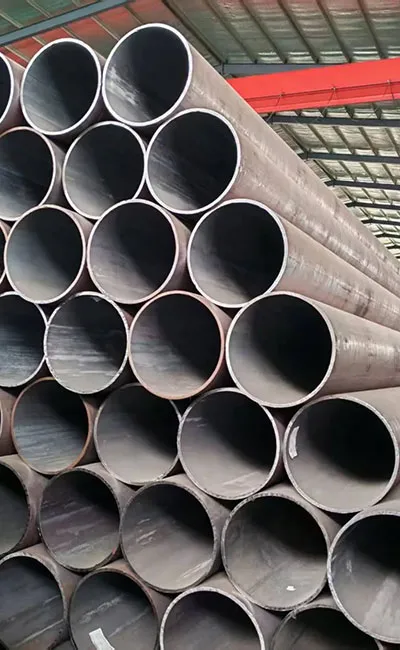
API Spec 5CT and ISO 11960 are examples of standards relevant to casing and tubing supply. Buyers should confirm which standard applies, check its current applicable edition and amendments, and identify any additional contractual requirements before ordering. The connection and inspection requirements must also be consistent with the purchase specification.
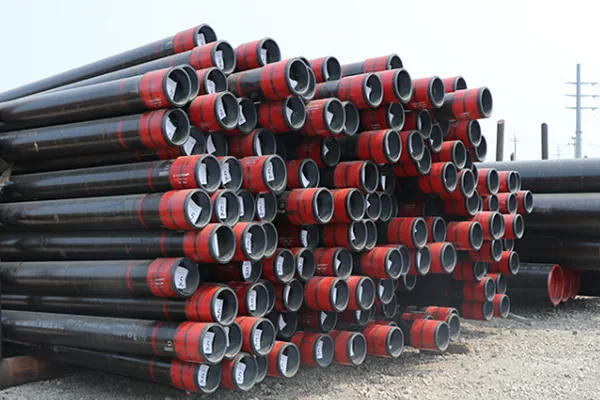
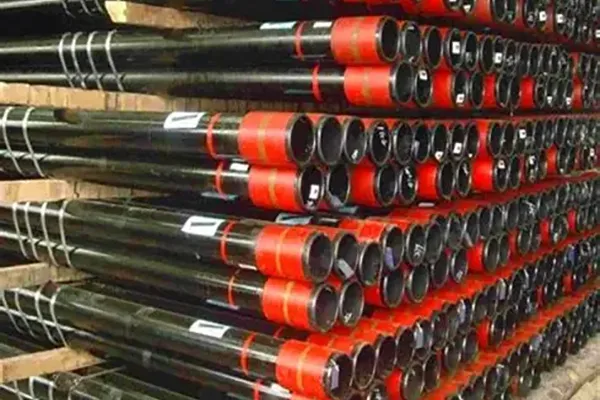
For international oil casing orders, the quoted unit price is only one part of the procurement decision. Sourcing or production lead time, inspection coordination, document review, packing, shipping and delivery arrangements can all affect the project schedule. Before order confirmation, buyers should establish how the specified products will be sourced, which inspections and records are required, and when the documentation package and shipment are expected to be ready. These details help align technical compliance with the project’s delivery plan. For recurring demand, regional or overseas stock may shorten replenishment time when the required products are already available. However, buyers should verify the actual grade, dimensions, connections, traceability records and delivery schedule rather than assume that a warehouse holds every required specification. Stock planning also depends on reliable demand forecasts and inventory controls. For project-based procurement, coordinating specification review, sourcing, inspection, documentation and export delivery can help reduce avoidable gaps between product requirements and site needs.
FAQ
Q1: What information is needed to buy oil casing?
A1: Provide the applicable specification, grade, dimensions, connection type, quantity, length range, inspection requirements and delivery destination. Any special service conditions should also be stated.
Q2: Should I choose the highest-strength casing grade?
A2: No. The selected grade must meet the well design and operating conditions. Higher strength alone does not guarantee suitability for every load case or corrosive environment.
Q3: Which documents should be checked before delivery?
A3: Depending on the order, relevant records may include material test reports, inspection records, product markings and traceability information. Confirm the required documentation against the applicable standard and purchase specification.
Q4: Can regional stock reduce delivery time?
A4: It can help when suitable, approved stock is genuinely available. Verify the exact specification, connection, required records and delivery schedule before relying on inventory.
Choosing oil casing starts with the well design and continues through grade selection, connection verification, environmental review and procurement planning. A complete specification and coordinated delivery process help buyers make informed purchasing decisions while keeping project requirements at the center of the order.








 English
 Español
 русский язык
 Português