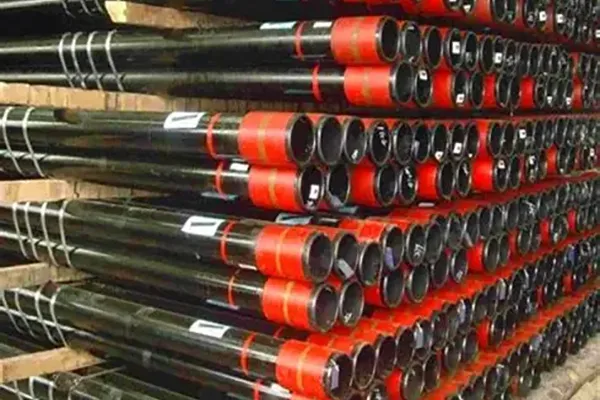
Quality control confirms whether the finished casing meets the applicable product specification and purchase requirements. Depending on the product, grade and inspection plan, checks may include:
-
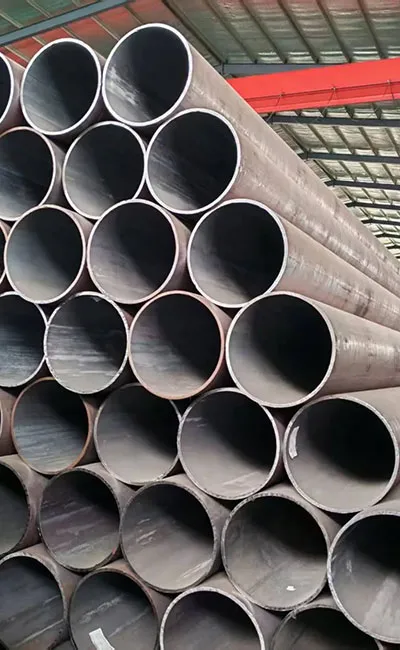
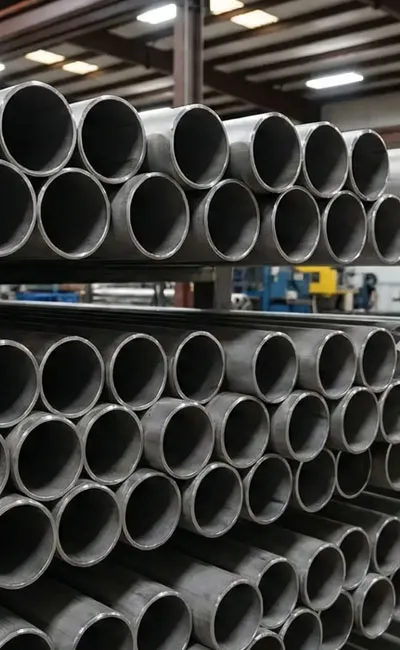
Dimensional inspection: Outside diameter, wall thickness, length and other specified dimensions.
-
Material verification: Chemical composition records, material identification and traceability.
-
Mechanical testing: Verification of specified strength and ductility properties.
-
Surface inspection: Examination for visible defects and unacceptable surface conditions.
-
Nondestructive examination: Required examination methods and acceptance criteria for the applicable product.
-
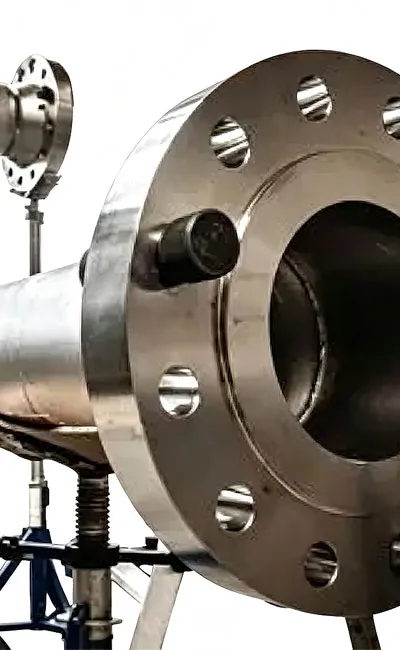
Thread and connection inspection: Verification of connection dimensions and gauge acceptance.
-
Documentation review: Material test reports, inspection records and required product markings.
Not every test applies identically to every casing product. The required inspection scope depends on the applicable standard and edition, product grade, purchase order and any agreed supplementary requirements. Before shipment, inspection records should be checked against the order, with traceability maintained between the supplied joints and the relevant documentation.
6. What Should Buyers Confirm Before Ordering Oil Casing?
A clear purchase specification helps align supply arrangements, inspection and delivery. Buyers should confirm:
-
Applicable product standard and specified edition
-
Steel grade, outside diameter and wall thickness
-
Required lengths, quantities and tolerances
-
Thread type and coupling requirements
-
Inspection, testing and acceptance criteria
-
Material certification and traceability requirements
-
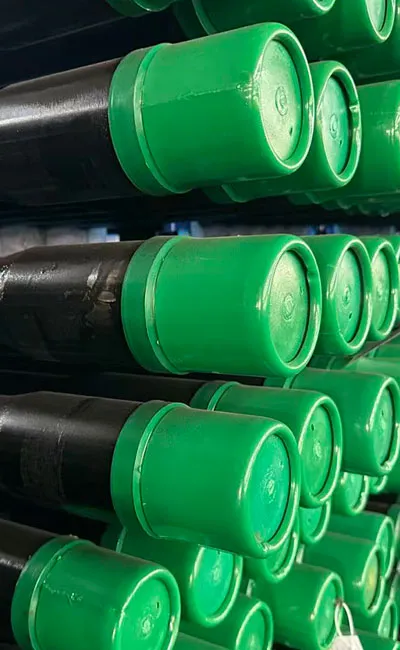
Packing, thread protection and delivery arrangements
For project orders involving multiple sizes or grades, consolidating these requirements before production can reduce discrepancies between the supplied product, inspection records and delivery documents.
Conclusion
Oil casing manufacturing involves coordinated material preparation, pipe forming, heat treatment where required, end finishing, connection inspection and final quality verification. The exact route and inspection scope depend on the specified product and applicable requirements. For oil and gas procurement teams, reviewing these details before ordering helps clarify supplier responsibilities and supports better control of product conformity, documentation and delivery.
FAQ
Q1: Is oil casing manufactured as seamless or welded pipe?
A1: Both manufacturing routes may be applicable to casing products, but acceptance depends on the specified grade, product requirements and applicable standard. The permitted route should be confirmed before ordering.
Q2: Why is heat treatment important for oil casing?
A2: Where required, heat treatment helps achieve the mechanical properties specified for the grade and product condition. Compliance is verified through the applicable testing and inspection requirements.
Q3: What should be inspected before oil casing is shipped?
A3: Depending on the order, checks may include dimensions, material identification, mechanical test results, surface condition, thread dimensions, specified nondestructive examination and documentation. The inspection plan should be agreed before production.
Q4: What is the difference between API Spec 5CT and API Spec 5B?
A4: API Spec 5CT covers casing and tubing product requirements, including applicable grades, dimensions and end finishes. API Spec 5B addresses relevant thread dimensions, gauging and inspection requirements. The applicable editions should be confirmed against the purchase contract.










 English
 Español
 русский язык
 Português