Company News

Hunan Great Steel Pipe Co., Ltd
hollow section supply for overseas construction projects,hollow section supplier,square hollow sections,rectangular hollow sections,hollow section export

Hollow Section Supply for Overseas Construction Projects

Date: 2026-10-13
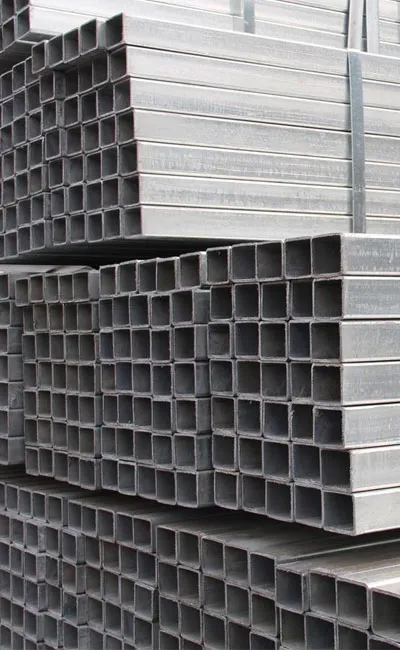
International hollow section orders involve more than supplying square or rectangular steel tubes. For overseas construction projects, buyers also need to consider specification compliance, supply coordination, inspection, export documentation, packing and delivery schedules. At Hunan Great Steel Pipe Co., Ltd., project-based supply starts with understanding the customer's requirements and coordinating the relevant supply and processing arrangements. The aim is to keep product specifications, quality requirements and shipment details aligned throughout the order.

1. Review Hollow Section Specifications Before Ordering

Clear specifications help prevent misunderstandings before production or processing begins. Each order should be reviewed against the project's technical and commercial requirements, including: 
  • Section type: square or rectangular hollow sections
  • Outside dimensions and wall thickness
  • Steel grade and applicable product standard
  • Required lengths and quantities
  • Dimensional tolerances and surface condition
  • Inspection and material documentation requirements
  • Packing, marking and delivery schedule
For projects involving multiple sizes or steel grades, a consolidated specification list can help buyers and suppliers identify differences before the order proceeds. Any special requirements, including cutting, surface treatment or additional inspection, should also be confirmed in advance. For further guidance, see our article on [how to choose hollow sections for international projects].

2. Coordinate Supply and Processing Requirements

Once the specifications are confirmed, the next step is to coordinate supply arrangements with the relevant production and processing partners. This is particularly important when an order includes several hollow section sizes, customized lengths or multiple delivery batches. The agreed requirements need to remain consistent across the applicable supply stages, from material selection to processing and final preparation for shipment. Delivery planning should reflect the quantities required, the agreed production schedule and the project's intended receiving date. If different sizes are needed at different stages of construction, the proposed delivery sequence should be discussed before dispatch arrangements are finalized. Early coordination gives the parties an opportunity to identify specification conflicts, processing requirements and potential scheduling issues before they affect the order.

3. Arrange Inspection Before Shipment

Inspection requirements should be established according to the purchase specification, applicable standard and agreed quality plan. Depending on the product and project, inspection may cover:
  • Outside dimensions, wall thickness and length
  • Surface condition and visible defects
  • Material identification and heat number traceability, where applicable
  • Review of material test certificates
  • Additional tests or inspections specified in the order
The scope of inspection varies by product and contract. Buyers should confirm whether third-party inspection, additional testing or specific acceptance criteria are required rather than assuming these are included in every order. Inspection records and material documents should be reviewed against the agreed requirements before shipment. For more detail, read our guide to [hollow section quality control].

4. Check Export Documentation Before Dispatch

Accurate documentation is an important part of international steel procurement. Depending on the contract and destination, the document package may include material test certificates, inspection reports, packing lists and shipping documents. The required documents should be confirmed early, particularly when the buyer, inspection agency, freight forwarder and receiving team have different responsibilities. Before dispatch, key details such as product descriptions, sizes, quantities, bundle markings and document references should be checked for consistency. Resolving discrepancies before shipment can help reduce customs clearance queries, receiving problems and unnecessary administrative delays.

5. Prepare Hollow Sections for Export Transportation

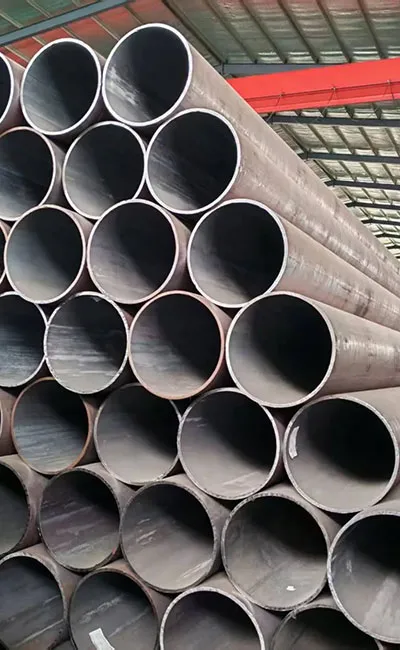
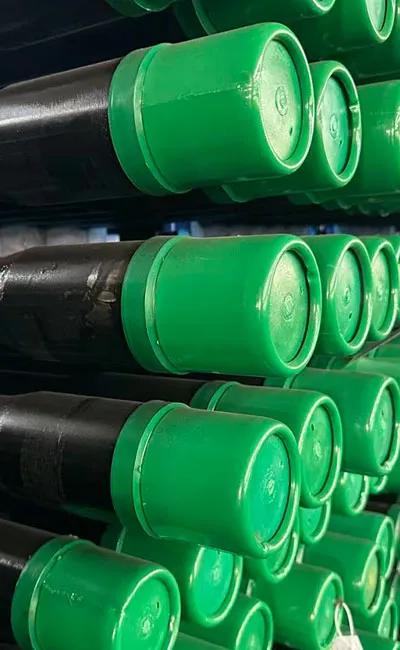
Packing requirements depend on the dimensions, weight, surface condition, handling method and transportation route. Square and rectangular hollow sections should be bundled and secured appropriately for loading, transit and unloading. Where an order contains different sizes or specifications, clear bundle identification and marking help the receiving team identify the materials more efficiently. Packing arrangements should also take account of any specified protection requirements, including measures for coated or otherwise treated surfaces. The final method should be agreed according to the product, transport conditions and purchase requirements.

6. Coordinate Delivery With the Construction Schedule

For overseas construction projects, delivery is closely connected to fabrication, installation and site material management. An order that arrives late or is difficult to identify can disrupt downstream activities even when the steel itself meets the specification. Hollow section supply therefore requires coordination between order readiness, inspection completion, document preparation, packing and shipment arrangements. Where several batches are involved, the delivery plan should be aligned with the buyer's receiving capacity and construction sequence. Hunan Great Steel Pipe works with customers to review these requirements and coordinate the relevant supply stages according to the agreed order scope.

From Hollow Section Supply to Project Support

Reliable project supply depends on more than product availability. Specification review, supply coordination, inspection arrangements, documentation and export preparation all contribute to a smoother procurement process. For contractors, fabricators, distributors and engineering companies sourcing hollow sections internationally, clarifying these requirements early can reduce avoidable communication gaps and make order execution easier to manage. If you are planning a construction project involving square or rectangular hollow sections, [request a hollow section project quotation] with your required dimensions, steel grade, standard, quantities, inspection requirements and delivery destination.

FAQ

Q1: Can hollow sections be supplied for overseas construction projects?
A1: Yes. Square and rectangular hollow sections can be supplied for overseas construction, fabrication and industrial projects, subject to the required specifications, quantities, supply arrangements and delivery schedule.
Q2: What documents may be required for hollow section export orders?
A2: Depending on the contract and destination, documents may include material test certificates, inspection records, packing lists and shipping documents. Any additional certification or inspection documentation should be agreed upon before shipment.
Q3: Can customized hollow section orders be arranged?
A3: Project-specific dimensions, wall thicknesses, steel grades, lengths and quantities can be reviewed against the applicable standards and available supply capability. Customized processing and special inspection requirements should be confirmed before the order proceeds.

Latest news list

  • FBE steel pipe field joint coating,FBE pipe welding protection,field joint coating,FBE coating repair,FBE field joint inspection
    FBE (fusion-bonded epoxy) coating provides external corrosion protection for steel pipes used in pipeline projects,However,during pipeline construction,the coating near pipe ends must be protected while individual pipe sections are joined by welding,The exposed joint area then requires a suitable field joint coating system,If this work is not properly controlled,damage or poor bonding at the joint can compromise the continuity of the pipeline's corrosion protection,Protecting the factory coating and applying the correct field joint system are therefore important parts of pipeline construction,
  • how to choose FBE coated steel pipe,FBE pipe selection,FBE coated pipeline requirements,FBE coated steel pipe size,FBE coated steel pipe purchase
    Selecting FBE coated steel pipes for a pipeline project involves more than specifying pipe diameter,wall thickness and coating thickness,Buyers must consider the base pipe,coating system,operating environment,installation conditions and inspection requirements as one coordinated package,A well-defined purchase specification helps prevent material mismatches,coating defects and documentation gaps before production begins,The following points provide a practical checklist for engineers,EPC contractors and procurement teams,
  • FBE coating and cathodic protection,FBE coated steel pipe,external pipeline corrosion control,cathodic protection monitoring,FBE coating disbondment
    Buried steel pipelines are exposed to moisture,soil chemicals and other environmental conditions that can cause external corrosion,To reduce this risk,pipeline projects commonly combine external fusion-bonded epoxy (FBE) coating with cathodic protection (CP),Although both methods help protect steel against corrosion,they work in different ways,FBE coating provides a physical barrier between the pipe surface and its surroundings,while cathodic protection uses an electrochemical process to reduce corrosion at exposed areas,Their effectiveness depends on proper design,installation,inspection and long-term monitoring,
  • FBE coated steel pipe quality control,FBE coating inspection,FBE coating thickness measurement,FBE pipe inspection,FBE coating quality control
    The quality of an FBE (Fusion Bonded Epoxy) coated steel pipe cannot be judged by its appearance alone,A smooth coating surface does not necessarily mean that the coating has achieved the required thickness,adhesion,or curing condition,For pipeline applications,quality control starts with the incoming bare steel pipe and continues through surface preparation,coating application,curing,and final inspection,Each stage should follow an approved procedure and the requirements specified for the project,A documented inspection process also allows buyers to verify that the supplied pipes meet the agreed technical requirements,
  • FBE coated steel pipes for buried pipelines,buried pipeline corrosion protection,FBE coated steel pipe installation
    FBE (Fusion Bonded Epoxy) coating is widely used to protect steel pipes against external corrosion in buried pipeline systems,It forms a protective barrier between the steel surface and the surrounding soil,However,coating performance depends on more than the quality of the factory-applied layer,Soil conditions,transportation,installation,field joint protection and cathodic protection all affect the long-term integrity of a buried pipeline,A reliable protection strategy should address these factors before the pipe is placed underground,

Find what you need ?

close
We use cookies and other tracking technologies to improve your browsing experience on our website, to show you personalized content and targeted ads, to analyze our website traffic, and to understand where our visitors are coming from.