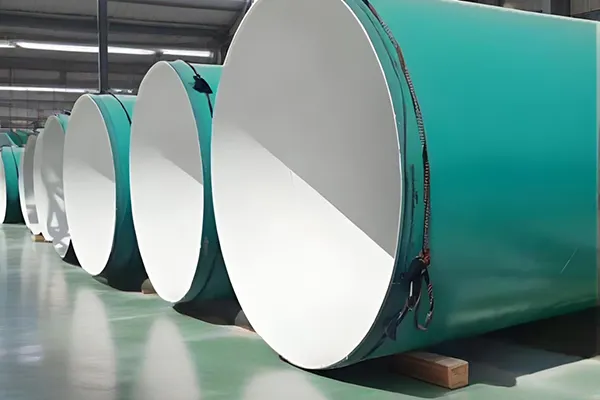
5. Protect the Coating Around Connection Work
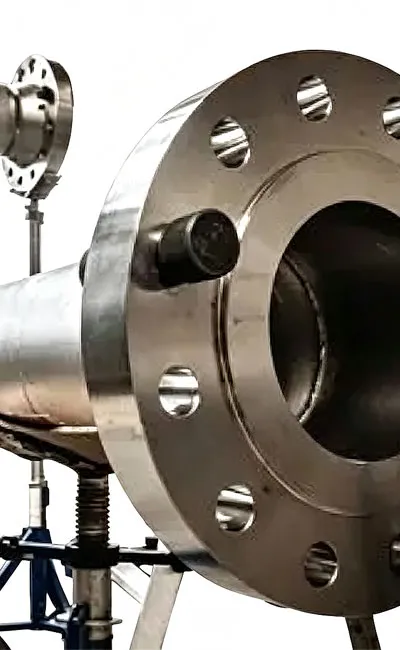
Cutting, welding, grinding and mechanical adjustment can damage the protective coating near connection areas. For welded connections, remove coating from the designated hot-work area before welding. After welding and the required inspection, clean and prepare the affected surface, then restore protection using an approved coating repair system. For mechanical and grooved connections, check the coating condition around the relevant contact and gasket areas. Some joint designs have specific coating-thickness or surface-condition limits. Repair materials must be compatible with the original coating and service environment. Applying an arbitrary paint over damaged epoxy does not necessarily restore the required protection.
After installation, carry out the specified pressure or leakage test in accordance with the approved project procedure and applicable code. The test medium, pressure, duration and acceptance criteria must be established by the approved test plan. They should not be selected using a generic rule. Test results should be documented. If a connection is repaired, it should be reinspected and retested where required before final acceptance. When leakage occurs, isolate the affected section safely and identify the cause before attempting repairs. Repeatedly tightening a leaking connection without investigating the problem may worsen gasket damage or introduce additional stress.
7. Monitor Connections During Service
Connection points should be included in the pipeline maintenance program. Depending on accessibility and service conditions, inspections may look for:
-
Moisture, leakage or visible corrosion
-
Gasket deterioration
-
Unusual pipe movement or vibration
-
Loose or visibly damaged fasteners
-
Signs of abnormal pressure or operating conditions
Recurring leakage should trigger an investigation rather than repeated temporary repairs. Possible causes include unsuitable sealing materials, alignment problems, vibration, pressure fluctuations and incorrect assembly.
FAQ
Q1. Why can an epoxy-coated steel pipe system leak at the joints?
A1: Common causes include incorrect gasket selection, damaged sealing surfaces, poor alignment and improper assembly. The epoxy coating itself does not provide the sealing function of a pipe connection.
Q2. Does epoxy coating prevent flange leakage?
A2: No. Epoxy coating protects specified steel surfaces against corrosion. Flange sealing depends on the gasket, flange condition, alignment and correct bolt assembly.
Q3. Can damaged coating near a joint be repaired?
A3: Yes, where permitted by the coating specification. The repair procedure and materials must be compatible with the original coating and service conditions.
Q4. Should flange bolts be tightened as much as possible?
A4: No. Bolt tightening must follow the specified sequence and approved torque or bolt-loading procedure. Excessive or uneven tightening can damage the gasket or flange.
Q5. What should be done when a connection repeatedly leaks?
A5: Investigate the underlying cause, including gasket compatibility, alignment, sealing-surface condition, assembly and operating conditions. Replace or repair components according to the approved procedure, then perform the required inspection and testing.










 English
 Español
 русский язык
 Português