Company News

Hunan Great Steel Pipe Co., Ltd
anti-corrosion steel pipe,alloy steel seamless pipes,oil pipe,drill pipe

How to Coordinate Structural Steel Profile Supply for Overseas Projects

Date: 2026-11-24
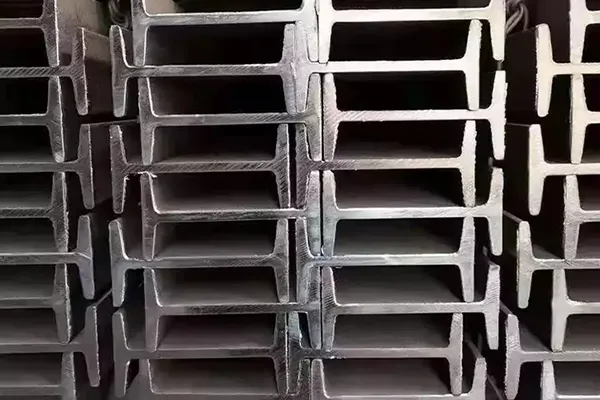
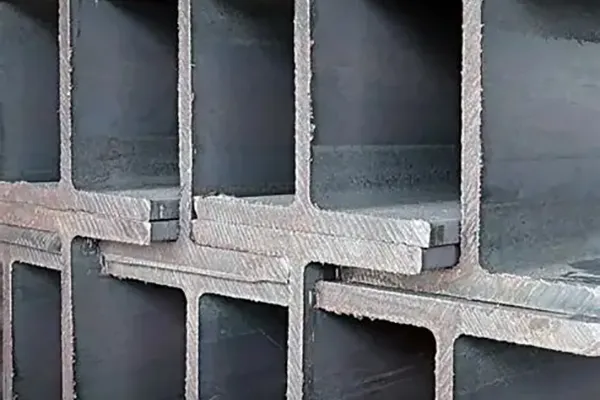
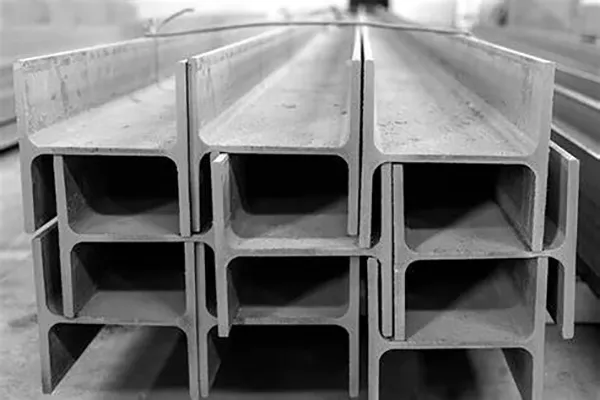
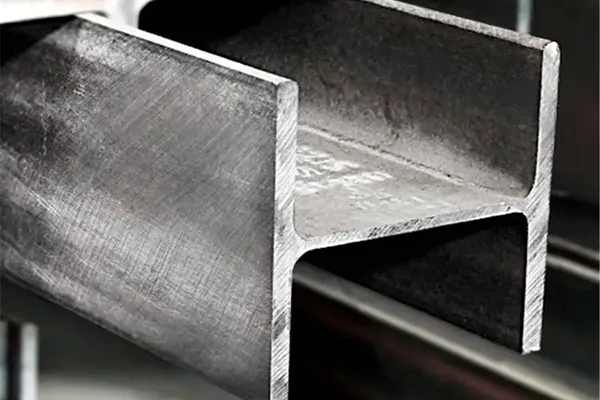
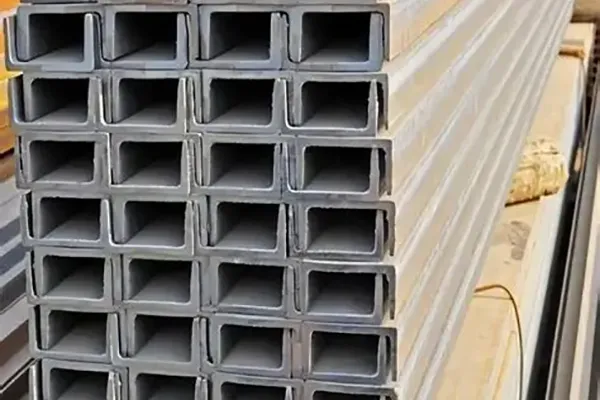
Overseas construction and infrastructure projects often require several types of structural steel profiles in one order. H beams and I beams may be specified for load-bearing frames, while U channels and angle steel are commonly used in supporting structures, bracing and fabricated assemblies. When these products are sourced together, procurement involves more than comparing prices and arranging shipment. Each profile must match the required section, steel grade, product standard and length. Material identification, inspection records and shipping documents must also remain consistent throughout the order. A well-coordinated structural steel profile supply process helps overseas buyers manage mixed specifications, control procurement risks and keep deliveries aligned with project requirements.

1. Review Project Specifications Before Quotation

Start by checking the material schedule, drawings and purchase specifications. For each structural profile, the inquiry should identify:
  • Profile type and section designation
  • Steel grade and applicable product standard
  • Required length and quantity
  • Dimensional tolerances and delivery condition
  • Surface treatment, if specified
  • Material certificate and inspection requirements
  • Marking, packing and destination requirements
H beams, I beams, channels and angles may use different section designations and dimensional references. The material schedule should distinguish each item clearly rather than grouping products under a general description such as structural steel. Any conflict between drawings and written specifications should be clarified before quotation or order confirmation. This helps avoid sourcing the wrong section or overlooking project-specific requirements.

2. Coordinate Suitable Supply Sources

Structural profiles may need to be sourced from different production facilities, particularly when an order includes multiple section types, steel grades or non-standard dimensions. Each proposed supply source should be assessed against the actual order requirements. Relevant considerations include section availability, material grade, production capability, documentation, dimensional conformity and the agreed inspection arrangements. For mixed-profile orders, coordination must extend across all sources. Product identification, inspection requirements and delivery schedules should be managed consistently, even when different items come from different facilities. A general product catalogue does not confirm that a source can meet a particular project order. Buyers should evaluate the proposed supply against the complete material schedule.

3. Confirm Production Follow-Up and Inspection Requirements

Before production or material allocation, the inspection scope and acceptance criteria should be agreed. Depending on the product standard and purchase specification, inspection may cover section dimensions, length, straightness, surface condition, material identification and relevant test documentation. Chemical composition and mechanical test records should be checked against the applicable requirements. An inspection and test plan, where required, should define inspection stages, responsibilities, sampling arrangements and acceptance criteria. Third-party inspection can also be arranged when specified in the contract. For orders containing different profile types, grades or production batches, inspection records should clearly identify the products they cover. This makes it easier to review the results and resolve discrepancies before dispatch.

4. Maintain Product Traceability and Documentation

Traceability becomes especially important when an order contains H beams, I beams, U channels and angle steel in multiple sizes or grades. Bundle labels and product markings should allow each item to be matched with its section designation, material information and relevant inspection records. Identification should remain clear during storage, packing and loading. Depending on the contract and destination, the export document package may include:
  • Material test certificates
  • Inspection reports
  • Packing list
  • Commercial invoice
  • Certificate of origin, where required
  • Bill of lading or other shipping documents
  • Project-specific documentation
Document requirements vary according to the purchase agreement, destination and trade terms. They should be confirmed early and checked against the actual shipment before dispatch.

5. Plan Packing and Shipment for Mixed Structural Profiles

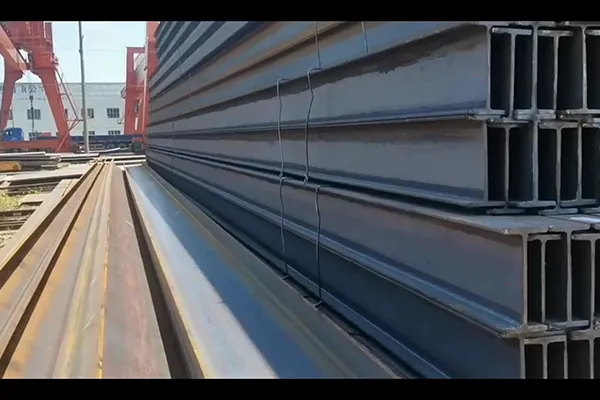
Structural steel profiles can be long, heavy and difficult to handle, particularly when several section types are shipped together. Packing and loading arrangements should account for profile dimensions, bundle weight, lifting points, cargo securing and destination handling conditions. Different sections should be identified clearly to support unloading and distribution at the receiving site. Before dispatch, confirm the bundle quantities, markings, loading sequence and securing arrangements. The shipping plan should also consider port handling, inland transportation, unloading facilities and any restrictions affecting long or heavy cargo. These details are important for reducing handling problems and helping the buyer receive the correct materials in usable condition.

6. Compare Direct Export with Overseas Warehouse Supply

Some buyers compare direct export with purchasing from an overseas warehouse. Neither option is automatically faster or more economical; the right choice depends on the actual stock and delivery requirements. For warehouse purchases, verify:
  • Physical stock location and availability
  • Section sizes, steel grades and quantities
  • Material certificates and inspection access
  • Stock ownership and release arrangements
  • Cutting, repacking and local delivery services
A stock list alone does not establish that the required material is available for immediate collection. For direct export, buyers should compare the complete supply scope, shipping arrangements, lead-time assumptions and total landed cost. A lower unit price does not necessarily mean a lower overall procurement cost.

7. Work with a Supplier That Coordinates the Full Order

For project procurement, coordination between specification review, sourcing, inspection, documentation and logistics helps keep different parts of an order aligned. At Hunan Great Steel Pipe Co., Ltd., structural steel profile orders are handled through coordinated sourcing, production follow-up, factory inspection, documentation preparation and export shipment arrangements. The supply scope is reviewed against the product specifications and purchase agreement. For buyers preparing an inquiry, providing a complete material schedule, drawings where applicable, inspection requirements and delivery information helps the supply team evaluate the order more accurately.

FAQ

Q1. Can H beams, I beams, U channels and angle steel be included in one export order?
A1: Yes. Different structural profiles can be coordinated in one order when the specifications, supply sources, quantities and logistics arrangements are suitable.

Q2. What information is needed for a structural steel profile quotation?
A2: Provide the profile types, section designations, steel grades, product standards, lengths, quantities, inspection requirements, packing details and destination.

Q3. What documents are normally required for structural steel profile exports?
A3: Typical documents include material test certificates, inspection reports, packing lists, commercial invoices and shipping documents. The exact package depends on the contract and destination.

Q4. Can third-party inspection be arranged before shipment?
A4: Yes, when it is included in the purchase agreement. The inspection scope, timing, responsibilities and acceptance criteria should be agreed in advance.

Q5. Is an overseas warehouse always faster than direct export?
A5: No. The actual advantage depends on verified stock availability, specification matching, warehouse location, handling arrangements and final delivery requirements.

Q6. What should buyers check when ordering structural steel profiles from multiple supply sources?
A6: Check the product standards, steel grades, section dimensions, material certificates, identification methods and inspection requirements for each source. Delivery schedules and documentation should also be coordinated across the complete order.

Latest news list

  • structural steel profile storage and handling,H beam storage,I beam handling,U channel storage,angle steel handling
    Structural steel profiles can be damaged long before they become part of a completed structure,Poor stacking,unsuitable lifting arrangements,rough unloading and prolonged exposure to moisture may cause bending,twisting,surface corrosion or loss of material identification,H beams,I beams,U channels and angle steel have different cross-sectional shapes and handling requirements,Their storage and transportation arrangements should take account of section dimensions,length,weight,surface condition and site conditions,Proper handling helps reduce material damage,avoid unnecessary rework and maintain traceability throughout a project,
  • H beam vs I beam vs U channel vs angle steel,structural steel profile comparison,steel structure uses
    H beams,I beams,U channels,and angle steel are widely used in buildings,industrial facilities,equipment supports,and infrastructure projects,Although all four are structural steel profiles,their cross-sectional shapes and structural behavior differ,Choosing between them is not simply a matter of size or price,Span,loading direction,support conditions,connection details,and the structural design all influence which section is suitable,Understanding these differences helps buyers prepare accurate specifications and avoid ordering the wrong profile,
  • structural steel inspection,structural steel profile deformation,H beam inspection,I beam deformation,steel channel damage
    Structural steel profiles such as H beams,I beams,U channels and angle steel are widely used in industrial buildings,equipment support frames,platforms and other load-bearing structures,During service,these members may be exposed to impact,vibration,changing loads,corrosion and accidental equipment contact,Over time,these conditions can affect their alignment,connections and structural condition,Not every visible change indicates structural failure,Normal deflection under load,for example,is different from permanent deformation,The purpose of inspection is to identify abnormal changes,document their location
  • How to choose structural steel profiles,H beam selection,I beam selection,U channel selection,angle steel applications
    Choosing structural steel profiles involves more than comparing section sizes and prices,The right profile must meet the structural design requirements,suit the fabrication process and comply with the applicable material and dimensional standards,H beams,I beams,U channels and angle steel each have different section characteristics and typical applications,For buyers,a reliable selection process starts with the project requirements and ends with a clear purchase specification,The following points can help reduce specification errors and make structural steel procurement more straightforward,
  • structural steel profile connection problems,H beam connections,steel channel connections,angle steel bracing,structural steel bolted joints,steel profile welding
    H beams,I beams,U channels,and angle steel are widely used in industrial buildings,platforms,equipment supports,and structural frames,Their performance depends not only on the strength of individual members but also on the accuracy and quality of their connections,Misaligned bolt holes,uneven bearing surfaces,excessive gaps,weld defects,and installation deviations can delay fabrication and erection,Many of these problems can be avoided through accurate drawings,dimensional checks,controlled fabrication,and inspection before assembly,

Find what you need ?

close
We use cookies and other tracking technologies to improve your browsing experience on our website, to show you personalized content and targeted ads, to analyze our website traffic, and to understand where our visitors are coming from.