Industry News

Hunan Great Steel Pipe Co., Ltd
structural steel profile storage and handling,H beam storage,I beam handling,U channel storage,angle steel handling

How to Store, Handle and Install Structural Steel Profiles

Date: 2026-11-23
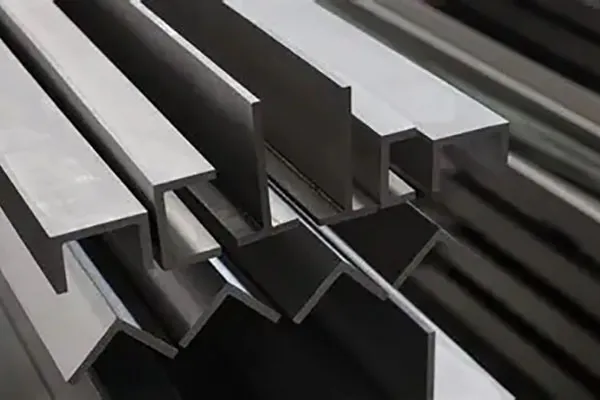
Structural steel profiles can be damaged long before they become part of a completed structure. Poor stacking, unsuitable lifting arrangements, rough unloading and prolonged exposure to moisture may cause bending, twisting, surface corrosion or loss of material identification. H beams, I beams, U channels and angle steel have different cross-sectional shapes and handling requirements. Their storage and transportation arrangements should take account of section dimensions, length, weight, surface condition and site conditions. Proper handling helps reduce material damage, avoid unnecessary rework and maintain traceability throughout a project.

1. Prepare a Suitable Storage Area

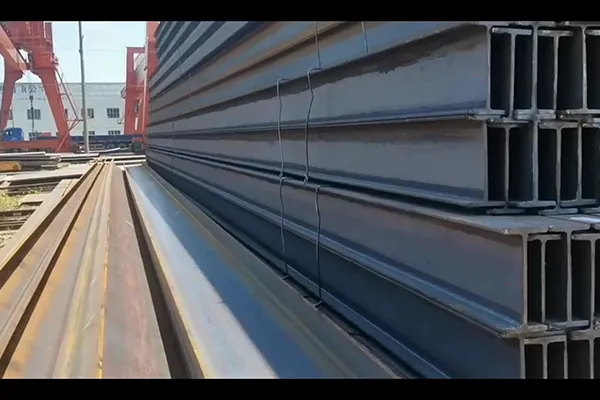
Choose a storage area with a level, stable and adequately load-bearing surface. Good drainage is important, particularly for outdoor storage, where standing water can accelerate corrosion. Where practical, keep profiles off the ground using suitable supports. The storage area should provide enough space for inspection and mechanical handling equipment. Keep access routes clear and avoid placing materials where they obstruct emergency exits or create hazards for site personnel. For long-term storage, consider weather exposure, ventilation and the protective treatment applied to the steel. Storage conditions should be reviewed if the original surface protection is damaged.

2. Stack Profiles to Prevent Deformation

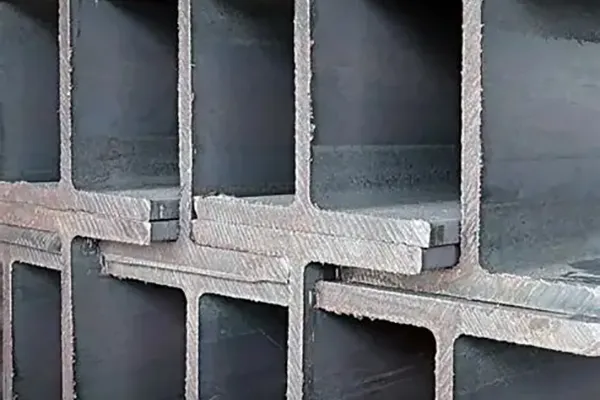
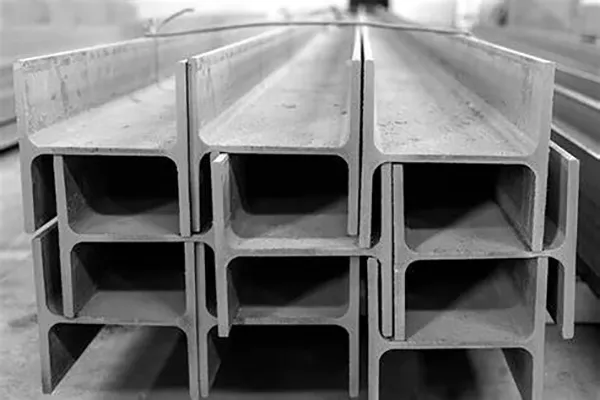
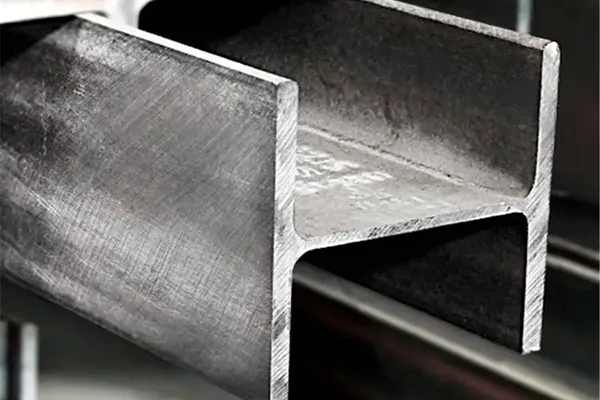
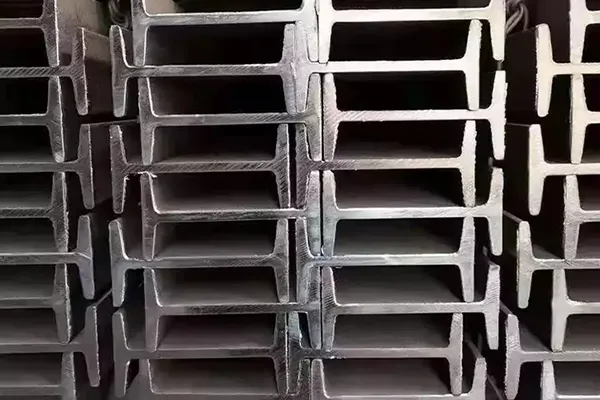
Structural steel profiles should be stacked on suitable supports to prevent sliding, tilting and excessive deflection. Support positions should be selected according to the profile length, weight and section geometry rather than using the same arrangement for every product. H beams and I beams need adequate support to avoid excessive bending under their own weight. U channels should be arranged to prevent unstable movement, while angle steel requires attention to rolling and sliding because of its asymmetric cross-section. Use aligned supports between layers where appropriate. Avoid concentrated loads that may deform flanges, webs or angle legs. Stacking height must be determined by the material characteristics, support conditions and site risk assessment. There is no universal safe stacking height for all structural steel profiles.

3. Protect Surface Condition and Material Identification

Moisture, impact and abrasion can affect the surface condition of structural steel during storage. Keep profiles away from standing water and avoid unnecessary contact with equipment or materials that may damage their protective coating. For galvanized profiles, prevent excessive friction and impact that could damage the zinc layer. For painted or primed steel, inspect the coating for scratches, peeling or exposed areas. Any required repair should follow the specified coating system. Keep product markings and bundle identification visible. Separate materials by profile designation, steel grade and length where practical. If profiles are cut into shorter sections, maintain identification through an approved marking and traceability procedure.

4. Use Suitable Lifting and Unloading Methods

Select lifting arrangements according to the profile length, weight, center of gravity and section geometry. Before unloading, confirm the lifting plan, equipment capacity, accessories and designated lifting points. Long or slender profiles may require suitable lifting arrangements, such as spreader beams or multiple lifting points, to control excessive deflection, rotation and swinging. Protect edges and finished surfaces where lifting accessories contact the material. Avoid dragging profiles across the ground or allowing them to strike other bundles. Personnel must remain clear of suspended loads and follow the site's approved lifting procedures. Lifting arrangements should be assessed and approved by competent personnel.

5. Inspect Profiles Before Installation

Before fabrication or erection, check the delivered material against the purchase order and project requirements. Inspection should cover:
  • Profile designation, steel grade and quantity
  • Member length and cross-sectional dimensions
  • Straightness and visible bending or twisting
  • Flange, web and angle-leg condition
  • Surface corrosion and coating damage
  • Product markings and material traceability
  • Required material certificates and inspection documents
If a profile is visibly distorted, damaged or unidentified, segregate it and record the condition. Arrange an appropriate quality or engineering assessment before fabrication. Do not assume that a damaged member can be repaired and reused without approval.

6. Prevent Damage During Fabrication and Erection

During fabrication, cutting, drilling and welding should follow approved drawings and procedures. Use suitable supports when processing or turning long profiles to prevent unintended deformation. Avoid uncontrolled impact or unauthorized modification of load-bearing sections. During erection, check member orientation, alignment, connection fit-up and temporary stability. Do not force members into position or modify structural components without engineering approval. For painted or galvanized profiles, inspect areas affected by handling, cutting or installation. Repair damaged protective coatings using the specified compatible system before the affected area is exposed to service conditions.

7. Review Conditions During Long-Term Storage

When structural steel profiles remain on site for an extended period, inspect the storage area regularly. Check for water accumulation, corrosion, coating damage, unstable stacking and missing identification. Protective covers should prevent direct weather exposure without trapping condensation against the steel. Maintain suitable separation and ventilation where necessary. A storage record can document material location, inspection findings, movement and repair actions.

FAQ

Q1. Should structural steel profiles be stored directly on the ground?
A1: Where practical, keep profiles off the ground on suitable supports. This reduces direct moisture contact, helps maintain surface condition and makes inspection easier.

Q2. How should H beams and I beams be stacked to prevent deformation?
A2: Use properly positioned supports and a stable stacking arrangement. Support spacing should account for member length, weight and section characteristics to avoid excessive bending.

Q3. How can angle steel be prevented from moving during storage?
A3: Arrange angle sections on stable supports and use suitable separators or restraints where required. The stacking arrangement should prevent rolling, sliding and unstable movement.

Q4. Can a bent structural steel profile be repaired and reused?
A4: Not automatically. The member should be inspected and assessed by qualified personnel. Any straightening or repair must follow an approved engineering procedure and satisfy the applicable project requirements before reuse.

Q5. Do galvanized profiles need special handling?
A5: Yes. Avoid dragging, excessive impact and abrasion that may damage the zinc coating. Inspect affected areas and carry out repairs according to the specified coating repair procedure.

Latest news list

  • H beam vs I beam vs U channel vs angle steel,structural steel profile comparison,steel structure uses
    H beams,I beams,U channels,and angle steel are widely used in buildings,industrial facilities,equipment supports,and infrastructure projects,Although all four are structural steel profiles,their cross-sectional shapes and structural behavior differ,Choosing between them is not simply a matter of size or price,Span,loading direction,support conditions,connection details,and the structural design all influence which section is suitable,Understanding these differences helps buyers prepare accurate specifications and avoid ordering the wrong profile,
  • structural steel inspection,structural steel profile deformation,H beam inspection,I beam deformation,steel channel damage
    Structural steel profiles such as H beams,I beams,U channels and angle steel are widely used in industrial buildings,equipment support frames,platforms and other load-bearing structures,During service,these members may be exposed to impact,vibration,changing loads,corrosion and accidental equipment contact,Over time,these conditions can affect their alignment,connections and structural condition,Not every visible change indicates structural failure,Normal deflection under load,for example,is different from permanent deformation,The purpose of inspection is to identify abnormal changes,document their location
  • How to choose structural steel profiles,H beam selection,I beam selection,U channel selection,angle steel applications
    Choosing structural steel profiles involves more than comparing section sizes and prices,The right profile must meet the structural design requirements,suit the fabrication process and comply with the applicable material and dimensional standards,H beams,I beams,U channels and angle steel each have different section characteristics and typical applications,For buyers,a reliable selection process starts with the project requirements and ends with a clear purchase specification,The following points can help reduce specification errors and make structural steel procurement more straightforward,
  • structural steel profile connection problems,H beam connections,steel channel connections,angle steel bracing,structural steel bolted joints,steel profile welding
    H beams,I beams,U channels,and angle steel are widely used in industrial buildings,platforms,equipment supports,and structural frames,Their performance depends not only on the strength of individual members but also on the accuracy and quality of their connections,Misaligned bolt holes,uneven bearing surfaces,excessive gaps,weld defects,and installation deviations can delay fabrication and erection,Many of these problems can be avoided through accurate drawings,dimensional checks,controlled fabrication,and inspection before assembly,
  • structural steel profile inspection,H beam inspection; I beam dimensional tolerance; U channel quality control; angle steel inspection
    Structural steel profiles are widely used in industrial buildings,bridges,equipment supports and other load-bearing structures,Before delivery,their dimensions,material properties and surface condition should be checked against the purchase order and applicable product standards,For H beams,I beams,U channels and angle steel,inspection should cover more than a visual check,The following points provide a practical guide for buyers,project engineers and quality teams preparing structural steel profiles for dispatch,

Find what you need ?

close
We use cookies and other tracking technologies to improve your browsing experience on our website, to show you personalized content and targeted ads, to analyze our website traffic, and to understand where our visitors are coming from.