Company News

Hunan Great Steel Pipe Co., Ltd
structural steel profile maintenance,H beam maintenance,I beam corrosion protection,steel channel inspection,angle steel maintenance

How to Extend the Service Life of Structural Steel Profiles in Industrial Environments

Date: 2026-11-24
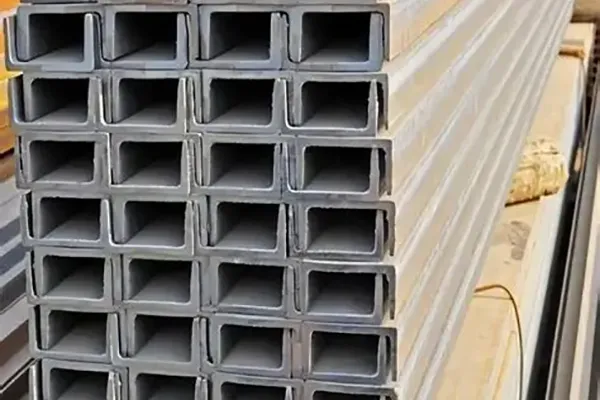
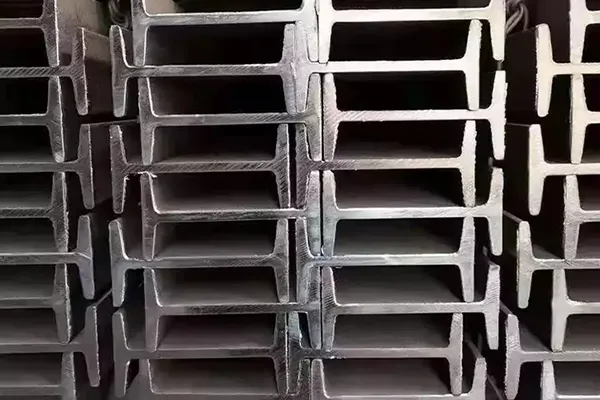
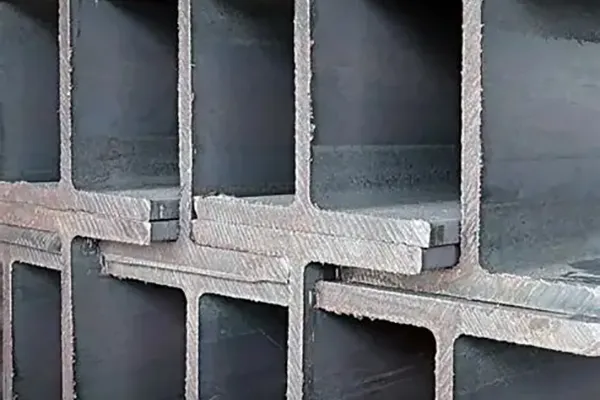
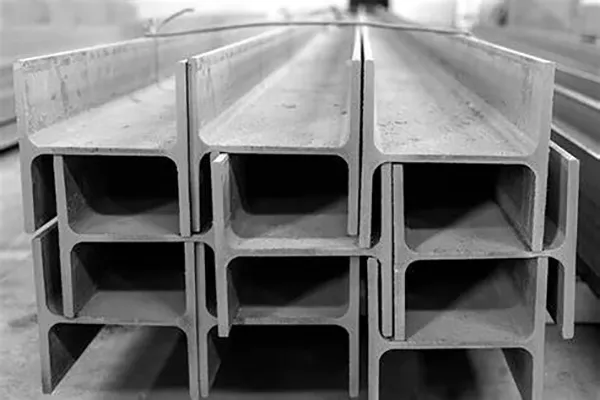
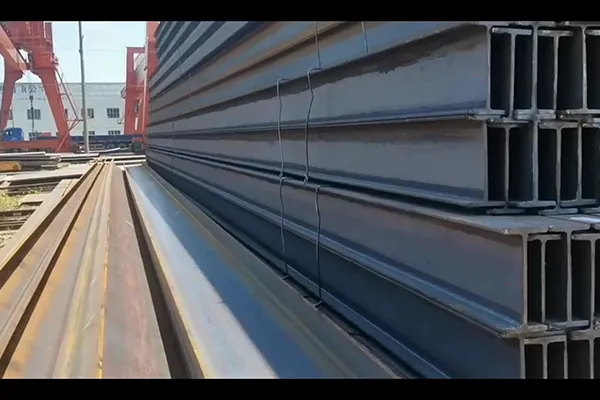
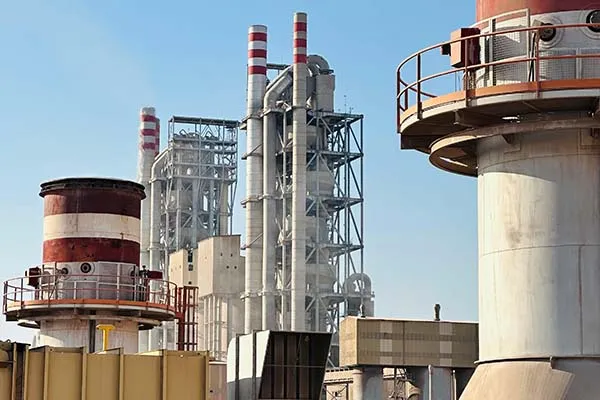
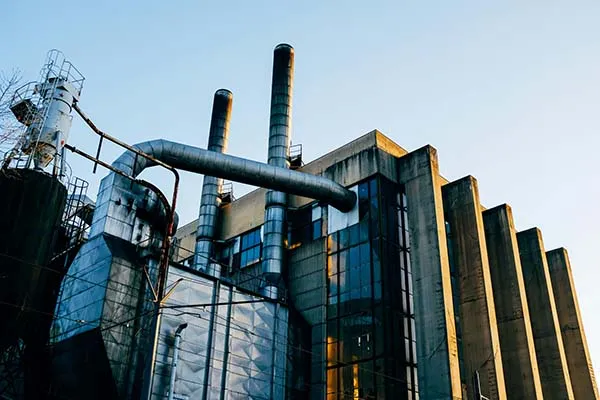
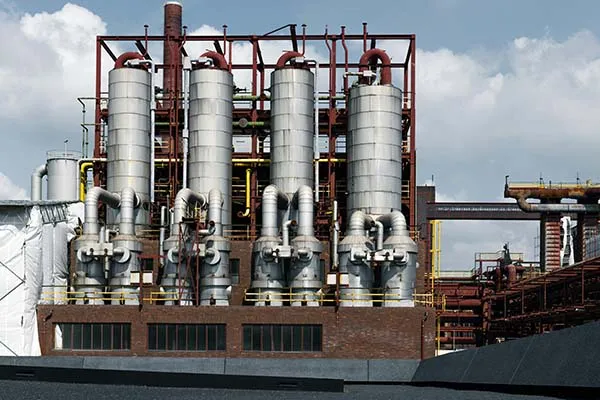
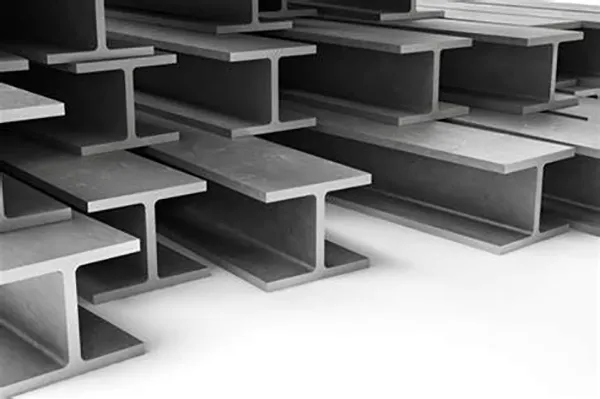
Structural steel profiles are widely used in industrial buildings, equipment platforms, pipe supports, access structures and production facilities. H beams, I beams, U channels and angle steel can remain in service for many years, but their actual service life depends on design conditions, loading, environmental exposure, fabrication quality and maintenance. In industrial environments, corrosion is not the only concern. Vibration, repeated loading, impact damage and unapproved structural modifications can also affect performance. A practical maintenance strategy should address these risks before they develop into more serious structural problems.

1. Control the Exposure Environment

Start by identifying the conditions surrounding the steel structure. Industrial steelwork may be exposed to moisture, condensation, salt, chemical vapors, process leaks, dust or elevated temperatures. These conditions can accelerate coating deterioration and localized corrosion. Pay particular attention to:
  • Chemical storage and processing areas
  • Cooling systems and water lines
  • Drainage points and wet floors
  • Outdoor platforms and access structures
  • Areas exposed to cleaning chemicals
  • Locations where dust or deposits accumulate
Where persistent moisture or chemical exposure is identified, address the source where practical. Removing visible rust without controlling the exposure condition may provide only temporary improvement.

2. Maintain the Protective Coating System

Protective coatings help isolate steel from its surrounding environment. Their performance depends on surface preparation, application quality, coating compatibility and operating conditions. During inspections, look for peeling, blistering, cracking, rust staining, impact damage and exposed steel. Give particular attention to welds, edges, bolted connections and areas where water can collect. For painted profiles, repair work should follow the original coating specification or an approved maintenance system. For hot-dip galvanized profiles, damaged areas require a compatible zinc-coating repair method. Surface preparation and repair materials should be selected according to the applicable coating specification and exposure conditions. Repainting without proper surface preparation or compatibility checks may result in premature coating failure.

3. Prevent Overloading and Unapproved Modifications

Structural steel members are designed for defined loads and support conditions. Additional equipment, pipework, storage loads or cable trays can change the loading on an existing structure. Corrosion-related section loss can reduce the effective cross-sectional area of a member and may affect its load-bearing capacity. The significance depends on the location and extent of material loss, as well as the member's structural role. Before adding loads or changing a support arrangement, review the approved drawings and obtain engineering approval where necessary. Avoid unapproved drilling, cutting, welding or removal of bracing, as these changes may affect load paths and introduce stress concentrations.

4. Monitor Vibration and Repeated Loading

Industrial structures often support pumps, motors, conveyors and other equipment that generate vibration or cyclic loading. Repeated stress can contribute to fatigue damage, particularly around welded details, bolted connections, holes and abrupt changes in section geometry. Watch for recurring bolt loosening, cracks near welds, abnormal movement, unusual noise and changes in equipment alignment. If these signs appear, investigate the source rather than treating the visible symptom alone. A qualified engineer may need to assess the loading conditions, connection details and fatigue risk. Simply tightening a bolt or repainting a cracked area does not necessarily resolve the underlying problem.

5. Inspect Drainage and Connection Details

Water retention is a common contributor to localized corrosion. U channels, horizontal surfaces, base plates and overlapping connection details may collect moisture or debris when drainage is inadequate. During routine maintenance:
  • Remove accumulated deposits where safe and appropriate.
  • Check whether drainage paths remain clear.
  • Inspect coatings around welds, bolts and connection edges.
  • Look for corrosion near base plates and areas exposed to standing water.
Do not drill drainage openings or modify load-bearing members without engineering approval. Any change to a structural component should be reviewed against the original design.

6. Establish a Condition-Based Maintenance Routine

A useful maintenance program records the condition of important structural members over time. Inspection records should identify:
  • Member reference and location
  • Visible corrosion and coating defects
  • Changes in alignment or deformation
  • Connection and weld condition
  • Evidence of vibration or impact
  • Repair history and follow-up actions
Depending on the observed condition and structural importance, inspections may include dimensional checks, coating assessment, thickness measurement or weld examination. Compare current findings with previous records to identify whether corrosion, deformation or coating deterioration is progressing. Inspection intervals should reflect the exposure environment, structural importance, operating loads and previous findings rather than relying on one fixed schedule for every facility.

7. Know When Engineering Assessment Is Needed

Some coating defects can be addressed through routine maintenance. Other conditions require a structural assessment. Seek engineering review when there is cracking, significant deformation, suspected overload, substantial section loss, damaged primary connections or unexplained movement. Any decision to reinforce, repair or replace a primary structural member should be based on an assessment of the remaining section, loading conditions and connection integrity. Visual appearance alone cannot confirm that a damaged member remains structurally adequate.

FAQ

Q1. What is the most common cause of structural steel deterioration in industrial environments?
A1: Corrosion is a frequent concern, especially where moisture or chemicals are present. Vibration, fatigue, impact and unapproved loading changes can also affect structural condition.

Q2. Does repainting extend the service life of steel profiles?
A2: It can help when coating deterioration is the main issue and the underlying steel remains sound. Repainting cannot restore lost steel thickness or repair structural cracks.

Q3. Which areas of structural steel profiles should be inspected most carefully?
A3: Connections, welds, base plates, drainage points, coating edges and areas exposed to moisture or repeated vibration deserve particular attention.

Q4. Can additional equipment be installed on an existing H beam?
A4: Only after confirming that the beam and its supporting structure can safely carry the additional loads. Engineering review may be required before installation.

Q5. When should a structural steel member be replaced?
A5: Replacement may be necessary when damage or section loss cannot be acceptably repaired. The decision should be based on an engineering assessment of the member's remaining capacity and condition.

Latest news list

  • anti-corrosion steel pipe,alloy steel seamless pipes,oil pipe,drill pipe
    Overseas construction and infrastructure projects often require several types of structural steel profiles in one order,H beams and I beams may be specified for load-bearing frames,while U channels and angle steel are commonly used in supporting structures,bracing and fabricated assemblies,When these products are sourced together,procurement involves more than comparing prices and arranging shipment,Each profile must match the required section,steel grade,product standard and length,Material identification,inspection records and shipping documents must also remain consistent throughout the order,A well-coordinated structural steel profile supply process helps overseas buyers manage mixed specifications,control procurement risks and keep deliveries aligned with project requirements,
  • structural steel profile storage and handling,H beam storage,I beam handling,U channel storage,angle steel handling
    Structural steel profiles can be damaged long before they become part of a completed structure,Poor stacking,unsuitable lifting arrangements,rough unloading and prolonged exposure to moisture may cause bending,twisting,surface corrosion or loss of material identification,H beams,I beams,U channels and angle steel have different cross-sectional shapes and handling requirements,Their storage and transportation arrangements should take account of section dimensions,length,weight,surface condition and site conditions,Proper handling helps reduce material damage,avoid unnecessary rework and maintain traceability throughout a project,
  • H beam vs I beam vs U channel vs angle steel,structural steel profile comparison,steel structure uses
    H beams,I beams,U channels,and angle steel are widely used in buildings,industrial facilities,equipment supports,and infrastructure projects,Although all four are structural steel profiles,their cross-sectional shapes and structural behavior differ,Choosing between them is not simply a matter of size or price,Span,loading direction,support conditions,connection details,and the structural design all influence which section is suitable,Understanding these differences helps buyers prepare accurate specifications and avoid ordering the wrong profile,
  • structural steel inspection,structural steel profile deformation,H beam inspection,I beam deformation,steel channel damage
    Structural steel profiles such as H beams,I beams,U channels and angle steel are widely used in industrial buildings,equipment support frames,platforms and other load-bearing structures,During service,these members may be exposed to impact,vibration,changing loads,corrosion and accidental equipment contact,Over time,these conditions can affect their alignment,connections and structural condition,Not every visible change indicates structural failure,Normal deflection under load,for example,is different from permanent deformation,The purpose of inspection is to identify abnormal changes,document their location
  • How to choose structural steel profiles,H beam selection,I beam selection,U channel selection,angle steel applications
    Choosing structural steel profiles involves more than comparing section sizes and prices,The right profile must meet the structural design requirements,suit the fabrication process and comply with the applicable material and dimensional standards,H beams,I beams,U channels and angle steel each have different section characteristics and typical applications,For buyers,a reliable selection process starts with the project requirements and ends with a clear purchase specification,The following points can help reduce specification errors and make structural steel procurement more straightforward,

Find what you need ?

close
We use cookies and other tracking technologies to improve your browsing experience on our website, to show you personalized content and targeted ads, to analyze our website traffic, and to understand where our visitors are coming from.