Industry News

Hunan Great Steel Pipe Co., Ltd
prevent corrosion in epoxy-coated steel pipe,epoxy-coated pipe corrosion protection,steel pipe coating damage,pipeline corrosion prevention

How to Prevent Corrosion in Epoxy-Coated Steel Pipe Systems

Date: 2026-11-25

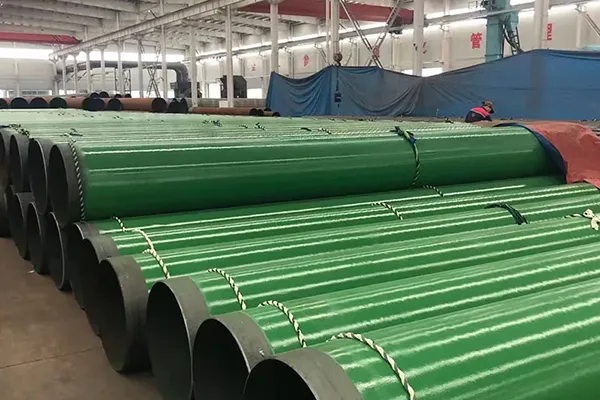
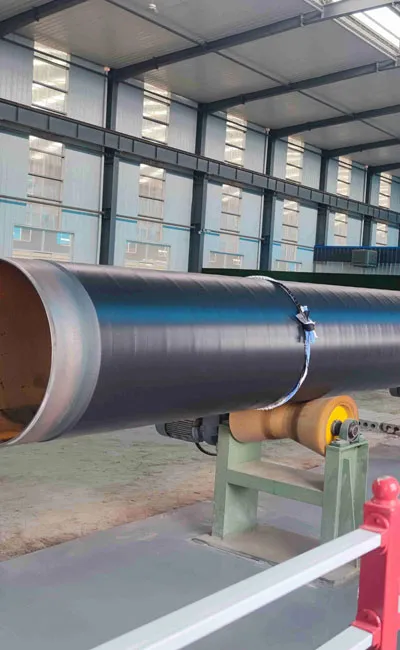
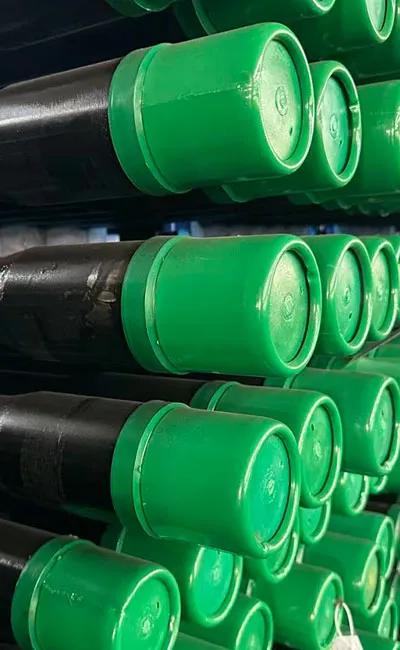
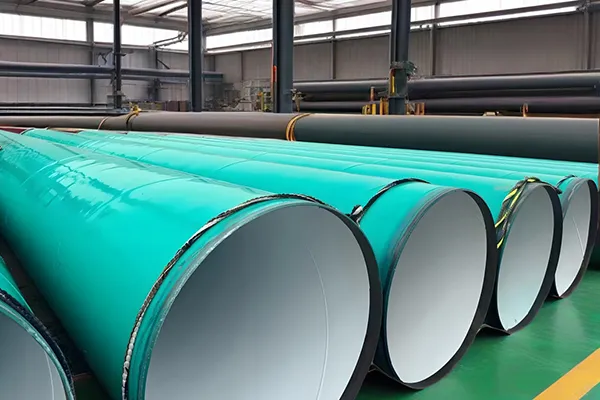
Epoxy-coated steel pipes are used in water transmission, industrial fluid systems and other applications where the steel surface needs protection from corrosion. The coating acts as a barrier between the steel substrate and its surrounding environment, but it does not make the steel pipeline immune to corrosion. amage during transportation, poor field-joint protection, unsuitable operating conditions and delayed repairs can expose the steel to corrosive substances. Preventing corrosion therefore requires attention throughout transportation, installation and operation.


1. Understand Where Corrosion Risks Begin

Corrosion risks are not limited to straight steel pipe sections. Areas that deserve particular attention include:
  • Cut ends and field joints
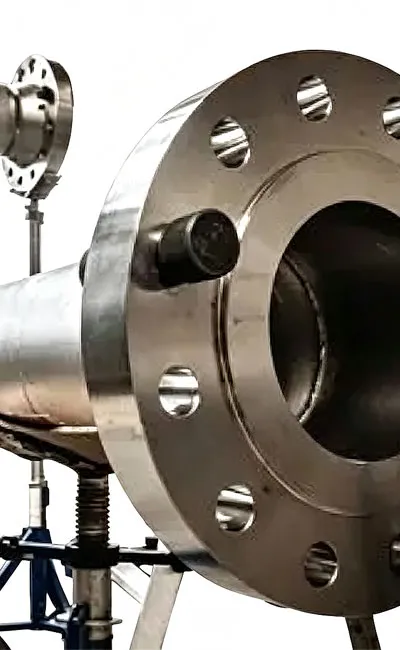
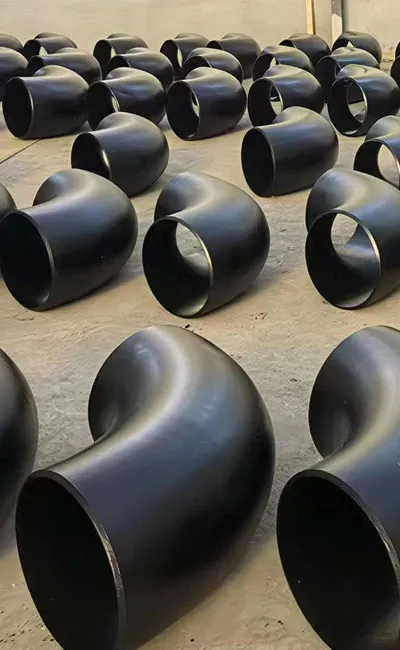
  • Flanges, fittings and mechanical connections
  • Scratches or impact damage from handling
  • Steel pipe supports and contact points
  • Locations where water or chemicals accumulate
  • Areas affected by abrasion or repeated movement
A steel pipe body may have an intact factory-applied coating while its joints, cut ends or site-modified areas remain insufficiently protected. These locations should be included in installation checks and maintenance inspections.


2. Match the Coating to the Service Environment

The coating system must be suitable for the actual operating conditions. Internal and external coatings face different exposure conditions. Internal coating selection should consider fluid composition, pH, temperature, flow velocity, abrasion and cleaning chemicals. External coating selection should account for soil conditions, moisture, immersion, chemical exposure and possible mechanical damage. A coating suitable for one fluid or environment is not automatically suitable for another. Buyers and operators should review the coating manufacturer's technical data and project specification before selecting a system. If the transported medium, operating temperature or cleaning procedure changes after commissioning, coating suitability should be reassessed.


3. Protect Coating Integrity During Transportation and Installation

Coating damage can occur during lifting, loading, unloading, sea transportation, storage and site installation. Steel pipes should be handled using lifting arrangements suitable for their dimensions, weight and coating condition. They should not be dragged across the ground or placed directly against sharp objects. During storage and transportation, suitable supports and separation materials help reduce abrasion, impact and excessive contact pressure. Stacking arrangements should also follow the approved handling procedure. Before installation or lowering into a trench, inspect the coating for scratches, peeling, dents and other visible damage. Any defect that could compromise corrosion protection should be repaired using an approved coating repair procedure.


4. Protect Field Joints and Exposed Steel

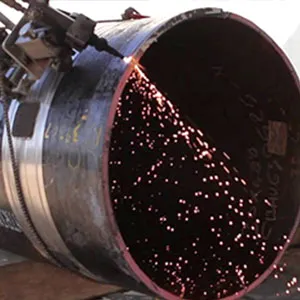
Cut ends, field welds and connection areas may require separate coating or joint protection systems. Where field welding or cutting is necessary, the coating should be removed from the designated work area before hot work. After welding and the required weld inspection, the affected area should be cleaned, prepared and protected using an approved joint coating or repair system. The repair material must be compatible with the original coating and suitable for the service environment. The repaired area should be inspected according to the specified procedure before the steel pipeline enters service. Simply covering exposed steel with ordinary paint does not necessarily restore the original coating protection.

5. Establish a Practical Inspection Routine

Inspection frequency should reflect the operating environment, pipeline importance, project requirements and the owner's maintenance plan. There is no single inspection interval suitable for every epoxy-coated pipeline. A practical inspection program may include:
  • Checking accessible surfaces for scratches, blistering, peeling or exposed steel
  • Examining field joints, supports and connections
  • Looking for leakage and moisture accumulation
  • Reviewing abnormal operating conditions
  • Recording defects, repairs and recurring problem areas
For buried or inaccessible pipelines, visual inspection alone is insufficient. Operators should use suitable monitoring and assessment methods defined by the pipeline design, maintenance program and applicable regulations.


6. Repair Coating Damage Before Corrosion Progresses

When coating damage is identified, determine its location, size and likely cause. Check whether the steel substrate has already corroded. The affected area should be prepared and repaired according to the approved procedure, including the specified surface preparation, repair material, application conditions and inspection requirements. Where measurable wall loss is suspected, the remaining pipe wall thickness and structural condition should be assessed using suitable inspection methods. Recoating a corroded area without evaluating the remaining steel may conceal a more serious problem. Significant damage should be reviewed by qualified personnel before deciding on repair or replacement.


7. Consider Cathodic Protection for Buried and Submerged Pipelines

For buried or submerged steel pipelines, external epoxy coating may be used together with cathodic protection when required by the pipeline design and applicable standards. The coating provides the primary barrier against the surrounding environment, while cathodic protection offers additional corrosion control at exposed steel areas, including coating defects. The two systems must be compatible and designed, monitored and maintained according to project requirements. Cathodic protection is not automatically required for every epoxy-coated steel pipe system.


8. Make Corrosion Prevention Part of System Management

The performance of an epoxy-coated steel pipeline depends on more than the original coating application. Coating selection, handling, installation, joint protection, operating conditions and timely maintenance all contribute to long-term corrosion control. At the procurement stage, buyers should define the base pipe requirements, coating type, internal and external coating scope, inspection criteria and documentation. During operation, maintenance teams should record coating defects and repairs rather than waiting for leakage or visible corrosion. At HNSSD, project supply coordination can include specification review, coated steel pipe sourcing, coating production follow-up, factory inspection arrangements, documentation preparation and export delivery coordination according to project requirements.


FAQ

Q1. Can epoxy-coated steel pipes still corrode?
A1: Yes. Coating damage, exposed steel, unsuitable service conditions and defective repairs can create corrosion risks. Epoxy coating reduces exposure but does not eliminate corrosion under every condition.
Q2. Are pipe joints more vulnerable to corrosion?
A2: They can be. Field joints, cut ends and connection areas may require separate coating protection and inspection because the original factory coating may not cover these locations.
Q3. Can damaged epoxy coating be repaired on site?
A3: In many cases, yes. The repair material, surface preparation and application procedure must be compatible with the original coating and approved for the service conditions.
Q4. Does epoxy coating eliminate the need for cathodic protection?
A4: Not necessarily. Some buried or submerged pipeline systems require both external coating and cathodic protection. The need for cathodic protection depends on the pipeline design and applicable requirements.
Q5. What should operators do if corrosion is found?
A5: They should assess the affected area and remaining steel thickness, then follow an approved repair or replacement procedure. Significant wall loss or structural damage should be evaluated by qualified personnel.

  • Prev : How Is Epoxy-Coated Steel Pipe Manufactured
  • Next : No matching information found
  • Tags : prevent corrosion in epoxy-coated steel pipe , epoxy-coated pipe corrosion protection , steel pipe coating damage , pipeline corrosion prevention

Latest news list

  • epoxy-coated steel pipe manufacturing process,epoxy-coated pipe production,steel pipe surface preparation,fusion-bonded epoxy coating
    Epoxy-coated steel pipe combines the mechanical properties of a steel pipe with a protective coating designed to resist corrosion and protect the pipe surface,It is used in water transmission,industrial fluid systems,fire protection networks,and other applications where corrosion protection is required,The manufacturing process involves more than applying epoxy to a steel surface,The final coating quality depends on the base pipe,surface preparation,coating material,application conditions,curing,and inspection,Each stage must follow the requirements of the selected coating system and project specification,
  • structural steel profile maintenance,H beam maintenance,I beam corrosion protection,steel channel inspection,angle steel maintenance
    Structural steel profiles are widely used in industrial buildings,equipment platforms,pipe supports,access structures and production facilities,H beams,I beams,U channels and angle steel can remain in service for many years,but their actual service life depends on design conditions,loading,environmental exposure,fabrication quality and maintenance,In industrial environments,corrosion is not the only concern,Vibration,repeated loading,impact damage and unapproved structural modifications can also affect performance,A practical maintenance strategy should address these risks before they develop into more serious structural problems,
  • anti-corrosion steel pipe,alloy steel seamless pipes,oil pipe,drill pipe
    Overseas construction and infrastructure projects often require several types of structural steel profiles in one order,H beams and I beams may be specified for load-bearing frames,while U channels and angle steel are commonly used in supporting structures,bracing and fabricated assemblies,When these products are sourced together,procurement involves more than comparing prices and arranging shipment,Each profile must match the required section,steel grade,product standard and length,Material identification,inspection records and shipping documents must also remain consistent throughout the order,A well-coordinated structural steel profile supply process helps overseas buyers manage mixed specifications,control procurement risks and keep deliveries aligned with project requirements,
  • structural steel profile storage and handling,H beam storage,I beam handling,U channel storage,angle steel handling
    Structural steel profiles can be damaged long before they become part of a completed structure,Poor stacking,unsuitable lifting arrangements,rough unloading and prolonged exposure to moisture may cause bending,twisting,surface corrosion or loss of material identification,H beams,I beams,U channels and angle steel have different cross-sectional shapes and handling requirements,Their storage and transportation arrangements should take account of section dimensions,length,weight,surface condition and site conditions,Proper handling helps reduce material damage,avoid unnecessary rework and maintain traceability throughout a project,
  • H beam vs I beam vs U channel vs angle steel,structural steel profile comparison,steel structure uses
    H beams,I beams,U channels,and angle steel are widely used in buildings,industrial facilities,equipment supports,and infrastructure projects,Although all four are structural steel profiles,their cross-sectional shapes and structural behavior differ,Choosing between them is not simply a matter of size or price,Span,loading direction,support conditions,connection details,and the structural design all influence which section is suitable,Understanding these differences helps buyers prepare accurate specifications and avoid ordering the wrong profile,

Find what you need ?

close
We use cookies and other tracking technologies to improve your browsing experience on our website, to show you personalized content and targeted ads, to analyze our website traffic, and to understand where our visitors are coming from.