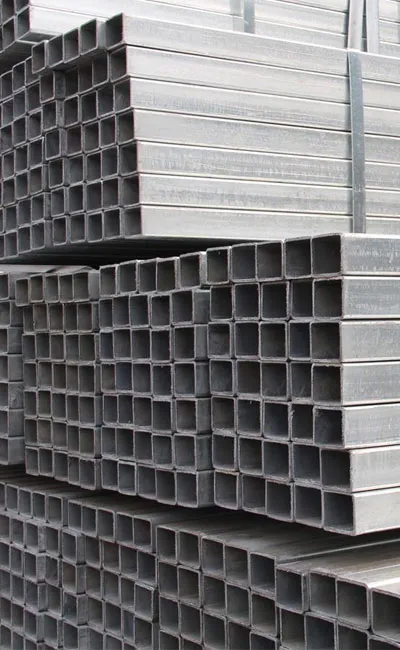
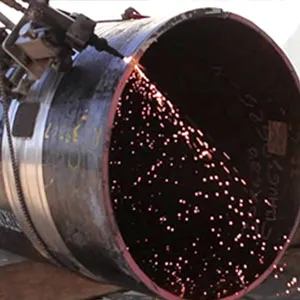
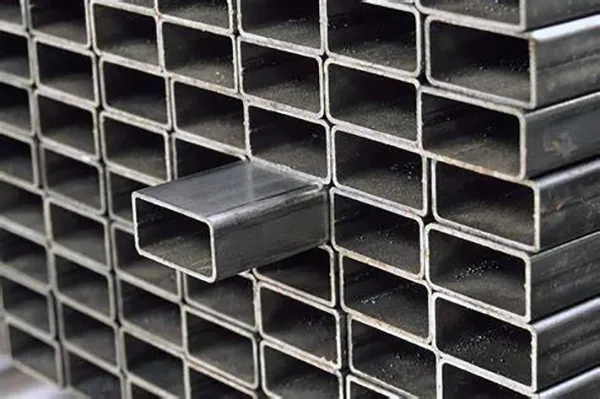
Dimensional accuracy matters when hollow sections are cut, welded, drilled, or assembled into fabricated structures. Differences in outside dimensions, wall thickness, straightness, or length can affect fit-up and fabrication work. Before placing an order, confirm:
-
Outside dimension and wall-thickness tolerances
-
Length and straightness requirements
-
Surface condition and acceptable defects
-
Weld and corner requirements where relevant
-
Coating or corrosion-protection requirements
-
Inspection records and material certificates
For projects with strict fit-up requirements, specify acceptance criteria before production or procurement begins. This helps align the supplier's inspection process with the buyer's expectations.
6. Evaluate the Complete International Supply Arrangement
For overseas projects, the quoted steel price is only one part of the procurement decision. Lead time, inspection arrangements, packing, documentation, shipment method, and delivery schedule can affect the overall project cost and execution plan. Before confirming an order, buyers should review the purchase specification, agree on inspection requirements, confirm marking and export packing, and establish which material certificates and shipping documents are required. For recurring demand, regional stock may help shorten replenishment time if the required sizes are available. For large project orders, direct sourcing and coordinated inspection may be more suitable. The best approach depends on volume, delivery urgency, available stock, and project requirements.
7. Follow a Clear Procurement Process
A reliable purchasing process connects the technical specification with the actual delivered product:
Requirement Review → Specification Confirmation → Supplier Review → Inspection Coordination → Documentation Review → Delivery. Each stage should be checked against the purchase order. This is especially important for projects involving multiple section sizes, steel grades, or delivery batches.
FAQ
Q1: How do I choose between square and rectangular hollow sections?
A1: Base the decision on the structural design, loading direction, available space, connection details, and fabrication requirements. The final choice should meet the engineer's calculations and project specification.
Q2: Should I always buy the thickest wall available?
A2: No. Wall thickness should match the design and project requirements. Unnecessary thickness can increase weight and cost without solving every structural concern.
Q3: What information should I provide when requesting a quotation?
A3: Provide the section dimensions, wall thickness, steel grade, applicable standard, required lengths, quantity, surface treatment, inspection requirements, and delivery destination. Include relevant project specifications and fabrication requirements where applicable.
Q4: Can ASTM and EN hollow section standards be used interchangeably?
A4: Not automatically. Their requirements and grade designations differ. Confirm the standard specified by the project and obtain engineering approval before proposing an alternative.
Q5: What should overseas buyers check before ordering?
A5: Confirm the technical specification, tolerances, inspection requirements, material certificates, packing, shipment arrangements, delivery terms, and required delivery date.
Q6: Need Square or Rectangular Hollow Sections for Your Project?
A6:
Hunan Great Steel Pipe Co., Ltd. supports project-based steel product supply through specification review, sourcing and production coordination, inspection coordination, documentation, and export delivery. Share your required section sizes, wall thicknesses, steel grades, applicable standards, quantities, and delivery requirements with our team to discuss a supply arrangement that fits your project.










 English
 Español
 русский язык
 Português