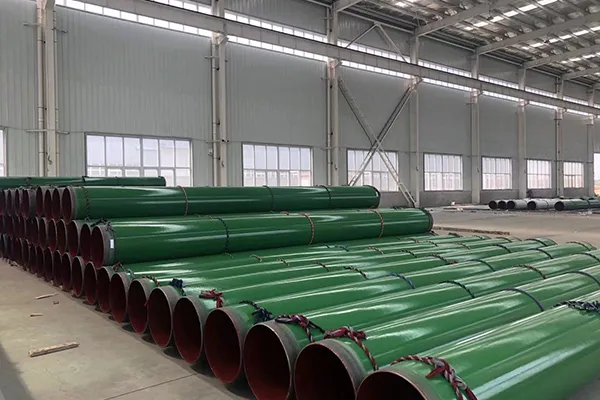
Inspection requirements should be agreed before production or coating application begins. Depending on the order, they may include:
-
Base pipe dimensional and material inspection
-
Surface preparation checks
-
Coating thickness measurement
-
Visual examination
-
Adhesion testing, where required
-
Holiday detection, where required
-
Final inspection and release records
The inspection and test plan (ITP) should define test methods, sampling frequency and acceptance criteria. If customer witness points, hold points or third-party inspection are required, identify them before production and include them in the agreed ITP. Documentation requirements should also cover material certificates, coating reports, test records and traceability where applicable. Not every project requires every test. The scope should follow the contract and applicable specification.
6. Compare Quotations on an Equivalent Basis
A low unit price does not necessarily mean a lower total project cost. Quotations may differ in pipe specifications, coating coverage, inspection scope, packaging and delivery conditions. Use a technical comparison covering:
-
Base pipe standard, grade and manufacturing process
-
Dimensions and quantity
-
Internal and external coating scope
-
Coating type and specified thickness
-
Pipe-end protection and repair requirements
-
Inspection and documentation
-
Packaging and delivery terms
-
Lead time and quotation validity
Clarify any differences in writing before placing the order. This makes supplier quotations easier to evaluate on a consistent basis.
7. Prepare a Complete RFQ
A complete request for quotation should include the pipe size list, material standard, grade, manufacturing process, quantity, coating specification, delivery destination and required documents. Drawings, project specifications and inspection requirements should also be attached where available.
Epoxy-Coated Steel Pipe RFQ Checklist
|
RFQ Item
|
Information to Confirm
|
|
Application
|
Medium, service environment and operating conditions
|
|
Base Pipe
|
Standard, grade, process and dimensions
|
|
Coating Scope
|
Internal, external or both
|
|
Coating System
|
Liquid epoxy or FBE
|
|
Coating Requirements
|
Thickness, coverage and pipe-end treatment
|
|
Inspection
|
Test methods, sampling and acceptance criteria
|
|
Documentation
|
Certificates, coating reports and ITP
|
|
Delivery
|
Quantity, packaging, destination and schedule
|
HNSSD supports project-oriented steel pipe supply through specification review, sourcing coordination, inspection arrangements and export documentation. The proposed supply scope is reviewed against the buyer's technical documents before quotation and order confirmation.
FAQ
Q1. What information should I provide when requesting an epoxy-coated steel pipe quotation?
A1: Provide the base pipe standard, material grade, manufacturing process, dimensions, quantity, coating scope, applicable coating specification, delivery destination and required documents.
Q2. Should I specify internal or external epoxy coating?
A2: Yes. Clearly state whether internal coating, external coating or both are required. The two surfaces may have different service conditions and coating requirements.
Q3. Is FBE the same as liquid epoxy coating?
A3: No. FBE is a thermosetting powder coating applied to a heated steel surface, while liquid epoxy is applied in liquid form. Their application and inspection requirements differ.
Q4. Can I compare suppliers by price per ton alone?
A4: Not reliably. Differences in base pipe specifications, coating coverage, inspection, documentation, packaging and delivery terms can affect the total project cost.
Q5. Can a supplier recommend an epoxy coating system?
A5: A supplier can review the available project information and coordinate suitable coating options. Final selection should comply with the project design, applicable standards and coating manufacturer's technical requirements.










 English
 Español
 русский язык
 Português