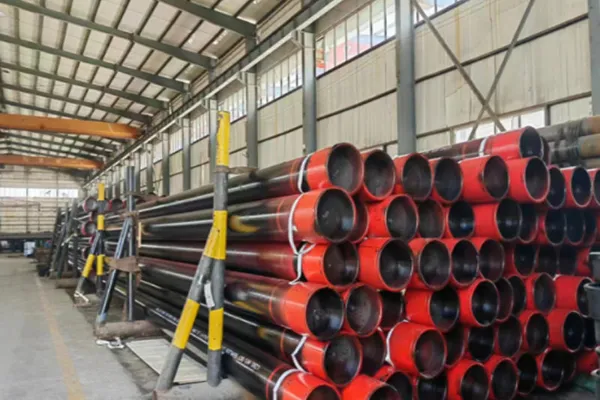
5. Maintain Reliable Well Integrity Records
Historical records help identify trends that may be missed when readings are reviewed individually. A useful record should include the date, operating conditions, observed changes, investigation performed and resulting decisions. Relevant pressure and temperature measurements, workover reports, pressure-test results, maintenance history and diagnostic findings should be retained where applicable. Comparing these records over time can help determine whether an event was isolated, recurring or associated with a developing problem. Consistent documentation also supports communication between operations, maintenance and engineering teams. It provides a clearer basis for deciding whether further investigation or corrective action is necessary.
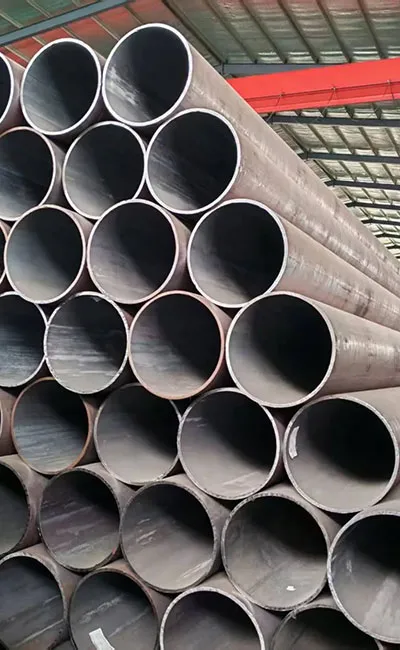
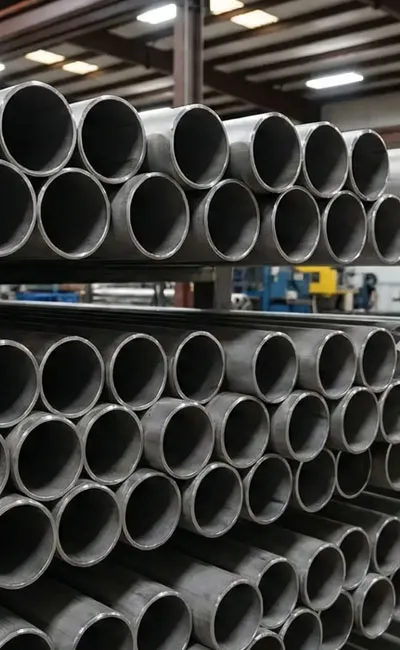
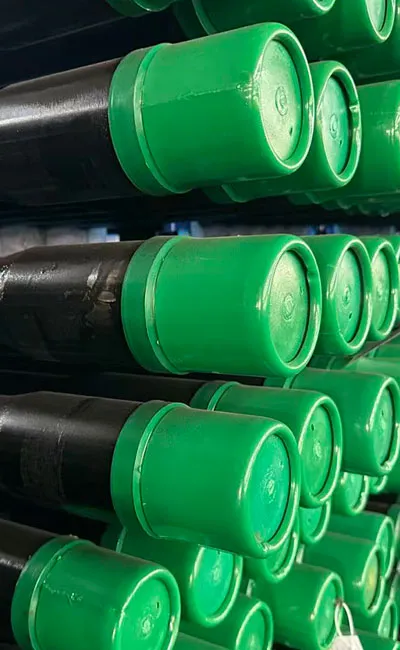
When a potential casing problem is identified, the response should follow the well's approved integrity management procedures. Depending on the circumstances, these may specify additional diagnostics, escalation requirements, operating restrictions and responsibilities for the relevant personnel. Where a serious integrity concern or loss of containment is suspected, safety and well-control requirements take priority. Unapproved repairs or continued operation based on assumptions may increase risk. Decisions should be made by qualified personnel using the applicable procedures and available evidence. For new well projects, prevention also begins during procurement. Buyers should confirm casing grade, dimensions, connection requirements, traceability and required inspection documentation against the approved specification. Coordinating these requirements before installation helps establish a reliable basis for verifying the supplied materials.
FAQ
Q1: What are the early signs of oil casing failure?
A1: Potential warning signs include unexplained annular pressure changes, abnormal fluid behavior, unexpected pressure trends and findings from suitable diagnostic inspections. These observations require investigation and should not be treated as definitive proof of casing failure.
Q2: Does annular pressure always indicate casing leakage?
A2: No. Pressure changes may result from temperature variations, fluid expansion, operating conditions or equipment issues. The cause must be evaluated against the well design, monitoring requirements and other available evidence.
Q3: How can engineers assess possible casing damage?
A3: Depending on the suspected damage and well conditions, engineers may use pressure testing, electromagnetic or ultrasonic inspection, caliper surveys or other appropriate diagnostic methods. The selected method should match the inspection objective and applicable procedures.
Q4: What should operators do if casing failure is suspected?
A4: Operators should follow the approved well integrity and safety procedures, document the observations and obtain an assessment from qualified personnel. Further testing, operating restrictions or corrective action may be required depending on the findings.
Conclusion
Identifying early signs of oil casing failure depends on recognizing abnormal trends, investigating possible causes and using appropriate diagnostic evidence. Annular pressure changes, unusual operating behavior and suspected corrosion are reasons to investigate, not automatic confirmation of failure. For new projects, clear casing specifications, suitable inspection requirements and reliable traceability records help support material verification before installation. Combining sound procurement controls with disciplined well integrity monitoring provides a stronger basis for managing casing-related risks throughout the well's service life.










 English
 Español
 русский язык
 Português