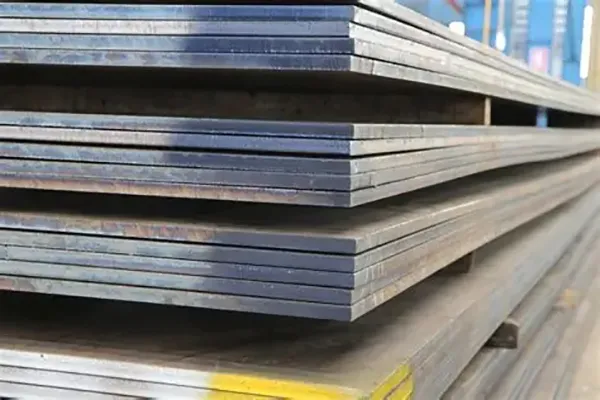
Steel plate corrosion can reduce service life, increase maintenance costs and compromise structural reliability. The rate of deterioration depends on the exposure environment, material grade, surface condition and effectiveness of the protective system. Coastal structures, industrial equipment and outdoor steel components may face different corrosion risks, even when they use the same steel grade. Effective steel plate corrosion protection starts with understanding the service environment, selecting a suitable protection system and maintaining it throughout the service life. Paint alone is not always sufficient; surface preparation, drainage, inspection and timely repairs are equally important.
For chemical processing or other demanding applications, evaluate the actual medium, concentration and operating conditions. When exposure is severe or uncertain, material selection and corrosion-control measures should be reviewed by a qualified materials or corrosion specialist.
Persistent moisture and accumulated deposits can accelerate corrosion, particularly when salts or process residues retain water against the steel surface. Poor drainage and inaccessible crevices can make these conditions difficult to detect. Where practical, design steel structures to avoid water traps and allow drainage and ventilation. During service, remove harmful deposits using cleaning methods compatible with the steel and its protective coating. After flooding, chemical spills or prolonged water exposure, inspect the affected areas rather than assuming that drying alone resolves the problem. Existing corrosion products, coating damage or chemical contamination may require additional assessment.
Protective coatings form a barrier between steel and its environment, but their performance depends on surface preparation, coating compatibility, application conditions and maintenance. During inspection, look for blistering, peeling, cracking, impact damage, exposed steel and corrosion around edges, welds or fasteners. These areas deserve attention because coating coverage may be more difficult to maintain. Before repairing damaged areas, remove loose coating, rust and contamination as required by the specified coating system. Confirm surface preparation, environmental conditions and compatibility with the existing coating before applying the repair material. Applying fresh paint over loose rust or poorly bonded coating can lead to premature failure. Record the defect location, repair method and inspection results so that recurring problems can be identified.
A practical maintenance program should define inspection intervals, acceptance criteria and corrective actions. Inspection frequency depends on environmental severity, previous findings and the consequences of failure. Record coating breakdown, rust development, pitting and suspected thickness loss. Where corrosion may affect structural capacity or pressure integrity, visual examination alone is insufficient. Appropriate thickness measurements, additional examination and assessment by a qualified engineer may be necessary. Repair or replacement decisions should be based on measured deterioration, design requirements and fitness-for-service considerations. Safety-critical components should not remain in operation solely because visible damage appears limited.
A4: The decision depends on measured deterioration, design requirements and the consequences of failure. Where corrosion may affect load-bearing or pressure-retaining capacity, a qualified engineer should assess the component before repair or replacement decisions are made.








 English
 Español
 русский язык
 Português