Company News

Hunan Great Steel Pipe Co., Ltd
steel pipe fitting corrosion,steel tee corrosion,steel elbow corrosion,steel reducer corrosion,corrosion-resistant materials

How to Manage Corrosion in Steel Pipe Fittings

Date: 2026-10-26
Corrosion in steel pipe fittings can lead to wall loss, leakage and unplanned maintenance in industrial piping systems. Steel tees, steel reducers and steel elbows may face different exposure conditions depending on the fluid, temperature, material and system layout. Effective corrosion management starts with understanding these conditions rather than relying on the steel pipe fitting type or material name alone. For project engineers, maintenance teams and procurement professionals, the key is to connect material selection, inspection and corrosion control with the actual service environment.

1. Identify the Main Corrosion Risks

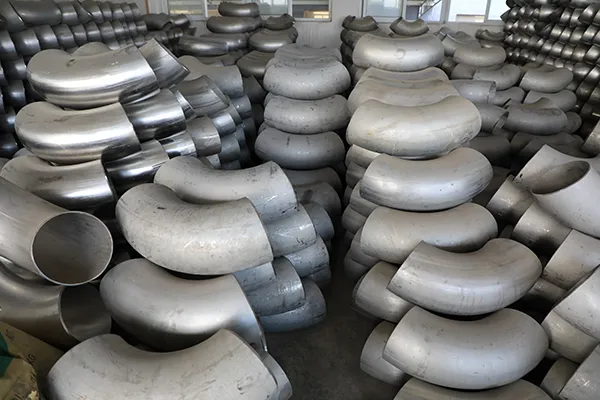
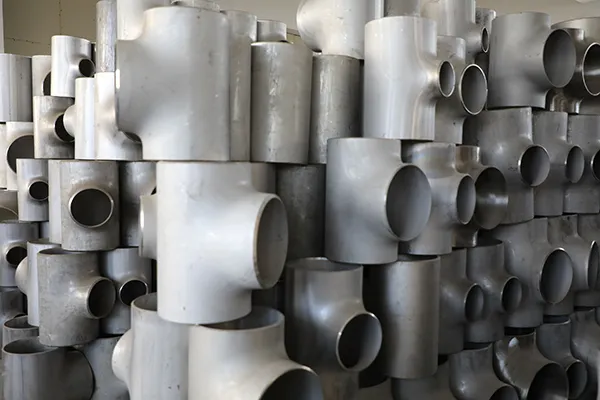
Before selecting a control measure, determine what the steel pipe fitting is exposed to. Important factors include fluid composition, water content, pH, dissolved salts, oxygen, process chemicals and operating temperature. External conditions matter too. Condensation, damaged coatings, moisture beneath insulation and exposure to aggressive environments can cause corrosion on the outside surface. Steel Pipe Fitting geometry may influence local conditions. A steel elbow can experience erosion alongside corrosion when the flow carries abrasive particles. A steel tee branch may be affected by deposits or changes in flow, while a steel reducer introduces a transition in diameter. These features do not automatically cause corrosion, but they may influence where damage develops. Inspection findings and operating data are needed to establish the actual mechanism.

2. Select Materials for the Service Conditions

Carbon steel, stainless steel and alloy steel offer different combinations of mechanical properties, corrosion resistance and cost. No single material is suitable for every service. For carbon steel pipe fittings, the design may require a specified corrosion allowance, a protective coating, process controls or a combination of measures. Stainless steel can offer improved resistance in some environments, but its performance depends on the grade and exposure conditions. Chlorides, temperature and other factors can increase the risk of localized corrosion in susceptible grades. Where sour service or other demanding conditions apply, material selection must follow the relevant project specifications and qualified engineering assessment. A material described as corrosion-resistant should not be treated as universally resistant. The selected steel pipe fitting must also meet the required dimensions, pressure-temperature conditions, material specification and applicable product standard.

3. Plan Inspection Around the Suspected Damage

A practical inspection program considers the likely corrosion mechanism, operating history, accessibility and consequences of failure. The method should match the type of damage being investigated. Depending on the application, inspection may include visual examination, wall-thickness measurement or other suitable non-destructive examination. Coatings and insulation should also be assessed where external corrosion is suspected. If wall loss or localized damage is identified, qualified personnel should determine the measurement coverage, acceptance criteria and required follow-up. A surface appearance alone cannot reliably establish the remaining wall thickness or service life of a steel pipe fitting. For process piping, the applicable code, design documents, inspection plan and site procedures should guide the assessment. ASME B31.3 is one relevant code for process piping systems, but the governing requirements depend on the specific installation.

4. Review Operating Changes and Maintenance Records

Corrosion risk can change when fluid composition, temperature, flow conditions or chemical treatment changes. When damage appears unexpectedly, compare current operating conditions with the original design basis and available maintenance records. Useful records include the inspection location, observed damage, measurements, operating conditions, corrective actions and follow-up results. These details help determine whether the issue is isolated or recurring. Replacing a damaged fitting without investigating the cause may allow the same problem to return. The replacement material, dimensions and any proposed operating changes should therefore be reviewed by the responsible engineering team.

5. Apply Corrosion Controls That Fit the Application

Depending on the identified mechanism, corrosion controls may include changing materials, applying a compatible protective system, adjusting process conditions, monitoring wall thickness or revising inspection intervals. Each measure has limitations. A coating must be suitable for the service temperature and chemical exposure. A material change may affect welding procedures, compatibility, cost and lead time. Inspection frequency should reflect the actual risk and applicable requirements rather than an arbitrary schedule. Repairs, replacements and modifications must follow approved site procedures and engineering review.

6. Confirm Corrosion Requirements Before Ordering

Procurement teams can reduce specification gaps by sharing the service conditions when requesting steel tees, reducers and elbows. An inquiry should identify, where applicable:
- Fitting type, nominal size, outside dimensions and wall thickness
- Material grade and applicable product standard
- Design pressure and temperature
- Fluid composition and known corrosion concerns
- Coating or surface-protection requirements
- Inspection, testing, material traceability and documentation requirements
- Quantity, delivery schedule and destination
Complete information helps suppliers coordinate the required product scope and allows buyers to compare quotations on a consistent technical basis. For project orders, material documentation and agreed inspection requirements should be confirmed before production or procurement proceeds.

FAQ

Q1: Which steel pipe fitting material is best for corrosive service?
A1: There is no universal choice. The correct material depends on the fluid, temperature, pressure, corrosion mechanism and applicable engineering requirements.
Q2: Can visual inspection detect all corrosion?
A2: No. Internal or localized damage may not be visible from the outside. Suitable measurement or non-destructive examination may be necessary.
Q3: Should a corroded steel pipe fitting always be replaced?
A3: Not automatically. The responsible engineering team should assess the damage against applicable acceptance criteria and determine whether replacement, repair or further examination is appropriate.
Q4: How can buyers reduce corrosion-related procurement risks?
A4: Provide the operating conditions, material requirements, applicable standards, protection measures and inspection documentation requirements before requesting quotations.

Latest news list

  • steel pipe fitting thermal expansion and vibration,steel elbow vibration,piping thermal movement,steel tee stress
    Steel tees,reducers and elbows operate as part of a connected piping system,When temperatures change or equipment generates vibration,loads can develop at fittings,joints,supports and equipment connections,If these effects are not properly addressed,the system may experience excessive movement,leakage or fatigue-related damage,Managing thermal expansion and vibration requires more than inspecting an individual fitting,Engineers need to consider the piping layout,operating conditions,support arrangement and the behavior of the complete system,
  • how to choose a steel tee,steel tee selection,steel tee buying guide,equal tee vs reducing tee,steel tee procurement
    Selecting a steel tee for an industrial piping project involves more than matching pipe sizes,The fitting must meet the piping layout,material specification,connection requirements and operating conditions,An incorrect specification can lead to installation delays,additional inspection or costly changes after procurement,For project buyers and engineers,the best starting point is a complete technical inquiry that defines what the piping system requires,
  • Steel Elbow erosion,Steel Elbow wear,piping erosion,Steel Elbow wall thickness inspection,abrasive flow,Steel Elbow inspection
    Steel Elbows redirect flow in industrial piping systems,but this change in direction can make them vulnerable to localized erosion,When fluids carry sand,scale,catalyst particles or other solids,repeated particle impacts may gradually reduce the Steel Elbow wall thickness,Corrosion can accelerate the damage when the fluid is also chemically aggressive,Reducing Steel Elbow erosion starts with identifying the wear mechanism,reviewing operating conditions and tracking wall-thickness changes,The right solution depends on the process,material,fitting geometry and piping design,
  • steel reducer manufacturing,steel reducer quality control,steel reducer inspection,concentric reducer,eccentric reducer,steel pipe fitting production
    A steel reducer connects pipes of different diameters while providing a controlled transition in a piping system,Its dimensions,material properties and wall-thickness distribution affect installation,flow conditions and service reliability,For project buyers,understanding steel reducer manufacturing and quality control helps ensure that the supplied fittings match the piping design and applicable specifications,
  • steel pipe fitting leakage prevention,steel tee leakage,steel reducer connection,steel elbow joint
    Leakage at steel pipe fitting connections can cause unplanned shutdowns,fluid loss,maintenance costs and safety risks,A steel tee,reducer or elbow may meet its dimensional requirements,yet the connection can still leak because of poor fit-up,joining defects,damaged sealing surfaces or excessive operating loads,Preventing leakage requires attention to the complete piping system,from component selection and installation to inspection and operation,The correct approach depends on whether the connection is welded,flanged or threaded,

Find what you need ?

close
We use cookies and other tracking technologies to improve your browsing experience on our website, to show you personalized content and targeted ads, to analyze our website traffic, and to understand where our visitors are coming from.