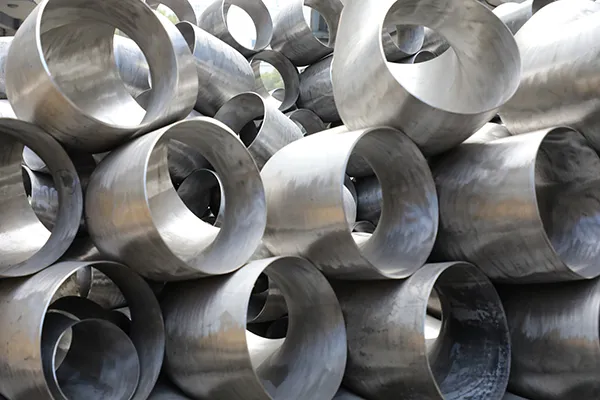
Supplying
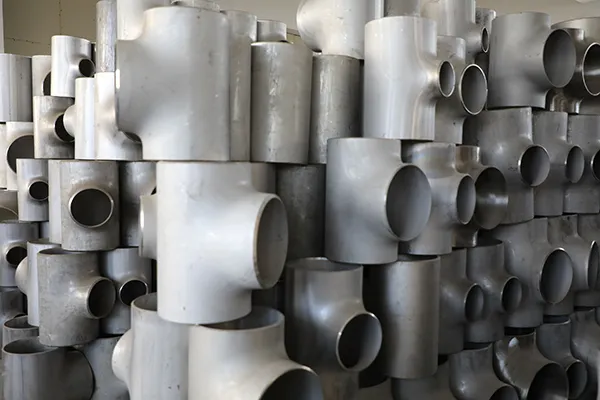
steel tees,
steel reducers and
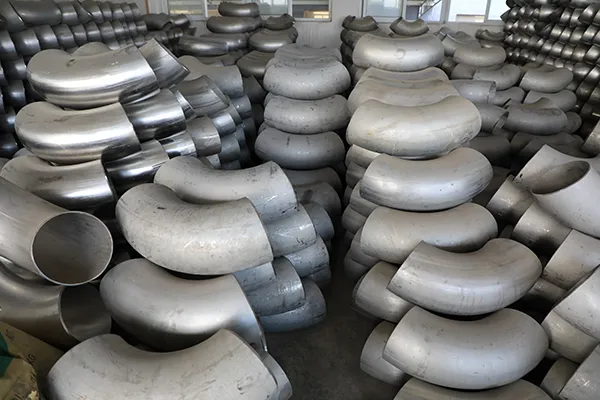
steel elbows for an overseas project involves more than purchasing the required products. Technical specifications, inspection arrangements, documentation, packing and shipping must align with the purchase order and project schedule. For buyers managing industrial piping packages, a clearly defined order coordination process helps reduce specification gaps, avoid document inconsistencies and identify delivery risks before dispatch. The exact workflow depends on the product scope, contractual terms and destination requirements.
1. Review the Inquiry and Technical Requirements
Order coordination begins with the buyer’s inquiry, bill of materials, drawings and applicable project specifications. Each line item should be checked for
steel fitting type, dimensions, material grade, wall thickness, quantity and required product standard. A mixed
steel fitting order may include equal or reducing steel tees,
concentric or eccentric steel reducers, and
steel elbows with different angles and dimensions. These items should be identified separately rather than grouped under a generic description such as “steel pipe fittings.” The review should also identify missing information, conflicting requirements and special marking, inspection or documentation needs. Clarifying these points before order confirmation reduces the risk of purchasing products that do not match the approved scope.
2. Coordinate Sourcing and Production
After the technical scope is confirmed, the supply team coordinates sourcing and any required manufacturing arrangements against the purchase order and delivery plan. Depending on the project, this may involve checking product availability, confirming specifications with the relevant manufacturer, reviewing production or supply schedules and tracking outstanding requirements. The supply route should remain consistent with the agreed technical documents. Changes to material grade, dimensions, quantity or applicable standards should be documented and approved through the agreed communication process. Informal changes can create inconsistencies between the purchase order, supplied products and inspection records. For project-based procurement, maintaining a clear record of confirmed requirements and approved revisions is particularly important when several
steel fitting types are supplied in one order.
Inspection requirements should be established before dispatch, not left until the products are ready to ship. The purchase order may specify dimensional checks, material verification, testing, third-party inspection or particular inspection documents. The required scope depends on the applicable product standard, project specification and contract. Not every order requires the same tests, and inspection activities should only be represented as confirmed when they have been agreed and arranged. Document review should check consistency across the purchase order, product identification, quantities and applicable inspection records. Where material test certificates or other quality documents are required, their details should correspond to the supplied products and contractual requirements. Clear records help the buyer plan receiving inspection, verify the shipment and maintain project documentation.
4. Coordinate Packing and Export Delivery
Steel pipe fittings need suitable packing for their size, weight, surface condition, end preparation and transportation route. The packing plan may include item segregation, end protection, package identification, lifting considerations and shipping marks. For mixed orders, clear identification is especially useful because receiving teams may need to match individual
steel fittings with drawings, item numbers or material lists. Export documents, freight arrangements and delivery responsibilities should be confirmed according to the destination and agreed commercial terms. Depending on the contract, responsibilities for freight, insurance, customs documentation and final delivery may differ. A pre-dispatch review should confirm that the required products, agreed documents, packing instructions and shipping arrangements are aligned.













 English
 Español
 русский язык
 Português