4. Review Material Flow and Equipment Design
Material selection is only one part of wear control. Excessive drop height, abrupt changes in direction, misalignment and uneven flow can concentrate impact or abrasion in particular areas. A review of the equipment may identify opportunities to improve transitions, distribute material more evenly or modify replaceable liners. Any proposed change should preserve structural integrity, operating capacity and safety. Reducing wear in one location may transfer it to another, so adjacent components should also be inspected after modifications. If material buildup occurs repeatedly, investigate moisture, particle characteristics, surface geometry and operating conditions before selecting a cleaning method or anti-buildup treatment.
Comparing thickness measurements over several inspection cycles helps maintenance teams estimate wear trends and schedule replacements during planned shutdowns. Record repeat failure locations, repair history, material identification and relevant operating changes. If a newly installed plate wears substantially faster than previous material under comparable conditions, review the material documentation, installation details and service environment before concluding that the grade is unsuitable. Replacement decisions should follow approved engineering criteria rather than a generic wear-rate estimate. For critical equipment, an engineer should assess whether continued operation is acceptable and determine the required corrective action.
6. Include Quality Verification in Project Procurement
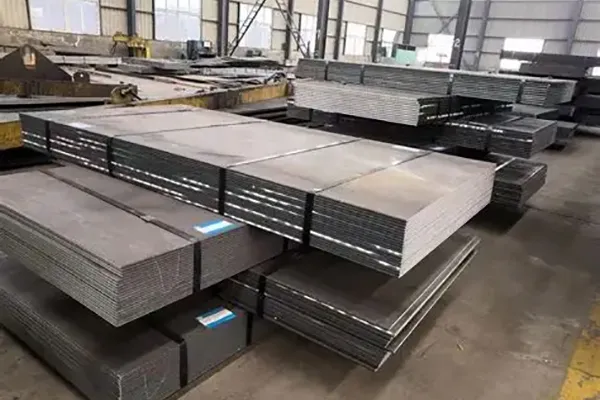
Wear performance depends on both material suitability and service conditions. During procurement, buyers should clearly define the required grade, applicable standard, dimensions, tolerances, inspection requirements and documentation. For project-based steel plate supply, specification review, sourcing and production coordination, factory inspection arrangements and documentation review can help align the supplied material with the agreed requirements. The exact inspection scope and deliverables should be confirmed before the order is placed.
Hunan Great Steel Pipe Co., Ltd. supports project-oriented steel supply and export coordination. Buyers can improve quotation accuracy by providing the application, required material grade, plate dimensions, quantity, applicable standard and any project-specific inspection or documentation requirements.
FAQ
Q1: Does harder steel plate always have better wear resistance?
A1: No. Performance depends on the type of wear, impact severity, material toughness, operating temperature and equipment design. Hardness should be considered alongside the actual service conditions.
Q2: How can steel plate wear be monitored?
A2: Use repeatable thickness measurements at defined locations, supported by visual inspection and documented operating conditions. Compare results over time to identify localized damage and changes in wear rate.
Q3: When should a worn steel plate be replaced?
A3: Replacement depends on the minimum allowable thickness, observed damage, equipment design and approved maintenance criteria. Critical applications may require an engineering assessment before continued operation.
Q4: Can changing the steel grade eliminate abrasion?
A4: A suitable grade may reduce wear, but it cannot necessarily correct excessive impact, uneven flow, misalignment or other equipment-related causes. Material selection and system review should be considered together.
Conclusion
Effective steel plate wear management combines accurate inspection, suitable material selection, equipment review and planned maintenance. Identifying why wear occurs is more useful than changing material specifications without investigating the underlying cause.










 English
 Español
 русский язык
 Português