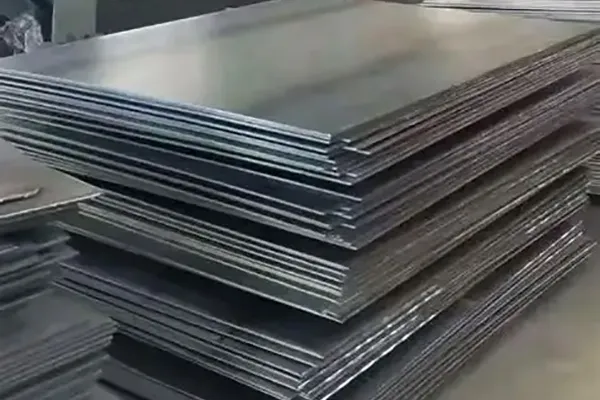
Choosing the right steel plate starts with the project specification, not the lowest quotation. The material must meet the required design standard, service conditions and fabrication needs while remaining practical to source, inspect and deliver. For industrial buyers, a clear inquiry is essential. Missing information can lead to incomparable quotations, unsuitable material substitutions or delays during technical review. The following steps help purchasing teams define requirements before placing an order.
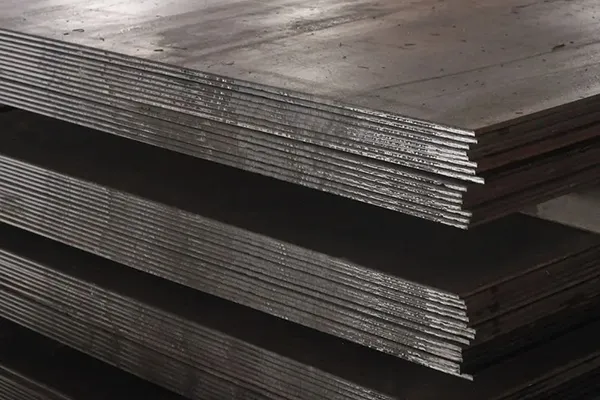
First, identify the plate’s intended function. Structural frameworks, equipment enclosures, storage tanks, wear surfaces and pressure-retaining components may require different material properties and standards. Consider operating temperature, loading, moisture, chemical exposure, abrasion and expected service conditions. For safety-critical or regulated applications, material selection must follow the applicable design code and approved engineering specification. Terms such as “high-strength,” “wear-resistant” and “corrosion-resistant” are not sufficient by themselves. The required grade and acceptance criteria must be clearly defined.
The material grade and governing standard establish requirements for chemical composition, mechanical properties, dimensions, testing and delivery condition. Specify the complete grade designation and standard in the inquiry. If equivalent grades or alternative standards are permitted, obtain approval from the responsible engineer or project authority before accepting a substitution. Similar material descriptions do not guarantee equivalent toughness, weldability or certification requirements. Also identify supplementary requirements, including impact testing, non-destructive examination, special traceability or third-party inspection. These should be agreed before the order is confirmed.
Provide the required thickness, width, length and quantity. Clarify whether the dimensions are fixed or whether an agreed tolerance range is acceptable. Dimensional tolerances and flatness requirements depend on the applicable standard and purchase specification. Components intended for precision cutting, machining, forming or close-fit assembly may need additional controls. For cut-to-size orders, distinguish between the original plate dimensions and the finished part dimensions. Include cutting allowances, edge requirements and any specified surface preparation or coating requirements.








 English
 Español
 русский язык
 Português