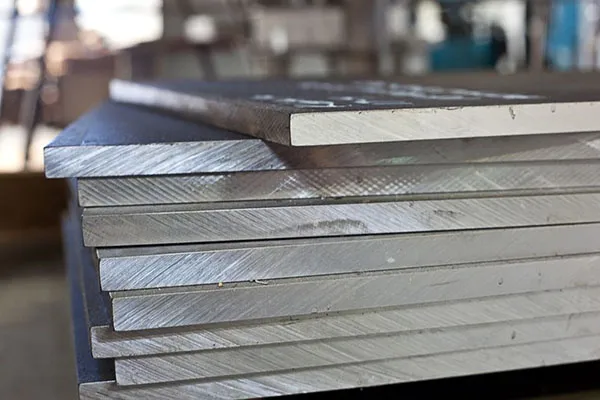
4. Maintain Material Identification and Traceability
Material identification must remain linked to the physical plate and its supporting records throughout storage, movement and cutting. Depending on the applicable specification and project quality plan, identification may include the grade, heat or cast number, order reference and other required information. When a plate is cut into smaller pieces, establish a controlled identification-transfer process. Each piece that requires traceability should retain the information needed to connect it to the original material records. Do not assume that a handwritten label or storage-location record is sufficient when the project requires controlled or permanent identification. If markings become illegible or the link to the original records is lost, resolve the issue before the material is used.
A receiving inspection does not guarantee that a plate will remain in acceptable condition throughout storage. Before fabrication, check its identification, dimensions where required, surface condition and compliance with the relevant project requirements. Look for new corrosion, moisture staining, coating breakdown, impact damage, edge deformation and contamination. For plates intended for welding or painting, confirm that the surface condition is compatible with the specified preparation procedure. If corrosion or physical damage is found, assess its extent before cleaning, grinding or removing material. Unapproved repairs may change dimensions or conceal a defect. Significant or uncertain damage should be referred to the responsible quality or engineering personnel.
6. Coordinate Storage with Production Planning
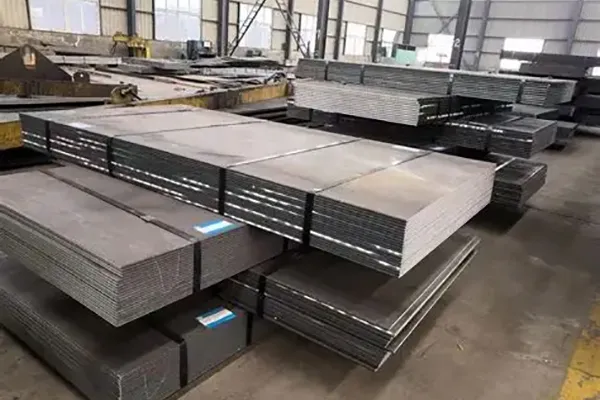
Organize plates by grade, dimensions, order or project so that the correct material can be retrieved without unnecessary handling. Inventory records should reflect material movements, cutting and consumption. Coordinate material release with the fabrication schedule, particularly for project orders involving several grades or similar-looking plates. This helps reduce retrieval delays and the risk of mixing materials with different specifications. For related guidance, consult our steel plate quality verification resources and steel plate corrosion prevention guidance when the corresponding articles are available on our website.
FAQs
Q1: Can steel plates be stored outdoors?
A1: Yes, in some circumstances. Suitability depends on the material, surface requirements, storage duration and environmental conditions. Prevent water retention and inspect stored plates periodically.
Q2: How can damage during steel plate handling be reduced?
A2: Use suitable lifting equipment, trained personnel, stable supports and appropriate surface protection. Avoid uncontrolled dragging and follow the site’s lifting procedures.
Q3: Why is material identification important after cutting?
A3: Identification connects each cut piece to its original material and quality records. Lost traceability may prevent the material from meeting project acceptance requirements.
Q4: Should steel plates be inspected again before fabrication?
A4: Yes. Reinspection helps identify corrosion, contamination, handling damage and traceability problems that may have developed after receipt.
Q5: Do all steel plates require the same storage protection?
A5: No. Protection should reflect the material, coating, surface requirements, storage environment and intended fabrication process. Follow the applicable specification and project procedures.










 English
 Español
 русский язык
 Português