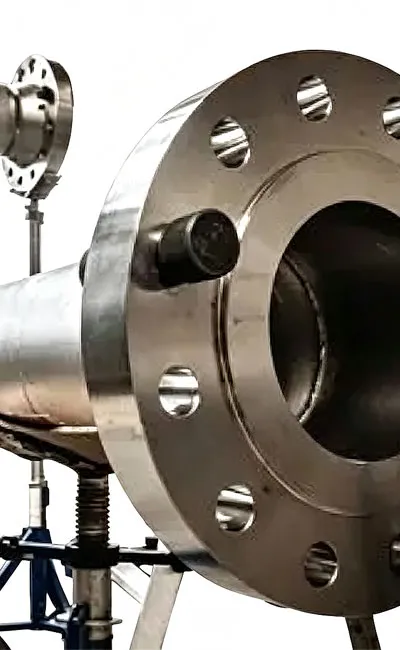
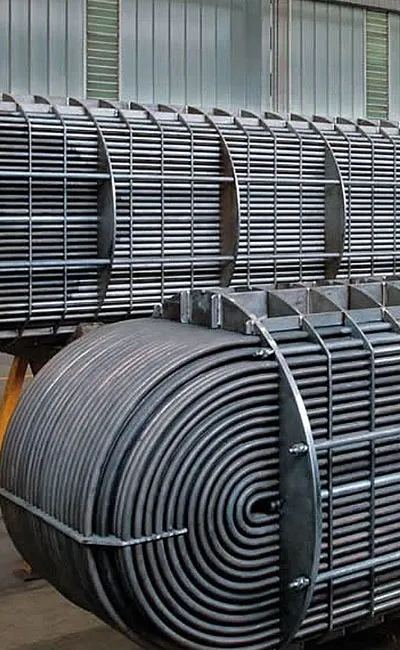
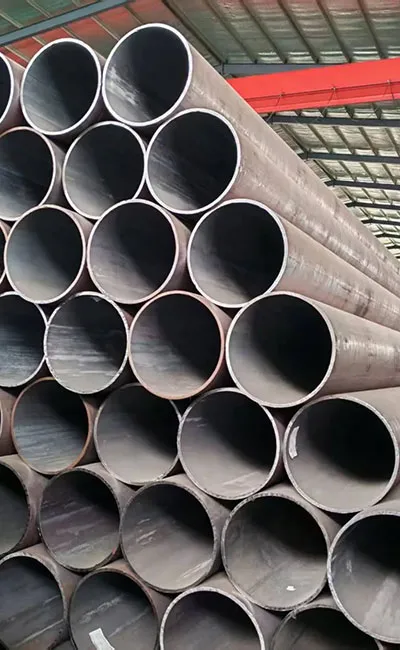
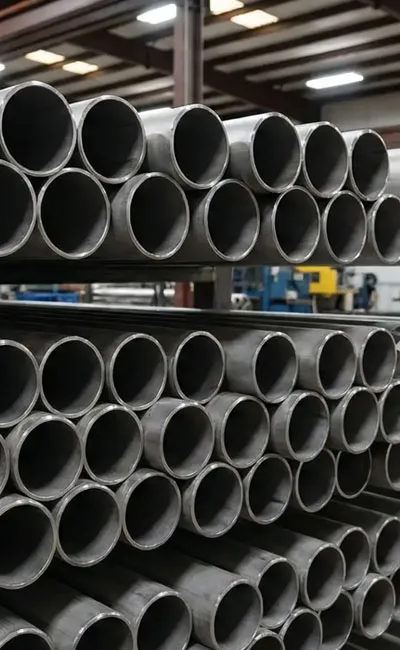
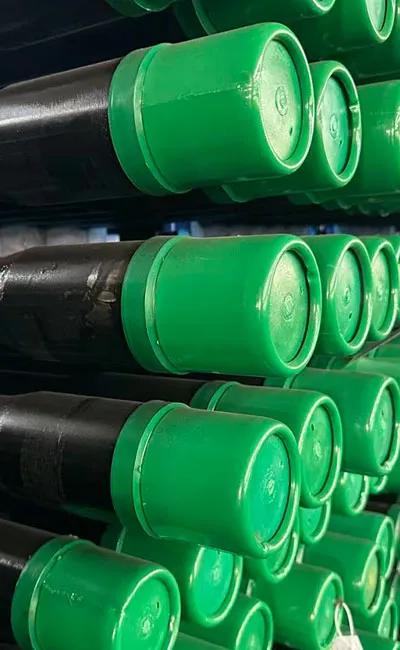
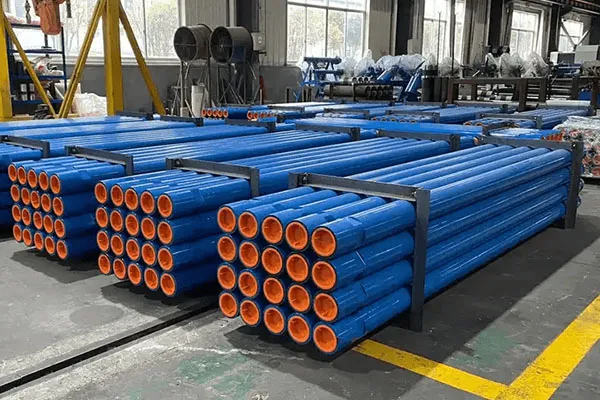
Tool joints are machined into pin and box configurations to form the connections between drill pipe sections. Their dimensions and connection profiles must match the specified rotary shouldered connection. Important manufacturing controls include material identification, outside and inside dimensions, connection geometry, hardness and thread preparation. Accurate machining is essential because connection compatibility, shoulder contact and thread condition influence the performance of the assembled drill string.
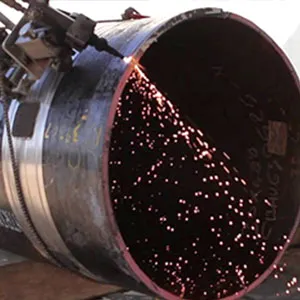
Tool joints are commonly joined to the pipe body using rotary friction welding. Depending on the equipment and process design, this may involve inertia or direct-drive friction welding. Controlled relative rotation and axial pressure generate heat at the contact surfaces, creating a solid-state bond without conventional filler-metal welding. Excess material formed during the operation is removed through flash trimming. The weld zone receives the specified post-weld treatment and inspection. Alignment, weld integrity and hardness distribution are important considerations because this area experiences substantial mechanical loading during drilling.
6. Thread Machining and Final Inspection
After welding and the required finishing operations, pin and box connections are machined and gauged according to the ordered connection specification. API 7-2 is a key reference for threading and gauging rotary shouldered connections. Final inspection may include dimensional measurement, visual examination, hardness testing and applicable non-destructive examination. Depending on the product requirements, inspection may cover the weld zone, pipe body and connection areas. Material traceability is maintained through heat numbers, inspection records, test documentation and product marking. These records help buyers verify that the supplied drill pipe meets the agreed technical and quality requirements.
FAQ
Q1. Is drill pipe manufactured from seamless steel pipe?
A1. Conventional API steel drill pipe uses a Seamless Steel Pipe body with upset ends and separately manufactured tool joints joined by friction welding.
Q2. Why are drill pipe ends upset?
A2. Upsetting increases wall thickness at the pipe ends, providing the required geometry and material for tool joint connections.
Q3. What is friction welding used for in drill pipe manufacturing?
A3. It joins the pipe body and tool joints through a controlled solid-state process, creating a connection without conventional filler-metal welding.
Q4. Which standard covers steel drill pipe?
A4. API Spec 5DP specifies technical delivery conditions for steel drill pipe with upset pipe body ends and weld-on tool joints. The applicable edition, addenda and errata should be confirmed when preparing an order.
Q5. What inspections are important for drill pipe quality?
A5. Important checks include dimensional inspection, mechanical and hardness testing, weld-zone examination, thread gauging, visual inspection and material traceability. The actual inspection scope depends on the purchase specification and applicable requirements.
Drill Pipe Supply for Oil and Gas Projects
Reliable drill pipe procurement requires more than selecting the correct steel grade. Material traceability, manufacturing coordination, connection quality and inspection documentation all contribute to product performance. Hunan Great Steel Pipe Co., Ltd. supports oil and gas project procurement through material sourcing, production coordination, factory inspection, documentation review and export delivery. Contact our team to discuss your drill pipe specifications, technical requirements and project supply needs.










 English
 Español
 русский язык
 Português