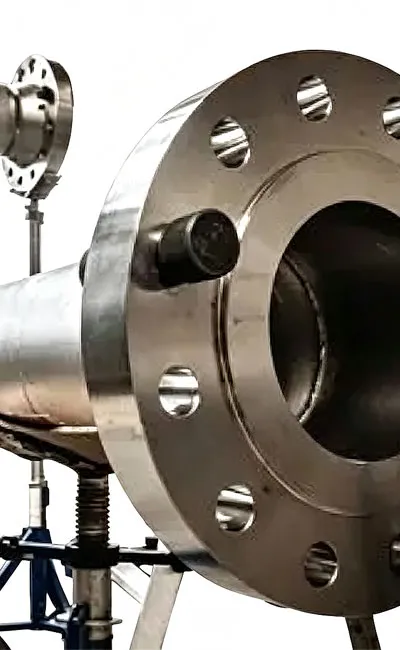
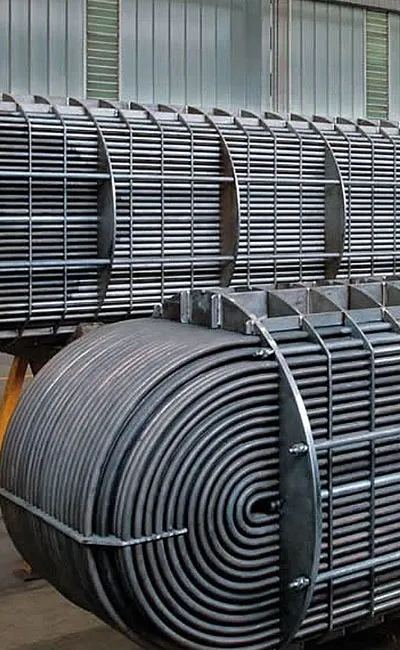
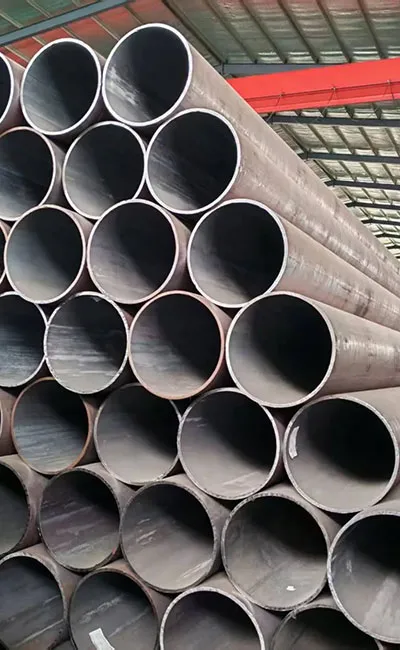
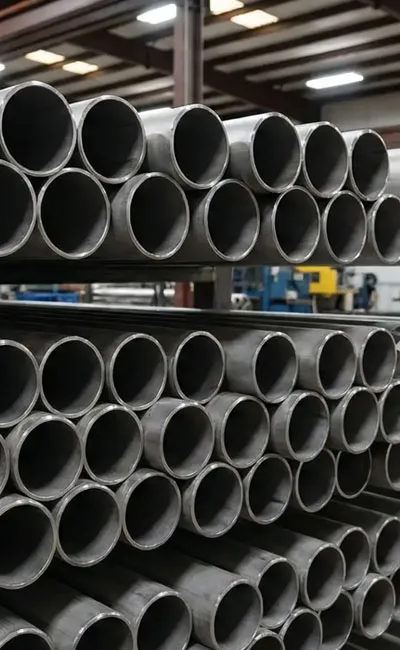
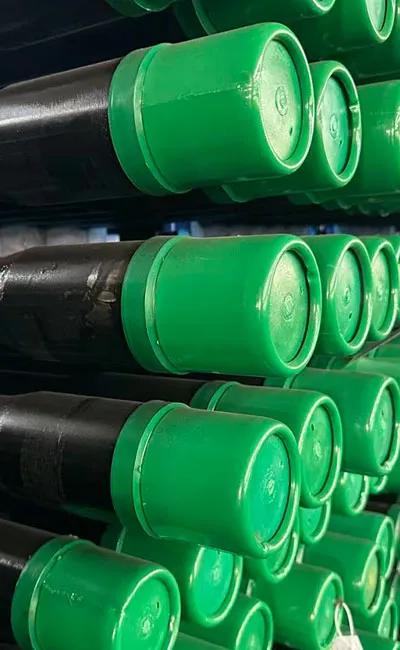
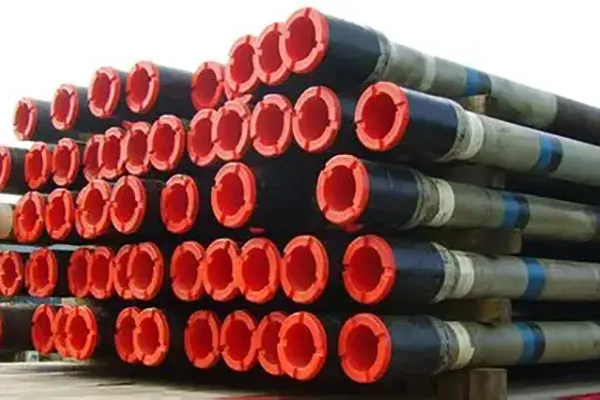
Inspection should cover the pipe body, internal and external surfaces, upset areas and connections.
|
Inspection Method
|
Main Purpose
|
|
Visual Inspection
|
Identify visible corrosion, pitting, cracks and mechanical damage
|
|
Wall Thickness Measurement
|
Evaluate localized or general wall loss
|
|
Ultrasonic Testing (UT)
|
Measure wall thickness and detect certain internal discontinuities
|
|
Electromagnetic Inspection (EMI)
|
Screen specified pipe body defects and wall-loss conditions within system capability
|
|
Magnetic Particle Testing (MT)
|
Detect surface and near-surface discontinuities in ferromagnetic materials
|
These methods have different detection capabilities and are not interchangeable. The inspection scope should reflect the suspected damage, equipment limitations and applicable procedures. For used drill pipe, API RP 7G-2:2020(R2025) provides a reference for inspection and classification of used drill stem elements. Inspection requirements and acceptance criteria should be established before equipment is returned to service.
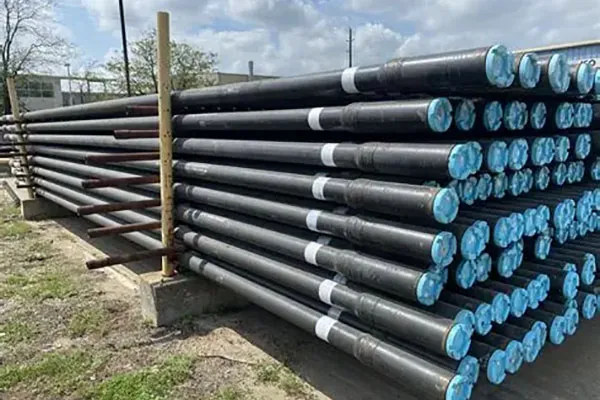
Drill pipe removed from service requires proper cleaning and storage. Residual drilling fluid and moisture should be removed according to the applicable equipment procedure. Internal and external surfaces should be adequately dried before storage. Suitable corrosion-protection measures may be applied where required. Pin and box connections should be protected with clean, appropriate thread protectors. Storage arrangements should minimize water accumulation and direct exposure to corrosive conditions. For extended storage, periodic inspection helps identify moisture ingress, coating deterioration and early signs of corrosion.
6. Establish a Preventive Maintenance Routine
Effective corrosion and washout risk management combines drilling-fluid monitoring, operating observation and condition-based inspection. Maintain traceable records of inspection results, wall thickness measurements, connection condition and repair history. Suspected serious wall loss or leakage damage should be evaluated before a joint is returned to service. Inspection frequency and acceptance decisions should reflect the operating environment, service history and applicable inspection requirements rather than relying on a single universal threshold.
FAQ
Q1. What causes drill pipe corrosion?
A1. Drill pipe corrosion may be influenced by dissolved oxygen, CO₂, H₂S, chlorides, temperature, pH and other aspects of drilling-fluid chemistry.
Q2. What is drill pipe washout?
A2. Washout is a leakage condition in which drilling fluid escapes through a damaged pipe body or leaking connection.
Q3. Can corrosion and erosion occur together?
A3. Yes. Abrasive flow can remove protective surface layers, while corrosive conditions contribute to further metal loss.
Q4. Does a sudden drop in standpipe pressure always indicate washout?
A4. No. Pump problems, surface leaks and other circulation conditions can produce similar symptoms. Further diagnosis is necessary.
Q5. Which inspection methods can detect drill pipe wall loss?
A5. Suitable methods may include ultrasonic thickness measurement and electromagnetic inspection. The choice depends on the inspection scope, equipment capability and applicable procedure.
Q6. How can drill pipe corrosion be reduced during storage?
A6. Clean and dry the pipe, apply suitable corrosion protection, protect connections and conduct periodic storage inspections.
Drill Pipe Supply and Project Support
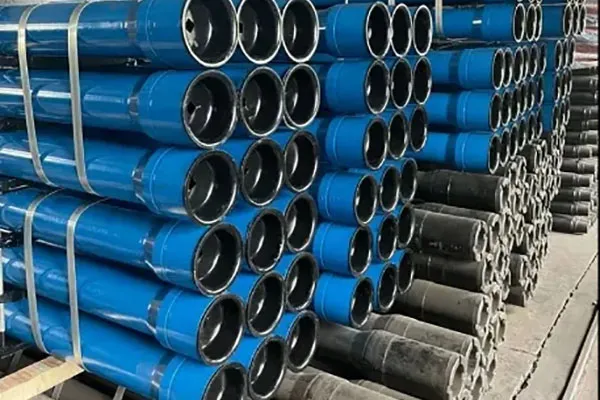
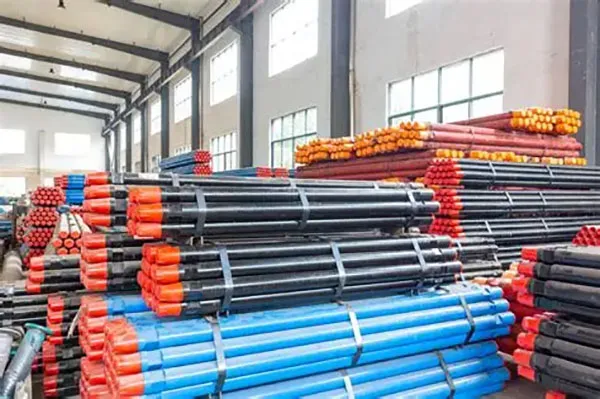
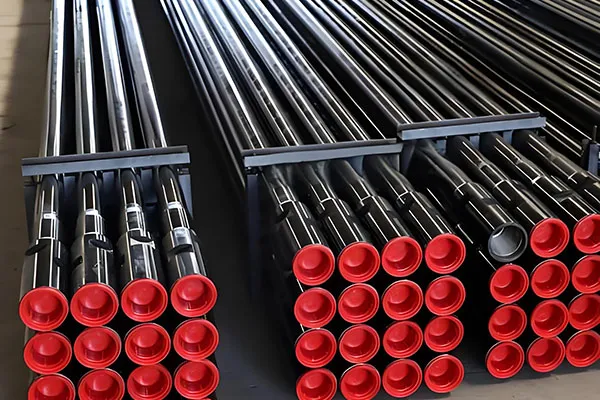
Hunan Great Steel Pipe Co., Ltd. supports international project procurement through material sourcing, production coordination, factory inspection, documentation review and export delivery coordination. Our team works with project specifications and delivery requirements to coordinate suitable steel product supply solutions.










 English
 Español
 русский язык
 Português