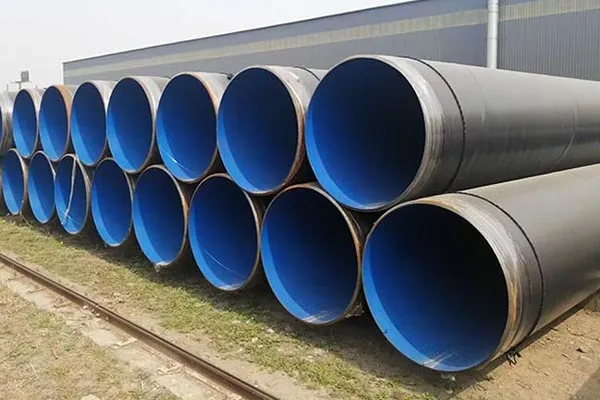
Fusion-bonded epoxy (FBE) coating provides external corrosion protection for steel pipes used in steel pipeline systems. However, even a properly applied coating can be damaged after leaving the coating facility. Scratches, impact marks, and abrasion may occur during lifting, transportation, storage, or installation, potentially exposing the steel surface to corrosion. Preventing this damage requires more than careful handling at one stage. Protection should be considered throughout the supply and construction process, from loading and delivery to trench installation and final inspection.
Lifting is one of the first stages where coating damage can occur. Bare chains, sharp hooks, and unsuitable contact surfaces may scratch or impact the FBE layer. Use approved lifting equipment with suitable protective contact surfaces, such as appropriately selected padded slings or other project-approved lifting devices. Contact materials should be clean and free from sharp edges, embedded metal particles, or contaminants that could damage the coating. For long or heavy pipes, the lifting arrangement should distribute the load appropriately and prevent excessive bending, sliding, or uncontrolled movement. Pipes should never be dragged across the ground or against other steel products.
2. Secure Pipes Properly During Transportation
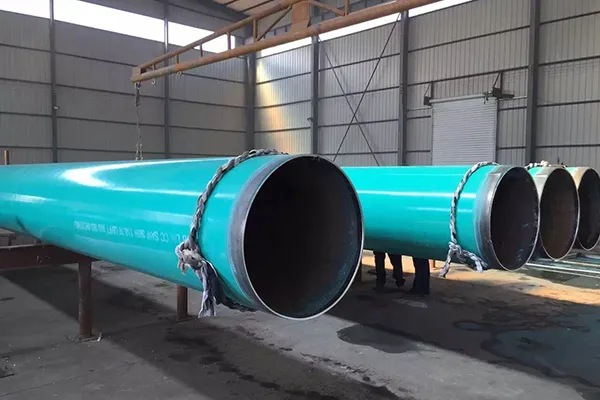
During road, rail or sea transportation, vibration, braking and handling movements can cause pipes to shift. Repeated contact between pipes, supports and securing equipment may lead to coating abrasion. Use suitable supports, separators and protective materials at contact points. Lashing arrangements should prevent movement without creating excessive localized pressure on the coating. Steel pipe ends and coating cutback areas should also be protected against impact and contamination. The transport plan should account for steel pipe dimensions, load configuration, route conditions, and the selected shipping method rather than relying on a general packing arrangement.
3. Store Steel Pipes on Suitable Supports
Temporary storage should
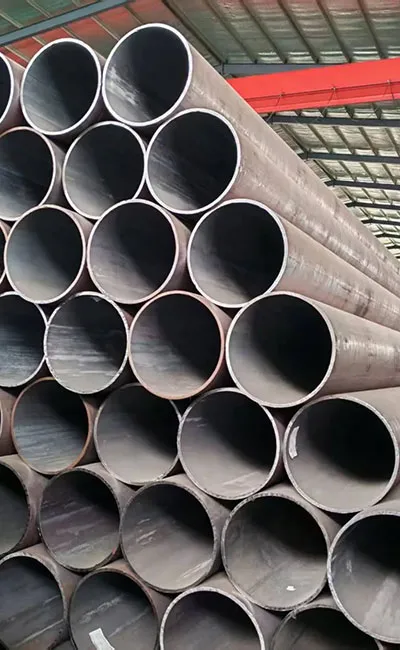
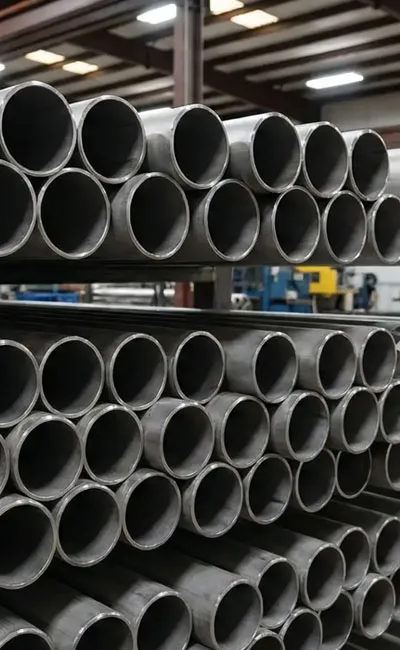
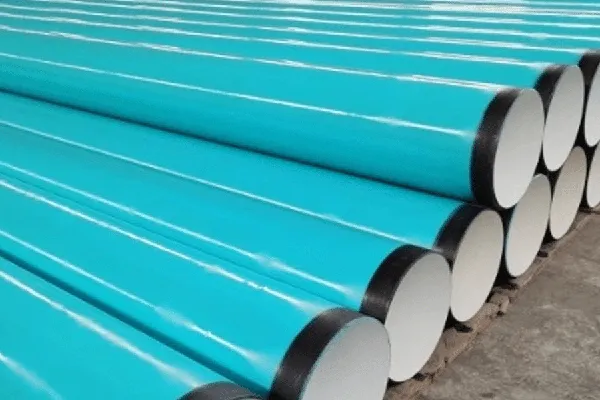
keep FBE-coated steel pipes away from direct ground contact and standing water. Stable supports help prevent excessive deflection, while suitable separators reduce direct contact between coated surfaces. Stacking height and support spacing should follow the approved handling instructions. Excessive stacking loads or poorly positioned supports can create localized pressure and damage the coating. For outdoor storage, consider drainage, weather exposure, steel pipe identification, and access for inspection. Protective materials should not trap water or introduce contaminants against the coating surface.
4. Inspect the Coating After Unloading
A visual inspection after unloading helps identify damage that may have occurred during transportation. Check for scratches, abrasion, impact marks, exposed steel, visible coating discontinuities, and damaged steel pipe-end protection. Inspection findings should be recorded against the individual steel pipe identification number. Visual inspection identifies visible defects, but it does not confirm coating continuity in every case. Where required by the project inspection and test plan (ITP), holiday detection should also be performed using equipment, test voltage, and procedures appropriate for the coating system and specified thickness. Any detected discontinuities should be identified, recorded, and assessed for repair according to the approved procedure.
During lowering and positioning, steel pipes should not strike trench walls, rocks, lifting equipment, or adjacent steel pipe sections. Before lowering, check that the trench bottom and bedding are free from sharp objects and construction debris that could damage the coating. Where required by the construction design, additional mechanical protection, such as suitable padding or protective materials, should be provided. The field joint coating area also requires attention. Welding, surface preparation, and field joint coating should follow the approved construction procedures. The factory-applied FBE coating does not automatically protect the exposed field weld area; a compatible, qualified field joint coating system must be specified where required.










 English
 Español
 русский язык
 Português