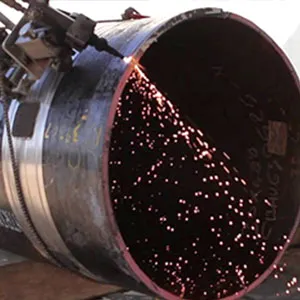
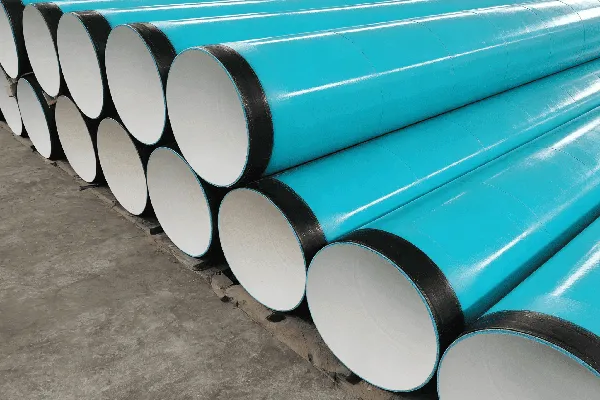
Field joint coating should be applied by trained personnel in accordance with the approved procedure and material manufacturer's instructions. Important control points include:
-
Ambient and steel surface temperature.
-
Relative humidity and dew point conditions.
-
Surface cleanliness and preparation profile.
-
Coating application thickness and overlap.
-
Curing time and handling restrictions.
Application should only proceed when environmental conditions meet the requirements of the approved procedure. Generic temperature, humidity or curing values should not replace the qualified requirements for the selected coating system.
After application and curing, the completed field joint should be inspected according to the project Inspection and Test Plan (ITP). Depending on the coating system and project specification, inspection may include visual examination, coating thickness measurement, holiday detection, adhesion testing or other specified checks. Any unacceptable defect should be identified, repaired and retested according to the approved repair procedure. Inspection records should maintain traceability to the pipe joint and include relevant coating material batches, inspection results and repair status.
Several problems can affect the quality of field joint protection:
-
Insufficient overlap: The field joint coating does not extend adequately onto the prepared factory coating.
-
Poor surface preparation: Oil, dust, rust or unsuitable surface conditions reduce coating adhesion.
-
Incorrect application conditions: Temperature, humidity or curing conditions fall outside the approved procedure.
-
Mechanical damage: Handling or backfilling damages the completed coating.
-
Unrecorded repairs: Missing repair and retest records make final acceptance more difficult.
These issues can be reduced through approved procedures, trained applicators, proper handling and clearly defined inspection responsibilities.
FAQ
Q1. Why are FBE coated pipe ends left uncoated?
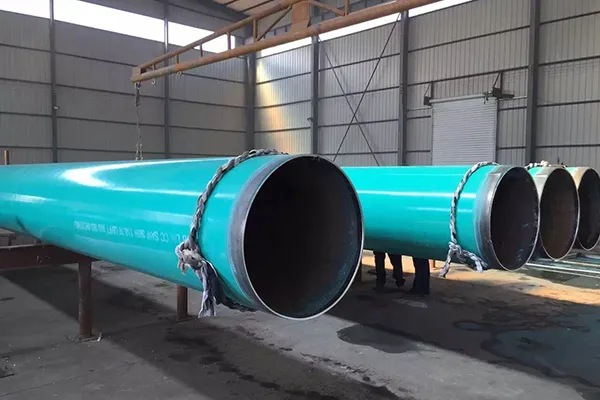
A1: A specified cutback leaves sufficient space for welding. After the weld is accepted, the exposed area is protected using an approved field joint coating system.
Q2. Is field joint coating always made of FBE?
A2: No. Field joint systems may use liquid-applied coatings, heat-shrink sleeves or other qualified materials. The selected system must meet project requirements and be compatible with the mainline coating.
Q3. Can ordinary epoxy paint be used for FBE field joint repair?
A3: Not automatically. The repair material must be approved for the intended application and compatible with the existing FBE coating.
Q4. Should field joints undergo holiday detection?
A4: Holiday detection should be performed when required by the project specification and applicable coating procedure. The test method and voltage must be suitable for the coating system and thickness.
Q5. Which standard covers pipeline field joint coating?
A5: ISO 21809-3:2016, including Amendment 1:2020, covers field joint coating qualification, application and testing for relevant buried and submerged pipeline systems in the oil, gas and petrochemical industries. The applicable edition and project requirements should be confirmed before construction.
FBE Coated Steel Pipe Supply for Pipeline Projects
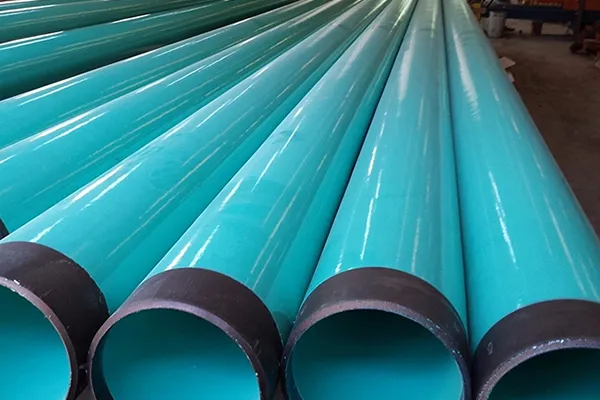
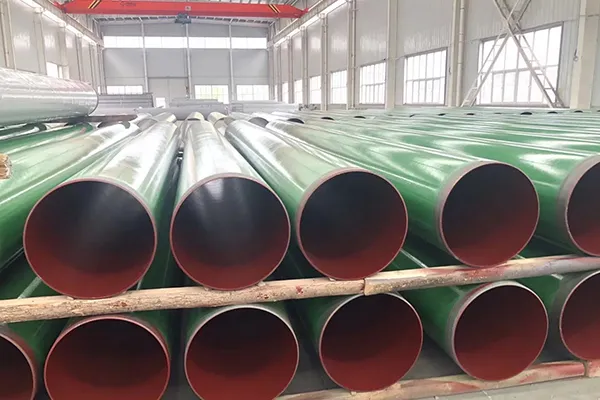
Hunan Great Steel Pipe Co., Ltd. supports FBE coated steel pipe supply for pipeline projects through material sourcing, production coordination, coating inspection arrangements, documentation review and export delivery coordination. For projects involving field joint coating, mainline coating requirements, pipe-end cutback dimensions and applicable inspection documents can be reviewed as part of the project supply coordination process.










 English
 Español
 русский язык
 Português